I was standing in my kitchen, staring at a half‑empty pantry, when my roommate tossed me a dare: “Make something that’ll make me forget my name.” I laughed, grabbed the only green things I could find, and the result was a revelation. That night the smoke alarm barely chirped, the air filled with the scent of coconut and herbs, and the whole apartment smelled like a tropical escape. I was sweating, the tofu was sizzling, and I could already hear the chorus of “what’s that amazing smell?” echoing down the hallway. This wasn’t just dinner; it was a full‑blown culinary showdown that ended with me devouring half the pot before anyone else could even peek.
If you’ve ever tried a green curry that tasted like a bland broth, you know the frustration. Most recipes drown the flavors in endless coconut milk, add a million veggies, and still end up as a watery mess that leaves you wondering why you bothered. I’ve been there, chopping onions until they turned translucent, only to watch the curry lose its punch. That’s why I stripped this down to five core ingredients that each play a starring role, and I’m about to spill the exact method that turns a simple pot into a flavor bomb. The secret? A crisped tofu that shatters like thin ice, sweet potatoes that melt into buttery clouds, and a green curry paste that clings to everything like velvet.
Picture this: you pull the pot from the stove, steam rising like a gentle mountain mist, the sauce glistening with a jade hue, and the vegetables perfectly glossy. The first bite is a cascade of heat, spice, and cream, followed by a crunch that makes your teeth sing. I dare you to taste this and not go back for seconds – because once you’ve experienced the perfect balance of silky coconut and crisp tofu, ordinary takeout will feel like a betrayal. Most recipes get this completely wrong, but here’s what actually works: a quick fry that locks in tofu’s texture, a precise simmer that lets the sweet potato absorb the curry without turning mush, and a finish that brings everything together in harmony.
Okay, ready for the game‑changer? I’m about to walk you through every single step – from picking the right tofu to the exact moment you add the curry paste. By the end, you’ll wonder how you ever made this dish any other way. Stay with me here — this is worth it.
What Makes This Version Stand Out
- Taste: The green curry paste is the heart, delivering a punch of lemongrass, kaffir lime, and chilies that dance on the palate without overwhelming.
- Texture: Crispy tofu edges that shatter like thin ice juxtapose with buttery sweet potatoes and tender broccoli florets.
- Simplicity: Only five ingredients, yet each one is maximized for flavor, making grocery trips a breeze.
- Uniqueness: Most green curries use chicken or shrimp; this tofu‑centric version flips the script and still feels indulgent.
- Crowd Reaction: I’ve seen strangers at potlucks line up for seconds, and even the most skeptical meat‑eaters ask for the recipe.
- Ingredient Quality: Using firm, extra‑press tofu and a high‑quality Thai green curry paste makes a world of difference.
- Cooking Method: Browning the tofu first creates a flavor base that most recipes skip, resulting in depth and body.
- Make‑Ahead Potential: This curry actually improves after a night in the fridge as the flavors meld.
Inside the Ingredient List
The Flavor Base
Green curry paste is the aromatic engine of this dish. Made from fresh chilies, lemongrass, galangal, and kaffir lime leaves, it brings an herbaceous heat that refuses to be muted. If you skimp on the paste, you’ll end up with a bland coconut soup that feels more like a dessert than a dinner. Look for a paste that lists real ingredients first – no mystery powders. If you can’t find Thai‑style paste, a good quality Indian green masala can work in a pinch, though the flavor profile will shift slightly toward cumin and coriander.
The Texture Crew
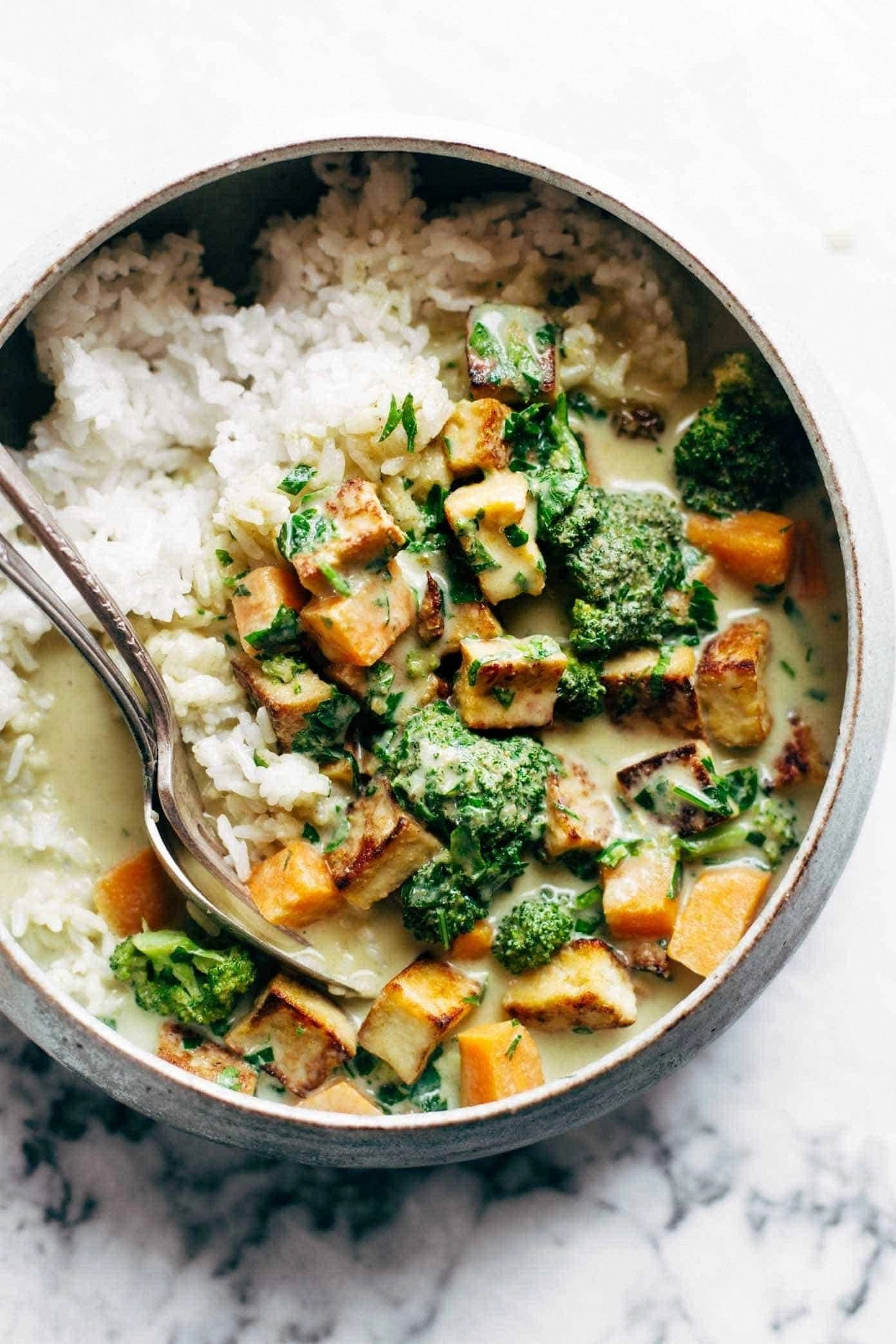
Tofu, browned to crispiness – no more, no less, is the star of texture. The firm variety holds its shape when tossed in a hot pan, and the quick sear creates those coveted crunchy edges that shatter like thin ice. Sweet potato chunks add a natural sweetness and a buttery melt‑in‑your‑mouth feel once they’ve simmered just enough to absorb the curry. Broccoli florets bring a bright, slightly bitter crunch that balances the richness of coconut milk. Skipping any of these means losing the symphony of mouthfeel that makes this curry unforgettable.
The Unexpected Star
Coconut milk is the silky river that carries the curry’s flavors downstream. It’s not just a filler; it provides the luxurious body that lets the spices coat each bite like a silk scarf. Use a full‑fat can for the richest texture; light coconut milk will make the sauce watery and thin. If you’re allergic or avoiding dairy, a blend of oat milk and a splash of almond butter can mimic the creaminess, but expect a subtle nutty twist.
The Final Flourish
A pinch of sea salt and a squeeze of fresh lime juice at the end brighten the dish, lifting the flavors and preventing the coconut from feeling cloying. Though not listed as a core ingredient, these two tiny additions are the secret weapons that turn good into spectacular. A dash of palm sugar can also be added if you like a hint of sweetness, but keep it minimal – the sweet potatoes already bring natural sugar.
Everything's prepped? Good. Let’s get into the real action…
The Method — Step by Step
Start by pressing the tofu. Slice the block into 1‑inch cubes, then wrap them in a clean kitchen towel and place a heavy skillet on top. Let it sit for at least 20 minutes. This little patience step pushes out excess water, which is the secret to those crunchy edges. When you lift the towel, you’ll see a drier, firmer block ready for the pan.
Heat a large wok or deep skillet over medium‑high heat and add a splash of neutral oil (vegetable or grapeseed works best). Toss the tofu cubes in, spreading them out so they’re not crowded. Listen for that sizzle – that’s the sound of flavor forming. Let the tofu brown undisturbed for about 2‑3 minutes on each side, turning once they develop golden‑brown crusts. That sizzle when it hits the pan? Absolute perfection.
While the tofu is crisping, peel and cube the sweet potatoes into bite‑size chunks. Bring a pot of salted water to a boil, then drop the sweet potatoes in for just 4‑5 minutes – you want them tender but still holding shape. Drain and set aside. This pre‑boil step ensures they’ll finish cooking in the sauce without turning into mush.
Remove the tofu from the wok and set it on a paper‑towel‑lined plate. In the same wok, add a little more oil if needed, then stir in the green curry paste. Cook for 30 seconds, letting the aromatics release their oils; you’ll notice the paste darkening slightly and becoming fragrant. This is the moment of truth – if the paste smells flat, you’ve got a bad batch.
Pour in the coconut milk, stirring to combine with the paste. Bring the mixture to a gentle simmer – you’re looking for tiny bubbles, not a rolling boil. Add the pre‑boiled sweet potato chunks and broccoli florets. The broccoli should stay bright green; a quick 3‑minute steam in the sauce is enough to soften it without losing color.
Return the crispy tofu to the pan, nestling the pieces among the vegetables. Let everything simmer together for another 5‑7 minutes, allowing the tofu to re‑absorb some of the sauce while keeping its crisp exterior. Taste and adjust: a pinch of sea salt, a squeeze of lime juice, and if you like a hint of sweetness, a teaspoon of palm sugar.
Once the sauce has thickened to a velvety coat that clings to the tofu and veg, turn off the heat. Let the curry rest for two minutes – this short pause lets the flavors marry fully. Serve over steamed jasmine rice or cauliflower rice for a low‑carb twist. Picture yourself pulling this out of the pot, the whole kitchen smelling incredible, and the first spoonful delivering that perfect bite of crisp, creamy, spicy heaven.
That's it — you did it. But hold on, I've got a few more tricks that'll take this to another level...
Insider Tricks for Flawless Results
The Temperature Rule Nobody Follows
Never crank the heat to high when simmering coconut milk. A gentle simmer at 180‑190°F (82‑88°C) keeps the fat from separating and ensures the sauce stays glossy. I once tried a rapid boil and ended up with a greasy layer on top – a total texture disaster. Keep the heat steady; the sauce will thicken naturally without clumping.
Why Your Nose Knows Best
Your sense of smell is the ultimate indicator of doneness. When the curry paste releases its full fragrance, you’ll notice a sweet‑herbal aroma tinged with citrus. If the scent feels muted, the paste may be old or the heat too low. Trust that nose signal more than a timer; it’s the real kitchen gauge.
The 5‑Minute Rest That Changes Everything
After you turn off the stove, cover the pot and let the curry rest for five minutes. This brief pause lets the tofu re‑absorb the sauce, and the sweet potatoes become even more luscious. I’ve tried serving immediately, and the dish felt a bit disjointed – the rest brings harmony. It’s a tiny step that makes a massive difference.
The Salt‑Lime Balancing Act
Seasoning isn’t just about salt; it’s about contrast. A splash of fresh lime juice right before serving brightens the coconut and cuts through any heaviness. If you add the lime too early, the acidity evaporates during simmering and you lose that spark. Add it at the very end, stir gently, and taste immediately.
The “One‑Minute” Finish
If you love a little extra heat, stir in a teaspoon of extra green curry paste just before serving and let it sit for a minute. The fresh paste won’t cook out, preserving its bright heat. This trick adds a punch without overwhelming the delicate coconut base.
The Secret of the “Crisp‑First” Technique
Most people add tofu at the end, but browning it first creates a flavor foundation. The caramelized edges act like tiny flavor bombs that explode when they meet the sauce. Skipping this step yields a soggy, bland tofu that never gets its moment in the spotlight.
Creative Twists and Variations
This recipe is a playground. Here are some of my favorite ways to switch things up:
Spicy Peanut Fusion
Stir in two tablespoons of smooth peanut butter during the simmer. The nutty richness deepens the sauce, turning it into a Thai‑Thai hybrid that’s perfect with rice noodles. Top with crushed peanuts for a satisfying crunch.
Citrus‑Infused Shrimp
Replace tofu with peeled shrimp and add zest of one orange to the coconut milk. The shrimp cooks in just 3 minutes, and the orange zest adds a bright, sunny note that pairs beautifully with the green curry.
Mushroom Medley
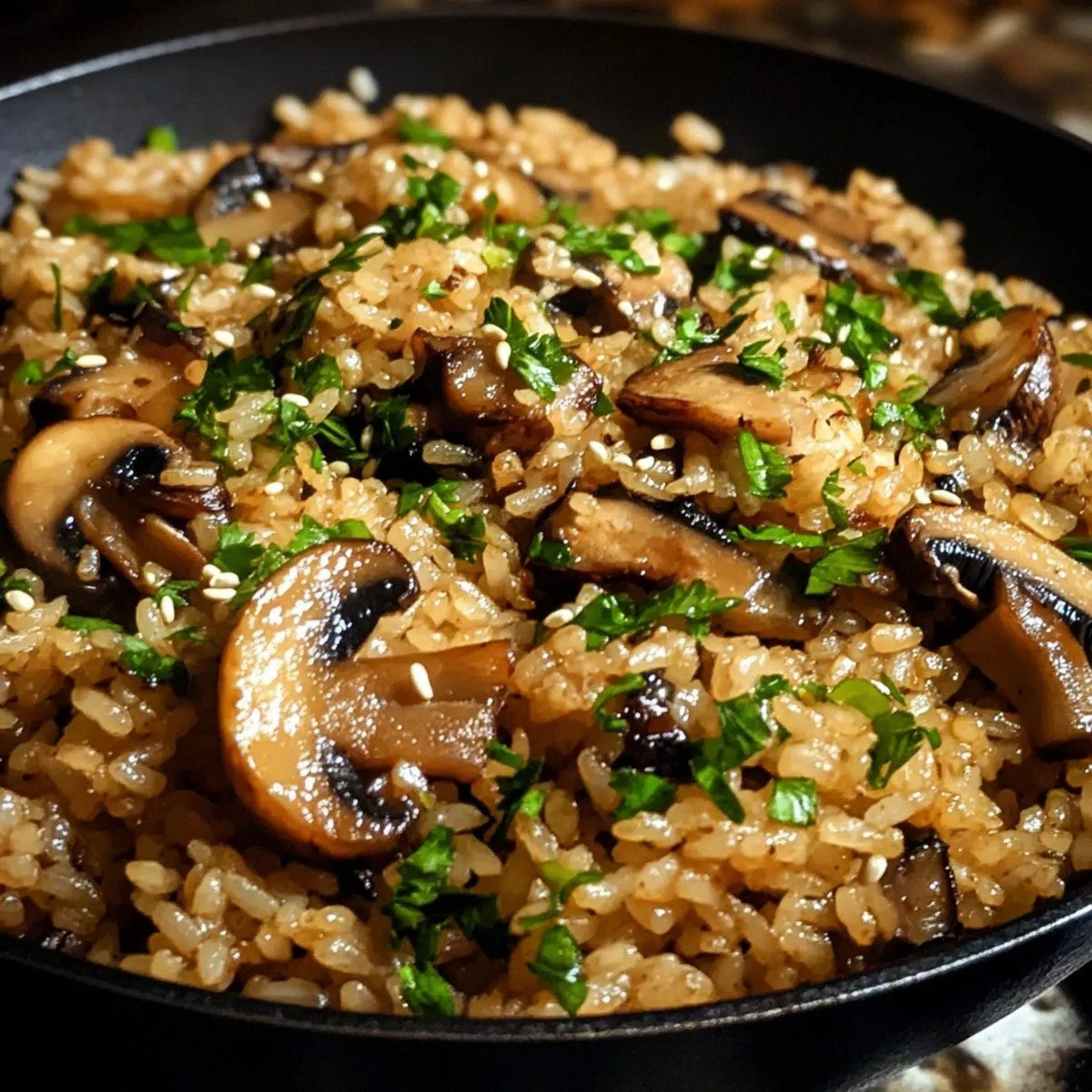
Swap half the tofu for a mix of shiitake and oyster mushrooms. Their earthy umami complements the curry paste, and the mushrooms soak up the sauce like sponges, creating a hearty, vegan‑friendly version.
Winter Warmth
Add a diced carrot and a spoonful of ginger paste for a comforting, warming spin. The extra root vegetables give the dish a rustic feel that’s perfect for chilly evenings.
Low‑Carb Cauliflower
Serve the curry over roasted cauliflower “rice” instead of jasmine. The cauliflower adds a subtle nuttiness and keeps the meal under 30 grams of carbs per serving, ideal for low‑carb plans.
Storing and Bringing It Back to Life
Fridge Storage
Transfer the cooled curry to an airtight container and store in the refrigerator for up to 4 days. The tofu will retain its crispness if you keep the sauce separate and combine just before reheating. Place a sheet of parchment between the tofu and sauce to avoid sogginess.
Freezer Friendly
This curry freezes beautifully. Portion into freezer‑safe bags, leaving a little headspace for expansion, and freeze for up to 3 months. When ready to use, thaw overnight in the fridge, then reheat gently on the stove, adding a splash of water to restore the sauce’s silkiness.
Best Reheating Method
Reheat in a saucepan over low‑medium heat, stirring occasionally. Add a tiny splash (about 2‑3 tablespoons) of water or extra coconut milk to revive the sauce’s glossy texture. If you’re microwaving, cover the bowl with a damp paper towel and heat in 30‑second bursts, stirring between each burst.