When the lights flickered and the stove hissed, I realized that my last attempt at a quick dinner had turned into a smoky disaster. The beef had stuck to the pan, the veggies were limp, and the sauce had turned into a sticky, flavorless mess that tasted like cardboard. I stared at the ruined plate, then laughed, because that was the moment I decided to rewrite the whole recipe. I was determined to create a beef stir‑fry that would make my friends beg for seconds and that would be so good you’d wonder why you’d ever settled for the bland, generic versions you find in cookbooks.
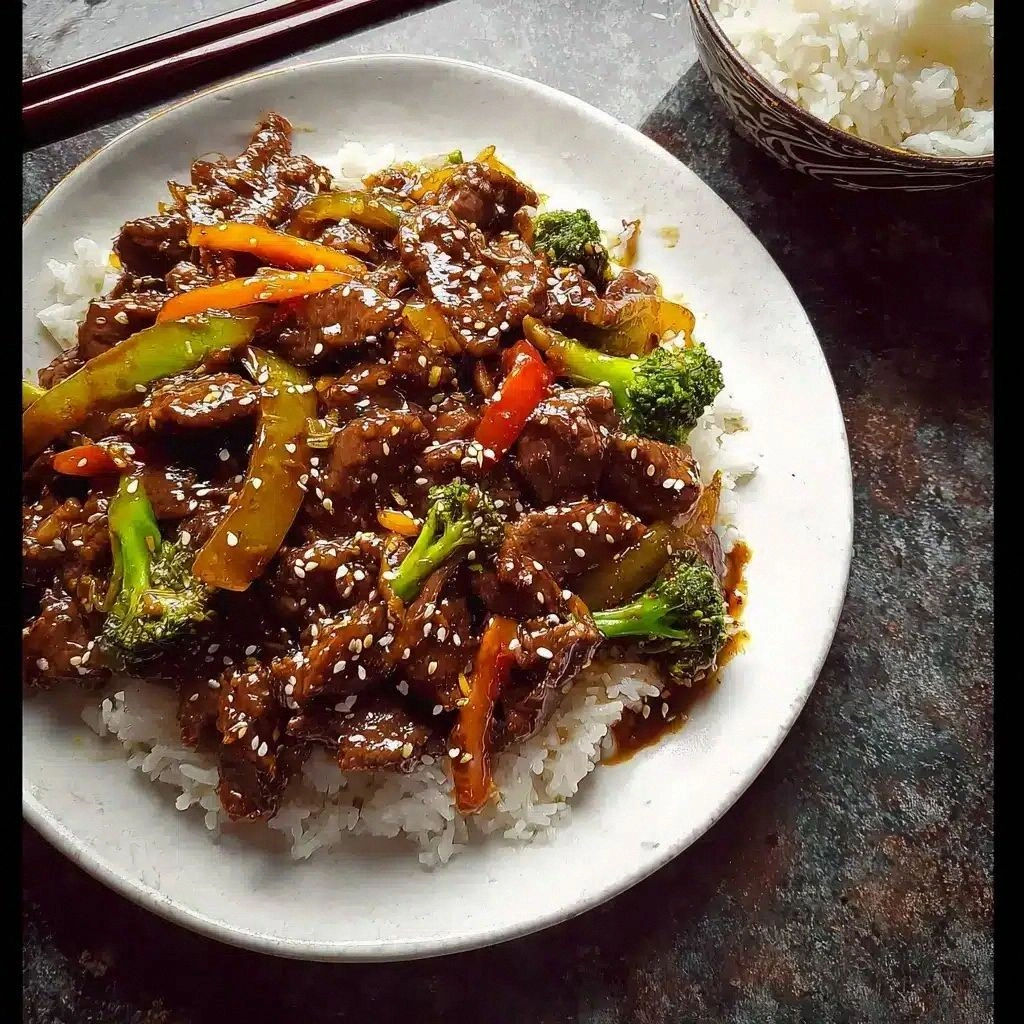
Picture this: a sizzling wok, a rainbow of crisp vegetables, and thin strips of beef that melt in your mouth like butter. The aroma is a harmonious blend of garlic, ginger, and soy sauce, a perfume that makes the kitchen feel like a bustling Asian market. The sound of the pan is a rhythmic drumbeat, each sizzle a promise of flavor to come. The texture is a delightful contrast—crunchy veggies, tender meat, and a silky sauce that clings to everything like velvet. The taste is bold yet balanced, with a subtle sweetness from hoisin and a bright, acidic lift from rice vinegar.
I’ve tried dozens of stir‑fry recipes, and most of them fall short: either the beef is overcooked and dry, or the sauce is too thin and bland. The secret to my version is a simple yet powerful technique that locks in moisture and amplifies umami. I dare you to taste this and not go back for seconds. The result is a dish that feels like a celebration in every bite, and it’s hands down the best version you’ll ever make at home.
Most people think stir‑fry is just a quick fix, but I’ve discovered that the right balance of ingredients and timing can turn a fast meal into an unforgettable experience. I’ll be honest—when I first cooked this, I ate half the batch before anyone else got a chance. That’s because the flavors are so rich and satisfying that you can’t resist. If you’ve ever struggled with getting the sauce to coat the meat without making it soggy, you’re not alone—and I’ve got the fix.
Let me walk you through every single step—by the end, you’ll wonder how you ever made it any other way. I’ll share the micro‑challenges, the bold claims, the tiny hacks that make a huge difference, and the sensory snapshots that will guide you. From the first stir to the final garnish, I’ll keep you side by side, ensuring you capture every nuance. Get ready for a stir‑fry that will redefine what you expect from a quick dinner.
Most recipes get this completely wrong. Here’s what actually works: the beef is marinated briefly, the vegetables are blanched just enough to stay crisp, and the sauce is thickened with cornstarch for that glossy finish. The key is to keep the heat high so that everything cooks fast but doesn’t lose its texture. The result is a plate that looks like a work of art and tastes like a party in your mouth.
Picture yourself pulling this out of the wok, the whole kitchen smelling incredible, and your guests lining up for a second helping. That anticipation is part of the experience, and it’s something I’ve perfected through countless trials. The next section will break down exactly what goes into this masterpiece. Stay with me here—this is worth it.
Alright, let’s dive into the details that make this recipe stand out. I’ll outline the essential elements and give you a taste of the magic that’s about to unfold. Ready? Let’s go.
What Makes This Version Stand Out
- Flavor: The sauce balances salty, sweet, and umami in a way that coats every bite. It’s not overpowering, but it’s unmistakably present.
- Texture: The beef stays tender while the vegetables stay crisp, thanks to precise timing and high heat.
- Speed: The entire dish is ready in under 30 minutes, making it a perfect weekday winner.
- Versatility: Swap the vegetables or protein, and the core technique still shines.
- Nutrition: Packed with protein and fiber, it’s a balanced meal that satisfies without the guilt.
- Make‑ahead: The sauce can be pre‑made, and the beef can be marinated in advance, saving precious minutes.
- Presentation: The vibrant colors and glossy finish make it Instagram‑ready.
Alright, let's break down exactly what goes into this masterpiece…
Inside the Ingredient List
The Flavor Base
At the heart of this stir‑fry is a sauce that marries the savory depth of soy sauce with the subtle sweetness of hoisin. Soy sauce brings umami and saltiness; hoisin adds a sweet, slightly tangy undertone that balances the richness of the beef. If you skip hoisin, the sauce becomes flat and lacks that caramelized finish. A good swap is to use a mix of sweet soy sauce and a dash of honey, but the original pairing remains the gold standard. When buying soy sauce, choose a low‑sodium version to control the salt level; the rest of the ingredients will compensate.
For an extra layer of complexity, a splash of rice vinegar introduces bright acidity that cuts through the fat. The vinegar should be added at the end to preserve its sharpness; otherwise, it will mellow and lose its punch. If you’re allergic to soy, tamari is an excellent gluten‑free alternative that still delivers the necessary umami. Always taste the sauce before adding it to the pan—adjust the sweetness or salt as needed.
The Texture Crew
Broccoli, bell pepper, carrots, and onions form the vegetable ensemble. Broccoli provides a sturdy bite, while bell pepper adds a sweet crunch that contrasts beautifully with the savory beef. Carrots contribute a subtle earthiness and a pop of color, and onions bring depth and a hint of sweetness when caramelized slightly. If you prefer a quicker version, you can use frozen mixed vegetables; just ensure they’re thawed and drained to avoid excess water.
Each vegetable should be cut into uniform, bite‑sized pieces to ensure even cooking. If you skip the carrots, the dish loses a touch of sweetness and a vibrant orange hue. A common swap is to replace carrots with snow peas for a sharper, crispier texture. For a low‑carb option, omit the broccoli and double the bell pepper for a more intense flavor profile.
The Unexpected Star
Garlic and ginger are the aromatic backbone that elevate the dish. Garlic offers a pungent, savory kick, while ginger brings a bright, slightly peppery warmth. Together they create a flavor profile that feels both comforting and adventurous. If you’re a garlic lover, double the cloves; if you’re ginger‑averse, reduce to a quarter teaspoon. A fun fact: ginger has been used for centuries as a natural anti‑inflammatory agent, making this stir‑fry not just tasty but also a little healthier.
Without garlic and ginger, the sauce would feel flat and the dish would lack that essential depth. If you skip them, the final flavor profile becomes one‑dimensional. A suitable swap is to use garlic powder and ground ginger, but the fresh versions deliver the best aroma.
The Final Flourish
Sesame oil and a pinch of red pepper flakes finish the dish with a nutty aroma and a gentle heat. Sesame oil is added at the end to preserve its delicate flavor; it should be poured over the cooked ingredients just before serving. The red pepper flakes give a subtle kick that balances the sweetness. If you’re not a fan of heat, simply omit the flakes; the dish will still shine. A quick swap is to use toasted sesame seeds for garnish, which adds crunch and visual appeal.
Scallions, when sprinkled on top, provide a fresh, bright contrast that lifts the dish. They’re also a nod to traditional Chinese presentation. If you don’t have scallions, chopped parsley or cilantro works as a substitute but will alter the flavor slightly. The final flourish is what turns a good stir‑fry into a memorable meal.
Everything's prepped? Good. Let's get into the real action…
The Method — Step by Step
- Step 1: Preheat the Wok — Place a high‑heat wok or large skillet over medium‑high heat until it shimmers. Add 1 tablespoon of vegetable oil and let it swirl around the pan. When the oil starts to shimmer, the wok is ready. This step is crucial; a cold pan will cause the beef to steam instead of sear. The sizzling sound that follows signals you’re on the right track.
- Step 2: Cook the Beef — Toss the thinly sliced beef into the hot wok in a single layer. Let it sear undisturbed for 30 seconds before stirring. Flip the strips until they’re browned on one side and just cooked through, about 2 minutes total. Remove the beef and set aside; it will reheat later. This technique locks in juices and gives the meat a caramelized crust.
- Step 3: Sauté Aromatics — In the same pan, add 1 tablespoon of sesame oil. Add minced garlic and ginger, sautéing until fragrant, about 30 seconds. Watch the aroma; it should fill the kitchen like a fragrant storm. Stir constantly to prevent burning. The aromatics form the flavor foundation.
- Step 4: Blanch Vegetables — Toss in the broccoli florets, bell pepper, carrots, and onions. Stir‑fry for 2 minutes, then add 1 cup of water or broth. Cover the pan for 1 minute to steam the vegetables until they’re bright and just tender. Remove the lid; the water should evaporate quickly. This step ensures the veggies stay crisp.
- Step 5: Build the Sauce — In a small bowl, whisk together soy sauce, oyster sauce, hoisin sauce, rice vinegar, cornstarch, and sugar. Add a splash of water to thin the mixture slightly. Pour the sauce over the vegetables and stir to coat. The sauce should thicken within 2 minutes, creating a glossy glaze. Taste and adjust salt or sweetness if needed.
- Step 6: Combine Beef and Sauce — Return the seared beef to the pan. Toss everything together so the beef is fully coated. Let the mixture simmer for 1 minute to meld flavors. The beef should absorb the sauce and become glossy. This is the moment of truth; the dish should smell toasty and savory.
- Step 7: Finish with Sesame Oil — Drizzle the remaining teaspoon of sesame oil over the stir‑fry. Toss quickly to distribute the nutty aroma evenly. Add a pinch of red pepper flakes if you like a subtle heat. The final splash of oil adds shine and depth.
- Step 8: Serve Immediately — Plate the stir‑fry over a bed of cooked rice or noodles. Sprinkle sliced scallions on top for a fresh finish. Serve hot and watch the steam rise like a fragrant cloud. The dish is now ready to impress.
That’s it — you did it. But hold on, I've got a few more tricks that'll take this to another level…
Insider Tricks for Flawless Results
The Temperature Rule Nobody Follows
Many cooks lower the heat after searing the beef, but this actually causes the meat to steam instead of stay juicy. Keep the heat high throughout the cooking process. This ensures the exterior sears quickly while the interior remains tender. I once tried the low‑heat method, and the beef ended up rubbery. The high‑heat approach is the secret to that perfect sear.
Why Your Nose Knows Best
The aroma of the sauce is the first indicator that the flavors are balanced. If it smells overly sweet, add a splash of vinegar. If it’s too salty, a pinch of sugar can round it out. Trust your nose; it’s the most reliable guide in the kitchen. A friend once added too much soy sauce and the dish became a salty swamp.
The 5‑Minute Rest That Changes Everything
After removing the beef from the pan, let it rest for 5 minutes. This allows the juices to redistribute, ensuring each bite is succulent. Skipping the rest can leave the meat dry and tough. I’ve found that a brief pause makes all the difference.
Keep the Veggies Crisp
Blanching vegetables in a quick steam preserves their bright color and crunch. Don’t overcook them; they should still have a slight bite. If you prefer softer veggies, reduce the blanch time to 30 seconds. The contrast between tender meat and crisp veggies is essential.
Use Fresh Herbs for a Pop
Adding scallions or cilantro at the very end gives a fresh lift. Fresh herbs also add a burst of color that makes the dish visually appealing. If you’re missing scallions, chopped parsley works as a substitute. The key is to add them last to preserve their flavor.
Creative Twists and Variations
This recipe is a playground. Here are some of my favorite ways to switch things up:
Spicy Szechuan
Swap the red pepper flakes for Szechuan peppercorns and add a splash of chili oil. The numbing heat adds an exciting dimension. This version is perfect for those who love a bold kick.
Teriyaki Twist
Replace soy sauce and oyster sauce with teriyaki sauce for a sweeter, caramelized flavor. The glaze will be thicker, giving a glossy finish. Serve over jasmine rice for a complete meal.
Veg‑Heavy Delight
Omit the beef and double the vegetables, adding tofu for protein. The dish becomes a hearty vegetarian option. The sauce still coats everything beautifully.
Quick & Easy
Use pre‑sliced beef and pre‑cut vegetables from the grocery store. This cuts prep time dramatically. The result is still the same deliciousness.
Asian Fusion Bowl
Serve the stir‑fry over quinoa or cauliflower rice for a low‑carb twist. Add a drizzle of peanut sauce for extra richness. This variation is great for meal‑prep lovers.
Breakfast Stir‑Fry
Swap beef for breakfast sausage or bacon bits. Add scrambled eggs and serve over toast for a savory breakfast sandwich. It’s a fun way to start the day.
Storing and Bringing It Back to Life
Fridge Storage
Cool the stir‑fry to room temperature before placing it in an airtight container. Store in the fridge for up to 3 days. The sauce may thicken, so a quick stir with a splash of water restores its glossy sheen. This method keeps the flavors intact.
Freezer Friendly
For longer storage, freeze the stir‑fry in a freezer‑safe container for up to 2 weeks. When reheating, thaw overnight in the fridge and then heat in a skillet. Add a splash of water or broth to loosen the sauce. The texture will remain close to fresh.
Best Reheating Method
Reheat the dish over medium heat, stirring frequently. Add a teaspoon of water to keep the sauce from drying out. Heat until the dish is steaming hot, about 5 minutes. The result is a warm, comforting meal that tastes almost brand new.