I burned dinner three times last week. Not because I can't cook — because I kept chasing this ridiculous idea that pasta could taste like sunshine and comfort had a love child. Every failed attempt left me with orange-tinted disasters that tasted like cough syrup mixed with melted plastic. My roommate started ordering pizza "just in case." My neighbor began leaving Tupperware outside my door with passive-aggressive notes about "learning when to quit."
Then came the Thursday night when I was down to my last orange, a suspicious block of cheddar, and pride that had shriveled to the size of a raisin. Picture this: rain pounding against my kitchen window, my ancient radiator clanking like it was judging me, and the unmistakable growl of my own stomach after a twelve-hour workday. I wasn't chasing gourmet perfection anymore — I just wanted something that didn't taste like regret.
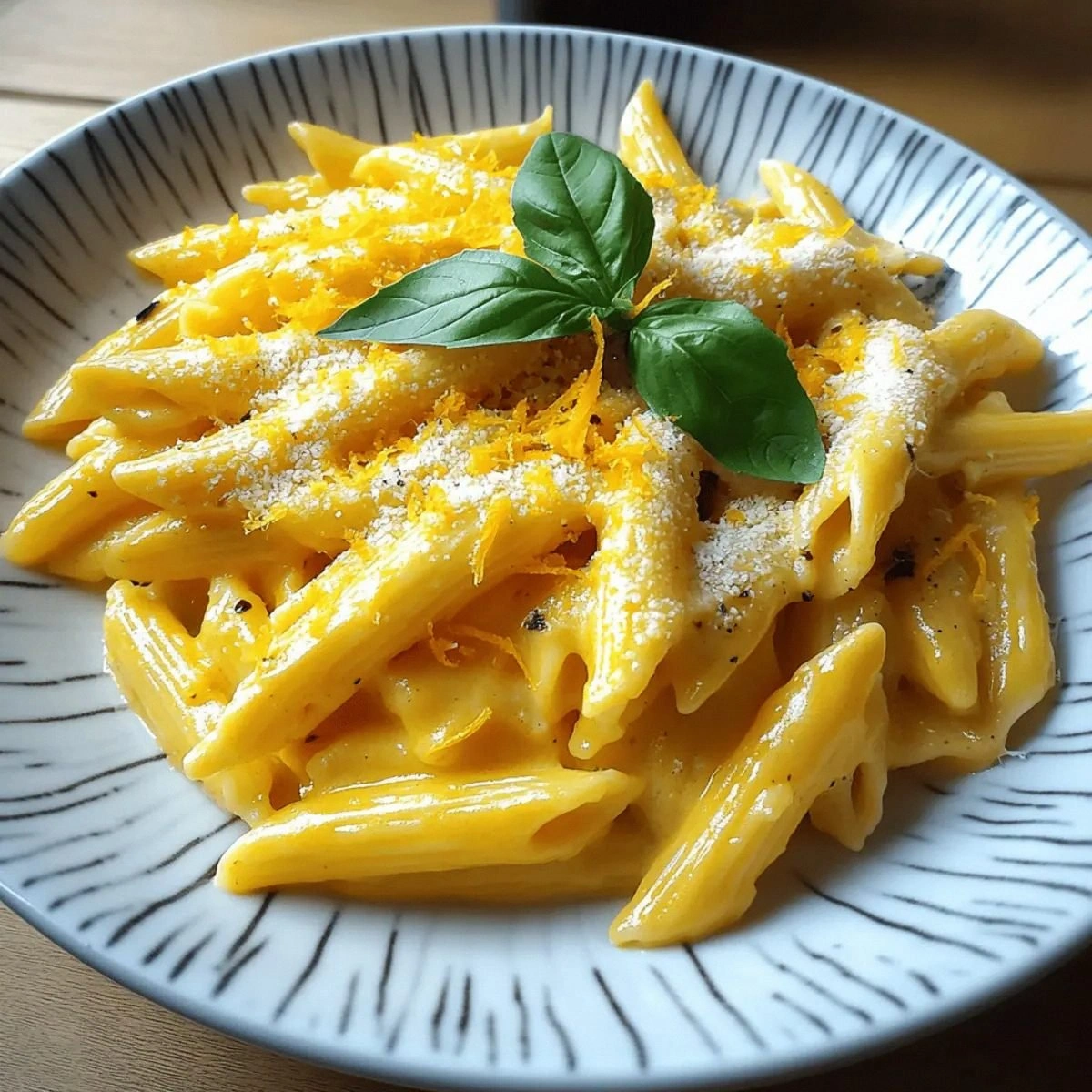
What happened next defies every cooking rule I thought I knew. That orange got zested straight into a pan of sizzling garlic, and the kitchen filled with this impossible aroma that made my roommate abandon her carefully planned salad. The heavy cream hit the pan and transformed into liquid velvet, wrapping around the cheddar until it melted into something that looked like molten gold. When the pasta slid into that sauce, it didn't just coat the noodles — it clung to every ridge like it had been waiting its whole life for this moment.
The first bite stopped me mid-chew. This wasn't just good — this was the kind of comfort food that makes you close your eyes involuntarily, the type that sends you back for thirds before you realize what you're doing. My roommate walked in, took one look at my face covered in orange-flecked sauce, and wordlessly held out her bowl. We stood there in my tiny kitchen, rain still drumming outside, eating straight from the pot like teenagers who'd discovered something they weren't supposed to know. Let me walk you through every single step — by the end, you'll wonder how you ever made it any other way.
What Makes This Version Stand Out
Citrus Balance: Most recipes either ignore the orange completely or dump in so much juice your pasta tastes like toothpaste. This version uses both zest and juice strategically — the zest gives you that bright aroma without the harsh acidity, while just enough juice cuts through the richness like a culinary lightsaber.
Cheese Strategy: Cheddar alone gets greasy and separates. Parmesan alone disappears into the background. Together? They create this stretchy, gooey matrix that coats every noodle while the orange oils bind everything into sauce perfection. It's like they went to cheese marriage counseling and came back stronger.
Texture Magic: We're not just throwing cheese at pasta and hoping for the best. The sauce gets built in layers — garlic toasted until it smells like heaven's front porch, cream reduced until it can practically stand up on its own, cheese added off-heat so it melts instead of turning into rubbery disappointment.
Speed Demon: From hungry to heavenly in under thirty minutes. While your pasta water comes to a boil, you're already building the sauce base. By the time the noodles hit al dente, that sauce is waiting like it knew they were coming.
Leftover Legend: Most creamy pastas turn into cement in the fridge. The orange oil keeps this sauce silky even after a night in cold storage. Reheat it with a splash of milk and it's like you just made it — no sad, separated mess staring back at you from the Tupperware.
Crowd Confusion: Serve this at a dinner party and watch people try to guess the secret ingredient. "Is it saffron?" "Did you use some fancy cheese?" Nope — just an orange and the confidence to use it like you mean it. The looks on their faces when you tell them? Priceless.
Pantry Power: Every ingredient lives in a well-stocked kitchen. No hunting for obscure items you'll use once and forget. Orange, cream, cheese, pasta — it's like they were all waiting for you to figure out they belonged together.
Inside the Ingredient List
The Foundation Crew
Pasta choice matters more than you think. Penne's ridges grab sauce like tiny edible spoons, while farfalle's butterfly wings catch pools of creamy goodness in their centers. Skip the long noodles here — you want something with nooks and crannies that can hold onto this orange-kissed cheese sauce like treasure in hidden caves. Whole wheat pasta works but changes the game entirely — nuttier, heartier, more "adult" somehow. Regular pasta lets the orange sing louder.
Salt isn't just salt. That tablespoon going into the pasta water seasons the noodles from the inside out — bland pasta ruins the best sauce. The teaspoon in the sauce balances the sweet orange and rich cream. Skip either and you'll wonder why your dish tastes flat despite all your fancy cheese work. Use kosher salt; table salt's smaller crystals make everything taste like a salt lick.
The Flavor Builders
Olive oil carries flavors like a culinary Uber driver. Those minced garlic bits swim in it, releasing their pungent magic into every corner of your pan. Don't reach for the fancy finishing oil here — regular olive oil handles heat better without turning bitter. The two tablespoons might seem excessive, but you'll need every drop to keep the sauce from sticking when the cheese hits.
Garlic transforms throughout cooking. Raw garlic in this sauce would punch you in the face. But sautéed until it smells like you're being hugged by an Italian grandmother? That's the sweet spot where it whispers instead of shouts. Two cloves is perfect — enough to know it's there, not so much you'll taste it tomorrow. Mince it fine; nobody wants to bite into a garlic chunk in their creamy pasta.
The Unexpected Star
Orange isn't just orange. Zest gives you the bright, floral top notes — all the sunshine without the sour face. Juice adds that mysterious background note that makes people ask "what IS that?" Use a microplane for the zest; the fine shavings distribute evenly instead of clumping like confetti. Juice it after zesting — easier to zest a whole orange than one that's been rolled and squeezed half to death.
Heavy cream isn't negotiable. Milk separates, half-and-half gets watery, but heavy cream reduces into velvet that can support the cheese without breaking. One cup seems like overkill until you watch it transform into sauce that could make cardboard taste luxurious. Room temperature cream incorporates better — no cold dairy shocking your hot pan into a curdled mess.
The Cheese Dream Team
Cheddar brings the comfort. Sharp cheddar gives you that nostalgic mac-and-cheese vibe, but aged too long and it fights with the orange. Regular or mild cheddar melts like a dream and lets the citrus play center stage. Pre-grated cheese contains anti-caking agents that turn your sauce gritty — grate it yourself or accept your fate. One cup might seem like a mountain, but it melts down into exactly what you need.
Parmesan is the secret weapon. It adds that umami depth that makes people unable to stop eating, that mysterious "something" that keeps them guessing. Freshly grated melts into the sauce; the powdered stuff in the green can turns everything grainy. Don't substitute with other hard cheeses — Parmesan's nutty complexity is what bridges the gap between orange and cheddar like a flavor diplomat.
The Method — Step by Step
- Start your pasta water first — fill your biggest pot with water, add that tablespoon of salt (it should taste like the ocean), and bring it to a rolling boil. While you're waiting, prep everything else because this moves fast once it starts. Grate your cheeses, zest and juice your orange, mince your garlic. This isn't just being organized; it's survival. Nothing ruins creamy pasta like cheese that seizes up because you were still hunting for the grater.
- Heat the olive oil in a large skillet over medium heat. When it shimmers like a mirage and slides easily across the pan, add the garlic. Stir constantly for about thirty seconds — it should smell like you've died and gone to Italian heaven, but don't let it brown. Browned garlic turns bitter, and bitter garlic will haunt your sauce like a tiny angry ghost. The sizzle should sound like applause, not like screaming.
- Add the orange zest and watch the magic happen. Those tiny flecks hit the hot oil and release oils that make your kitchen smell like summer vacation. Stir for just fifteen seconds — any longer and the zest burns, turning your sauce into something that tastes like orange peel candy. Your nose knows when it's ready; suddenly the whole room smells like possibility.
- Pour in the heavy cream slowly, stirring constantly. It should bubble gently, not furiously — if it's boiling like witch's brew, turn down the heat. Let it reduce for about five minutes, stirring occasionally. You're looking for the consistency of melted ice cream, heavy cream that coats the back of a spoon and leaves a trail when you drag your finger through. This reduction concentrates flavors and gives the sauce body that won't disappear into the pasta.
- Reduce the heat to low. Add the cheddar a handful at a time, stirring until each addition melts completely before adding the next. This patience pays off — dumping it all in at once drops the temperature too fast, giving you a greasy, separated mess. The sauce should get progressively silkier, like it's been taking luxury baths. When all the cheddar is incorporated, add the Parmesan and repeat the process.
- By now your pasta should be al dente — taste it! It should have a slight resistance when you bite, not crunchy but not mushy. Save a cup of pasta water before draining; this starchy liquid is liquid gold for adjusting sauce consistency. Drain the pasta but don't rinse it — that starch helps the sauce cling like static electricity.
- Add the pasta directly to the sauce. Toss everything together with tongs or two forks, lifting and turning until every noodle gets coated in that orange-flecked cheese blanket. If it seems too thick, splash in pasta water a tablespoon at a time. The sauce should coat the pasta but still flow like lava, not sit on top like a cheese blanket.
- Remove from heat and add the orange juice, salt, and pepper. The juice brightens everything, salt enhances all the flavors, and pepper adds a subtle heat that makes the orange pop. Taste and adjust — this is where you become the artist. Some oranges are sweeter, some salt is saltier, and only your tongue knows what your sauce needs.
- Let it rest for exactly two minutes. I know, you're starving and it smells incredible, but this rest lets the sauce thicken slightly and the flavors marry. While you wait, tear the basil leaves — don't cut them with a knife or they'll bruise and turn black. Scatter them over the top along with the final orange zest for that restaurant-worthy presentation that makes people think you went to culinary school.

Insider Tricks for Flawless Results
The Temperature Rule Nobody Follows
Cheese melts at body temperature, which sounds romantic until you realize your pan is three times hotter than that. Keep your cream at a gentle simmer — you should see tiny bubbles around the edges, not a rolling boil that looks like jacuzzi jets. If the cream's too hot when the cheese hits, the proteins seize up and you get rubbery bits floating in oil. Off-heat is your friend for cheese incorporation; the residual heat melts everything smoothly without shock.
Why Your Nose Knows Best
That moment when the garlic hits the oil? Your nose is a better timer than any clock. When it smells like you've walked into the world's best Italian restaurant, it's time to add the orange zest. When the zest goes in and suddenly your kitchen smells like summer mornings? That's your fifteen-second warning. Burned garlic and zest announce themselves with bitter, acrid notes that no amount of cheese can hide. Trust your nose — it evolved specifically to keep you from eating bad food.
The 5-Minute Rest That Changes Everything
I know you're hungry. I know it smells incredible. But walk away for five minutes after you finish cooking. This isn't torture — it's science. The sauce thickens slightly as it cools, transitioning from soup-like to perfectly coating. The cheese proteins relax instead of seizing when they hit cold plates. More importantly, those five minutes let the orange oils distribute evenly throughout the sauce instead of sitting on top like an aromatic oil slick. Your patience gets rewarded with sauce that clings instead of slides.
The Pasta Water Secret Society
That starchy pasta water isn't just for emergencies — it's liquid magic. The starch molecules help emulsify the sauce, creating a stable suspension that won't separate into oil and cheese. Save more than you think you need; you can always use it later but you can't un-thicken over-thinned sauce. Add it a tablespoon at a time, stirring between additions. The sauce should coat the pasta but still flow like slow lava, not sit in the pan like cheese soup.
Orange Selection for Maximum Impact
Not all oranges are created equal in pasta land. Navel oranges give you the most zest with the least pith bitterness — their thick skin is easier to grate without hitting the white part that tastes like disappointment. Blood oranges add a mysterious depth and turn your sauce a gorgeous pink-orange, but they're more subtle. Valencia oranges have thinner skin but more juice — perfect if you want brighter citrus notes. Avoid those giant oranges the size of softballs; they're all water and no flavor.
Creative Twists and Variations
This recipe is a playground. Here are some of my favorite ways to switch things up:
The Heat Seeker's Dream
Add a pinch of red pepper flakes with the garlic, or better yet, stir in a teaspoon of Calabrian chili paste at the end. The heat builds slowly, dancing with the orange like they're at flavor prom. Top with fresh oregano instead of basil for that Mediterranean heat that makes you reach for your water glass while reaching for more. This version pairs beautifully with a crisp white wine that cuts through the richness.
The Protein Powerhouse
Fold in shredded rotisserie chicken during the final toss, or better yet, sear some shrimp in the pan before you start the sauce. The fond (those brown bits) adds depth that makes restaurant chefs weep with joy. If you're feeling fancy, some crispy pancetta crumbled on top gives you salt, crunch, and that pork fat magic that makes everything better. Vegetarians can add roasted chickpeas that provide the same textural contrast without the meat.
The Green Goddess Remix
Swap the basil for fresh tarragon and add a cup of baby spinach during the final two minutes. The spinach wilts into the sauce, adding nutrients and that gorgeous green contrast to the orange sauce. Tarragon's slight licorice note plays beautifully with orange, creating this sophisticated flavor profile that makes people ask for your culinary school credentials. A squeeze of lemon juice at the end brightens everything like culinary highlighter.
The Smoke Show
Use smoked cheddar instead of regular, but only substitute half — too much smoke overwhelms the orange. Add a pinch of smoked paprika with the garlic for that campfire vibe that makes this taste like comfort food from a mountain lodge. Top with crispy shallots instead of fresh basil for crunch that tastes like it came from a gourmet restaurant. This version needs no protein; the smoke is filling enough.
The Spring Fling
Add a cup of fresh peas during the last minute of pasta cooking — they pop in your mouth like tiny green candies against the creamy sauce. Swap the orange for Meyer lemon, which gives you a more delicate, floral citrus that screams springtime. Fresh chives instead of basil add that oniony bite without overwhelming the gentle lemon. This version tastes like eating sunshine in a garden.
The Decadent Double Down
Replace half the cream with mascarpone for a sauce so rich it should come with a warning label. Add a splash of white wine after the garlic and let it reduce before adding cream — the alcohol cooks off but leaves complexity that makes wine lovers swoon. Top with truffle oil (just a few drops) and suddenly you're eating something that costs thirty dollars at fancy restaurants. Save this one for date night or when you need to impress the in-laws.
Storing and Bringing It Back to Life
Fridge Storage
Store leftovers in the shallowest, widest container you own — more surface area means faster cooling, which means better texture retention. Let it cool for no more than two hours before refrigerating; bacteria love creamy environments. Cover tightly with plastic wrap pressed directly against the surface to prevent that weird skin from forming. It'll keep for up to four days, though honestly it's never lasted longer than two in my house. The orange oil keeps the sauce from seizing up like other cream-based disasters.
Freezer Friendly
This sauce freezes better than it has any right to. Portion it into muffin tins lined with plastic wrap, freeze solid, then pop out and store in freezer bags. You've got individual portions that thaw in minutes instead of a giant pasta brick that takes forever. Add a splash of milk when reheating — the sauce absorbs liquid as it freezes, so it needs hydration to return to its former glory. Frozen portions keep for three months, though they've never survived longer than three weeks in my freezer.
Best Reheating Method
Skip the microwave unless you enjoy rubbery cheese sadness. Instead, place leftovers in a cold pan with a splash of milk or cream, then heat gently over medium-low heat, stirring constantly. The gradual warming prevents the sauce from breaking into oil and solids. If you're really pressed for time, microwave at 50% power in thirty-second bursts, stirring between each burst. Add fresh basil and a sprinkle of fresh zest after reheating — the original herbs lose their vibrancy, and this brings everything back to life.