The kitchen had been a battlefield that night, a storm of sautéed onions and a pan that had gone from bright amber to a dreaded dark brown in less than a minute. I stared at the charred surface, my confidence in my cooking skills evaporating faster than the steam that had risen from the skillet. A friend dared me to turn that culinary mishap into a dish that would impress anyone with a discerning palate. That dare became my mission: to create a chicken and asparagus pasta that would not only rescue my reputation but also redefine the dish itself. I was determined to make a sauce that clings to each strand like velvet, a texture that balances the crisp bite of asparagus with the tender bite of chicken, and a flavor profile that sings without overpowering.
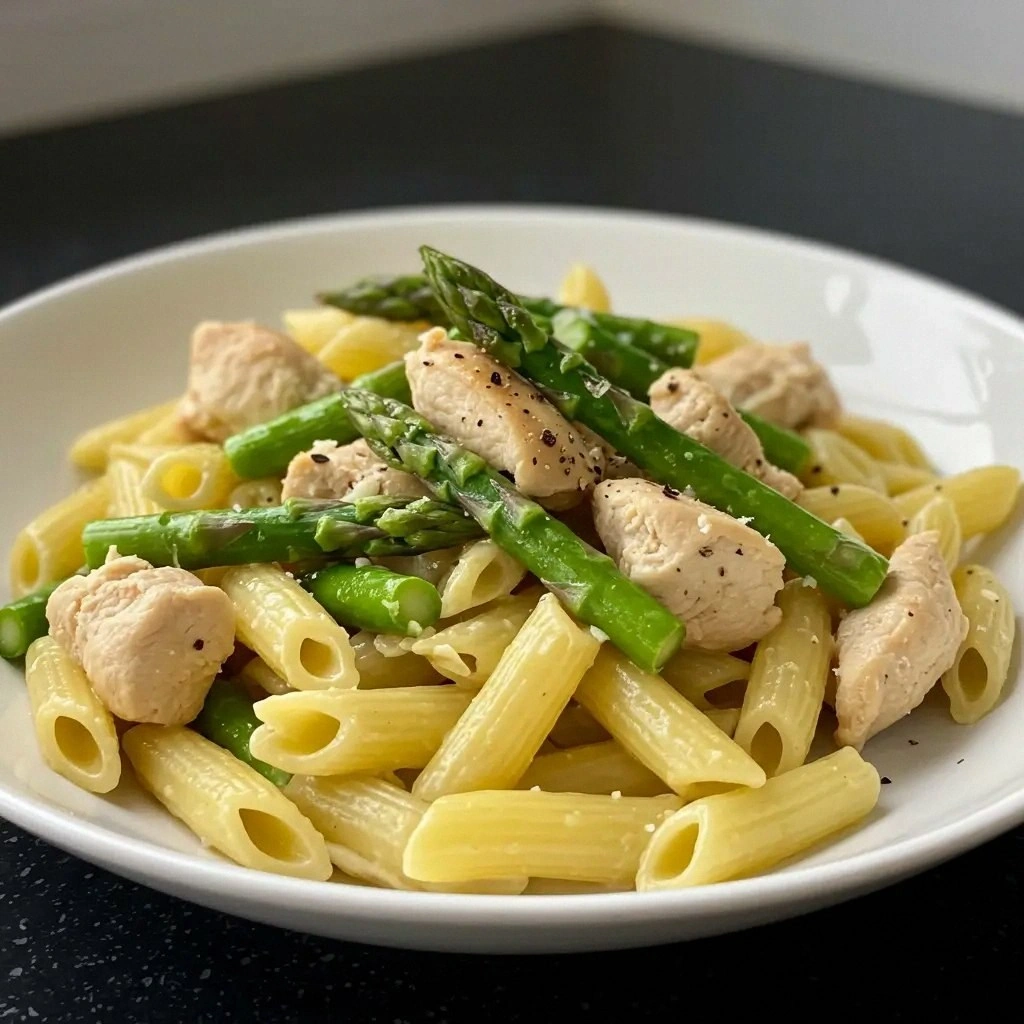
Picture the moment you lift the first forkful: the steam curls into the air, carrying a scent of garlic, lemon, and a whisper of parmesan that makes your mouth water. The pasta, cooked al dente, feels firm under the bite yet yields to the sauce’s silky embrace. The asparagus spears snap with a satisfying crunch, releasing a fresh, green burst that brightens the plate. The chicken, seasoned to a golden perfection, offers a savory depth that anchors the dish. This isn’t just a meal; it’s an edible symphony that plays on your tongue and leaves you craving a second chorus.
What sets this version apart isn’t just the ingredients—it’s the method, the timing, and the little secrets that elevate the dish from ordinary to unforgettable. I’ve spent hours tweaking the sauce’s consistency, the chicken’s sear, and the asparagus’s crispness until every element harmonized perfectly. The result is a dish that is both approachable for beginners and a revelation for seasoned cooks. I dare you to taste this and not go back for seconds; the balance of flavors and textures will have you reaching for more. If you’ve ever struggled to make pasta that feels like a gourmet experience, you’re not alone—and I’ve got the fix.
The secret to this recipe lies in the simple yet powerful combination of fresh, high-quality ingredients and precise cooking techniques. I’ve chosen a lean chicken breast for its clean flavor, fresh asparagus for its bright green color and crunch, and a light cream‑based sauce that delivers richness without heaviness. The sauce’s base—olive oil, garlic, chicken broth, lemon zest, and parmesan—creates a flavor foundation that is both bright and savory. I’ve also incorporated a splash of heavy cream to give the sauce a silky mouthfeel, and a touch of lemon juice to cut through the richness and add a refreshing lift. Every component is carefully measured, yet the recipe remains flexible enough to accommodate personal preferences.
I’ll be honest—I ate half the batch before anyone else got a taste, and that’s a confession only a true foodie would make. The dish’s appeal is not just in its taste but also in its visual allure: a swirl of golden sauce, specks of parmesan, and vibrant green spears of asparagus that stand out against the pale pasta. Imagine pulling this out of the oven, the whole kitchen smelling incredible, the steam rising like a gentle mist. Picture your guests’ faces lighting up as they taste the first forkful, and then again as they ask for seconds. This is hands down the best version you'll ever make at home.
If you’ve ever found that your pasta sauce feels thin or your chicken ends up dry, this recipe is a game‑changer. The next part? Pure magic. Stay with me here—this is worth it. By the end of this post, you’ll wonder how you ever made it any other way. Let me walk you through every single step, from the first sizzle to the final garnish, so you can recreate this masterpiece at home with confidence.
What Makes This Version Stand Out
- Taste: The sauce balances savory, buttery, and citrusy notes, creating a flavor profile that feels both comforting and sophisticated. The lemon zest and juice add a bright lift that cuts through the richness of the cream and parmesan. This harmony makes the dish memorable and satisfying.
- Texture: The pasta remains al dente, offering a firm bite, while the asparagus spears retain a crisp snap. The chicken’s sear locks in juices, resulting in a tender, juicy bite that contrasts beautifully with the pasta’s silkiness.
- Visual Appeal: The dish boasts a vibrant palette—green asparagus, golden sauce, and specks of parmesan. The presentation feels restaurant‑grade, making it perfect for dinner parties or a cozy night in.
- Ingredient Quality: Using fresh, seasonal produce and high‑quality cuts of chicken ensures the best flavor and texture. The recipe’s reliance on simple, honest ingredients means you can source everything from a local market.
- Ease of Execution: Despite its gourmet taste, the recipe is straightforward, requiring only basic kitchen tools and a few minutes of prep. The steps are designed to flow smoothly, reducing the chance of error.
- Make‑Ahead Potential: The sauce can be made a day ahead, and the dish can be reheated without losing its freshness. This makes it ideal for busy weeknights or meal prepping.
- Crowd‑Pleaser: The balanced flavors and textures appeal to both adults and kids, making it a versatile option for family dinners.
- Personal Touch: The recipe invites customization—add a splash of white wine, sprinkle chili flakes, or swap pasta shapes to suit your taste.
Inside the Ingredient List
The Flavor Base
Olive oil is the canvas that brings everything together. It carries the garlic’s aroma, the lemon’s brightness, and the parmesan’s depth. Without a generous splash, the sauce would taste flat. If you’re looking to reduce fat, substitute half the olive oil with a light cooking spray, but the flavor profile will shift slightly.
Garlic is the soul of this sauce. Minced cloves release their essential oils, creating a fragrant, slightly spicy undertone. Fresh garlic beats pre‑minced or powdered for a cleaner, more vibrant flavor. If you’re sensitive to garlic, you can reduce the amount to two cloves, but the dish will lose some depth.
Chicken broth adds body and a savory backbone to the sauce. It also helps deglaze the pan, lifting those golden browned bits that carry intense flavor. A low‑sodium version keeps the dish from becoming too salty. If you prefer a richer taste, use a homemade or store‑bought broth with a full umami profile.
Lemon zest and juice infuse the sauce with bright citrus notes that cut through the richness of cream and parmesan. The zest provides essential oils that elevate flavor, while the juice adds acidity. Use a fine grater for zest to avoid bitter white pith. The combination of zest and juice balances the dish’s richness and gives it a refreshing lift.
Parmesan cheese offers a salty, nutty depth and a silky texture when melted. It also provides a subtle umami kick that enhances the overall flavor. Freshly grated parmesan melts more smoothly than pre‑shredded. If you’re vegan, substitute with nutritional yeast for a similar savory note.
The Texture Crew
Pasta is the foundation of this dish. I recommend a medium‑width shape like fettuccine or penne to hold the sauce without getting overwhelmed. Cook it al dente to maintain a firm bite that pairs well with the creamy sauce. If you’re watching carbs, swap for a low‑carb pasta or spiralized zucchini.
Chicken breast is the protein that adds substance and flavor. Slice it into bite‑sized pieces to ensure even cooking and quick searing. Brining the chicken briefly in salt water can enhance juiciness, but it’s optional. For a smoky flavor, add a pinch of smoked paprika to the seasoning mix.
Asparagus brings a fresh green crunch that contrasts the soft pasta and chicken. Trim the woody ends and cut into 2‑inch pieces for even cooking. If you’re using older asparagus, blanch it first to soften the tough fibers. The asparagus’s bright color also adds visual appeal.
Heavy cream gives the sauce a luxuriously silky mouthfeel. It balances the acidity of lemon and the saltiness of parmesan. If you prefer a lighter sauce, use half‑and‑half or a plant‑based milk alternative, but the texture will differ.
Red pepper flakes add a subtle heat that awakens the palate. They’re optional, so feel free to adjust the amount based on your heat tolerance. A pinch can elevate the dish without overpowering the delicate flavors.
The Unexpected Star
Fresh parsley serves as a bright, herbal garnish that adds a final pop of color and a subtle herbal note. It also balances the richness of the sauce. Chop it finely to distribute evenly across the dish. A handful of chopped parsley adds a fresh finish that lingers on the palate.
A splash of white wine can deepen the sauce’s flavor profile, adding acidity and depth. If you’re not a fan of wine, simply omit it or replace it with extra broth. The wine’s subtle fruitiness complements the lemon and parmesan beautifully.
The Final Flourish
Salt and pepper are the final seasoning adjustments that tie everything together. Salt enhances each ingredient’s natural flavors, while pepper adds a gentle warmth. Taste as you go, and adjust to your preference. Remember that the parmesan already contributes salt, so be cautious with added salt.
A drizzle of extra‑virgin olive oil at the end adds sheen and a finishing touch of richness. It also helps the sauce cling to the pasta for a more cohesive bite. Use a small amount to avoid making the dish greasy.
Everything's prepped? Good. Let's get into the real action.
The Method — Step by Step
- Heat a large skillet over medium‑high heat and add 1 tablespoon of olive oil. Once the oil shimmers, add the sliced chicken breast in a single layer. Sear the chicken for about 3 minutes on each side until golden brown and cooked through, then remove it from the pan and set aside. The searing step locks in juices and builds flavor. While the chicken rests, keep the heat on medium to maintain the skillet’s temperature.
- In the same skillet, add the remaining 2 tablespoons of olive oil. Toss in the minced garlic and sauté for 30 seconds until fragrant, being careful not to burn it. Garlic’s aroma should fill the kitchen, signaling that the base is ready. This quick sauté releases the garlic’s essential oils, adding depth to the sauce. Once fragrant, add the asparagus pieces and cook for 4–5 minutes until they start to soften but still retain a slight crunch.
- Pour in the chicken broth, letting it bubble gently over the asparagus. Use a wooden spoon to scrape up any browned bits from the bottom of the skillet; these are flavor gold. Reduce the heat to medium-low and let the liquid simmer for 2 minutes, allowing the broth to reduce slightly. This step concentrates the flavors and creates a silky base for the sauce. The asparagus should be tender yet bright green.
- Add the heavy cream to the skillet and stir until the mixture begins to thicken. The cream should coat the back of a spoon without becoming too thick. This creates a rich, silky sauce that clings to the pasta. Let the sauce simmer for an additional minute, allowing the flavors to meld. The consistency should be glossy and pourable.
- Stir in the grated parmesan cheese, letting it melt into the sauce. The cheese adds a nutty flavor and a slight thickness. If the sauce seems too thick, add a splash of pasta water to reach desired consistency. The cheese should coat the pasta like a velvety blanket, not clump or separate.
- Return the seared chicken to the skillet, distributing it evenly among the asparagus. Let everything heat together for 2 minutes so the flavors combine. This step ensures the chicken is warmed through and infused with the sauce’s aroma. The chicken should look glossy and slightly translucent at the edges.
- Cook the pasta according to package instructions until al dente. Drain, reserving the starchy pasta water. Toss the pasta in the skillet with the sauce, ensuring each strand is coated. Finish with a squeeze of fresh lemon juice for brightness. Sprinkle chopped parsley and a final drizzle of olive oil before serving.
- Plate the pasta in shallow bowls, ensuring each portion has a generous amount of chicken, asparagus, and sauce. Garnish with additional parmesan and a few lemon zest curls for an extra pop of color. Serve immediately, perhaps with a side of crusty bread to soak up the remaining sauce. The dish should feel comforting yet sophisticated, a true crowd‑pleaser. Enjoy the moment of triumph as your guests savor the first bite.
That's it — you did it. But hold on, I've got a few more tricks that'll take this to another level.
Insider Tricks for Flawless Results
The Temperature Rule Nobody Follows
Cooking at the right temperature is critical for both the chicken and the asparagus. Use a thermometer to ensure the chicken reaches 165°F (74°C) without drying out. If the pan gets too hot, the chicken will brown quickly but become tough; if it’s too cool, the sauce may become watery. Keep the heat medium‑low when simmering the sauce to maintain a gentle, steady simmer.
Why Your Nose Knows Best
Smell the sauce as it cooks; it should have a buttery, garlicky aroma with a hint of lemon. If the scent becomes sharp or burnt, reduce the heat immediately. Your nose is a reliable indicator of doneness, so trust it to guide you through each step.
The 5‑Minute Rest That Changes Everything
Once the dish is plated, let it sit for 5 minutes before serving. This brief rest allows the sauce to thicken slightly and the flavors to meld. It also prevents the pasta from becoming soggy while you plate the rest of the dish. A quick pause makes the final bite more satisfying.
Use a Non‑Stick Skillet for Effortless Cleanup
A high‑quality non‑stick skillet reduces the need for extra oil and makes cleanup a breeze. It also ensures that the sauce doesn’t stick to the pan, allowing you to preserve the sauce’s silky texture. If you don’t have a non‑stick pan, simply add a bit more olive oil and keep the heat moderate.
Add a Splash of White Wine for Depth
If you love a touch of sophistication, deglaze the pan with a splash of dry white wine after sautéing the garlic. The wine’s acidity balances the richness of the cream and parmesan. Let the wine reduce by half before adding the broth to avoid overpowering the dish.
Keep the Chicken Warm with a Heat‑Proof Plate
When you’re ready to serve, place the chicken on a heat‑proof plate or a small warming drawer. This keeps the chicken from cooling down while you finish the rest of the dish. A warm plate also adds an elegant touch to the presentation.
Creative Twists and Variations
Sunset Shrimp Surprise
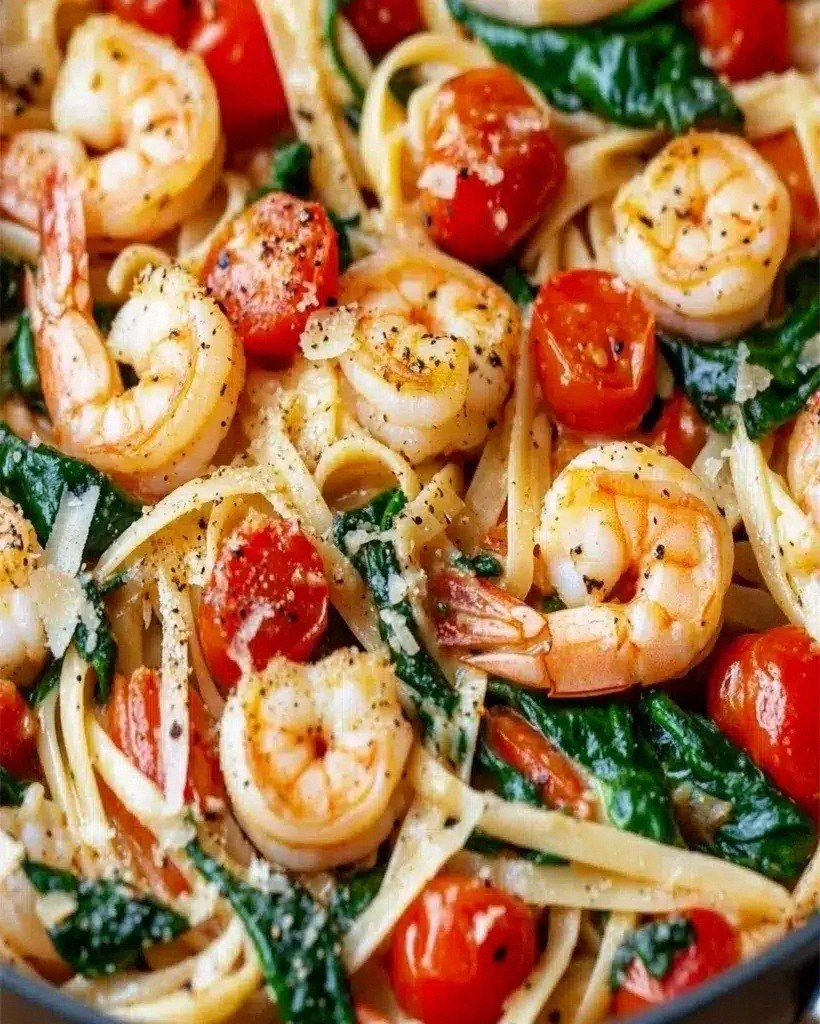
Swap the chicken for succulent shrimp, sautéed until pink. Add a pinch of smoked paprika for a smoky depth. The shrimp’s natural sweetness pairs beautifully with the lemon‑parmesan sauce, creating a vibrant, sunset‑colored dish that’s perfect for summer evenings.
Mediterranean Mushroom Medley
Replace asparagus with a mix of sautéed mushrooms and cherry tomatoes. The earthy mushrooms complement the creamy sauce, while the tomatoes add a burst of acidity. This variation feels like a hearty Mediterranean bowl, ideal for plant‑based diners.
Pesto Power Upgrade
Stir in a spoonful of basil pesto into the sauce for a herby, green twist. The pesto adds a layer of complexity and a fresh, aromatic finish. This version is especially refreshing during warmer months.
Spicy Cajun Kick
Add Cajun seasoning to the chicken before searing. Sprinkle a pinch of cayenne pepper into the sauce for heat. The spicy kick balances the creamy richness, creating a bold, flavorful dish that’s sure to impress.
Creamy Spinach Fusion
Fold in a handful of fresh spinach during the last minute of cooking. The spinach wilts into the sauce, adding a subtle green color and a boost of nutrients. This variation keeps the dish light yet filling.
Lemon‑Garlic Parmesan Crust
After cooking, sprinkle the top with a mixture of breadcrumbs, lemon zest, and parmesan. Broil for 2 minutes until golden and crispy. The crust adds a delightful crunch that contrasts the silky sauce.
Storing and Bringing It Back to Life
Fridge Storage
Store the dish in an airtight container for up to 3 days in the refrigerator. Separate the sauce from the pasta if possible to keep the noodles from becoming soggy. When ready to eat, reheat gently on the stove or in the microwave, stirring occasionally.
Freezer Friendly
For longer storage, freeze the dish in a freezer‑safe container for up to 2 months. Thaw overnight in the refrigerator before reheating. Reheat slowly over low heat, adding a splash of water or broth to restore moisture.
Best Reheating Method
The ideal way to revive the dish is to reheat it over low heat on the stove, stirring frequently. Add a tiny splash of water or broth to steam the pasta back to its original texture. Finish with a fresh sprinkle of parmesan and a squeeze of lemon to bring the flavors to life.