Picture this: I’m standing in my kitchen, a burnt batch of salmon on the counter, the smell of charred fish hanging like a bad perfume. I’m staring at the smoke alarm’s blinking light, feeling the sting of disappointment that only a true food lover can feel. That moment turned into a dare—“I’ll make the best salmon ever, and you’ll taste it before you even think about a second bite.” And so the quest for the ultimate lemon‑herb salmon began, fueled by a mix of culinary ambition and a little bit of kitchen mischief.
The first time I tried a lemon‑herb salmon recipe, the fish was dry, the herbs clumped together, and the lemon flavor was a faint whisper. I stared at the pan, the sizzle barely a hiss, and felt the frustration of a dish that didn’t live up to its promise. That failure taught me one hard truth: the right balance of acidity, oil, and herbs can transform a simple fillet into a symphony of flavors. Now, after countless tweaks, I’ve cracked the formula that delivers bold, zesty flavor every time.
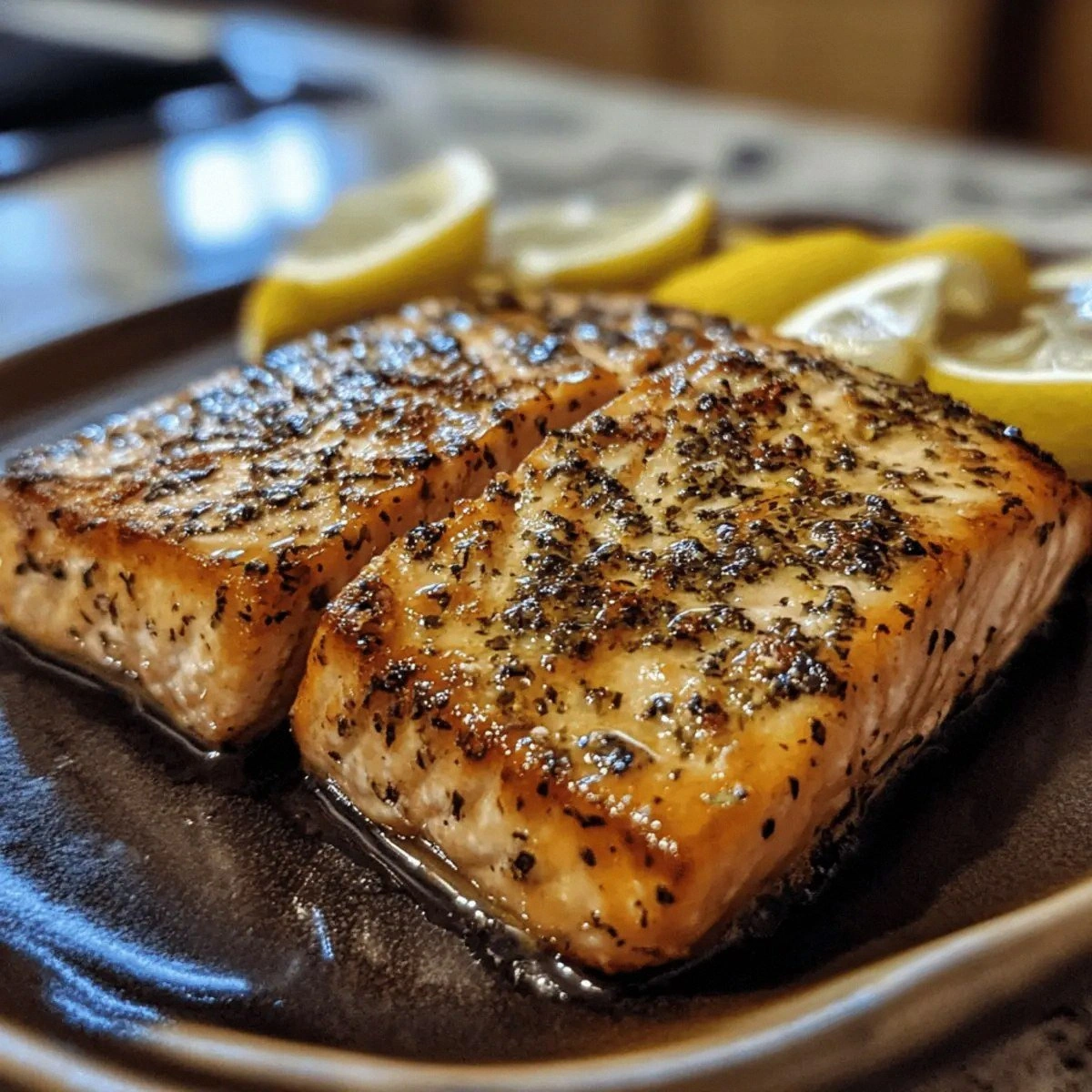
When you first cut into the fillet, you’ll see a pink center that glistens like a jewel. The aroma will burst with citrus and fresh rosemary, almost as if the kitchen is holding its breath. The first bite will melt the fish on your tongue, followed by a bright citrus tang that awakens the palate. The texture will be buttery on the inside, with a lightly crisp edge that shatters like thin ice.
I dare you to taste this and not go back for seconds. Most recipes get this completely wrong, but here’s what actually works: a simple coating of olive oil, a generous squeeze of lemon, and a sprinkle of fresh herbs. If you’ve ever struggled with salmon that feels like cardboard, you’re not alone—and I’ve got the fix. Let me walk you through every single step—by the end, you’ll wonder how you ever made it any other way.
What Makes This Version Stand Out
- Flavor: The lemon juice is the star, cutting through the richness of the salmon and leaving a lingering citrus note that doesn’t overpower the fish.
- Texture: The olive oil creates a silky coating that keeps the fillet moist while the pan sears a crisp, caramelized crust.
- Herb Harmony: Fresh rosemary and thyme add earthy depth, while parsley brightens the plate with a fresh, green finish.
- Simplicity: Only eight ingredients—no fancy sauces or obscure spices—make this a go‑to for any busy weeknight.
- Visual Appeal: The golden crust and bright citrus slices give the dish a professional look that’s Instagram‑ready.
- Make‑ahead Potential: The salmon can be marinated ahead of time, letting the flavors penetrate for up to 24 hours in the fridge.
- Allergy Friendly: No dairy or gluten, making it safe for most dietary restrictions.
- Time Efficiency: Prep in 10 minutes, cook in 15, and you’re ready to serve in under 30.
Inside the Ingredient List
The Flavor Base
The lemon juice is the backbone of this recipe. It brightens every bite, cuts through the fat, and adds a refreshing zing that keeps the dish from feeling heavy. If you skip it, you’ll end up with a bland, oily fish that’s missing its signature sparkle. For a sweeter citrus kick, you can substitute half orange juice, but keep the lemon to preserve the classic tang.
The Texture Crew
Olive oil is more than just a cooking medium; it’s a flavor carrier that locks moisture into the salmon. The oil’s polyphenols also help create a beautiful golden crust when the fillets hit the pan. A tablespoon of butter can replace the oil if you want a richer, more decadent texture, but the olive oil gives a healthier, Mediterranean feel. If you’re watching calories, a light spray of oil still works, though the crust will be less pronounced.
The Unexpected Star
Fresh rosemary and thyme aren’t just garnish—they’re the aromatic heart of the dish. Their resinous oils infuse the fish with an earthy undertone that balances the citrus. If you can’t find fresh herbs, dried ones are fine, but double the amount to compensate for the loss of potency. A pinch of crushed red pepper can add a subtle heat that pairs beautifully with the lemon.
The Final Flourish
Parsley and the remaining lemon slice finish the dish with a pop of color and a burst of freshness. The parsley’s bright green hue signals freshness to the eye, while the lemon slice offers a visual cue that the dish is zesty. If you’re serving a crowd, adding a sprinkle of toasted pine nuts or slivered almonds adds a nutty crunch that elevates the experience. Remember, the final garnish should complement, not overpower, the delicate balance of flavors.
Everything's prepped? Good. Let’s get into the real action and bring that bright, buttery salmon to life.
The Method — Step by Step
- Begin by patting the salmon fillets dry with paper towels. This simple step removes excess moisture and ensures a crisp sear. A dry surface allows the oil to create a golden crust instead of steaming the fish. While you do this, slice your lemon into wedges for later garnish.
- In a small bowl, whisk together the lemon juice, olive oil, minced garlic, rosemary, thyme, salt, and pepper. This mixture forms a bright, herbaceous coating that will cling to the fillets. The garlic adds a subtle warmth that balances the citrus sharpness. Let the mixture sit for a minute so the flavors mingle.
- Place a large skillet over medium‑high heat and let it preheat for two minutes. The pan needs to be hot enough that the fillets sizzle immediately upon contact. A hot surface seals the fish’s exterior, locking in juices and creating a delightful crust.
- Apply the herb mixture to both sides of each fillet, pressing gently so it adheres. The coating should look glossy and cling to the flesh. This is where the magic happens: the oil and herbs work together to form a flavor barrier. If you’re a perfectionist, let the fillets rest for 30 seconds before cooking to allow the coating to set.
- Add a splash of water to the skillet—just enough to create steam—and place the salmon skin side down. The steam helps keep the fish moist while the skin crisps up. Watch for the edges to lift and turn golden; this usually takes about 4‑5 minutes. Flip carefully to avoid tearing the fillet.
- Cook the salmon for an additional 3‑4 minutes on the other side until it reaches an internal temperature of 145°F (63°C). The fish should flake easily with a fork but still retain a slight translucence in the center. If you prefer a slightly pink center, reduce the cooking time by a minute.
- While the salmon rests, drizzle a little more lemon juice over the fillets. This adds a final burst of acidity that brightens the dish. The juice also creates a glossy sheen that makes the plate pop.
- Plate the salmon on warmed bowls, garnish with fresh parsley, and add a lemon wedge on the side. The garnish not only looks elegant but also offers an extra burst of citrus when you squeeze it over the fish. Serve immediately for the best texture and flavor.
That’s it—you did it. But hold on, I’ve got a few more tricks that will elevate this dish from good to unforgettable.
Insider Tricks for Flawless Results
The Temperature Rule Nobody Follows
Most cooks assume that medium heat is enough, but a higher temperature—around 400°F (204°C) on a gas stove—creates a caramelized crust in a fraction of the time. The key is to preheat the pan for a full minute before adding the salmon. A hot skillet also helps the oil separate from the fillet, reducing greasiness.
Why Your Nose Knows Best
Smell is a powerful cue for doneness. When the salmon releases a buttery, slightly caramelized scent, it’s a sign that the edges are crisping up. If the aroma is more like raw fish, it needs more time. Trust your nose, and you’ll never overcook again.
The 5-Minute Rest That Changes Everything
Letting the salmon rest for five minutes after cooking allows the juices to redistribute throughout the flesh. This prevents the fish from drying out when you cut into it. A short rest also gives the flavors time to settle, making every bite harmonious.
The Secret of Fresh Herbs
Fresh herbs contain essential oils that are volatile and can dissipate during cooking. Adding them at the end of the cooking process preserves their bright flavors. If you must add them earlier, cover the pan with a lid for the last minute to trap the aromatics.
The Perfect Lemon Slice
Slice the lemon at a slight angle to increase the surface area. This allows more juice to escape and coats the salmon more evenly. A thin slice also provides a delicate citrus note that doesn’t overpower the fish.
Creative Twists and Variations
This recipe is a playground. Here are some of my favorite ways to switch things up:
Spicy Pineapple Glaze
Swap the lemon juice for pineapple juice and add a dash of sriracha. The tropical sweetness balances the heat, while the pineapple’s natural sugars caramelize the crust. Serve over jasmine rice for a full‑satisfying meal.
Mediterranean Couscous Bowl
Serve the salmon atop a bed of herbed couscous, topped with diced cucumber, cherry tomatoes, and a drizzle of olive oil. The couscous absorbs the lemony sauce, creating a cohesive flavor profile that’s perfect for lunch.
Garlic‑Butter Fusion
Replace the olive oil with a butter‑garlic blend for a richer, more indulgent version. The butter adds depth, while the garlic enhances the savory notes. Finish with a squeeze of fresh lemon to cut through the richness.
Asian‑Inspired Sesame Crust
Dust the fillets with toasted sesame seeds and add a splash of soy sauce to the herb mixture. The sesame seeds provide a nutty crunch, and the soy sauce adds umami. Pair with steamed bok choy for a balanced meal.
Herb‑Infused Coconut Rice
Cook rice in coconut milk and stir in chopped cilantro and lime zest. The coconut milk gives the rice a creamy texture, while the lime zest complements the salmon’s citrus notes. This combo is both comforting and exotic.
Citrus‑Rosemary Quinoa
Swap the salmon for grilled shrimp and serve over lemon‑rosemary quinoa. The quinoa’s nutty flavor pairs beautifully with the citrus, while the shrimp adds a protein boost. Garnish with fresh basil for a fresh finish.
Storing and Bringing It Back to Life
Fridge Storage
Store leftovers in an airtight container for up to 3 days. Keep the salmon on a paper towel to absorb excess moisture, preventing sogginess. When you’re ready to eat, reheat in the oven at 350°F (177°C) for 10 minutes to revive the crispness.
Freezer Friendly
Wrap each fillet individually in parchment paper and place them in a freezer bag. Freeze for up to 2 months. Thaw overnight in the refrigerator before reheating to preserve texture.
Best Reheating Method
Add a splash of water or broth to the pan, cover, and reheat over low heat for 3–4 minutes. The steam keeps the fish moist and restores the buttery mouthfeel. Finish with a fresh squeeze of lemon to bring back that bright zing.