I still remember the night I nearly set the kitchen on fire while chasing a midnight craving for something comforting, something that could be whipped up in minutes yet still taste like it was simmered all day. I stared at the empty fridge, the pantry, the single can of diced tomatoes, and thought, “What if I could make a tomato‑bean skillet that feels like a hug from the inside?” The answer was simple: throw everything in a skillet, let the spices sing, and finish with a squeeze of lemon. The result was a dish that exploded with flavor, and I was hooked. I dare you to taste this and not go back for seconds.
Picture the scene: a bright, sunny kitchen, the scent of garlic sizzling in olive oil, the gentle clink of a spoon against a metal pan. The tomatoes release their sweet juices, mingling with the earthy beans and the sharp bite of cumin. Your ears catch the subtle crackle as the onion caramelizes, and your taste buds are already anticipating the smoky paprika. The texture is a dance of smooth tomato sauce and hearty beans, with a splash of lemon brightening everything like a citrus sunrise. If you’ve ever struggled with bland bean dishes, you’re not alone — and I’ve got the fix. This is hands down the best version you’ll ever make at home.
What makes this skillet stand out is not just the ingredients; it’s the way they’re coaxed into a single, harmonious flavor profile. I’ve spent years tweaking the balance between smoky, spicy, and bright, and this recipe is the culmination of that quest. It’s quick, it’s wholesome, and it feels like a meal that could be served at any table, from casual family dinner to a dinner party that impresses. The next few sections will walk you through every single step, revealing the secrets that make this dish sing. By the end, you’ll wonder how you ever made it any other way.
So grab your skillet, your favorite can of beans, and let’s dive into a cooking adventure that feels both familiar and wildly inventive. I promise, the journey is as delightful as the destination. Let me walk you through every single step — by the end, you'll wonder how you ever made it any other way.
What Makes This Version Stand Out
- Flavor: The combination of smoked paprika and cumin creates a depth that turns ordinary beans into a gourmet experience.
- Texture: The beans stay plump while the tomato sauce thickens to a silky consistency that coats the skillet.
- Speed: Every step takes less than 30 minutes from start to finish, making it perfect for busy weeknights.
- Versatility: Serve it over rice, pasta, or crusty bread, or use it as a hearty base for tacos.
- Freshness: A squeeze of lemon and a sprinkle of fresh herbs add a bright finish that lifts the entire dish.
- Nutrition: Packed with protein, fiber, and healthy fats, this skillet feels indulgent without the guilt.
- Make‑ahead: The flavors deepen when stored, so you can prepare a batch ahead and reheat for a quick meal.
- Crowd‑pleaser: Even the most skeptical eaters are won over by the bold, comforting taste.
Alright, let's break down exactly what goes into this masterpiece…
Inside the Ingredient List
The Flavor Base
The diced tomatoes are the backbone of this dish; they provide acidity and a natural sweetness that counterbalances the earthy beans. If you’re using fresh tomatoes, simmer them until they break down into a sauce, but canned tomatoes keep the process fast. Skipping the tomatoes will leave the dish flat, so keep them in. For a richer flavor, choose San Marzano or a high‑quality brand.
The olive oil is the medium that brings everything together. It carries the spices and gives the skillet a silky coating. A light drizzle is enough; too much oil can swamp the flavors. If you’re watching calories, replace half the oil with vegetable broth.
The Texture Crew
The mixed beans add body and protein. They absorb the sauce’s flavors, creating a satisfying bite. Use a combination of black beans, kidney beans, and chickpeas for variety, or stick to one for a simpler version. Rinsing the beans before cooking removes excess sodium and improves texture.
The onion is the aromatic foundation. Dice it finely so it softens quickly and releases its sweet notes. A small pinch of salt during sautéing helps draw out moisture, preventing a watery skillet.
Garlic is essential for depth. Mince the cloves finely so they infuse quickly. Be careful not to burn the garlic; once it turns golden, add the tomatoes to avoid bitterness.
The Unexpected Star
Red pepper flakes are optional, but they add a subtle heat that keeps the dish from feeling one‑dimensional. If you prefer a milder version, simply leave them out. For a smoky twist, substitute smoked paprika with chipotle powder, but adjust the amount to avoid overpowering.
Fresh cilantro or parsley brightens the dish like a fresh breeze. Chop them finely and sprinkle them on top just before serving. They also add a touch of color that makes the skillet visually appealing.
The Final Flourish
The lemon wedge is the secret to a bright finish. Squeeze it over the skillet right before serving to add a burst of acidity that cuts through the richness. A small amount of lemon zest can also be added during cooking for deeper citrus notes.
Crumbled feta or avocado is optional but highly recommended. Feta adds saltiness and a creamy texture, while avocado provides a buttery finish. Sprinkle them on top just before serving to keep their textures intact.
Everything's prepped? Good. Let's get into the real action…
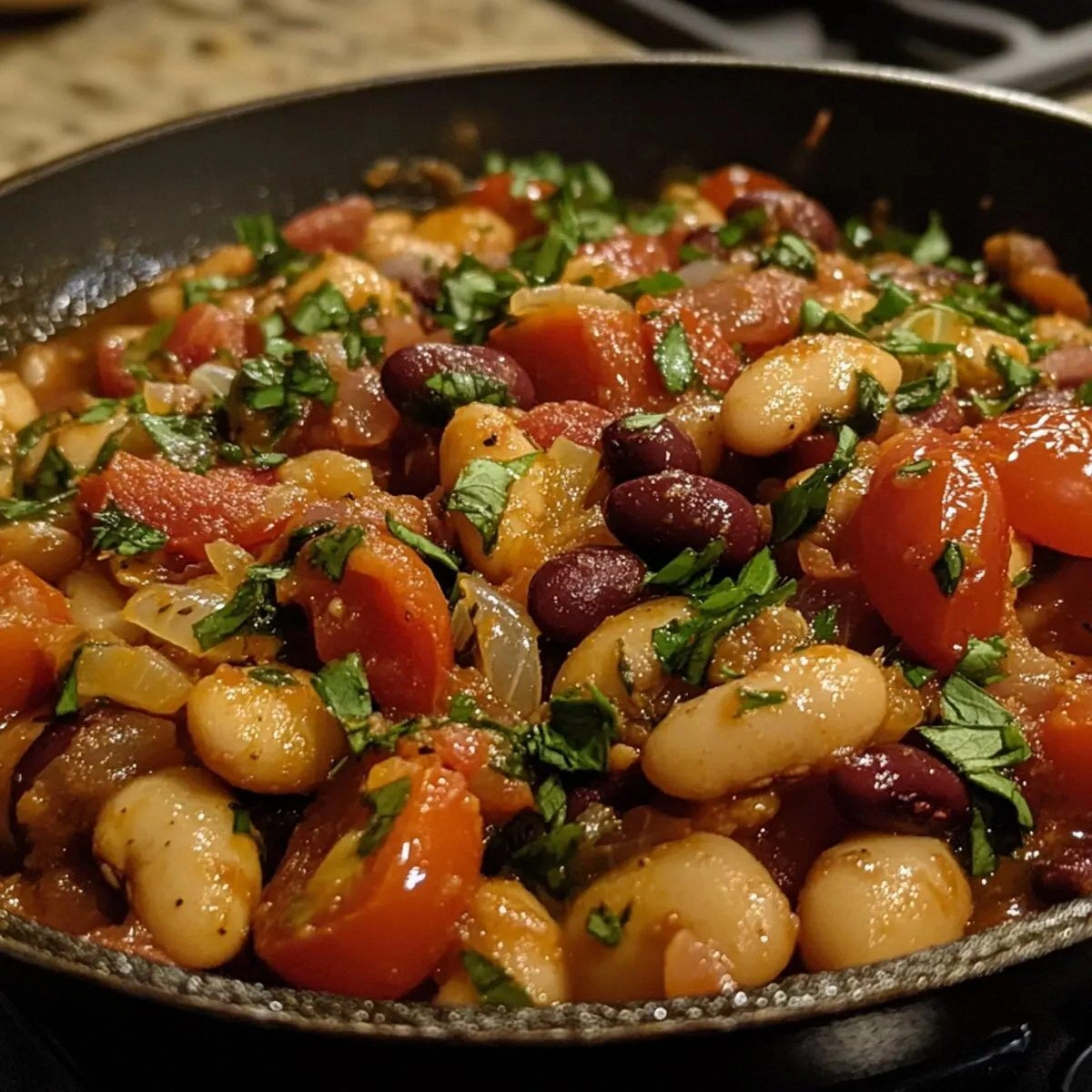
The Method — Step by Step
- Step 1: Heat the skillet over medium heat and add the olive oil. Once the oil shimmers, add the diced onion. Sauté until the onion turns translucent and starts to caramelize, about 5 minutes. The aroma should be sweet and inviting, signaling the base is ready. This is the moment where the skillet becomes a canvas for flavor.
- Step 2: Add the minced garlic to the skillet. Cook for 30 seconds until fragrant, stirring constantly to avoid burning. A quick, bright burst of garlic sets the stage for the spices. The sizzling sound is a subtle cue that you’re on the right track. Don’t let the garlic brown, or you’ll introduce bitterness.
- Step 3: Sprinkle in the smoked paprika and cumin. Stir for 10 seconds so the spices toast slightly, releasing their oils. The skillet should emit a warm, earthy aroma that hints at the depth to come. This is the flavor foundation that will carry the rest of the ingredients. I dare you to smell it before the tomatoes hit.
- Step 4: Pour in the canned diced tomatoes, including the juice. Stir to combine with the spices and onion mixture. Bring the mixture to a gentle simmer. The tomatoes should start to break down, creating a thick, glossy sauce. This step is crucial; it’s where the base turns into a flavorful liquid.
- Step 5: Add the mixed beans, rinsed and drained. Stir to coat the beans in the sauce. Let the mixture simmer for 10 minutes, allowing the beans to absorb the flavors. The texture should be hearty but not mushy. The aroma at this point is intoxicating, a promise of what’s to come.
- Step 6: Season with salt, black pepper, and optional red pepper flakes. Taste and adjust. The seasoning should be balanced, not overpowering. This is the moment of truth; if the seasoning feels off, you can always tweak it at this stage.
- Step 7: Reduce the heat to low, cover, and let it simmer for another 5 minutes. This allows the flavors to meld together. The sauce should thicken slightly, coating the beans like a velvet blanket. Keep an eye on the skillet; the edges should not stick to the pan.
- Step 8: Squeeze the lemon wedge over the skillet, stir, and taste. The acidity should brighten the dish, cutting through the richness of the beans and spices. Finish by sprinkling fresh herbs and optional feta or avocado on top. The final touch should look vibrant and appetizing.
That’s it — you did it. But hold on, I’ve got a few more tricks that will take this to another level…
Insider Tricks for Flawless Results
The Temperature Rule Nobody Follows
Cooking at the right temperature is key to preventing the sauce from becoming too watery or the beans from over‑softening. Keep the skillet on medium heat until the onions are translucent, then reduce to low once the tomatoes are added. This gentle simmer allows the flavors to develop without losing moisture. A common mistake is to keep the heat high, which dries out the sauce and creates a sticky mess.
Why Your Nose Knows Best
Trust your nose as a flavor guide. If the aroma feels flat, it’s time to add more spices or a splash of broth. The scent of cumin and paprika should be unmistakable before the tomatoes hit. If you notice a bitter note, you’ve likely burnt the garlic or spices; remove the skillet from heat immediately and start over.
The 5‑Minute Rest That Changes Everything
After cooking, let the skillet rest for five minutes before serving. This small pause allows the sauce to settle, making it easier to spoon out and ensuring the beans stay moist. It also lets the lemon’s acidity mellow, creating a more balanced finish. I’ve seen people rush to serve right away, only to find the dish too hot and watery.
Use Fresh Herbs for a Color Pop
Fresh cilantro or parsley not only adds a burst of color but also a fresh, slightly citrusy flavor that lifts the dish. Add them at the end of cooking to preserve their bright green hue. If you’re using dried herbs, add them earlier to allow the flavors to bloom, but be cautious with the quantity.
Optional Feta for Creaminess
Crumbled feta introduces a salty, tangy creaminess that contrasts beautifully with the tomato base. If you’re vegan, replace it with diced avocado for a similar mouthfeel. Both options should be added just before serving to keep their texture intact.
Creative Twists and Variations
This recipe is a playground. Here are some of my favorite ways to switch things up:
Spicy Chipotle Version
Swap smoked paprika for chipotle powder and add a splash of chipotle adobo sauce. The result is a smoky, smoky heat that pairs well with corn tortillas. Ideal for taco nights.
Herb‑Infused Mediterranean
Add oregano, thyme, and a splash of red wine to the tomato base. Finish with chopped sun‑dried tomatoes and a sprinkle of olives. This variation brings a Mediterranean vibe to the skillet.
Sweet & Tangy Pineapple Twist
Stir in diced pineapple and a dash of brown sugar after the tomatoes are added. The sweet fruit balances the acidity, creating a tropical flavor profile. Great for a summer brunch.
Protein Boost with Chickpeas
Replace the mixed beans with a single variety of chickpeas for a lighter texture. Add a pinch of garam masala for an Indian flair. The chickpeas absorb the spices beautifully.
Low‑Calorie Option
Use a can of diced tomatoes with no added salt and replace olive oil with a splash of vegetable broth. The dish remains flavorful while cutting calories. Perfect for a diet‑friendly dinner.
Vegan Creamy Finish
Finish with a spoonful of coconut cream or cashew cream instead of feta. The richness will mimic the creaminess of cheese while keeping it dairy‑free. A delightful twist for vegans.
Storing and Bringing It Back to Life
Fridge Storage
Store the skillet in an airtight container in the refrigerator for up to 4 days. The flavors will deepen, making it even tastier the next day. When reheating, add a splash of water or broth to keep the sauce moist.
Freezer Friendly
Freeze individual portions in freezer‑safe containers for up to 3 months. Thaw overnight in the fridge before reheating. The texture remains firm, and the sauce stays silky.
Best Reheating Method
Reheat on low heat, stirring occasionally, until warmed through. A tiny splash of water or broth helps the sauce rehydrate. Finish with fresh herbs to bring back the vibrant aroma.