I was halfway through a frantic dinner prep when the kitchen clock began to tick like a metronome of impending disaster. A can of tuna, a splash of Greek yogurt, and a handful of celery stared at me from the pantry like a challenge. I thought, “Why not turn this into something that tastes better than the last week’s leftovers?” The result was a salad that turned a bland pantry staple into a bright, protein‑rich delight. If you’ve ever stared at a tuna can and imagined a gourmet masterpiece, this recipe is your answer.
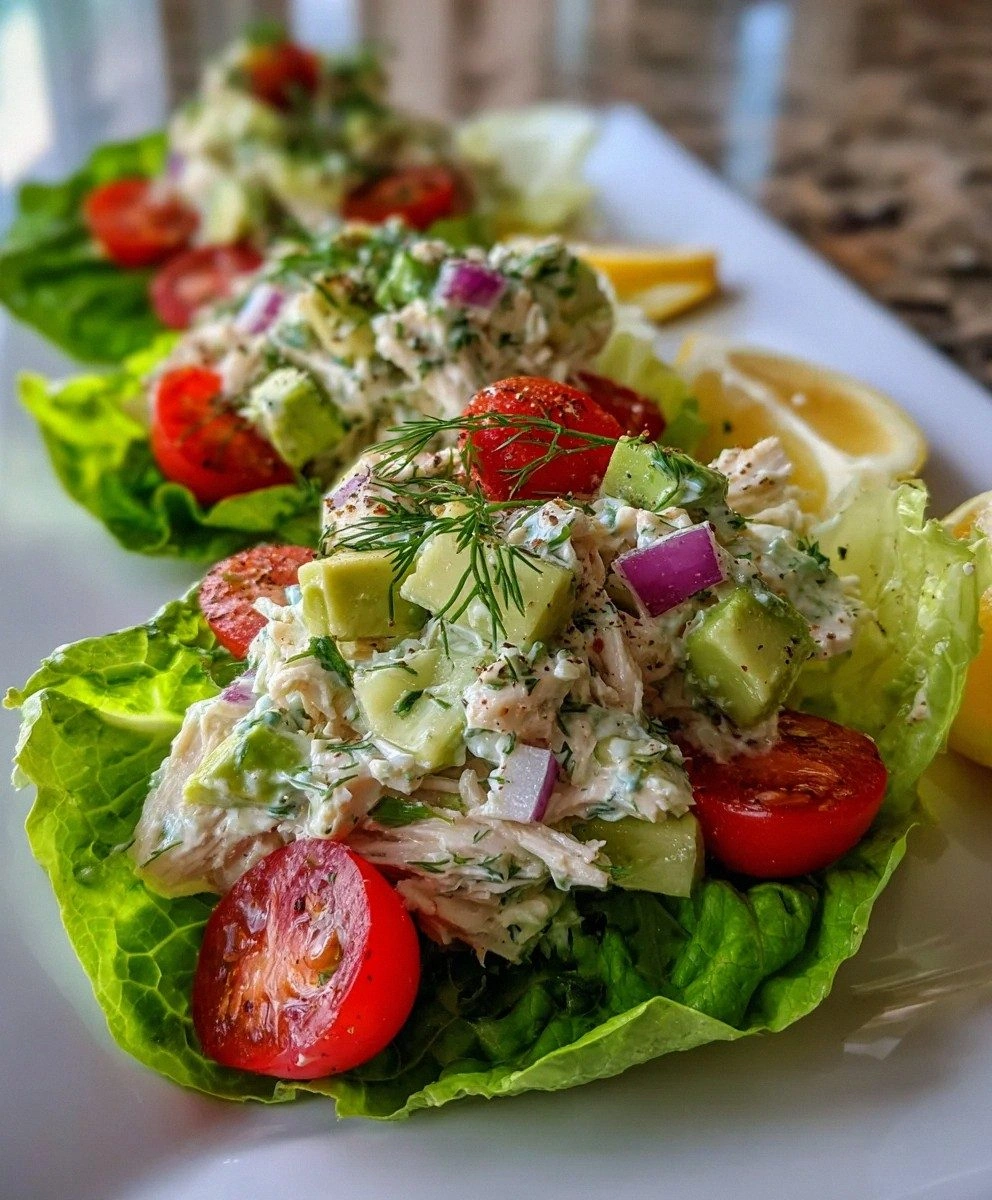
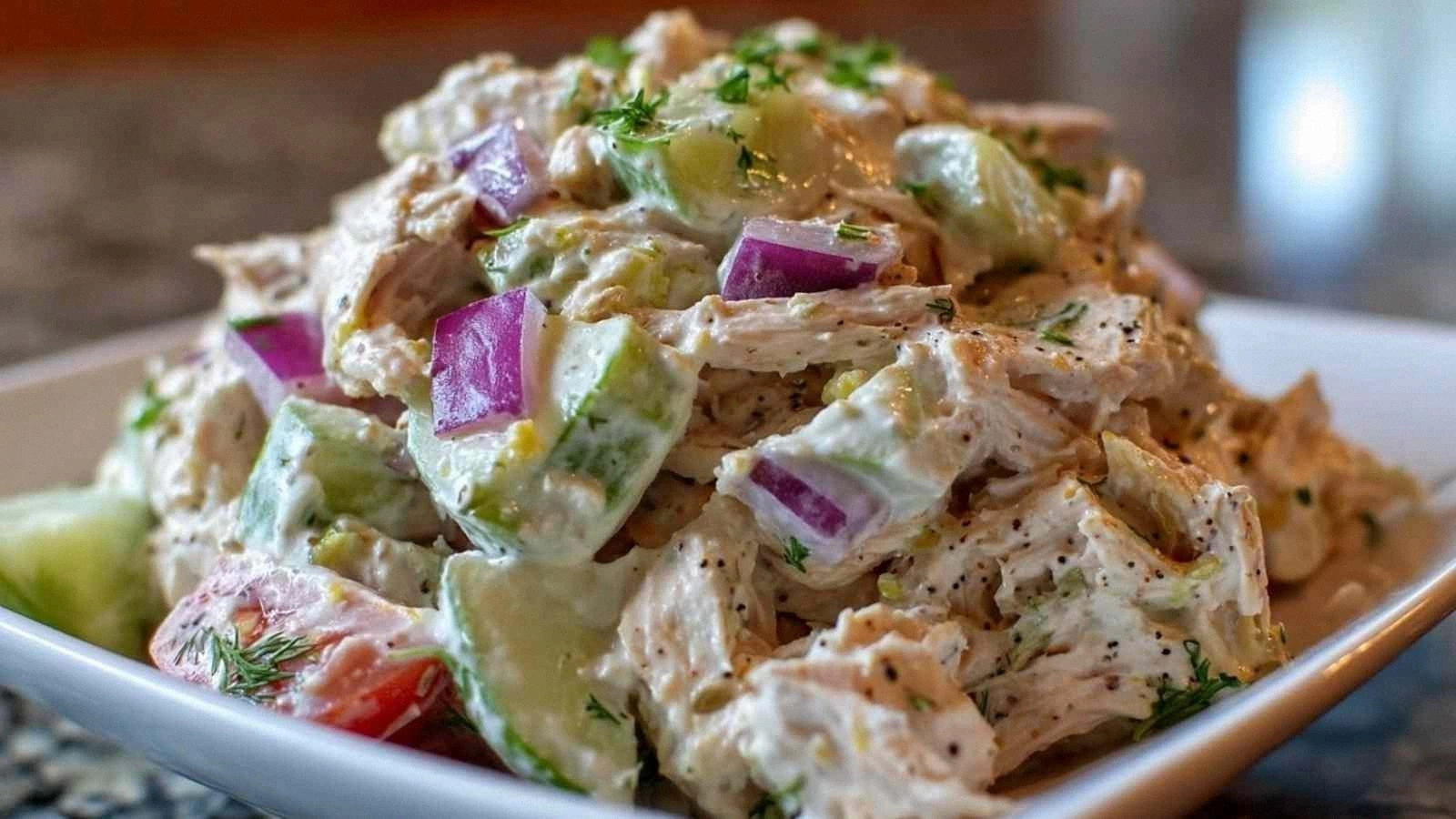
The first thing you notice is the aroma—fresh dill mingles with the subtle tang of yogurt, creating a scent that feels like a Mediterranean breeze. The visual appeal is simple yet striking: a creamy, pale base studded with crunchy celery and bright red onion. When you take a bite, the texture is a harmonious mix of silky dressing and crisp vegetables, all balanced by the flaky tuna. The flavors dance: a whisper of mustard, a hint of pepper, and the herbaceous lift of dill. It’s the kind of dish that makes you forget you’re eating a salad.
What sets this version apart from the countless tuna salads floating around the internet is its commitment to freshness and balance. I replaced mayo with Greek yogurt to cut fat while boosting protein and adding a silky mouthfeel that coats the tuna like velvet. The dill isn’t just a garnish; it’s a flavor engine that elevates the whole dish. The mustard brings a subtle kick that cuts through the richness, and the celery keeps the salad from becoming a mushy mush. This isn’t just another side dish; it’s a statement that even simple ingredients can shine.
There’s a trick I discovered that I’ll never share with anyone who doesn’t want to taste this again—drain the tuna like you’re extracting liquid gold, and let it sit for a minute so it absorbs the dressing’s nuance. I dare you to taste this and not go back for seconds. The first bite is a revelation: creamy, herby, and perfectly seasoned. By the end, you’ll wonder how you ever made it any other way. Let me walk you through every single step—by the end, you’ll wonder how you ever made it any other way.
What Makes This Version Stand Out
- Taste: The combination of Greek yogurt and Dijon mustard creates a creamy, tangy base that feels indulgent yet light. The fresh dill adds a bright herbal note that cuts through the richness. This flavor profile is a game‑changer compared to the bland, mayo‑laden salads you’ve probably tried.
- Texture: The crisp celery and diced red onion give the salad a satisfying crunch that contrasts with the silky dressing. The tuna flakes remain airy, not dense, thanks to the careful draining step. The result is a salad that feels like a salad and a snack all at once.
- Simplicity: Only six core ingredients are needed, none of which require special preparation. You can whip this up in under five minutes, making it the perfect solution for a busy weekday or a last‑minute gathering.
- Uniqueness: The use of Greek yogurt instead of mayo is a subtle twist that transforms the dish. The dill and mustard create a flavor harmony that feels fresh, almost like a Mediterranean picnic in a bowl.
- Crowd Reaction: Friends who’ve tried the classic tuna salad often remark that this version is “hands down the best you’ll ever make at home.” The salad’s bright flavors and vibrant colors make it a hit at potlucks and family dinners alike.
- Ingredient Quality: Fresh, high‑quality tuna and fresh dill are the secret to the dish’s bright taste. Choosing a light‑weight Greek yogurt with a thick, creamy texture ensures the salad stays moist without becoming greasy.
- Cooking Method: No cooking is required, so you preserve the integrity of the fresh ingredients. The only “cooking” step is the gentle folding of the dressing, which is purely mechanical.
- Make‑ahead Potential: The salad can be prepared up to 24 hours in advance, making it an excellent make‑ahead option for weekend brunches or dinner parties.
Inside the Ingredient List
The Flavor Base
Greek yogurt is the backbone of this salad, providing creaminess without the heaviness of mayonnaise. It also adds a subtle tang that brightens the overall profile. If you prefer a tangier version, choose a Greek yogurt with a slightly higher acidity or add a splash of lemon juice. Skipping yogurt would leave the salad dry and lack the silky coating that makes each bite memorable.
The Texture Crew
Celery adds a refreshing crunch that keeps the salad from becoming soggy. Diced red onion brings a mild sharpness that balances the richness of the yogurt. Together, these vegetables create a textural contrast that satisfies the palate. If you’re allergic to onions, finely chopped green onions can serve as a milder alternative.
The Unexpected Star
Fresh dill is the unsung hero that elevates this dish. Its bright, slightly citrusy flavor cuts through the richness and adds a herbal lift that feels almost celebratory. A tablespoon of dill is enough to transform the entire salad, so don’t be afraid to use it generously. If dill isn’t available, a pinch of fresh parsley can provide a similar aromatic lift.
The Final Flourish
Dijon mustard is the secret ingredient that gives the salad a subtle kick. It also helps emulsify the dressing, creating a smooth, cohesive mixture. A teaspoon is all you need; adding more will overpower the delicate flavors. Salt and black pepper are added to taste, ensuring the final dish is well‑seasoned and balanced.
Everything's prepped? Good. Let's get into the real action...
The Method — Step by Step
- Drain the tuna thoroughly in a fine‑mesh sieve for 30 seconds, then pat it dry with a paper towel. This step is crucial because excess liquid can dilute the dressing and make the salad watery. If you skip this, the salad will lose its creamy texture and become mushy. The tuna should feel slightly dry to the touch, ready to absorb the yogurt.
- In a medium bowl, whisk together the Greek yogurt, Dijon mustard, a pinch of salt, and freshly ground black pepper until the mixture is silky smooth. The whisking action helps the mustard emulsify with the yogurt, creating a cohesive base that coats every ingredient. The dressing should have a creamy, velvety consistency, not runny or lumpy. Taste for seasoning; you’ll want a balanced, bright flavor.
- Add the drained tuna to the yogurt dressing, gently folding to coat each flake. The tuna should be evenly encrusted, like a subtle snowfall over a fresh landscape. This folding step is gentle; you’re not mixing aggressively, just ensuring the tuna is fully coated. The goal is a uniform distribution of flavor.
- Stir in the diced celery, minced red onion, and chopped dill. These ingredients add crunch, brightness, and a herbal lift that cuts through the richness of the yogurt. Make sure each vegetable is evenly distributed; you want a bite that showcases all flavors. If you prefer a milder onion flavor, reduce the amount or use scallions instead.
- Taste the mixture and adjust seasoning if necessary, perhaps a dash more pepper or a touch more salt. This is the moment of truth: the flavors should be balanced, not one-sided. If the salad feels a bit flat, a squeeze of fresh lemon juice can brighten it further. Remember, you can always add more, but you can’t remove it.
- Cover the bowl with cling film and refrigerate for at least 15 minutes to let the flavors meld. The chill also enhances the salad’s texture, giving it a refreshing bite. If you’re in a hurry, a 5‑minute chill will suffice, but a longer rest deepens the flavor. Keep the salad in an airtight container to preserve its freshness.
- Before serving, give the salad a quick stir and, if desired, drizzle a few drops of extra‑virgin olive oil for a glossy finish. The oil adds a silky sheen that makes the dish feel gourmet. Serve chilled on a bed of mixed greens, on toasted baguette slices, or as a filling for a light sandwich. The salad’s versatility makes it a crowd‑pleaser at any gathering.
That's it — you did it. But hold on, I've got a few more tricks that'll take this to another level...
Insider Tricks for Flawless Results
The Temperature Rule Nobody Follows
Keep your Greek yogurt at room temperature for 10 minutes before mixing. Cold yogurt can curdle when combined with mustard, leading to a lumpy dressing. Letting it sit out slightly softens the texture, ensuring a smooth, velvety base. I’ve seen even the most seasoned cooks forget this simple step, which is why it matters.
Why Your Nose Knows Best
Before adding the dill, sniff it to ensure it’s fresh and aromatic. A dull or stale dill will taste flat and ruin the salad’s bright character. Fresh dill should smell like a burst of green citrus. If it doesn’t, replace it with fresh parsley or basil for a similar lift.
The 5-Minute Rest That Changes Everything
After folding in the tuna, let the salad sit for exactly five minutes before adding the vegetables. This brief rest allows the tuna to absorb the yogurt dressing, enhancing flavor distribution. It also gives the mustard time to emulsify fully, preventing separation. A friend once skipped this step and ended up with a salad that tasted like a raw yogurt dump.
The Secret to a Crisp Finish
If you want a crisp finish, toast the celery in a dry skillet for 1–2 minutes before adding it to the salad. This subtle caramelization adds a nutty note that complements the creamy base. Just be sure to cool the celery before folding it in, or the heat will steam the other ingredients. This trick is perfect for a summer picnic.
The Perfect Portion Balance
Use a 1‑cup measuring cup for the yogurt to ensure you’re not over‑dressing the salad. Too much dressing will drown the tuna and vegetables, while too little will leave the salad dry. I’ve found that a ½‑cup yogurt works best for a single serving, scaling up from there. The key is consistency across servings.
The Final Touch of Flavor
A squeeze of fresh lemon juice just before serving brightens the entire dish and adds a pop of acidity. It also helps balance the richness of the yogurt. Use a small, chilled glass to avoid diluting the flavor. This step is optional but highly recommended for a professional finish.
Creative Twists and Variations
This recipe is a playground. Here are some of my favorite ways to switch things up:
Mediterranean Crunch
Swap the celery for diced cucumber and add a handful of Kalamata olives for a briny kick. The cucumber brings a cool, crisp texture while the olives add depth. Serve over a bed of spinach for a nutrient‑dense meal. This variation is perfect for a light lunch on a hot day.
Spicy Kick
Add a pinch of crushed red pepper flakes to the dressing for a subtle heat. The pepper’s bite contrasts with the creamy base, creating a dynamic flavor profile. Pair it with whole‑grain crackers for a satisfying snack. This version is ideal for those who like a little heat.
Avocado Cream
Mince a ripe avocado and fold it into the yogurt dressing for extra creaminess. The avocado’s buttery texture replaces some of the yogurt, reducing fat while maintaining richness. Add a squeeze of lime for brightness. This variation makes the salad more filling and perfect for brunch.
Protein Boost
Add a scoop of protein powder (unflavored or vanilla) to the dressing for an extra protein punch. The powder dissolves well, giving the salad a subtle, smooth texture. Pair it with a side of quinoa for a complete meal. This version is great for post‑workout recovery.
Herb Explosion
Combine fresh dill with chopped mint and parsley for a herby explosion. The mint adds a cool, refreshing note while the parsley grounds the flavors. This blend works beautifully with a squeeze of lemon. Serve it over a bed of mixed greens for a fresh, vibrant dish.
Savory Breakfast
Serve the salad as a filling for a breakfast sandwich on a toasted English muffin. The creamy dressing pairs well with a fried egg for a protein‑rich start to the day. Add a sprinkle of paprika for a smoky undertone. This twist turns the salad into a hearty, satisfying breakfast.
Storing and Bringing It Back to Life
Fridge Storage
Store the salad in an airtight container in the refrigerator for up to 3 days. Keep the dressing separate until you’re ready to serve to preserve the crispness of the celery and onion. The salad will remain fresh and flavorful if kept chilled. When ready, give it a quick stir and add a splash of water if it seems dry.
Freezer Friendly
The salad can be frozen for up to 2 weeks, but it’s best kept in a freezer‑safe container with a tight seal. When thawing, let it sit in the refrigerator overnight. The texture may become slightly softer, but the flavor remains intact. Add a few fresh herbs before serving for a bright finish.
Best Reheating Method
Since the salad is best served cold, reheating isn’t recommended. If you must, gently warm the salad in a microwave for 15 seconds, then stir in a splash of water to restore moisture. Avoid overheating, as this can cause the yogurt to curdle. The result is a slightly warm, creamy salad that still feels fresh.