I was staring at a burnt batch of pork belly that had turned my kitchen into a smoky art exhibit. The aroma was less “delicious” and more “charred tragedy.” I swore I’d never again trust a recipe that left me with a greasy mess and a guilty conscience. Then I stumbled across a recipe that promised a crisp, caramelized exterior and a melt‑in‑your‑mouth interior, all while keeping the calorie count respectable.
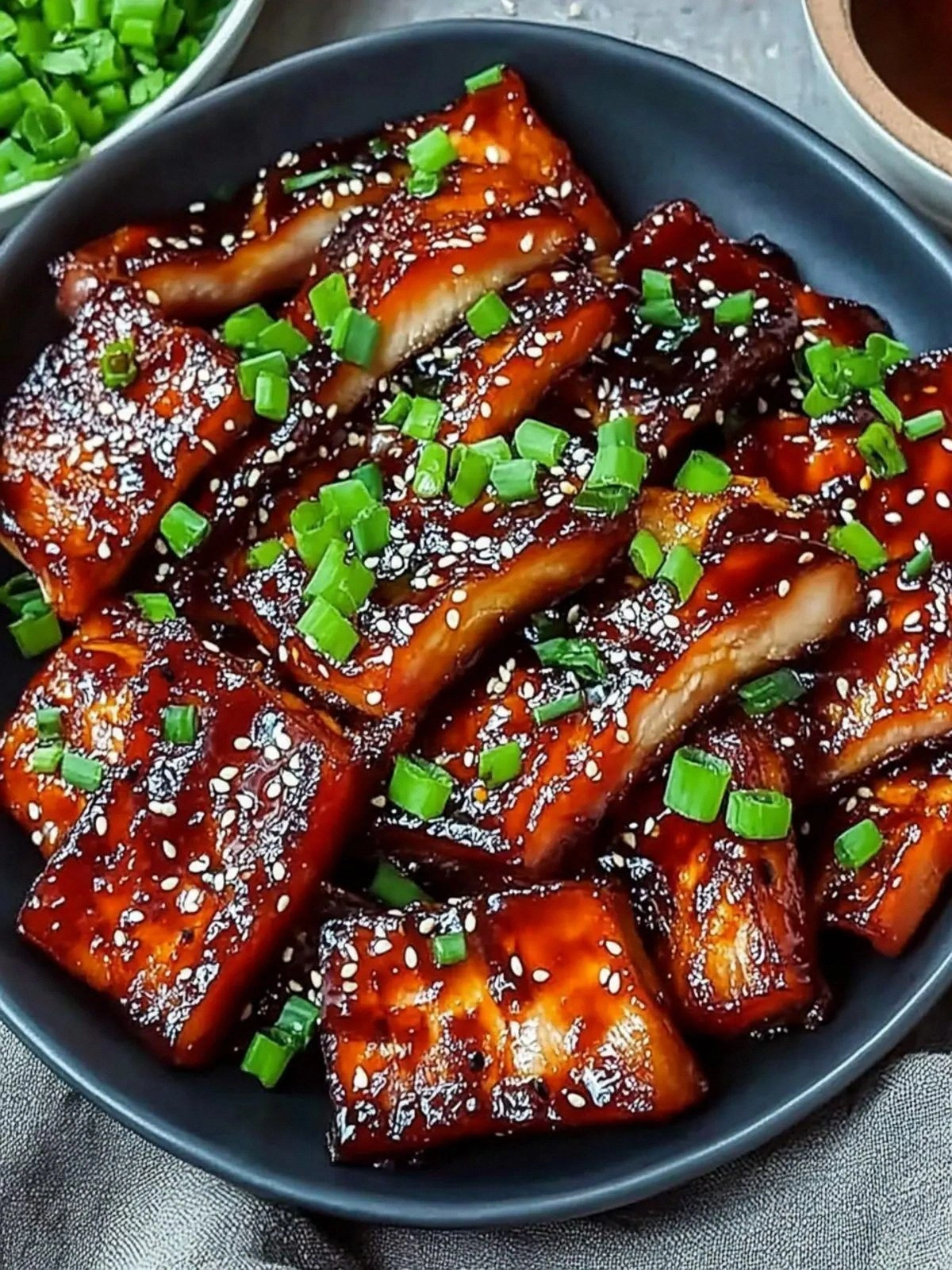
Picture this: a sizzling skillet, the pork belly skin cracking like brittle paper, the sweet scent of honey and gochujang mingling with the sharp tang of sesame oil. The sound of the pan is a rhythmic drumbeat, each sizzle a promise of flavor. You can almost taste the smoky char before you even take a bite. The texture is a contrast of crunchy edges and tender, silky fat, and the finish is that unforgettable, glossy sheen that makes you want to press the lid back on the pan to keep the heat trapped.
What sets this version apart isn’t just the balance of sweet, salty, and spicy. It’s the meticulous layering of sauces and the subtle heat of gochugaru that gives it a depth you can’t get from a single ingredient. The pork belly is sliced thin enough to render just enough fat to coat the surface, then seared until it’s a golden‑brown masterpiece. The sauce doesn’t just coat; it permeates, turning each bite into a burst of umami that lingers long after the last forkful.
I’m not just talking about taste; I’m talking about the entire sensory experience. From the first sizzle to the final garnish of toasted sesame seeds, every moment feels intentional. If you’ve ever wondered how to make pork belly that’s both indulgent and manageable, this is the recipe you’ve been waiting for. Let me walk you through every single step — by the end, you’ll wonder how you ever made it any other way.
What Makes This Version Stand Out
- Flavor: The combination of gochujang, gochugaru, and honey creates a sweet‑spicy glaze that caramelizes beautifully, turning the pork belly into a flavor bomb.
- Texture: The careful slicing and searing technique yields a skin that’s crisp yet tender, with fat that melts into the meat for a buttery finish.
- Health Conscious: Using lean pork belly and minimal added fats keeps the dish on the healthier side without sacrificing indulgence.
- Time Efficiency: The entire process takes less than an hour, making it perfect for weeknight dinners or last‑minute guests.
- Ingredient Quality: Fresh ginger and toasted sesame oil bring depth, while the sesame seeds add crunch and a nutty aroma.
- Make‑Ahead Friendly: The sauce can be prepared in advance, and leftovers reheat beautifully, making this dish versatile for busy schedules.
- Visual Appeal: The glossy glaze and pop of green from the scallions make the plate a feast for the eyes.
- Flavor Versatility: It can be served over rice, noodles, or even as a filling for lettuce wraps.
Alright, let's break down exactly what goes into this masterpiece...
Inside the Ingredient List
The Flavor Base
Gochujang is the heart of this dish, providing a fermented, umami‑rich sweetness that balances the heat of gochugaru. If you can’t find gochujang, substitute with a mix of red pepper paste and a splash of soy sauce, but be prepared for a slightly less complex flavor profile. The sauce’s thickness allows it to cling to the pork, creating a caramelized glaze that locks in moisture.
The Texture Crew
The pork belly itself is a dual‑texture marvel. The fat renders slowly, creating a buttery interior while the skin crisps into a golden crunch. Slice the belly before seasoning; this technique encourages even heat distribution and prevents uneven searing. If you’re short on time, you can use pre‑sliced pork belly from your local market.
The Unexpected Star
Toasted sesame oil is the secret weapon that elevates the dish from “good” to “wow.” Its nutty aroma is released when it hits the hot skillet, adding depth that no other oil can match. A tablespoon is enough to coat the pan and impart a subtle smokiness that lingers with every bite.
The Final Flourish
Toasted sesame seeds add the final crunch and a subtle nutty finish. They also give the dish a beautiful contrast against the glossy glaze. A tablespoon is plenty; sprinkle them in the last minute of cooking to preserve their crunch. If you’re allergic or simply don’t have them, a pinch of crushed almonds can mimic the texture.
Everything's prepped? Good. Let's get into the real action...
The Method — Step by Step
- Prep the Pan: Heat a heavy skillet over medium heat and lightly oil it with a neutral oil. The skillet should be hot before you add the pork; this ensures a crisp skin. I usually test by flicking a few drops of water onto the surface; they should evaporate instantly. Watch the oil shimmer; that’s your cue.
- Season the Pork: Pat the pork belly strips dry with paper towels. Season both sides with a pinch of black pepper and a light dusting of salt. The pepper’s heat will complement the gochugaru later. I swear a dry surface is the secret to a perfect sear.
- Seared Perfection: Place the pork belly in the skillet skin side down. Let it cook undisturbed for 4-5 minutes until the skin starts to blister and turn a deep golden color. Flip carefully using tongs, then sear the other side for 3-4 minutes. The goal is a crisp exterior that still keeps the interior juicy.
- Build the Glaze: In a small bowl, whisk together gochujang, gochugaru, soy sauce, honey, toasted sesame oil, and freshly grated ginger. The mixture should be thick enough to coat the back of a spoon. If it’s too thick, add a splash of water; if too thin, add a bit more gochujang.
- Simmer with Sauce: Reduce the heat to medium‑low and pour the glaze over the pork. Stir to coat every piece, then let it simmer for 5 minutes. The sauce will thicken and caramelize, coating the pork with a glossy finish. Keep an eye on it; it can go from caramelized to burnt in a moment.
- Final Touches: Add the sliced onion and green onions to the skillet. Stir them into the sauce, allowing them to soften slightly while still retaining their bright color. This adds a fresh, crunchy contrast to the rich pork.
- Watch Out: The sauce can scorch if the heat is too high. If you notice a darkening or a bitter smell, lower the heat immediately and stir vigorously.
That's it — you did it. But hold on, I've got a few more tricks that'll take this to another level...
Insider Tricks for Flawless Results
The Temperature Rule Nobody Follows
Maintaining a consistent medium heat is crucial. If the skillet is too hot, the pork will burn on the outside while staying raw inside. I use a thermometer; 350°F is ideal. If you don’t have one, test with a small piece of pork; it should sizzle gently, not roar.
Why Your Nose Knows Best
Before you start cooking, sniff the gochujang. A strong, fermented aroma indicates freshness. If it smells flat, the paste may have lost its punch. Freshness translates directly into flavor.
The 5-Minute Rest That Changes Everything
After searing, let the pork rest for 5 minutes before adding the sauce. This allows the juices to redistribute, ensuring the meat stays moist. I’ve seen friends skip this step and end up with dry, chewy pork.
Don’t Skip the Onion
The onion adds a subtle sweetness that balances the heat. Slice it thin so it cooks quickly and doesn’t overpower the pork. A friend once omitted it and the dish tasted like a single spice.
Keep the Pan Clean
After searing, scrape up any browned bits left in the pan; they’re full of flavor. Add a splash of water to deglaze, then incorporate it into the sauce. This step adds depth you might otherwise miss.
Creative Twists and Variations
This recipe is a playground. Here are some of my favorite ways to switch things up:
Rice Bowl Remix
Serve the pork over a bed of cauliflower rice for a low‑carb version. The cauliflower’s mild flavor complements the bold sauce, and the dish remains satisfying without the extra carbs.
Spicy Kimchi Fusion
Add a handful of kimchi to the skillet during the last two minutes of cooking. The fermented cabbage adds a tangy kick and a pop of color that makes the dish even more Instagram‑worthy.
Vegan Takeaway
Replace pork belly with thick slices of marinated tempeh. Use a vegan gochujang and soy sauce, and you’ll have a plant‑based dish that still delivers the same umami punch.
Quick Skillet Snack
Turn the dish into a quick lunch by serving the pork with a side of sautéed spinach and a squeeze of lemon. The greens cut through the richness and add a fresh, bright finish.
Asian Noodle Bowl
Swap rice for udon or soba noodles. Toss the noodles with the sauce and pork, then top with a fried egg for a hearty, comforting meal.
Low‑Sodium Version
Use a low‑sodium soy sauce and reduce the honey to 1 teaspoon. The dish remains flavorful, and you get a healthier option without sacrificing taste.
Storing and Bringing It Back to Life
Fridge Storage
Cool the dish completely before transferring it to an airtight container. Store in the refrigerator for up to 3 days. The flavors continue to meld, making leftovers even better.
Freezer Friendly
Pack the pork and sauce separately in freezer bags. The pork can be frozen for up to 2 months, while the sauce lasts up to 1 month. Freeze separately to keep the texture intact.
Best Reheating Method
Reheat in a skillet over medium heat, adding a splash of water to prevent drying. Let the pork steam for 2-3 minutes, then finish with a drizzle of sesame oil and a sprinkle of sesame seeds. The added moisture restores the glossy glaze.
Add a tiny splash of water before reheating — it steams back to perfection.