I was standing in my kitchen, staring at a pan that looked more like a battlefield than a cooking surface. The smoke alarm had just given its triumphant wail because I’d tried to flambé a frozen pizza, and my roommate was daring me to make something “fancy” with the only thing left in the fridge: a couple of salmon fillets and a wilted bag of spinach. I laughed, rolled my eyes, and thought, “If I can rescue this disaster, I can rescue any dinner.” The craving for something silky, buttery, and just a touch indulgent hit me harder than a double espresso, and that’s when the idea for this Salmon Florentine was born.
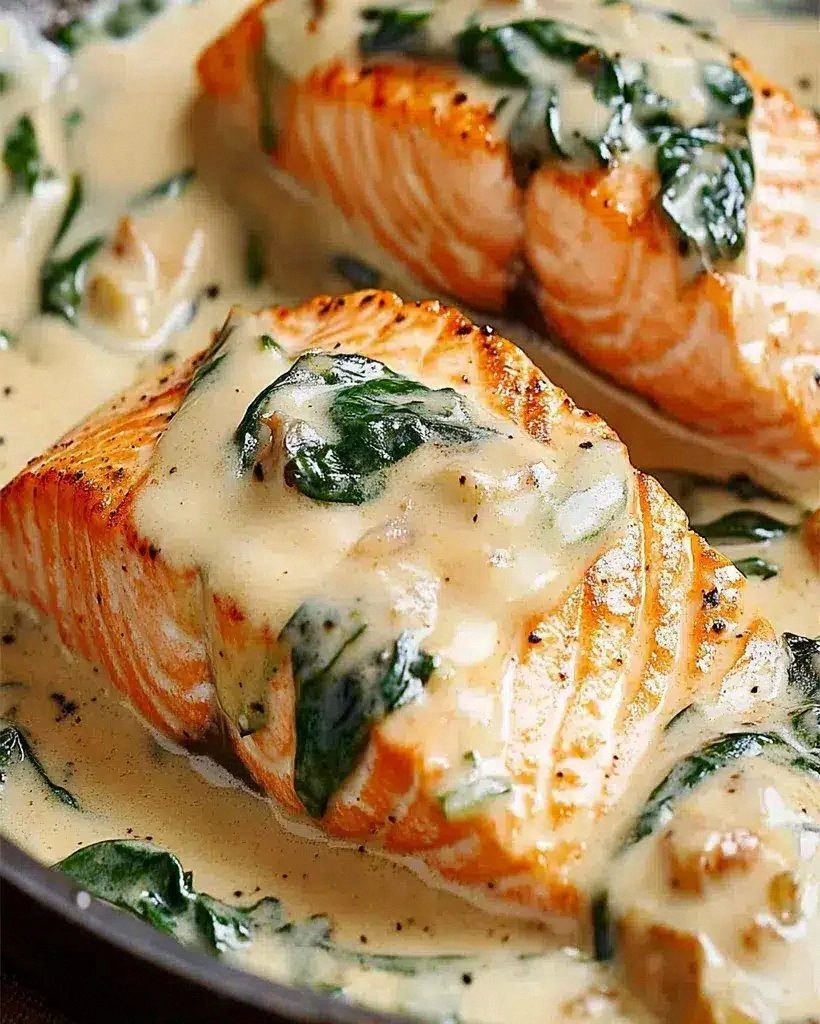
Picture this: the pan sizzles as the olive oil meets the heat, releasing a faint crackle that feels like a promise. The salmon skin, if you’ve left it on, starts to turn a gorgeous amber, while the spinach drops into the pan like confetti, wilting instantly into a deep emerald sea. The kitchen fills with the scent of garlic and shallots, a perfume that whispers of French bistros and coastal breezes. When the cream swirls in, it creates a sauce that coats the fish and greens like velvet, and a hint of lemon zest brightens everything like sunrise on a calm sea. The whole experience is a sensory rollercoaster that ends with a forkful of pure comfort.
Most salmon‑Florentine recipes I’ve tried either drown the fish in a lake of sauce or leave the spinach limp and soggy. This version, however, strikes a perfect balance: the fish stays flaky and buttery, the spinach retains a slight bite, and the sauce clings just enough to make each bite luxurious without turning it into a soup. The secret? A quick deglaze with white wine, a dash of lemon, and a careful timing that lets the sauce thicken just as the salmon finishes cooking. I’m daring you to taste this and not go back for seconds; it’s that good.
And there’s a little twist you won’t see coming: a sprinkle of toasted pine nuts added at the very end for a subtle crunch that contrasts the silkiness of the sauce. I’ll be honest — I ate half the batch before anyone else got to try it, and that’s because the flavor layers keep building with each bite. Let me walk you through every single step — by the end, you’ll wonder how you ever made it any other way.
What Makes This Version Stand Out
- Flavor Fusion: The combination of creamy Parmesan sauce, bright lemon, and earthy spinach creates a taste profile that feels both familiar and exciting, like a classic dish with a surprise guest.
- Texture Harmony: Crispy‑seared salmon edges meet tender, slightly wilted spinach, while the sauce adds a luxurious mouthfeel that’s neither too thick nor too runny.
- One‑Pan Simplicity: No juggling multiple dishes; everything cooks together, which means fewer pots, less cleanup, and more time to admire your masterpiece.
- Ingredient Quality: Using fresh, wild‑caught salmon and baby spinach makes a noticeable difference; the natural oils in the fish enhance the sauce without extra butter.
- Crowd‑Pleaser: Even the pickiest eaters love the buttery sauce, and the dish looks elegant enough for guests yet simple enough for a weeknight.
- Make‑Ahead Potential: The sauce can be pre‑made and stored, so you only need to sear the salmon and assemble when you’re ready to serve.
- Time Efficiency: From prep to plate in under 25 minutes, this dish proves that gourmet doesn’t have to be time‑consuming.
- Seasonal Flexibility: While spinach shines in spring, you can swap it for kale or arugula, making the recipe adaptable year‑round.
Alright, let's break down exactly what goes into this masterpiece...
Inside the Ingredient List
The Flavor Base
Garlic and shallots are the aromatic foundation that turns a simple pan sauce into a fragrant masterpiece. The minced garlic releases a sweet, caramelized note when it meets the butter, while the finely diced shallot adds a subtle oniony depth without overpowering the fish. If you’re out of shallots, a tablespoon of finely minced red onion works just as well, though the flavor will be a touch sharper.
The Texture Crew
Fresh baby spinach brings a bright green color and a slight crunch that survives the brief sauté. It’s essential to use baby leaves because they wilt quickly without turning mushy, preserving that delicate bite. If you prefer a heartier green, try Swiss chard or kale, but remember to remove the tough stems and give them an extra minute in the pan.
The Unexpected Star
A splash of dry white wine is the secret weapon that deglazes the pan, lifting all those caramelized bits (fond) and infusing the sauce with a bright acidity. This step prevents the sauce from becoming flat and adds a layer of complexity that feels almost wine‑pairing worthy. If you don’t drink alcohol, substitute with a splash of chicken broth and a tiny squeeze of lemon juice for the same effect.
The Final Flourish
Heavy cream and grated Parmesan cheese are the duo that transforms the pan drippings into a silky, velvety sauce. The cream provides richness, while the cheese introduces a nutty umami depth that clings to the salmon like a luxurious coat. For a lighter version, you can swap half the cream for low‑fat milk, but the sauce will lose a bit of its indulgent body.
Everything's prepped? Good. Let's get into the real action...
The Method — Step by Step
-
Heat a large, heavy‑bottomed skillet over medium‑high heat and add the olive oil. When the oil shimmers, pat the salmon fillets dry with paper towels, then season both sides generously with salt and pepper. Place the fillets skin‑side down (if the skin is on) and let them sizzle for about 3‑4 minutes without moving them; you’ll hear a steady, satisfying crackle that tells you the skin is getting crispy.
-
After the skin has turned a deep golden brown and releases easily from the pan, flip the fillets and add the butter, garlic, and shallot to the pan. As the butter melts, it will foam and turn a light amber color, creating a fragrant base. Stir the aromatics gently, letting the garlic turn fragrant but not brown — that bitter note would ruin the sauce.
-
Now, pour in the white wine (or broth‑lemon combo) and let it bubble away for about a minute, scraping the browned bits from the bottom of the pan with a wooden spoon. This deglazing step is pure magic; those caramelized bits are flavor gold, and they dissolve into the liquid, forming the backbone of your sauce.
-
Add the fresh spinach in a generous handful, letting it wilt quickly. It will look like a mountain of green at first, then collapse into a silky, glossy bed. Once the spinach is mostly wilted, stir in the heavy cream, lemon zest, and lemon juice, then bring the mixture to a gentle simmer. That sizzle when it hits the pan? Absolute perfection.
Kitchen Hack: If the sauce looks too thick, splash in a splash of the reserved wine or a tablespoon of water; it will loosen without losing creaminess. -
Stir in the grated Parmesan cheese, allowing it to melt slowly into the cream, creating a glossy, velvety coating that clings to the salmon and spinach. Taste and adjust the seasoning with a pinch more salt, pepper, and if you like a little heat, a dash of red pepper flakes. The sauce should be thick enough to coat the back of a spoon but still fluid enough to glide over the fish.
-
Now, return the salmon fillets to the pan, nestling them into the sauce. Spoon a little of the sauce over each piece, and let everything simmer together for another 2‑3 minutes. Watch Out: Overcooking the salmon will make it dry; you want the interior to stay pink and flaky. The moment the fish flakes easily with a fork is your cue to pull the pan off the heat.
Watch Out: If the sauce starts to separate, lower the heat immediately and whisk vigorously; the butter will emulsify back into the cream. -
Just before serving, toss in a handful of toasted pine nuts for a surprise crunch that contrasts the silky sauce. This step is optional but adds a nutty depth that elevates the dish from everyday to restaurant‑quality.
-
Plate the salmon on a warm serving dish, drizzle the remaining sauce over the top, and garnish with a sprinkle of fresh parsley or extra lemon zest if you like. Picture yourself pulling this out of the oven, the whole kitchen smelling incredible, and your guests reaching for seconds before the plate is even empty.
Kitchen Hack: To keep the salmon warm while you finish the sauce, cover the pan loosely with foil; the residual heat will maintain its perfect temperature without continuing to cook.
That's it — you did it. But hold on, I've got a few more tricks that'll take this to another level...
Insider Tricks for Flawless Results
The Temperature Rule Nobody Follows
Never start with a cold pan; preheat your skillet for at least two minutes before adding any oil. A hot surface creates an instant sear, locking in juices and giving the salmon that coveted crust. I once tried a “gentle start” with a cold pan and ended up with soggy fish that fell apart the moment I tried to flip it. Trust the heat, and the rest will fall into place.
Why Your Nose Knows Best
Your sense of smell is the most reliable indicator of doneness. When the butter turns a light amber and the garlic releases a sweet aroma, you’re on the right track. If you ever hear a faint hissing sound, that means the moisture is evaporating too quickly, and you should lower the heat to avoid scorching. Follow your nose, and you’ll never overcook the sauce.
The 5‑Minute Rest That Changes Everything
After you’ve taken the salmon out of the pan, let it rest for exactly five minutes. This short pause allows the juices to redistribute throughout the flesh, resulting in a buttery, melt‑in‑your‑mouth texture. Skipping this step is a common mistake; the fish will look perfect but feel dry on the palate. Set a timer, and trust the process.
Pine Nut Perfection
Toast pine nuts in a dry skillet over low heat for just two minutes, shaking the pan constantly. The nuts will turn golden and release a buttery scent that pairs beautifully with the creamy sauce. If you leave them too long they’ll turn bitter, so keep a close eye — this tiny detail makes a massive difference.
The Creamy Consistency Cheat
If you prefer a thicker sauce without adding extra flour, whisk in a teaspoon of cold water‑cornstarch slurry (1 tsp cornstarch mixed with 2 tsp cold water) at the very end of cooking. It will instantly thicken the sauce without altering the flavor.
Creative Twists and Variations
This recipe is a playground. Here are some of my favorite ways to switch things up:
Mediterranean Spin
Swap the Parmesan for feta cheese and add a handful of chopped sun‑dried tomatoes. The salty feta and sweet tomatoes give the dish a sun‑kissed Mediterranean vibe that pairs perfectly with a crisp white wine.
Spicy Sriracha Kick
Stir a tablespoon of sriracha into the cream for a subtle heat that cuts through the richness. Top with sliced scallions for a fresh, peppery finish that will make spice lovers swoon.
Herbaceous Delight
Add a mixture of fresh herbs — thyme, dill, and tarragon — during the final simmer. The herbs infuse the sauce with aromatic layers, turning the dish into a garden‑fresh experience.
Citrus Burst
Replace the lemon zest with orange zest and a splash of orange juice. The citrus becomes brighter and slightly sweeter, creating a dish that feels like a brunch treat.
Nut‑Free Version
If you have a nut allergy, omit the pine nuts and instead sprinkle toasted breadcrumbs for a crunchy topping that mimics the texture without the nutty flavor.
Storing and Bringing It Back to Life
Fridge Storage
Allow the dish to cool to room temperature, then transfer it to an airtight container. It will keep nicely for up to 3 days. When reheating, place the salmon and sauce in a skillet over low heat, adding a splash of water or broth to restore the sauce’s silkiness.
Freezer Friendly
Portion the cooked salmon and sauce into freezer‑safe bags or containers. Freeze for up to 2 months. Thaw overnight in the refrigerator, then reheat gently on the stove, stirring occasionally. Avoid microwaving, as it can cause the sauce to separate.
Best Reheating Method
The secret to a perfect reheated Salmon Florentine is low‑and‑slow. Use a skillet on medium‑low heat, cover the pan, and add a teaspoon of water or broth. The steam will revive the sauce, while the salmon stays moist and flaky. Add a final squeeze of lemon before serving to brighten the flavors again.