Picture this: it’s 8 p.m., the city outside is a blur of neon and rain, and you’re craving something that feels like a hug but also packs a punch. I’ve been chasing that exact vibe for years—looking for a dish that’s both comforting and daring. I found it in a kitchen mishap: my last pizza night ended with a soggy crust and a sauce that tasted like a bland soup. The moment I tossed in a jar of yellow Thai curry paste, the aroma exploded, and the whole kitchen smelled like a tropical beach. The result? A pizza that’s creamy, spicy, and utterly unforgettable.
I’m not just talking about a new recipe; I’m talking about a culinary revelation. The sauce coats the dough like velvet, the veggies snap like fresh spring buds, and the mozzarella melts into a golden, bubbly blanket that shatters like thin ice when you cut into it. Every bite is a symphony of textures and flavors—spicy, sweet, savory, and a hint of citrus that lingers on the palate. I dare you to taste this and not go back for seconds. That’s the promise I’m making to you.
What sets this version apart from every other Thai pizza out there is the balance of heat and cream, the precision of the sauce’s thickness, and the way the fresh vegetables maintain their crunch after baking. I’ve spent hours tweaking the ratio of coconut milk to curry paste, experimenting with the amount of onions, and finding the sweet spot where the cheese doesn’t overpower the sauce. The result is a pizza that’s hands down the best version you’ll ever make at home, and I’m here to walk you through every single step. By the end, you’ll wonder how you ever made it any other way.
Now, let’s dive into the details. If you’ve ever struggled with a soggy crust or a sauce that feels like a salad dressing, you’re not alone—and I’ve got the fix. Picture yourself pulling this out of the oven, the whole kitchen smelling incredible, and the first slice being a perfect bite of crispy edges, creamy sauce, and fresh herbs. Okay, ready for the game‑changer? Let’s get started.
What Makes This Version Stand Out
- Flavor Harmony: The yellow Thai curry paste balances heat with a subtle citrus undertone that complements the coconut milk’s richness. This creates a sauce that’s both bold and comforting.
- Texture Contrast: Fresh red bell peppers, tender carrots, and caramelized red onions add crunch and depth, while the mozzarella melts into a silky, golden blanket.
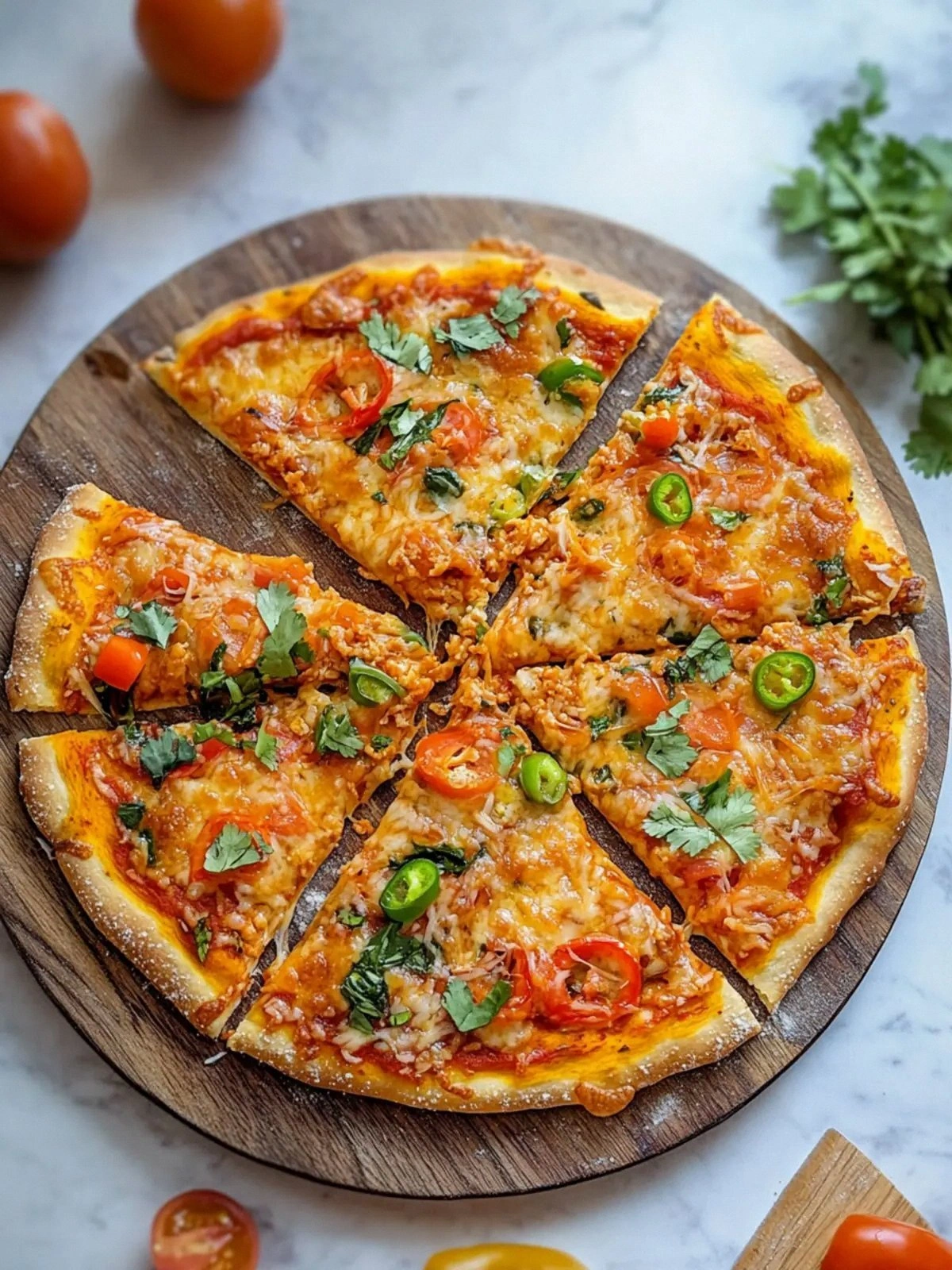
- Visual Appeal: Vibrant colors of the veggies against the golden crust make the pizza a feast for the eyes as well as the taste buds.
- Ingredient Quality: Using a high‑quality artisan pizza dough ensures a chewy base that holds up against the moist sauce.
- Time Efficiency: Prep takes only 15 minutes, and the entire process is under an hour, making it perfect for week‑night dinners.
- Make‑Ahead Friendly: The assembled pizza can be refrigerated or frozen, and reheats to perfection without losing texture.
- Crowd‑Pleaser: The combination of familiar pizza elements with an exotic twist guarantees applause at any gathering.
- Health Balance: The coconut milk adds healthy fats, while the veggies provide fiber and vitamins—an indulgent yet balanced meal.
Alright, let's break down exactly what goes into this masterpiece…
Inside the Ingredient List
The Flavor Base
Coconut milk and yellow Thai curry paste form the heart of this pizza. The coconut milk provides a creamy, slightly sweet backdrop that balances the heat of the curry paste. If you skip the coconut milk, the sauce becomes thin and loses that luxurious mouthfeel. For a richer sauce, opt for full‑fat coconut milk; for a lighter version, choose light coconut milk. The curry paste’s key role is to deliver depth—its blend of lemongrass, galangal, and kaffir lime gives that unmistakable Thai aroma.
The Texture Crew
Red bell peppers, carrots, and red onion are not just decorative; they bring essential crunch and sweetness. The bell pepper’s crispness contrasts beautifully with the softened onions, while the carrots add a subtle earthiness that anchors the sauce’s bright flavors. If you’re watching carbs, you can reduce the bell pepper to half a cup, but the texture will change noticeably.
The Unexpected Star
Mozzarella is the classic pizza cheese, but in this version it takes on a new role—melting into a silky layer that binds the sauce and veggies together. Choosing a semi‑hard mozzarella will give a firmer melt, while a fresh mozzarella offers a creamier finish. The cheese’s mildness allows the curry flavors to shine through without overpowering.
The Final Flourish
Cilantro and green onions add a fresh, herbal lift that cuts through the richness of the sauce and cheese. They’re sprinkled after baking to preserve their bright color and crunch. If you’re not a fan of cilantro, you can substitute parsley or basil, but the flavor profile will shift slightly toward a sweeter, milder note.
Everything's prepped? Good. Let's get into the real action…
The Method — Step by Step
- Preheat your oven to 475°F (245°C) and place a pizza stone or baking sheet on the middle rack. Let the stone heat for at least 30 minutes so that it’s blisteringly hot when you slide the pizza onto it. This high heat ensures a crisp crust that doesn’t soak up the sauce. While the oven is heating, roll out your artisan pizza dough on a lightly floured surface to about 12 inches in diameter. If you’re using a pre‑made dough, let it rest at room temperature for 10 minutes before shaping.
- In a medium bowl, whisk together the coconut milk and yellow Thai curry paste until the mixture is smooth and the paste is fully incorporated. The sauce should thicken slightly as it cools; if it’s too thin, add a tablespoon of flour or cornstarch dissolved in water to thicken. Let the sauce sit for 5 minutes while you prep the vegetables so the flavors meld. The aroma at this point will be a tantalizing mix of coconut and spice.
- Dice the red bell pepper, carrot, and red onion into bite‑sized pieces. Toss them in a little olive oil and a pinch of salt, then spread them evenly over the rolled dough. The oil helps the veggies crisp up in the oven and prevents them from drying out. This step is crucial for maintaining a lively crunch that contrasts with the creamy sauce.
- Spread the curry coconut sauce over the vegetables, leaving a 1‑inch border around the edges for the crust. The sauce should coat the veggies like a glossy glaze. Be generous but not overwhelming—too much sauce will make the crust soggy. The edges will start pulling away as the dough bakes, a sign that the crust is cooking properly.
- Sprinkle the mozzarella evenly over the sauce. The cheese should cover the sauce but not flood the crust. This layer will melt into a golden, bubbly blanket that ties all the flavors together. If you prefer a more pronounced cheese flavor, add an extra half cup of mozzarella.
- Carefully slide the assembled pizza onto the pre‑heated stone or skillet. Bake for 10–12 minutes, or until the crust is golden brown and the cheese is bubbly and slightly browned on the edges. Watch the pizza closely during the last few minutes to prevent over‑browning.
- Remove the pizza from the oven and let it rest for 3 minutes. This short rest allows the cheese to set slightly, making slicing easier. While it rests, sprinkle the chopped cilantro and sliced green onions over the top. The fresh herbs add a burst of color and a bright, herbal note that cuts through the richness.
- Slice the pizza into wedges, serve immediately, and enjoy the symphony of flavors. The first bite should deliver a spicy kick, followed by the creamy coconut sauce, the crunchy vegetables, and the melty cheese. That sizzle when it hits the pan? Absolute perfection.
That’s it—you did it. But hold on, I’ve got a few more tricks that will take this to another level…
Insider Tricks for Flawless Results
The Temperature Rule Nobody Follows
Many home cooks bake pizzas at 400°F, but this temperature is too low for a crisp crust. Baking at 475°F (245°C) or higher gives the dough a blistered, chewy base that holds up against the sauce. If your oven is uneven, rotate the pizza halfway through baking to ensure even browning. I once baked at 400°F and ended up with a soggy center—don’t make that mistake.
Why Your Nose Knows Best
When you’re about to add the sauce, close your eyes and sniff the mixture. The aroma should be warm, nutty, and slightly citrusy. If it smells off or too thin, give it a minute to thicken or add a splash of coconut milk. Your nose is a reliable guide to the sauce’s readiness.
The 5‑Minute Rest That Changes Everything
Letting the pizza rest for 3–5 minutes after baking allows the cheese to set, preventing it from sliding off the slice. It also lets the sauce thicken slightly, making each bite more cohesive. I used to cut straight away and the cheese dripped everywhere—now it’s a clean, elegant experience.
Use a Pizza Stone for That Crunch
A pizza stone retains heat better than a baking sheet, giving you a crisper bottom. If you don’t have a stone, a pre‑heated cast‑iron skillet works as a great substitute. The key is to pre‑heat the surface for at least 30 minutes.
Finishing with Fresh Herbs
Adding cilantro and green onions after the pizza comes out preserves their bright color and fresh flavor. If you add them before baking, they’ll wilt and lose their crunch. I always sprinkle them right before serving for that perfect herbal kick.
Creative Twists and Variations
This recipe is a playground. Here are some of my favorite ways to switch things up:
Spicy Pineapple Explosion
Add diced pineapple to the vegetable mix for a sweet‑spicy contrast. The pineapple’s acidity balances the coconut’s richness, creating a tropical twist that’s perfect for summer gatherings.
Protein Power-Up
Top the pizza with grilled shrimp or sliced chicken breast before adding the mozzarella. The protein adds heft and transforms the dish into a hearty main course.
Vegan Version
Swap the mozzarella for a plant‑based cheese and use a vegan pizza dough. Keep the coconut milk and curry paste, and the result is a creamy, satisfying pizza that satisfies even the strictest vegans.
Herb‑Infused Crust
Fold a handful of fresh basil or oregano into the dough before baking. The herbs infuse the crust with a subtle flavor that complements the curry sauce.
Breakfast‑Style Slice
Top the pizza with a poached egg after baking. The runny yolk adds richness and turns the dish into a brunch‑worthy delight.
Storing and Bringing It Back to Life
Fridge Storage
Store leftover pizza in an airtight container in the refrigerator for up to 3 days. The crust will soften slightly, but it will still taste great. When you’re ready to eat, reheat in a skillet over medium heat for 3–4 minutes, or until the cheese is melted.
Freezer Friendly
Wrap the pizza tightly in plastic wrap and then in foil before freezing. It will keep for up to 2 months. Thaw overnight in the refrigerator before reheating. The sauce will re‑thicken, and the crust will regain some of its original texture.
Best Reheating Method
Add a tiny splash of water to the skillet before reheating; this steams the pizza slightly and prevents the cheese from drying out. Cover for a minute to trap the steam, then remove the cover to crisp the crust again.