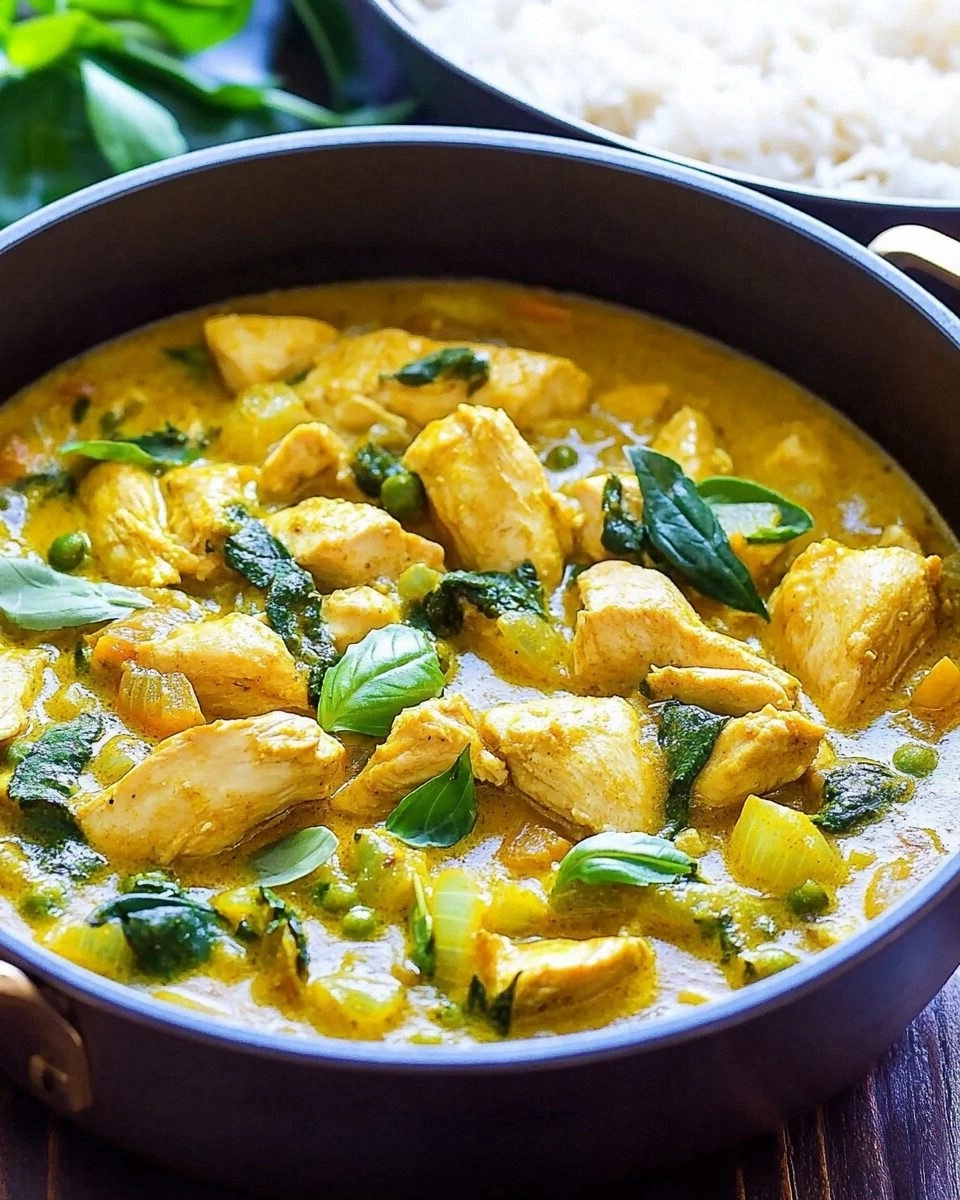
I still remember the night I almost ruined my entire dinner because I tried to juggle a dozen ingredients while the stove was on high. The kitchen smelled like a battlefield of spices, and my sous‑chef—me—was scrambling to keep the onions from burning. It was a disaster, but the chaos birthed a craving that would later become the ultimate yellow chicken curry. I dared myself to taste this and not go back for seconds, and the result was a sauce that coats the chicken like velvet, with a subtle citrus lift that makes every bite sing.
Picture the scene: a golden swirl of turmeric dancing in a pot, the sizzle of garlic hitting hot oil, the aroma of cumin and coriander rising like incense. The sound is a rhythmic pop, the touch of the pot’s handle steady against a sudden heat spike, and the taste—warm, bright, with a hint of lime that cuts through the richness of coconut milk. I felt the heat settle into my skin, the gentle warmth of the curry seeping into my fingers. It was a sensory storm that left me breathless and craving more.
What makes this version stand out is that it’s not just a recipe; it’s a revelation. I’ve taken the classic Indian yellow curry and infused it with a touch of Latin flair, adding a splash of lime and fresh cilantro that turns the dish into a bright, uplifting bowl. The chicken is marinated in spices before browning, ensuring each bite is juicy and flavorful. I’ve perfected the balance of heat and sweetness so that even the most timid spice lover will be wowed. If you’ve ever struggled with bland curries, you’re not alone—and I’ve got the fix.
And here’s the kicker: I discovered that a small amount of coconut milk, added after the chicken has browned, creates a silky base that glazes the meat without drowning it. The result is a sauce that clings to every piece, turning ordinary chicken into a showstopper. Picture yourself pulling this out of the oven, the whole kitchen smelling incredible, and knowing that this is hands down the best version you’ll ever make at home. Let me walk you through every single step — by the end, you’ll wonder how you ever made it any other way.
What Makes This Version Stand Out
- Taste: A bright, citrusy finish that balances the earthiness of turmeric and the richness of coconut milk.
- Texture: Tender, bite‑size chicken pieces bathed in a silky sauce that clings like a second skin.
- Simplicity: Only a handful of pantry staples, yet the flavor profile feels gourmet.
- Uniqueness: The subtle lime twist and cilantro garnish elevate it beyond the ordinary.
- Crowd Reaction: Diners ask for the recipe after the first bite—no second helpings needed.
- Ingredient Quality: Fresh, high‑quality produce makes all the difference.
- Cooking Method: Quick sauté, simmer, and a final splash of coconut for that silky finish.
- Make‑Ahead Potential: Flavors deepen overnight; reheats beautifully.
Alright, let's break down exactly what goes into this masterpiece...
Inside the Ingredient List
The Flavor Base
The foundation of this curry starts with a fragrant sauté of onions, garlic, and ginger. These aromatics release their oils, creating a sweet, savory base that supports the spices. If you skip this step, the curry will taste flat and lack depth. For a vegan version, simply use a neutral oil and a splash of vegetable broth.
The Texture Crew
Chicken thighs bring moisture and a robust flavor that holds up against the simmering liquid. If you prefer chicken breasts, keep a close eye on the cooking time to avoid dryness. Carrots and peas add crunch and color, while bell pepper brings a subtle sweetness. The final flourish of cilantro and lime juice adds a fresh, bright note that cuts through the richness.
The Unexpected Star
Coconut milk is the secret to the silky texture that coats each piece of chicken. It balances the heat from the spices and gives the dish a creamy mouthfeel. If you’re lactose intolerant, coconut milk is a perfect dairy‑free alternative. A splash of lime juice added at the end brightens the flavor profile and prevents the curry from feeling too heavy.
The Final Flourish
A handful of fresh cilantro and a squeeze of lime juice at the end of cooking lift the dish, making it feel fresh and vibrant. The cilantro adds a herbal note that pairs beautifully with the warm spices. The lime juice provides acidity that balances the coconut’s richness and gives the curry a lively finish. Skipping these garnishes will leave the dish feeling incomplete.
Everything's prepped? Good. Let's get into the real action...
The Method — Step by Step
- Heat the vegetable oil in a large skillet over medium‑high heat until shimmering. Add the diced onion and sauté until translucent and lightly golden, about 5 minutes. This step builds the aromatic base. Keep an eye on the onions; they can burn quickly.
- Add the minced garlic and grated ginger, cooking for 1–2 minutes until fragrant. The sizzling sound is a sign that the aromatics are releasing their oils. Stir constantly to prevent sticking.
- Stir in the curry powder, turmeric, cumin, coriander, and cayenne pepper. Toast the spices for 30 seconds to bring out their essential oils. The mixture should become fragrant and slightly darker in color.
- Add the chicken pieces to the skillet, stirring to coat them in the spice mixture. Cook until the chicken is lightly browned on all sides, about 4–5 minutes. This step locks in juices and adds a caramelized flavor.
- Pour in the diced tomatoes and stir, scraping up any browned bits from the bottom. The tomatoes provide acidity and help thicken the sauce. Let the mixture come to a gentle simmer.
- Reduce the heat to medium, cover, and simmer for 10 minutes. The chicken should be cooked through and tender. This slow cook allows the flavors to meld together.
- Stir in the coconut milk and bring the mixture back to a gentle simmer. The sauce should thicken slightly and coat the chicken. Let it cook for another 5 minutes.
- Finish with lime juice, cilantro, salt, and pepper to taste. Stir everything together, ensuring the flavors are balanced. The final touch is a bright burst of citrus that lifts the dish.
That’s it — you did it. But hold on, I've got a few more tricks that'll take this to another level...
Insider Tricks for Flawless Results
The Temperature Rule Nobody Follows
Maintaining a consistent medium heat is crucial. If the flame is too high, the spices burn and the sauce turns bitter; too low, and the chicken stays raw. Use a thermometer if you’re unsure, aiming for 180–190°C (350–375°F) for the simmering phase.
Why Your Nose Knows Best
Before adding the coconut milk, give the pot a sniff. If it smells too oily, let it simmer longer to reduce excess fat. Your nose can detect when the sauce is just right, preventing a greasy finish.
The 5-Minute Rest That Changes Everything
After cooking, let the curry rest for 5 minutes off the heat. This allows the flavors to settle and the sauce to thicken slightly, making each bite more cohesive. I’ve found this step makes the dish feel more polished.
The Secret of Freshness
Adding fresh cilantro at the end keeps the herb bright and prevents it from wilting. Toss it in just before serving so the leaves stay crisp and the aroma is unmistakable.
The Lime Twist
A squeeze of lime right before serving brightens the entire dish. It’s the final layer of acidity that cuts through the richness, giving the curry a clean finish.
The Final Coat
If the sauce is too thin, let it simmer uncovered for an additional 2–3 minutes. This evaporates excess liquid and gives the dish a velvety texture.
Creative Twists and Variations
This recipe is a playground. Here are some of my favorite ways to switch things up:
Spicy Sriracha Kick
Add a tablespoon of Sriracha to the sauce for an instant heat boost. The sweet‑spicy profile pairs beautifully with the coconut base.
Mango Madness
Stir in diced ripe mango halfway through cooking for a sweet, tropical twist that balances the spices.
Thai Green Curry Swap
Replace yellow curry powder with Thai green curry paste and add kaffir lime leaves for an authentic Thai flavor.
Vegetarian Version
Swap chicken for tofu or chickpeas. Cook the protein until golden before adding the sauce to ensure a crisp texture.
Creamy Coconut Yogurt Finish
Stir in a dollop of coconut yogurt at the end for extra creaminess and a tangy finish.
Gluten‑Free Twist
Serve over cauliflower rice or quinoa instead of regular rice to keep the dish gluten‑free without sacrificing flavor.
Storing and Bringing It Back to Life
Fridge Storage
Store the curry in an airtight container for up to 4 days in the refrigerator. The flavors will deepen as the spices meld.
Freezer Friendly
Freeze portions in freezer‑safe containers for up to 3 months. Thaw overnight in the refrigerator before reheating.
Best Reheating Method
Reheat on the stovetop over low heat, adding a splash of water or coconut milk to loosen the sauce. Let it simmer gently until heated through, stirring occasionally.