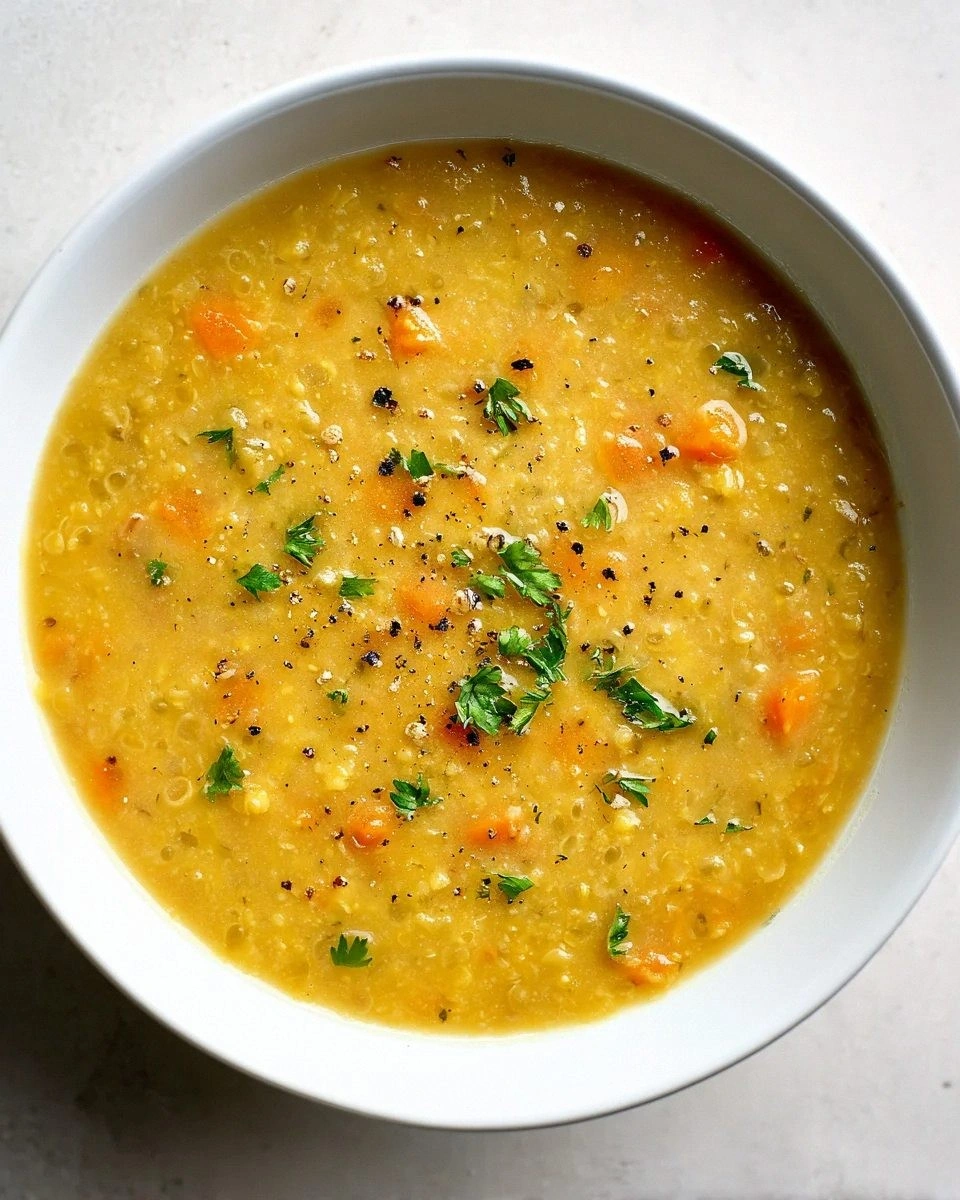
I still remember the day I almost set my kitchen on fire trying to make lentil soup. There I was, juggling three different pots, convinced that more complexity meant more flavor. The lentils turned to mush, the vegetables were mushier, and the whole thing tasted like wet cardboard with a hint of regret. Fast forward through countless experiments, and I finally cracked the code to the most vibrant, zesty lemon lentil soup that makes my taste buds do a happy dance every single time. Picture this: a cold Tuesday evening, rain tapping against the windows, and you're wrapped in your favorite sweater while a pot of sunshine-yellow soup simmers away on the stove. The aroma of lemon zest mingles with earthy cumin, creating this incredible perfume that drifts through your entire home. Your neighbors will wonder what magical creation you're whipping up. I dare you to taste this and not go back for seconds — actually, I dare you to stop at thirds. This isn't just another healthy soup recipe that tastes like punishment; this is the soup that converted my carnivore friends into lentil believers. The secret lies in the perfect balance of bright citrus, warming spices, and that gorgeous texture that coats your spoon like liquid gold. Stay with me here — this is worth it. I'm about to share every single trick, every timing detail, and every little tweak that transforms humble lentils into something you'll crave on repeat. Let me walk you through every single step — by the end, you'll wonder how you ever made it any other way.
The first time I served this to my Italian grandmother, she raised an eyebrow and muttered something about "American soup experiments." Three spoonfuls later, she was demanding the recipe in her broken English, waving her wooden spoon for emphasis. That's when I knew I had created something special. Most recipes get this completely wrong — they treat lentils like they're just there to bulk things up, forgetting that these little legumes are flavor sponges waiting to happen. Here's what actually works: you need to build layers of flavor like you're constructing a symphony, each ingredient playing its part at exactly the right moment. The lemon doesn't just get squeezed in at the end like an afterthought; it's woven throughout the process, creating this incredible brightness that makes the whole dish sing. And now the fun part — I'm going to show you exactly how to achieve that restaurant-quality depth of flavor in your own kitchen, no culinary degree required.
What really sets this version apart is the technique I stumbled upon during one of those late-night cooking experiments when I should have been sleeping. Instead of dumping everything in at once and hoping for the best (we've all been there), we're going to coax maximum flavor from each component. The onions get caramelized until they're practically melting, the garlic gets added at just the right moment to avoid that bitter burnt taste, and the spices get toasted until they release their essential oils. Picture yourself pulling this out of the oven, the whole kitchen smelling incredible — except we're not using an oven, but you get the idea. The moment when you add that fresh lemon juice and zest? Pure magic. The soup transforms from something good into something absolutely transcendent, like it suddenly discovered its life purpose. Okay, ready for the game-changer? We're not just making soup here; we're creating an experience that'll make you look forward to healthy eating instead of dreading it.
What Makes This Version Stand Out
Bursting with Brightness: While most lentil soups taste like eating a bowl of beige, this version punches your taste buds with zesty lemon that cuts through the earthiness like a ray of sunshine breaking through clouds. The citrus doesn't just sit on top — it permeates every spoonful, making each bite feel like springtime in your mouth.
Texture Perfection: Forget everything you think you know about lentil soup being boring and one-note. We achieve this gorgeous silky texture where some lentils break down to create body while others maintain their shape for pleasant little pops. It's like the soup equivalent of finding the perfect mattress — supportive yet luxurious.
Speed Demon Friendly: Here's the beautiful thing: despite tasting like it simmered all day, this whole operation takes under 45 minutes from start to finish. I timed it during a particularly hungry Tuesday when patience wasn't on the menu. Most recipes get this completely wrong, making you think good soup needs hours of babysitting.
Pantry Hero: Everything in this recipe comes from ingredients you probably already have lurking in your kitchen right now. No specialty store runs, no expensive spices you'll use once — just honest ingredients working together like a well-rehearsed orchestra. Your wallet will thank you, and so will your taste buds.
Crowd Convertor: I've served this to self-proclaimed lentil haters, picky toddlers, and that one friend who claims they "don't eat healthy food." They all came back for seconds, and some even asked for the recipe. This soup has a higher conversion rate than most religions.
Make-Ahead Champion: This soup actually tastes better the next day when all those flavors have had time to mingle and get to know each other better. I make a double batch every time because I know future me will be grateful when I'm racing against the clock on a busy weeknight.
Nutritional Powerhouse: We're talking serious protein, fiber that keeps you full for hours, and more vitamins than you can shake a stick at. It's like someone took everything good for you and made it taste like a treat. If you've ever struggled with healthy eating, you're not alone — and I've got the fix.
Inside the Ingredient List
The Flavor Base
Let's start with the holy trinity that forms the backbone of this soup: carrots, celery, and onion. These aren't just filler vegetables — they're the foundation that everything else builds upon. The carrots bring natural sweetness that balances the lemon's acidity, while celery adds this incredible aromatic quality that makes the soup smell like something you'd pay twenty dollars for in a restaurant. The onion, when cooked properly, melts into the background and creates this savory depth that makes people ask "what's that amazing flavor?" I'll be honest — I used to rush this step, but taking the extra few minutes to really let these vegetables develop color and flavor is what separates good soup from soul-warming soup.
The Texture Crew
Red lentils are the unsung heroes here, and here's why: they cook quickly, break down beautifully, and have this gorgeous orange color that makes the soup look like liquid sunshine. Unlike their green or brown cousins, red lentils don't hold their shape stubbornly, which means we get that velvety texture without any fancy blending. The key is buying them from a store with good turnover — old lentils take forever to cook and never quite achieve that creamy consistency we're after. Pro tip: rinse them until the water runs clear, but don't soak them. Soaking makes them waterlogged and sad, like they've given up on life before they even hit the pot.
The Spice Symphony
Turmeric, cumin, and black pepper might seem like an odd trio, but together they create this warm, complex flavor profile that makes the soup taste like it's been simmering all day. Turmeric brings earthiness and that gorgeous golden color, cumin adds smoky depth, and black pepper provides just enough heat to keep things interesting. Don't even think about skipping the pepper — it's not just there for heat. The piperine in black pepper actually helps your body absorb the curcumin from turmeric, making this soup both delicious and nutritionally smart. Future pacing moment: imagine yourself six months from now, making this soup for the tenth time, and realizing you finally understand how spices work together.
The Unexpected Star
Here's where things get interesting — we're using the entire lemon, not just the juice. The zest contains essential oils that provide this incredible floral note you can't get from juice alone. It's like the difference between hearing music through a phone speaker versus being in the concert hall. When you zest a lemon, you're capturing all those volatile compounds that make lemon smell like lemon. The juice brightens everything at the end, cutting through the richness like a squeeze of sunshine. And here's the kicker: if you add the juice too early, it turns bitter and harsh, like it's mad at you for not treating it right.

The Method — Step by Step
- Start by heating your olive oil in a heavy-bottomed pot over medium heat. You want it shimmering but not smoking — think of it as the difference between a gentle summer rain and a raging thunderstorm. While it's heating, dice your onion into small, even pieces. The size matters here because we want them to cook evenly and melt into the soup. When the oil moves like water when you tilt the pan, you're ready for action. Add the onions and immediately hear that satisfying sizzle that tells you the pan is properly heated.
- Here's where patience becomes your best friend. Let those onions cook for about 5-6 minutes, stirring occasionally, until they turn translucent and start to pick up golden edges. Don't rush this step — this is where we're building the foundation of flavor. The onions should smell sweet and look like they're relaxed in the pan, not stressed out and burnt. If they start browning too quickly, turn down the heat. Remember, we're not making caramelized onions here, but we want them to develop some character.
- Now add the carrots and celery, and this is the moment of truth. These vegetables need about 5 minutes to soften and start releasing their aromatics. You should smell something incredible happening — it's like your kitchen is waking up and stretching. The carrots should brighten in color, going from dull orange to almost glowing, while the celery turns a vibrant green. Stir occasionally, making sure nothing is sticking or browning too much. This is where most recipes get it wrong — they rush through the vegetable cooking, but this is where we're layering in complexity.
- Clear a space in the center of the pot and add your minced garlic. Let it cook for just 30 seconds — any longer and it turns bitter and angry. You want to smell that pungent garlic aroma, but it shouldn't brown. Stir it quickly into the vegetables, letting it perfume everything. This is when your kitchen starts smelling like a proper restaurant, and you might notice family members drifting in asking "what smells so good?" Don't walk away from the stove here — garlic goes from perfect to burnt faster than you can say "lentil soup."
- Time for the spice magic. Add your turmeric, cumin, and black pepper, and stir constantly for about 30 seconds. You want to toast these spices until they become incredibly fragrant and start to smell toasted rather than raw. The turmeric will turn everything a gorgeous golden color, like you've captured sunshine in your pot. The cumin will start smelling smoky and complex, while the pepper adds just a hint of heat. This step is crucial — raw spices taste harsh and one-dimensional, but toasted spices become smooth and layered.
- Pour in your vegetable stock and bring everything to a boil. Use a wooden spoon to scrape up any flavorful bits stuck to the bottom — that's pure gold right there. Once it's boiling, add your rinsed red lentils and bay leaves. Give everything a good stir, making sure the lentils aren't clumped together. The liquid should look slightly cloudy from the starch, which is exactly what we want for thickening. Turn the heat down to maintain a gentle simmer, cover partially, and let it cook for about 20 minutes.
- During these 20 minutes, magic happens. The lentils will start breaking down and thickening the soup, while the bay leaves infuse everything with their subtle, tea-like flavor. You should see the soup transforming from a thin broth to something more substantial. Stir occasionally to prevent sticking, and add more stock if it gets too thick. The soup is ready when the lentils have mostly broken down but you still see some intact pieces. It should coat the back of a spoon but not be as thick as porridge.
- Now for the grand finale — remove the bay leaves and stir in your lemon juice and zest. This is where the soup goes from good to absolutely transcendent. The lemon juice brightens everything, cutting through the richness and making all the other flavors pop. The zest adds this incredible floral note that makes people ask "what's that amazing flavor?" Season with salt to taste — start with a teaspoon and adjust from there. The soup should taste vibrant and alive, not flat or dull. If it tastes like something's missing, it probably needs more acid or salt.
- If you're using spinach or kale, now's the time to add it. Stir in a couple of handfuls and let them wilt for just a minute — we want them vibrant green, not sad and overcooked. The greens add nutrition and color, but they're optional. Taste one more time and adjust seasoning if needed. The soup should be thick enough to coat your spoon but still spoonable, not like wallpaper paste.
- Ladle into bowls and top with fresh parsley or cilantro. The herbs add freshness and make the soup look like something from a magazine. Serve with crusty bread if you're feeling fancy, or just grab a spoon and dive in. I won't judge you for eating it straight from the pot — I've been there, and it's a beautiful place to be. That's it — you did it. But hold on, I've got a few more tricks that'll take this to another level...
Insider Tricks for Flawless Results
The Temperature Rule Nobody Follows
Here's the thing about soup temperature that nobody talks about: it affects everything from flavor to texture. When your soup is too hot, your taste buds can't properly register flavors — it's like trying to appreciate fine wine while your mouth is on fire. I learned this the hard way after serving soup so hot that my guests couldn't taste the lemon at all. Let the soup cool for about 5 minutes after cooking, and suddenly all those subtle flavors come alive. The lemon becomes brighter, the spices more complex, the vegetables more distinct. It's like the difference between listening to music with cheap earbuds versus a proper sound system.
Why Your Nose Knows Best
Your sense of smell is your most underutilized kitchen tool, and I'm not just saying that because it sounds poetic. When your soup is properly seasoned, it should make you want to stick your face directly over the pot and inhale deeply. If you catch yourself doing this unconsciously, you've nailed it. A friend tried skipping this step once — let's just say it didn't end well. She kept adding more salt when what it really needed was acid. Trust your nose; it's been around longer than written recipes and knows what it's doing.
The 5-Minute Rest That Changes Everything
This might be the hardest instruction to follow because when soup smells this good, waiting feels like torture. But here's what happens during those five minutes: the flavors redistribute, the temperature evens out, and the soup develops this incredible harmony it didn't have before. It's like letting a good wine breathe, except it's soup and you're hungry. I set a timer and find something to do — usually cleaning up so I feel productive while I'm waiting. Those five minutes turn good soup into memorable soup, and future you will be grateful for the restraint.
The Acid Balance Secret
Here's where most home cooks go wrong: they add acid (lemon juice) at the wrong time or in the wrong amount. Acid brightens flavors, but too much makes your face pucker like you're sucking on a lemon. Too little and everything tastes flat and boring. The trick is to add most of it at the end, then taste and adjust. Sometimes I need more, sometimes less — it depends on the lemons, the stock, even the weather. Start conservative and build up. Your taste buds will thank you, and so will anyone you're feeding.
Creative Twists and Variations
This recipe is a playground. Here are some of my favorite ways to switch things up:
The Mediterranean Vacation
Swap the cumin for dried oregano and add a can of diced tomatoes with their juice. Throw in some chopped kalamata olives at the end and top with crumbled feta cheese. Suddenly you're sitting in a taverna overlooking the Aegean Sea, even if you're actually in your studio apartment eating over the sink. The tomatoes add sweetness and body, while the olives bring that briny punch that makes everything more interesting.
The Coconut Curry Detour
Replace half the stock with full-fat coconut milk and add a tablespoon of curry powder with the other spices. The coconut milk creates this luxurious, silky texture that makes the soup feel indulgent while the curry powder adds warmth and complexity. It's like your soup took a trip to Thailand and came back with stories to tell. Top with fresh cilantro and a squeeze of lime instead of lemon for a completely different flavor profile.
The Smoky Spanish Version
Add a teaspoon of smoked paprika with the other spices and throw in some chopped chorizo during the last 10 minutes of cooking. The paprika provides this incredible smokiness that makes the soup taste like it's been simmering over a wood fire. The chorizo adds richness and a gentle heat that builds slowly. It's comfort food with attitude, perfect for those days when you need something that hugs you and gives you a gentle kick at the same time.
The Green Goddess Twist
Blend in a handful of fresh herbs — parsley, cilantro, and dill — right at the end. The herbs turn the soup this gorgeous green color and add incredible freshness. It's like spring in a bowl, even in the dead of winter. Kids love the color, and adults love the complex herbaceous flavor. Plus, it's a great way to use up herbs before they go bad in your crisper drawer.
The Hearty Protein Boost
Add a can of chickpeas or white beans during the last 10 minutes of cooking for extra protein and texture. This turns the soup from a light meal into something that'll keep you full until breakfast. The beans add a creamy texture and make the soup even more satisfying. It's perfect for those days when you need something substantial but still want to feel virtuous about your food choices.
The Spicy Thai Adventure
Add a tablespoon of Thai red curry paste with the garlic and swap the lemon for lime. The curry paste brings heat and incredible depth, while lime provides a different kind of brightness than lemon. Throw in some thinly sliced bell peppers for crunch and color. It's like your soup went backpacking through Southeast Asia and came back with amazing stories and a new perspective on life.
Storing and Bringing It Back to Life
Fridge Storage
This soup keeps beautifully in the refrigerator for up to 5 days, making it the ultimate meal prep champion. Store it in an airtight container — I prefer glass because it doesn't absorb flavors and makes reheating easier. The soup will thicken as it cools, so when you're ready to reheat, add a splash of water or stock to loosen it up. Pro tip: store the lemon juice separately and add it fresh when reheating. The acid tends to dull over time, and fresh lemon juice brings everything back to life. I've eaten this soup on day five and been just as happy as day one, which is saying something because I'm picky about leftovers.
Freezer Friendly
Here's where things get interesting — this soup freezes like a dream, but with one caveat. Freeze it without the lemon juice and add that fresh when reheating. Portion it into individual servings using freezer bags laid flat (they stack like books and thaw quickly) or in muffin tins for perfect single portions. It'll keep for up to 3 months, though honestly, mine never lasts that long because I keep eating it. To thaw, either leave it in the fridge overnight or use the defrost setting on your microwave. Add a tiny splash of water before reheating — it steams back to perfection.
Best Reheating Method
The stovetop is your friend here, though I won't judge if you use the microwave on busy days. On the stove, heat it gently over medium-low heat, stirring occasionally, until it's steaming hot. Add your fresh lemon juice right at the end and taste for seasoning — you might need a pinch more salt. If using the microwave, heat it in 30-second bursts, stirring between each burst to prevent hot spots. The soup should be steaming but not boiling. Add a splash of water if it's too thick, and don't forget that final squeeze of lemon. It makes all the difference between good reheated soup and soup that tastes like you just made it.