Picture this: a frantic Friday night, the fridge already a battlefield of last‑minute leftovers, and a sudden craving that feels less like a whim and more like a siren call. I was staring at a bag of frozen shrimp, a lemon, and a stubborn pot of pasta that had somehow survived the previous night’s “quick dinner” attempt. I stared at the clock, and the timer on my phone blinked 15 minutes to go. That’s when I decided to throw caution to the wind and let the kitchen become a playground of flavors. If you’ve ever felt the panic of “What’s for dinner?” and the hope that a few minutes in the kitchen could turn chaos into culinary gold, you’re in the right place.
In the same breath that I cracked the lemon, the air filled with a citrusy perfume that could make a citrus grove blush. The sizzling sound as butter hit the pan was the soundtrack of triumph, and the aroma of garlic was a sweet, aromatic promise of something delicious. The shrimp, once a silent, cold cluster, began to blush and curl, their shells cracking with a satisfying pop that echoed the rhythm of my heartbeat. Every sensory detail was amplified: the glossy sheen of melted butter, the sharp bite of lemon zest, the subtle heat from a pinch of red pepper flakes. I could almost taste the bright, tangy tang that would soon coat every strand of pasta.
This version of Lemon Butter Shrimp is not just another dish you’ll find on a recipe blog. It’s a revelation that takes a classic crowd‑pleaser and turns it into a showstopper that will have your guests asking for the recipe the next day. The secret sauce? A buttery, lemon‑laden sauce that clings to the noodles like velvet, a shrimp that’s cooked to tender perfection without becoming rubbery, and a dash of fresh parsley that gives it a fresh, garden‑grown finish. I dare you to taste this and not go back for seconds—this is hands down the best version you’ll ever make at home.
There’s a particular technique that sets this dish apart: the quick deglazing step that captures every browned bit of garlic and butter and turns it into a flavor bomb. Most recipes get this completely wrong, leaving the sauce flat and the shrimp overcooked. Here, we’ll use a splash of lemon juice to lift the butter’s richness and keep the shrimp juicy. Picture yourself pulling this out of the stove, the whole kitchen smelling incredible, and a plate that looks like it belongs in a Michelin‑star restaurant. Let me walk you through every single step — by the end, you’ll wonder how you ever made it any other way.
What Makes This Version Stand Out
- Flavor: The marriage of bright lemon, rich butter, and aromatic garlic creates a sauce that’s both zesty and comforting. The lemon juice lifts the butter’s heaviness, giving the dish a fresh, airy feel that’s perfect for any season.
- Texture: Shrimp are cooked to a succulent pink center, not rubbery or dry. The pasta stays al dente, and the sauce coats the strands without clumping.
- Speed: Every element of this recipe can be on the stove within 15 minutes. That’s less than the time it takes to microwave a bag of frozen peas, and it’s a game‑changer for busy weeknights.
- Versatility: Swap pasta for rice or quinoa, or use chicken instead of shrimp for a protein‑free version. The sauce adapts to whatever you have on hand.
- Crowd‑Pleaser: The bright citrus and buttery richness make it a hit at dinner parties, potlucks, or a cozy family meal. Your guests will ask for the recipe, and you’ll have the answer.
- Ingredient Quality: Fresh lemon, high‑quality butter, and freshly minced garlic make a world of difference. Even if you’re using frozen shrimp, the dish still shines.
- Make‑Ahead Potential: The sauce can be made ahead and reheated without losing flavor. The pasta can be cooked and tossed with sauce just before serving.
- Presentation: A sprinkle of parsley and a dusting of Parmesan finish the dish with a pop of color and a savory crunch.
Alright, let’s break down exactly what goes into this masterpiece...
Inside the Ingredient List
The Flavor Base
The foundation of any great sauce is its flavor base, and for this dish, it’s a trio of butter, garlic, and lemon. Butter is the backbone that provides richness and a silky mouthfeel. Fresh garlic, minced finely, releases essential oils that give the dish depth and a subtle bite. Lemon juice, extracted from a large, bright lemon, adds acidity that cuts through the butter’s heaviness and brightens the overall flavor profile. If you skip any of these, the sauce will feel flat and lack that vibrant zing that makes the dish memorable.
The Texture Crew
Shrimps are the star of the show, and their texture is paramount. Fresh or frozen shrimp, peeled and deveined, should be cooked just until they turn pink and opaque. Overcooking turns them rubbery, so timing is crucial. The pasta—spaghetti or linguine—acts as the canvas. Cook it al dente to maintain a firm bite that pairs beautifully with the buttery sauce. If you prefer a lighter version, swap the pasta for zucchini noodles or a bed of sautéed spinach.
The Unexpected Star
Red pepper flakes, a pinch of heat, add a subtle kick that balances the sweetness of the lemon. While many recipes overlook this element, it’s the secret that elevates the dish from ordinary to extraordinary. The parsley, chopped fresh, brings a green, herbaceous freshness that lifts the entire plate. And let’s not forget grated Parmesan cheese—though it’s optional, it adds a salty, nutty finish that ties all flavors together.
The Final Flourish
Salt is the silent hero that brings all the flavors together. It’s a taste enhancer that can make or break a dish. Use it sparingly; taste as you go. Lemon zest, grated from the outer peel, adds a fragrant burst of citrus oils that give the sauce a bright, aromatic lift. Together, these final touches create a dish that’s balanced, flavorful, and visually appealing.
Everything's prepped? Good. Let's get into the real action...
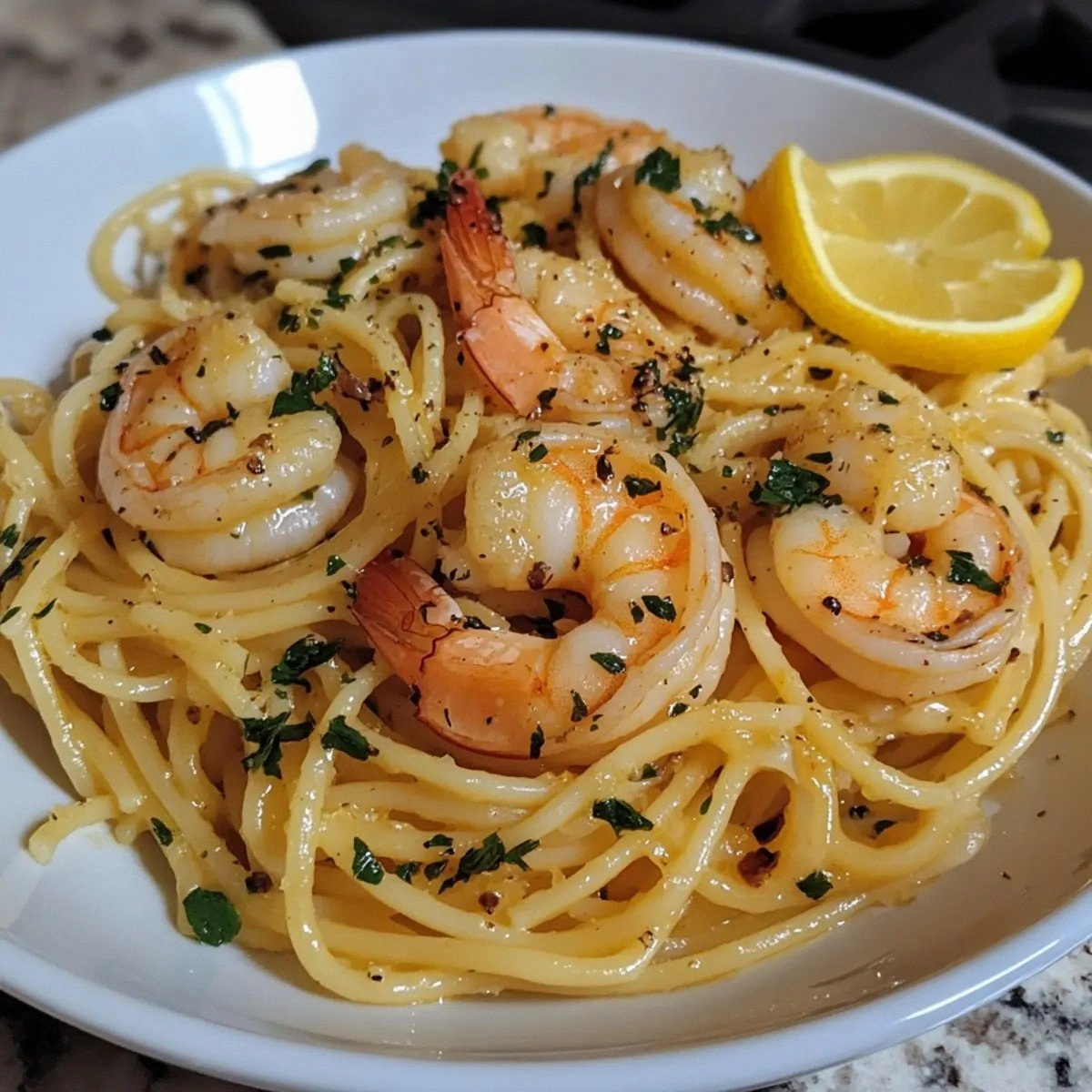
The Method — Step by Step
- Bring a large pot of salted water to a boil. Once boiling, add the pasta and cook according to package instructions until al dente. While the pasta cooks, the aroma of boiling water and the scent of pasta will already start to make your mouth water. Don’t forget to reserve a cup of pasta water before draining; it’s a lifesaver for the sauce later.
- Heat a large skillet over medium‑high heat. Add the butter and let it melt until it begins to bubble and turn a light golden hue. The sound of butter sizzling is a cue that the pan is ready. Keep an eye on it—over‑melting can cause it to brown too quickly, which would change the flavor profile.
- Add the minced garlic. Let it cook for about 30 seconds, just until fragrant. The garlic should release its oils but not brown; otherwise, it will taste bitter. This step is critical; it forms the aromatic base that will carry the shrimp’s flavor.
- Introduce the shrimp to the skillet. Spread them in a single layer to ensure even cooking. Cook for 2 minutes on one side until they start to change color, then flip. Shrimp cook quickly—watch the color change to avoid overcooking. This is the moment of truth: the shrimp should be pink, opaque, and slightly firm.
- Deglaze with lemon juice. Pour the freshly squeezed lemon juice over the shrimp and stir. The acidity will lift the butter’s richness and create a bright, glossy sauce. The lemon juice also helps to loosen any browned bits stuck to the pan, ensuring every flavor is captured.
- Add the red pepper flakes and parsley. Stir for about 20 seconds to allow the pepper flakes to bloom. The parsley will release its fresh aroma and add a touch of color. If you like a little heat, feel free to add a bit more pepper flakes.
- Drain the pasta and toss it into the skillet. Use tongs to combine the pasta with the shrimp and sauce. If the sauce seems thick, add a splash of reserved pasta water to loosen it. This creates a silky coating that clings to every strand.
- Finish with grated Parmesan cheese. Sprinkle it over the pasta, then give everything a final toss. The cheese melts into the sauce, adding a savory depth that balances the citrusy brightness. Serve immediately, garnished with a final sprinkle of parsley.
That’s it — you did it. But hold on, I've got a few more tricks that'll take this to another level...
Insider Tricks for Flawless Results
The Temperature Rule Nobody Follows
Cooking shrimp at the right temperature is the secret to a juicy bite. If the heat is too high, the shrimp will char on the outside while staying raw inside. Aim for a medium‑high heat that allows the shrimp to cook evenly in 2–3 minutes per side. I once tried to rush the process and ended up with a rubbery texture that left me questioning my culinary skills.
Why Your Nose Knows Best
Smell is your best friend when cooking. As soon as the butter starts to brown and the garlic releases its oils, you’ll notice a sweet, nutty aroma. That’s the cue to add the shrimp. If you’re unsure, give it a sniff; the scent of fresh citrus will signal that the lemon juice is ready to be added.
The 5‑Minute Rest That Changes Everything
After tossing the pasta into the skillet, let the dish sit for a minute before serving. This rest period allows the pasta to absorb the sauce fully, resulting in a more cohesive flavor. It also gives the shrimp a chance to finish cooking in its own juices, keeping it tender.
Use Freshly Ground Pepper
A pinch of freshly ground black pepper adds a subtle heat that enhances the lemon’s brightness. Fresh pepper is more aromatic than pre‑ground, so it’s worth the extra effort. Sprinkle it just before serving for a finishing touch.
Keep the Pasta Water Handy
Adding a splash of reserved pasta water can transform a dry sauce into a silky, glossy coating. The starchy water helps the sauce cling to the noodles and balances the acidity of the lemon. If the sauce feels too thin, add a bit more; if it’s too thick, a dash of water will do the trick.
Creative Twists and Variations
This recipe is a playground. Here are some of my favorite ways to switch things up:
Garlic Parmesan Shrimp
Swap the lemon for a splash of white wine and add a generous amount of grated Parmesan to create a rich, garlicky sauce. The wine reduces into a velvety base that’s perfect for pasta or rice.
Spicy Shrimp Pasta
Increase the red pepper flakes to a tablespoon and add a pinch of cayenne pepper. The heat will contrast nicely with the buttery sauce, creating a fiery, flavorful dish.
Herb‑Infused Shrimp
Replace parsley with a mix of basil, oregano, and thyme for a Mediterranean twist. The herbs will add a fragrant, earthy note that pairs well with the lemony sauce.
Vegetarian Version
Omit the shrimp and add a handful of sautéed spinach or cherry tomatoes. The dish becomes a light, vegetable‑rich pasta that’s still bright and buttery.
Low‑Carb Alternative
Swap the spaghetti for zucchini noodles or shirataki noodles. The dish stays low in carbs while still delivering the same bright, buttery flavor profile.
Breakfast Shrimp Bowl
Serve the shrimp and sauce over quinoa or cauliflower rice, and top with a fried egg. This turns the dish into a protein‑packed breakfast or brunch that’s both satisfying and delicious.
Storing and Bringing It Back to Life
Fridge Storage
Store any leftover sauce in an airtight container in the refrigerator for up to 3 days. Keep the pasta separate to avoid it becoming mushy. When reheating, add a splash of water or broth to restore the sauce’s silky texture.
Freezer Friendly
Freezing is best done with the sauce and shrimp separate from the pasta. Freeze the sauce in portioned containers; it will keep for up to 2 months. Reheat gently on the stovetop, stirring frequently.
Best Reheating Method
Reheat the pasta and sauce together in a skillet over low heat, adding a tablespoon of water or broth to loosen the sauce. Keep the heat low to avoid overcooking the shrimp. The tiny splash of water before reheating steams the pasta back to perfection.