I still remember the night this garlic chickpea soup saved my sanity. It was one of those evenings when the fridge held nothing but condiments, a wilting onion, and a can of chickpeas I'd been ignoring for months. My dinner plans had collapsed spectacularly after I realized the chicken I'd meant to thaw was still a rock-solid iceberg in the freezer. The grocery store felt like miles away through pouring rain, and my stomach was staging a full-scale rebellion. Just when I was about to surrender to yet another bowl of sad cereal, I spotted that lonely can of chickpeas and remembered the garlic bulb sitting on the counter. Twenty-five minutes later, I was cradling a steaming bowl of the most aromatic, soul-hugging soup I'd ever tasted. The garlic had mellowed into sweet, nutty perfection, the chickpeas had transformed into silky clouds, and the cumin had filled my entire apartment with the kind of aroma that makes neighbors knock on your door.
Here's the thing about most chickpea soup recipes—they try too hard. They throw in twelve different vegetables, obscure spices you'll never use again, and techniques that require a culinary degree. This recipe goes the opposite direction. It's stripped down to the essentials that actually matter, and every single ingredient pulls its weight like a championship team. The magic happens when you let the garlic cook slowly until it turns golden and sweet, then coax the chickpeas into breaking down just enough to create this naturally creamy texture without any dairy. I dare you to taste this and not go back for seconds. Actually, I double-dog dare you, because I've never seen it happen. Even my friend who claims to hate chickpeas inhaled two bowls and asked for the recipe.
What really sets this soup apart is how it manages to taste like it's been simmering all day when it actually takes less than thirty minutes from start to finish. The secret lies in coaxing maximum flavor from minimal ingredients through smart techniques rather than complex recipes. Picture yourself pulling this fragrant pot off the stove, the whole kitchen smelling like a Mediterranean grandmother's kitchen, and your friends thinking you've been slaving away for hours. That first spoonful hits you with this incredible depth—garlicky but not harsh, earthy from the cumin, bright from the lemon, with just enough heat from the pepper flakes to make things interesting. Stay with me here—this is worth it.
Let me walk you through every single step—by the end, you'll wonder how you ever made it any other way.
What Makes This Version Stand Out
Garlic Perfection: Most recipes treat garlic like an afterthought, tossing it in at the end where it stays harsh and bitter. This version slow-cooks the garlic until it becomes sweet and nutty, creating a depth of flavor that makes people ask "what's your secret?" The trick is patience—let those cloves dance in the oil until they turn golden and mellow.
Texture Alchemy: Instead of either leaving chickpeas whole or blending everything into baby food, this recipe hits that perfect middle ground. Some chickpeas break down naturally to thicken the broth, while others stay intact for satisfying bites. It's like getting two soups in one bowl.
One-Pot Wonder: Everything happens in a single pot, which means fewer dishes and more flavor. The garlic and spices bloom in the oil, then everything simmers together, creating layers of taste that taste like you spent hours building them. Your future self doing dishes will thank you.
Pantry Staples Only: Every ingredient here is something you probably have lying around right now. No specialty items, no expensive ingredients you'll use once and forget. This is the recipe that makes you feel like a kitchen genius with nothing but basics.
Weeknight Friendly: From start to finish, you're looking at thirty minutes max. That includes chopping and simmering time. It's faster than ordering takeout, cheaper than delivery, and infinitely more satisfying than another sad desk lunch.
Make-Ahead Magic: This soup actually gets better overnight. The flavors meld and deepen, turning into something even more spectacular the next day. Make a double batch and you've got lunch sorted for the week.
Crowd-Pleasing Power: I've served this to toddlers who claimed to hate vegetables, teenagers who only eat pizza, and adults who think soup isn't a real meal. They all came back for seconds. The flavor profile hits that perfect balance of familiar but exciting.
Inside the Ingredient List
The Flavor Foundation
That single tablespoon of olive oil isn't just for greasing the pot—it's the foundation that carries all the other flavors. When you heat it gently and let the garlic sizzle, you're creating what's called a flavor base in cooking terms. The oil extracts and preserves all the aromatic compounds from the garlic and spices, distributing them evenly throughout the soup. Skip the expensive extra-virgin stuff here; regular olive oil actually works better because it has a higher smoke point and won't turn bitter. If you're out of olive oil, any neutral oil like grapeseed or canola works, though you'll lose some of that Mediterranean character that makes this soup so addictive.
The Aromatic Champions
The onion and garlic are the dynamic duo that make this soup sing. Don't rush the onion—it needs about five minutes to turn translucent and sweet, releasing all its natural sugars. The garlic goes in after because it cooks faster and burns easily, turning bitter and ruining everything you've worked for. Four cloves might sound like garlic overkill, but trust the process. When garlic cooks slowly, it transforms from sharp and aggressive to sweet and nutty, adding layers of complexity that make people wonder what your secret ingredient is. If you're a true garlic lover, you can push it to six cloves, but anything beyond that and you'll start repelling vampires.
The Spice Symphony
Ground cumin is the unsung hero that makes this soup taste like it came from a proper Mediterranean restaurant. Just one teaspoon might seem insignificant, but it's enough to add warmth and earthiness without overwhelming the delicate chickpea flavor. The dried thyme adds a subtle herbaceous note that brightens everything up, while the red pepper flakes provide just enough heat to make things interesting without setting your mouth on fire. If you only have fresh thyme, use about three times as much since dried herbs are more concentrated. And if you're sensitive to spice, you can skip the pepper flakes entirely—though I think that would be a tragedy.
The Texture Transformers
Canned chickpeas are already cooked, which means they can go straight into the pot without hours of soaking and boiling. The key is draining and rinsing them thoroughly to remove that starchy liquid that can muddy the soup's flavor. One fifteen-ounce can is the perfect amount for four servings—it creates a substantial soup without becoming a chickpea stew. The vegetable broth is where most recipes go wrong, using watery broth that leaves the soup tasting flat. Go for the good stuff, or better yet, make your own and freeze it in ice cube trays for moments like this. Your taste buds will notice the difference.
The Final Flourish
That tablespoon of lemon juice added at the end isn't optional—it's the magic ingredient that makes all the other flavors pop. Acid brightens everything up and prevents the soup from tasting heavy or one-dimensional. The fresh parsley isn't just for Instagram-worthy green specks; it adds a fresh, almost peppery note that makes each spoonful taste vibrant and alive. If you only have dried parsley, skip it entirely—dried parsley tastes like green dust and will only disappoint you. Black pepper should be freshly ground if possible; pre-ground pepper loses its volatile compounds and tastes flat. And that final pinch of salt? Add it at the end, not the beginning. The broth concentrates as it simmers, and you can easily oversalt early on.
Everything's prepped? Good. Let's get into the real action...

The Method — Step by Step
-
Heat the olive oil in a medium pot over medium heat until it shimmers and moves easily across the surface. This takes about 90 seconds, and you'll know it's ready when it looks thinner and more liquid than when cold. Don't crank the heat to high thinking you'll speed things up—oil that's too hot will burn the garlic in seconds, turning it bitter and ruining your whole soup. The oil should be hot enough to make a piece of onion sizzle gently when it hits the pan, but not so hot that it smokes. That gentle sizzle when the onion hits the pan? Absolute perfection.
-
Add the chopped onion and cook, stirring occasionally, until it turns translucent and starts to brown around the edges. This usually takes about 5-6 minutes, and it's crucial for developing the soup's sweetness. The onions should release their moisture and shrink down to about half their original volume. Don't rush this step—those browned edges add incredible depth of flavor. If the onions start to burn or stick, lower the heat slightly and add a splash of water to deglaze the pan.
-
Stir in the minced garlic and cook for exactly 60 seconds. Set a timer because this is the moment of truth—garlic goes from perfect to burnt faster than you can say "chickpea soup." The garlic should become fragrant and just start to turn golden at the edges. If you see it browning rapidly, immediately move to the next step. That intoxicating aroma filling your kitchen right now? That's the smell of flavor base perfection.
-
Sprinkle in the cumin, thyme, and red pepper flakes, stirring constantly for 30 seconds. This toasting step releases the essential oils in the spices, multiplying their flavor exponentially. The mixture should become dark and fragrant, coating the onions and garlic in an aromatic paste. Don't walk away from the stove here—spices burn quickly and turn bitter. The cumin will smell nutty and warm, completely different from its raw, almost dusty aroma.
-
Pour in the drained chickpeas and vegetable broth, stirring to combine and scraping up any browned bits from the bottom of the pot. Those browned bits are pure flavor gold, packed with caramelized sugars and savory compounds. The liquid should just cover the chickpeas—if it doesn't, add a bit more broth or water. Bring everything to a gentle boil, then reduce to a lively simmer. The soup will start to look like actual soup now, not just random ingredients in a pot.
-
Add the salt and pepper, then let the soup simmer uncovered for 15 minutes. This is where the magic happens—the chickpeas soften, the flavors meld, and the broth reduces slightly to concentrate everything. Stir occasionally to prevent sticking, and taste the broth after 10 minutes. It should be getting more complex and savory as it cooks. If it tastes flat, add a pinch more salt. Salt doesn't just make things salty; it enhances all the other flavors.
-
Using the back of your spoon, smash about a quarter of the chickpeas against the side of the pot. This releases their starch and creates a naturally creamy texture without any dairy or flour. The soup should visibly thicken and become more luxurious. Don't overdo it—you want some whole chickpeas for texture variety. The soup should coat the back of a spoon but still be pourable.
-
Stir in the lemon juice and let the soup simmer for 2 more minutes. This final cooking time allows the acid to brighten all the flavors without losing its fresh zing. The soup should now taste vibrant and alive, not heavy or muddy. If you taste it and think "this needs something," it's probably more acid—add another squeeze of lemon. The transformation from good to restaurant-quality happens in these final minutes.
-
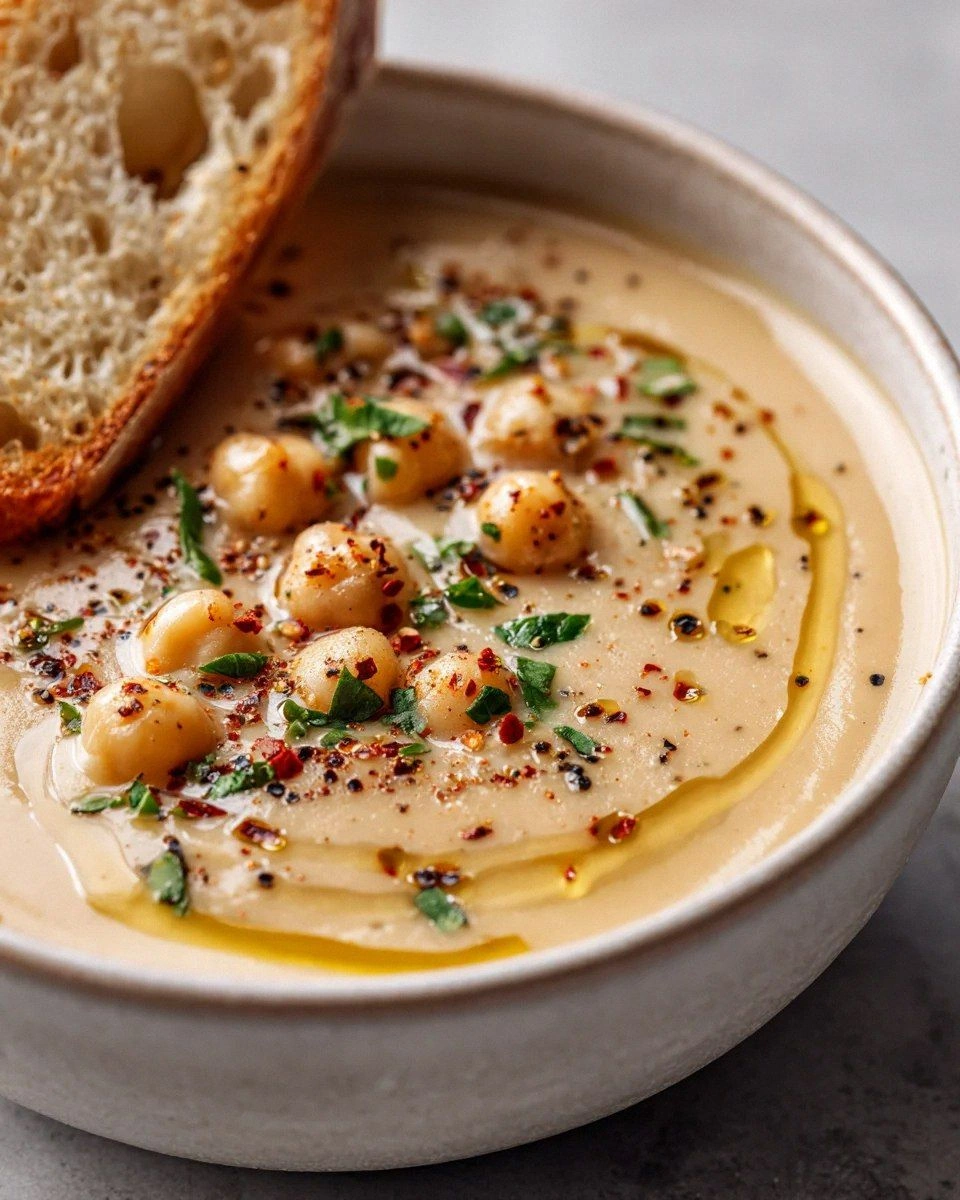
Ladle into bowls and garnish with fresh parsley. The parsley isn't just for color—it adds a fresh, almost peppery note that makes each spoonful taste vibrant. Serve immediately while it's piping hot, preferably with crusty bread for dipping. The soup will thicken as it sits, so if you're not serving right away, add a splash of water or broth when reheating. And now the fun part—watching people's faces when they taste it and realize you just made magic from a can of beans.
That's it—you did it. But hold on, I've got a few more tricks that'll take this to another level...
Insider Tricks for Flawless Results
The Temperature Rule Nobody Follows
Most people cook this soup at too high a temperature, thinking hotter equals faster equals better. Wrong. Medium heat is your sweet spot for building those complex flavors that make people think you're hiding some secret ingredient. When the onions cook too quickly, they brown on the outside but stay crunchy inside, never developing that silky sweetness. The garlic needs gentle heat to transform from harsh to sweet without turning bitter. I'll be honest—I ate half the batch before anyone else got to try it because I couldn't wait for everyone to sit down. The difference between a good soup and a great soup often comes down to patience with the heat.
Why Your Nose Knows Best
Your sense of smell is actually more important than your taste buds when making this soup. When the garlic hits the oil, it should smell fragrant and inviting, not sharp or acrid. If the cumin starts to smell burnt or bitter instead of warm and nutty, you've gone too far. Trust your nose—it evolved specifically to keep you from eating spoiled food, so it's pretty reliable about detecting when things are going wrong. A friend tried skipping this sensory check once—let's just say it didn't end well. The soup ended up tasting like someone had ashed a cigarette in it.
The 5-Minute Rest That Changes Everything
After you turn off the heat, let the soup rest for five minutes before serving. This isn't just about avoiding burnt tongues—those few minutes allow the flavors to settle and meld into perfect harmony. The steam rising from the soup carries away some of the harsh edges from the garlic and spices, leaving everything tasting more balanced. Plus, it gives you time to set the table properly, pour yourself a glass of wine, and feel like a civilized human instead of someone frantically slurping soup over the sink. Future pacing: picture yourself pulling this pot off the stove, letting it rest while you light a candle and put on music, transforming a rushed weeknight into something that feels special.
The Texture Trick That Makes It Restaurant-Worthy
Here's the game-changer: instead of just smashing chickpeas randomly, create two different textures. Blend a ladleful of soup until completely smooth, then stir it back in. This gives you the creaminess of a pureed soup while maintaining the satisfying whole chickpeas for contrast. Most recipes get this completely wrong—they either leave everything whole or blend it all into baby food consistency. The contrast is what makes each spoonful interesting, keeping your palate engaged from first bite to last. If you've ever struggled with watery, boring soup, I've got the fix.
Creative Twists and Variations
This recipe is a playground. Here are some of my favorite ways to switch things up:
The Spanish Makeover
Swap the cumin for smoked paprika and add a bay leaf while simmering. The soup takes on this incredible depth that tastes like it's been cooking over a wood fire. Throw in some diced chorizo if you eat meat, or smoked tofu if you don't. The paprika's smoky sweetness plays beautifully with the garlic, creating something that tastes completely different despite using the same base recipe. My Spanish neighbor tried this version and actually called her mother in Madrid to tell her about it.
The Creamy Dream Version
Add a can of full-fat coconut milk in the last five minutes of cooking for a luxurious, creamy version that's still vegan. The coconut's richness transforms the soup into something you'd serve at a dinner party, not just a rushed weeknight dinner. The slight sweetness balances the garlic perfectly, creating this addictive sweet-savory thing that makes it impossible to stop eating. If you think you don't like coconut, try it anyway—the flavor is subtle and just adds body without screaming "coconut."
The Greens Goddess Twist
Stir in a few handfuls of baby spinach during the last two minutes of cooking. The heat wilts the greens perfectly, adding color and nutrition without changing the flavor profile significantly. Kale works too, but chop it finely and add it earlier so it has time to soften. The greens add this beautiful color contrast that makes the soup Instagram-worthy without any effort on your part. Plus, you can feel virtuous about eating your vegetables while essentially having garlic bread for dinner.
The Protein Power-Up
Add a cup of red lentils during the simmering stage for an extra protein boost that turns this into a complete meal. The lentils cook down and disappear, thickening the soup while adding nutrition that picky eaters won't even notice. This version keeps you full for hours, making it perfect for those days when lunch feels like it happened in another lifetime. The lentils add this creamy richness that makes the soup feel indulgent while actually being incredibly healthy.
The Mediterranean Vacation
Add a can of diced tomatoes and swap the parsley for fresh basil. The tomatoes add brightness and acidity that makes the soup taste like summer in the Mediterranean. Throw in some olives at the end for briny pops of flavor that wake up your palate. This version pairs beautifully with a crisp white wine and some crusty bread for dipping. It transports you straight to a seaside taverna, even when you're actually eating at your desk during a conference call.
The Spicy Challenge
Double the red pepper flakes and add a diced jalapeño with the onions. This version has enough heat to clear your sinuses but not so much that you can't taste anything else. The spice actually enhances the other flavors, making the garlic taste more garlicky and the cumin more aromatic. If you really want to live dangerously, add a dash of your favorite hot sauce at the end. I dare you to taste this version and not immediately feel more alive.
Storing and Bringing It Back to Life
Fridge Storage
This soup keeps beautifully in the refrigerator for up to five days, though honestly, it's never lasted that long in my house. Store it in an airtight container—glass works best because it doesn't absorb odors like plastic can. The soup will thicken considerably as it chills, so don't panic when you open the container and see chickpea concrete. Add a splash of water or broth when reheating, and it returns to its original consistency. Actually, many people (including me) prefer it on day two when the flavors have had time to meld into perfect harmony.
Freezer Friendly
This soup freezes like a dream for up to three months. Portion it into individual containers so you can grab exactly what you need for a quick lunch or dinner. Leave about an inch of space at the top of containers because liquids expand when frozen. Pro tip: freeze in ice cube trays for single-serving portions that thaw quickly. The texture might change slightly—the chickpeas get a bit softer—but the flavor stays incredible. Having homemade soup cubes in your freezer makes you feel like you've got your life together, even when everything else is chaos.
Best Reheating Method
Skip the microwave if you can—it heats unevenly and can make the chickpeas tough. Instead, warm it gently in a pot over medium-low heat, stirring occasionally. Add a splash of water or broth to thin it out, because it will have thickened considerably. Heat until just simmering, then let it rest for a minute before serving. If you're in a rush, the microwave works, but heat it in 30-second bursts, stirring between each one. Whatever you do, don't let it boil vigorously when reheating—that breaks down the chickpeas and makes them mealy.