What Makes This Version Stand Out
Texture Paradise: This isn't your grandma's gloopy chicken salad. We're talking about a perfect balance of creamy avocado chunks, tender chicken shreds, and vegetables that still have their snap. Each bite gives you something different — sometimes it's the buttery richness of avocado, other times it's the crisp pop of celery, and then there's that occasional zing from red onion that keeps things interesting.
Herb Explosion: Most chicken salads treat herbs like wallflowers at a dance — they're there, but nobody's really paying attention. Not here. Fresh parsley and dill aren't just invited to the party, they're hosting it. The parsley brings this bright, almost citrusy note while the dill adds that distinctive punch that makes people ask, "What is that amazing flavor?"
Health Without Sacrifice: Here's where I get a little smug. This salad manages to be genuinely healthy without tasting like punishment. The avocado provides those good fats that make you feel satisfied, the Greek yogurt adds protein without the heavy feeling of straight mayo, and all those fresh vegetables mean you're basically eating a garden. I dare you to taste this and not go back for seconds, even knowing it's good for you.
Speed Demon: Okay, ready for the game-changer? If you've got leftover chicken (and let's be honest, who doesn't after Sunday meal prep?), this comes together faster than ordering takeout. Fifteen minutes, tops. I've timed it. Multiple times. Because when you're hungry and don't want to cook, this becomes your secret weapon.
Crowd Psychology: Bring this to any gathering and watch what happens. People hover. They make excuses to walk by the bowl "just to grab one more bite." They ask for the recipe but then don't believe it's this simple. The combination of familiar comfort food with that fresh herb twist makes it feel both nostalgic and excitingly new.
Make-Ahead Magic: Future pacing here — imagine pulling this out of your fridge on Wednesday night when you're too tired to cook, knowing you've got a restaurant-quality meal waiting for you. The flavors actually get better after a few hours as the herbs infuse everything with their oils, creating this depth you can't fake with shortcuts.
Ingredient Flexibility: Stay with me here — this is worth it. The recipe is bulletproof when it comes to substitutions. No Greek yogurt? Mayo works. Out of dill? Basil's got your back. The only thing you absolutely need is ripe avocado, and even then, I've made this with slightly firm ones and just mashed them more aggressively.
Alright, let's break down exactly what goes into this masterpiece...
Inside the Ingredient List
The Flavor Base
Cooked chicken breast is where this all begins, and here's where I'm going to save you some grief. Stop overcooking your chicken like it owes you money. Whether you're using last night's leftovers or grabbing a rotisserie bird from the store, you want it tender enough that it practically shreds itself when you look at it sideways. The protein provides structure and that satisfying heft that makes this a proper meal, not just a fancy dip. If you skip it, you've basically got guacamole with commitment issues, which honestly doesn't sound terrible, but it's not what we're making here.
Greek yogurt versus mayonnaise is the eternal debate in my kitchen, and I've finally found peace by using both. The yogurt brings this tangy brightness that cuts through the richness, while a spoonful of mayo provides that unctuous mouthfeel that makes it feel indulgent. If you've ever struggled with healthy food tasting like cardboard, you're not alone — and I've got the fix. This combination gives you the best of both worlds: virtuous enough for your nutrition tracker, decadent enough for your taste buds.
The Texture Crew
Ripe avocado is the unsung hero here, and I cannot stress enough how timing is everything. Too firm and you're eating green-flavored rocks. Too soft and you've got baby food with ambition. You want that sweet spot where it gives slightly under gentle pressure, like a memory foam mattress for your finger. The avocado doesn't just add creaminess — it creates this luxurious texture that makes you close your eyes involuntarily when you take a bite. Skip it and you've just got regular chicken salad, which is fine, I guess, if you enjoy being disappointed.
Celery isn't just filler, despite what celery-haters would have you believe. Those crisp, water-filled stalks provide the textural contrast that keeps this from becoming a homogeneous blob. When you dice it fine, it distributes throughout like little green gems, giving you that refreshing crunch that makes each bite feel clean and bright. Plus, it's basically crunchy water, so you're hydrating while you eat. Efficiency at its finest.
The Unexpected Star
Red onion is where things get interesting, and I'm going to let you in on a secret that'll change your raw onion game forever. Soak those diced pieces in ice water for ten minutes before adding them. This little trick mellows their bite while keeping that sharp flavor we want, just without the harsh aftertaste that has people backing away from you in elevators. The onion provides this zesty backbone that makes all the other flavors pop, like turning up the contrast on a photo but for your mouth.
Fresh herbs are where this recipe transforms from "eh, it's fine" to "holy crap, what is this magic?" Parsley isn't just a garnish here — it's bringing this bright, almost grassy flavor that makes everything taste fresh and alive. Dill, with its distinctive almost-anise flavor, walks in like it owns the place and honestly, it kind of does. If you're not a dill person (and I get it, it's polarizing), fresh basil or cilantro can sub in, but you'll be making a different salad entirely. And here's the thing — dried herbs won't cut it here. I know, I know, fresh herbs feel fancy and expensive, but they're literally the difference between good and unforgettable.
The Final Flourish
Lemon juice isn't optional, despite what you might think. That hit of acid is what makes everything else sing in harmony. Without it, you've just got a bunch of ingredients hanging out together, not really talking to each other. The lemon acts like the social lubricant at a party, introducing flavors, helping them mingle, and preventing any one ingredient from hogging the spotlight. Fresh is best here — that bottled stuff tastes like disappointment and lost dreams.
Dijon mustard might seem pretentious, but hear me out. That tiny spoonful adds depth and complexity that you can't quite put your finger on, but you'd miss it if it were gone. It's like the bass player in a band — not flashy, but everything falls apart without it. Garlic powder (not fresh, trust me on this) provides that warm, savory note that makes people say "mmm, what's in this?" without being able to identify it specifically.
Everything's prepped? Good. Let's get into the real action...
The Method — Step by Step
Start with your chicken, and here's where most people go wrong — they're working with cold, refrigerated meat that makes everything else sad and congealed. Let your chicken come to room temperature for about 20 minutes while you prep everything else. This isn't just food safety paranoia (though that's important), it's about texture. Room-temp chicken mixes more easily with the other ingredients, creating this cohesive mixture instead of distinct chunks that refuse to play together. While you're waiting, dice your celery and red onion, but hold off on the avocado — that diva likes to make a grand entrance.
Now for the fun part: grab a medium bowl and channel your inner food stylist. Add your Greek yogurt (or mayo, I won't judge), lemon juice, Dijon mustard, garlic powder, salt, and pepper. This is your flavor base, and here's the thing — taste it now. Adjust the seasoning. Too tangy? Add a pinch of honey. Too bland? More salt. This is your chance to build the foundation exactly how you like it. Whisk it all together until it's smooth and creamy, like a sauce that knows it's about to become something special. The mixture should coat the back of a spoon but still be loose enough to mingle with everything else.
Time for the herb confetti! Chop your parsley and dill — and I mean really chop them. Nobody wants to bite down on a huge parsley leaf like they're eating a garden. You want them fine enough to distribute throughout but not so minced they disappear entirely. The goal is little flecks of green that catch the light and make people think you went to culinary school. Add them to your dressing and give it a good stir. The herbs should immediately start releasing their oils, turning your pale dressing into something that looks like it came from a fancy restaurant.
Now, the moment of truth: the avocado. Cut it in half, remove the pit (please don't try to whack it with a knife if you're not comfortable — just scoop it out with a spoon), and dice it while it's still in the skin. Score it in a crosshatch pattern, then scoop it out with a spoon. The pieces should be roughly the same size as your chicken chunks. Add them to the bowl but don't mix yet — we're building layers here, not making baby food.
Add your chicken, celery, red onion, and cherry tomatoes (if using) to the bowl. Now comes the technique that separates the amateurs from the pros: use a rubber spatula and fold from the bottom up, turning the bowl as you go. You're not stirring, you're coaxing everything together. The goal is to coat every piece with that herby dressing while keeping the avocado chunks mostly intact. This next part? Pure magic. As you fold, the avocado will start to break down just enough to create this creamy coating that binds everything together.
This is where you need to channel your inner Goldilocks — taste and adjust until it's just right. Add more salt if it tastes flat, more lemon if it needs brightness, more pepper if you want a little kick. The flavors should be bright and assertive, not shy. Remember, you're probably going to serve this cold, and cold dulls flavors, so make it slightly more intense than you think it needs. Cover it with plastic wrap pressed directly onto the surface (this prevents that gross brown avocado skin from forming) and refrigerate for at least 30 minutes. I know, waiting is the worst, but this is when everything melds together and transforms from good to legendary.
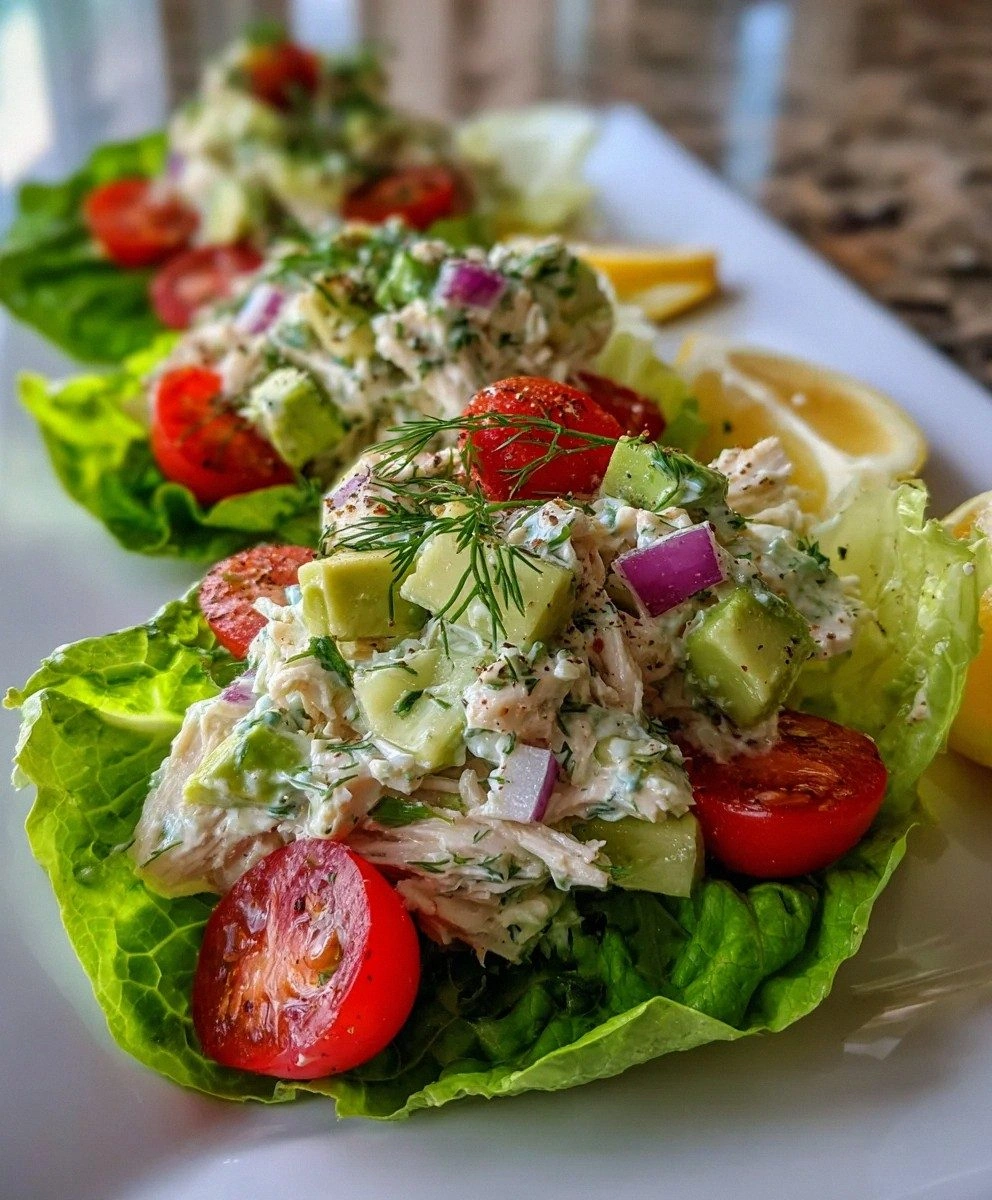
When you're ready to serve, give it one final taste and adjust if needed. The salad should be creamy but not heavy, with distinct pieces of each ingredient visible. If it's too thick, loosen it with a splash of water or milk. Too loose? Another avocado half will fix you right up. Serve it in crisp lettuce cups for that handheld experience, or pile it onto good bread for the best chicken salad sandwich of your life. Garnish with extra herbs because we eat with our eyes first, and you've just created something that's going to ruin all other chicken salads for you forever.
Storage is where this recipe really shines — if you have leftovers, which is a big if. Pack it in an airtight container with plastic wrap pressed directly onto the surface. It'll keep for up to three days, though the colors might mute slightly. The lemon juice helps prevent browning, but avocado is going to do what avocado does. A friend tried skipping this step once — let's just say it didn't end well, and she had to explain why her "special chicken salad" looked like it was already digesting itself.
That's it — you did it. But hold on, I've got a few more tricks that'll take this to another level...
Insider Tricks for Flawless Results
The Temperature Rule Nobody Follows
Here's the thing that'll make you look like a kitchen wizard: temperature matters more than you think. Cold chicken straight from the fridge is tense and uncooperative — it doesn't want to mix with anyone. Room temperature ingredients blend like they've been friends since kindergarten. But here's the kicker — once it's mixed, serve it slightly chilled, not arctic cold. When food is too cold, your taste buds go numb and can't appreciate all those subtle herb flavors you've worked so hard to develop. Take it out of the fridge 10 minutes before serving and watch people's eyes light up when they taste it at the perfect temperature.
Why Your Nose Knows Best
Your nose is the most underrated kitchen tool you own, and I'm going to teach you how to use it like a pro. When you're mixing your dressing, smell it. Really smell it. You should get bright lemon first, then the sharpness of the mustard, then those grassy herbs. If any one scent is overpowering, adjust before you add the chicken. Once everything's combined, smell it again — it should smell like summer in a bowl, fresh and inviting. A friend thought I was nuts when I told her this, but she called me later to say she'd never tasted her cooking improve so dramatically just by using her nose. Trust your senses; they've been helping humans cook for thousands of years.
The 5-Minute Rest That Changes Everything
After you mix everything together, walk away. Seriously. Set a timer for five minutes and go do something else — check Instagram, feed your cat, contemplate why you always buy more avocados than you can eat. When you come back, taste it again. Something magical happens in those five minutes as the salt dissolves and the flavors start to meld. It's like they all introduce themselves and decide to work together instead of competing. This is when you'll know if you need that extra pinch of salt or squeeze of lemon. Skip this step and you're serving a salad that's still figuring out its identity.
The Texture Balance Secret
Great food is all about contrast, and this salad is no exception. You want about 60% chicken for substance, 20% avocado for creaminess, and 20% vegetables for crunch. When you're dicing, keep everything roughly the same size — about the size of a blueberry. Too big and you get overwhelming bites, too small and you lose the individual textures that make each forkful interesting. If you've ever struggled with chicken salad that's either too mushy or falls apart, you're not alone — and I've got the fix. Think of it like a well-orchestrated party where everyone gets to shine but nobody dominates the conversation.
The Make-Ahead Magic Formula
If you're prepping this for later (which, by the way, makes you a meal-prep genius), here's the secret: keep your avocado separate until the last minute. Mix everything else together, store it properly, and when you're ready to serve, fold in freshly diced avocado. This prevents the browning that makes leftovers look sad and unappetizing. The rest of the salad actually improves overnight as the herbs infuse everything with their oils, but avocado is a diva that needs to make a fresh entrance. Your future self will thank you when you're pulling out a vibrant, gorgeous salad that looks like you just made it.
Creative Twists and Variations
This recipe is a playground. Here are some of my favorite ways to switch things up:
The Mediterranean Vacation
Swap the dill for fresh oregano and basil, add some chopped kalamata olives and crumbled feta cheese, and suddenly you're eating on a Greek island. The briny olives play beautifully with the creamy avocado, and the feta adds this salty tang that makes you want to break plates and shout "Opa!" Use lemon juice liberally and maybe add a splash of red wine vinegar. Serve it in pita pockets for the full Mediterranean experience, and don't be surprised if you find yourself booking flights to Santorini.
The Spice Route Adventure
Add a tablespoon of curry powder to your dressing base, swap the parsley for cilantro, and throw in some golden raisins and toasted slivered almonds. The curry brings warmth and complexity, the raisins add little pockets of sweetness, and the almonds give you crunch that shatters like thin ice. This version is what happens when your chicken salad decides to backpack through India and comes back with stories and souvenirs. It's familiar enough to be comforting but different enough to make people ask for your secret ingredient.
The California Dream
Add diced mango or ripe peaches, swap the Greek yogurt for coconut milk yogurt, and throw in some toasted macadamia nuts. Use lime juice instead of lemon and add a handful of fresh mint. Suddenly it's like you're eating at a beachside café in Santa Monica, watching surfers and pretending you're not checking your phone for work emails. The tropical fruit adds this sunny brightness that makes January feel like July, and the coconut yogurt keeps things dairy-free for your lactose-intolerant friends.
The Everything Bagel Remix
Add everything bagel seasoning (yes, the whole blend with garlic, onion, sesame, and poppy seeds), swap the regular onion for scallions, and mix in some whipped cream cheese instead of mayo. It's like your favorite breakfast got a glow-up and became socially acceptable to eat for lunch. The seasoning adds this addictive savory quality that has people hovering around the bowl like it's the last slice of pizza at a party. Serve it on mini bagel chips for maximum effect.
The Green Goddess Glow-Up
Make your dressing with Green Goddess herbs — tarragon, chives, and parsley — and add some chopped watercress or arugula for peppery bite. The combination creates this fresh, almost spring-like flavor that makes you feel like you're doing something virtuous for your body. It's the kind of salad that makes you want to go for a run afterward, even though you hate running. The herbs create this complex flavor profile that tastes like it came from a very expensive health food store, but you made it in your pajamas.
The Comfort Food Crossover
Add some crispy bacon bits, swap the Greek yogurt for sour cream, and mix in some shredded sharp cheddar. This is what happens when chicken salad decides to get cozy with a baked potato. The bacon adds that smoky, salty crunch that makes everything better, and the cheddar melts slightly into the warm chicken, creating these little pockets of cheesy goodness. It's not health food anymore, but sometimes you need comfort more than you need virtue. Serve it on toasted sourdough and prepare for the food coma of happiness.
Storing and Bringing It Back to Life
Fridge Storage
The eternal question: how long can this live in your fridge before it becomes a science experiment? Properly stored in an airtight container with plastic wrap pressed directly onto the surface, you've got about three days of peak freshness. After that, the avocado starts to break down and the herbs lose their vibrant punch. Keep it in the coldest part of your fridge — usually the back — and don't let it hang out in the door where temperatures fluctuate like a teenager's mood. If you see any brown spots, just scrape them off; the rest is usually fine underneath. Pro tip: store it in smaller containers rather than one big one, so you're not exposing the whole batch to air every time you want a snack.
Freezer Friendly
Here's where I have to deliver some tough love: this salad does not freeze well. The avocado turns to mush, the yogurt separates into a curdled mess, and the vegetables lose all their crisp texture. It's like watching your favorite movie in reverse — technically the same thing, but completely wrong. If you absolutely must freeze it (maybe you're going on a long trip and hate wasting food), freeze just the chicken and dressing mixture, then add fresh avocado and vegetables when you thaw it. Even then, the texture won't be quite the same, but it's better than throwing money in the trash. Future pacing here: imagine coming home from vacation to a freezer full of sad, separated salad. Just don't do it.
Best Reheating Method
The beautiful thing about chicken salad is that it's designed to be eaten cold, but sometimes you want to take the chill off without turning it into a bacterial nightmare. If you've stored it properly and it's ice-cold from the fridge, let it sit at room temperature for 15-20 minutes before serving. This takes the edge off without risking food safety. If it seems a bit dry after storage, add a tiny splash of water or milk and fold it in gently — the chicken absorbs liquid as it sits, and this brings back that creamy texture you remember. Never, ever microwave this salad unless you want to eat warm, gloopy mush that tastes like regret. Some things are meant to be cold, and this is one of them.