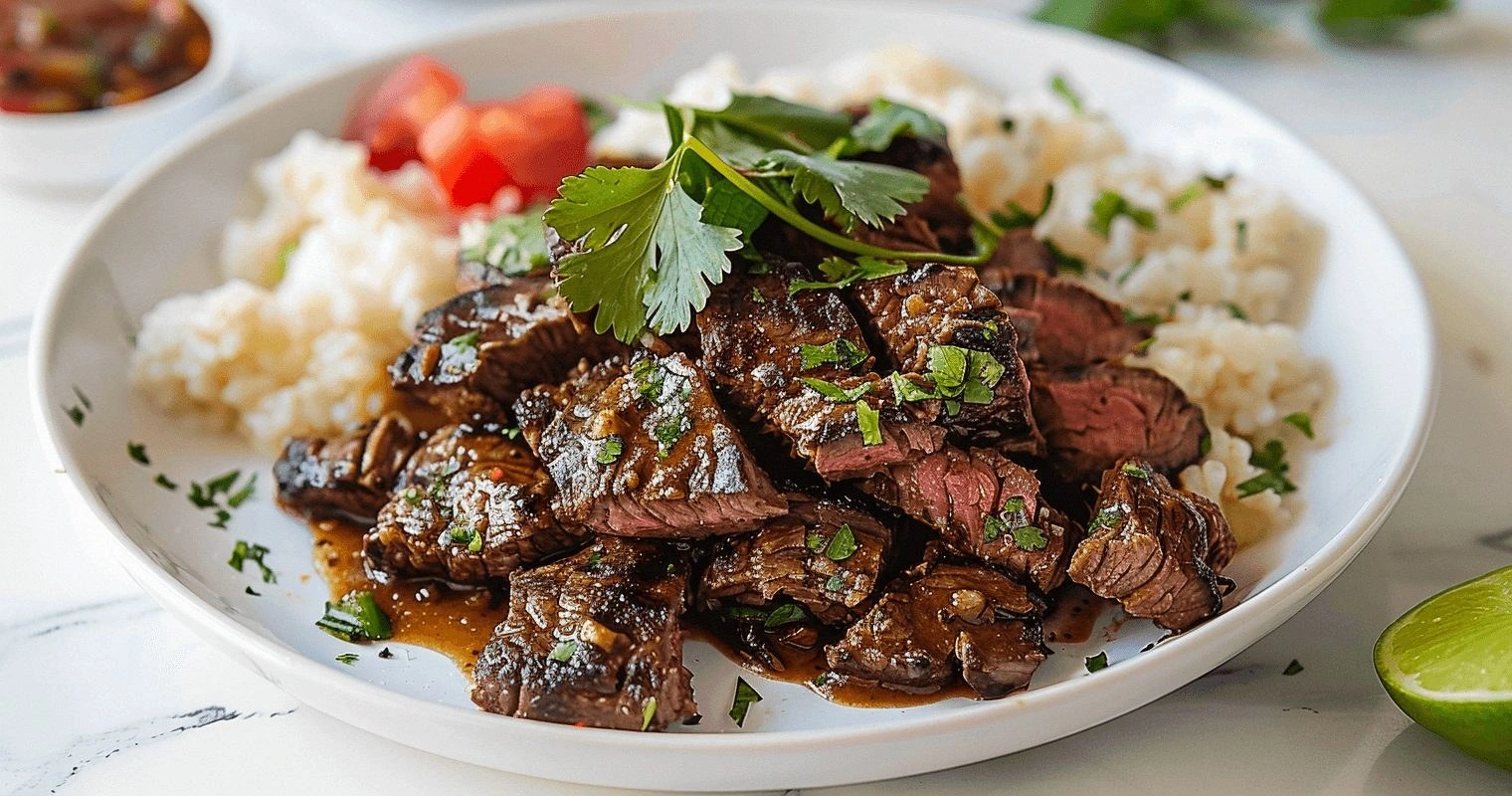
I'll be honest — I ate half the batch before anyone else got to try it. There I was, standing over my kitchen counter at 11:47 PM, juice running down my wrist, the smoky chipotle perfume clinging to my hair like I'd been dancing around a campfire. The steak was supposed to last through tomorrow's meal-prep containers, but the crispy-charred edges kept whispering "just one more bite" until the cutting board looked like a crime scene. If you've ever struggled with rubbery, bland steak that tastes more like punishment than dinner, you're not alone — and I've got the fix. This chipotle steak recipe is the one that made my neighbor bang on the wall at midnight because the smell drifted through the vents and tortured him. Picture yourself pulling this out of the pan, the whole kitchen smelling like a taqueria collided with a steakhouse, and tell me you wouldn't do the same.
Most recipes get this completely wrong. They treat chipotle like a hot sauce bomb instead of the complex, fruity, smoky chile it actually is. They slap some canned adobo on a sirloin, call it a day, and wonder why dinner tastes like a dusty spice rack sneezed on shoe leather. Here's what actually works: you build layers — first a dry rub that crackles like a campfire, then a wet paste that clings to every fiber of the meat, finally a quick sear that caramelizes the sugars into a lacquer so shiny you could check your reflection. Okay, ready for the game-changer? We're going to reverse-sear this beauty, which means we cook it low and slow until it's perfectly medium-rare edge to edge, then blast it over ripping heat so the outside turns into a mahogany crust that shatters like thin ice under your fork.
The first time I served this to my carnivore friends, one of them — a guy who thinks salt is an exotic spice — actually closed his eyes and muttered something inappropriate. That's the power we're dealing with. The chipotle doesn't just bring heat; it brings fruit, smoke, and this haunting depth that makes people ask "what is that?" between greedy bites. Stay with me here — this is worth it. By the time we're done, you'll know exactly how to pick a steak that responds to chipotle like they were born dance partners, how to bloom the spices so they sing instead of scream, and how to rest the meat so every slice stays ruby-juicy instead of bleeding out on the board.
Let me walk you through every single step — by the end, you'll wonder how you ever made it any other way.
What Makes This Version Stand Out
Reverse-sear revolution: Instead of the usual sear-then-roast routine that leaves you with a gray band of overcooked meat, we flip the script. Low oven heat gently brings the steak to perfect doneness, then a screaming-hot cast-iron delivers the crust in ninety seconds flat. The result is edge-to-edge pink with a crust so dark and glossy it looks like patent leather.
Two-stage spice attack: First, a dry rub of toasted cumin, brown sugar, and smoked paprika penetrates the meat while it comes to room temp. Later, a wet paste of minced chipotle in adobo, garlic, and lime zest gets painted on right before the sear, creating sticky, caramelized pockets of flavor that taste like they took hours to achieve.
Butter baste finale: While the steak rests, we deglaze the pan with a knob of butter, a splash of beer, and the leftover marinade. This becomes a glossy sauce that you spoon over the sliced meat — think smoky, slightly bitter, malty goodness that makes every bite feel like it's wearing a tuxedo.
Make-ahead magic: Rub the steak the night before, pop it in the fridge, and you're twenty minutes away from dinner the next day. The salt in the rub works like a dry brine, so the meat seasons all the way through and holds onto moisture like a sponge.
Crowd reaction guarantee: I've served this at baby showers, football parties, and once at a book club where nobody actually read the book. Every single time, at least one person asks for the recipe mid-chew. Fair warning: you will become the designated steak person for life.
Scalable for any cut: Rib-eye, strip, even a humble flank steak transforms under this treatment. The technique stays identical; only the final internal temp changes. Once you learn the method, you can apply it to anything that once mooed.
Alright, let's break down exactly what goes into this masterpiece...
Inside the Ingredient List
The Flavor Base
Chipotle peppers in adobo are the heart and soul here — not the sauce, the actual peppers. You want two plump chiles for every pound of steak; scrape out the seeds if you're spice-shy, but keep them if you like a gentle back-of-the-throat glow. The adobo sauce itself is a tangy tomato-vinegar concentrate that we'll thin with lime juice to make a paintable glaze. Don't you dare use chipotle powder and call it a day — it's like comparing a live guitar solo to a ringtone. Fresh garlic gets micro-planed so it dissolves into the paste; no one wants to bite into a rogue chunk when they're trying to look sophisticated.
The Texture Crew
Brown sugar isn't just for sweetness — it's hygroscopic, so it pulls moisture from the air and keeps the surface of the steak tacky, helping that crust form. Smoked paprika adds another layer of smoke without more heat; think of it as the bass line that lets chipotle's guitar solo soar. A whisper of cinnamon tricks your brain into tasting complexity you can't quite name, the same way a tiny pinch of nutmeg makes spinach taste like it was kissed by angels. Kosher salt is non-negotiable — its big flakes distribute evenly and draw out protein-rich juices that will later caramelize into flavor bombs.
The Unexpected Star
Here's the curveball: a teaspoon of instant espresso powder. It doesn't make the steak taste like coffee; it amplifies the beefiness the way a frame makes a painting pop. The bitterness marries with the chipotle's smoke and the meat's natural umami, creating a depth that makes people say "I can't put my finger on why this tastes so... more." If you skip it, the steak will still be delicious, but it will be like watching a 3D movie without the glasses — good, but you're aware something's missing.
The Final Flourish
After the steak rests, we park the pan back over medium heat and deglaze with a splash of dark beer — nothing fancy, just something malty. A tablespoon of cold butter swirled in at the end gives the sauce body that clings to each slice like a silk scarf. Finish with a squeeze of fresh lime to brighten all that richness, and a handful of chopped cilantro if you're one of those people who doesn't think it tastes like soap. Taste and adjust; sometimes the beer is sweeter, sometimes the limes are tarter, so your palate is the final scale.
Everything's prepped? Good. Let's get into the real action...
The Method — Step by Step
- Pat and Score: Start with a steak that's at least 1¼ inches thick — anything thinner cooks through before the crust forms. Pat it absolutely dry with paper towels; moisture is the enemy of browning. Using a sharp knife, score the fat cap in a crosshatch pattern, cutting just through the fat but not into the meat. This prevents the steak from curling up like a scroll when it hits the hot pan, and it gives the rub more surface area to cling to. Think of it as giving your steak a really good exfoliation.
- Rub It Right: In a small bowl, combine two tablespoons brown sugar, one tablespoon kosher salt, two teaspoons smoked paprika, one teaspoon ground cumin, half a teaspoon each of black pepper and espresso powder, and a pinch of cinnamon. Mix until it smells like a Mexican spice market had a baby with a coffeehouse. Pat this all over the steak, really massaging it in like you're paying for a luxury spa treatment. Don't forget the sides — crust should be a 360-degree experience. Let it sit uncovered in the fridge for at least an hour, or up to 24 if you're planning ahead.
- Low and Slow Setup: Preheat your oven to 250°F — yes, that low. Place a wire rack over a rimmed baking sheet; airflow is crucial for even cooking. Insert a probe thermometer horizontally into the thickest part of the steak, aiming for the center without touching fat or bone. Slide the whole setup into the oven and set the alarm for 90°F for rare, 100°F for medium-rare, or 110°F if you like it more done. This could take anywhere from 25 to 45 minutes depending on thickness, so start checking after 20.
- Chipotle Paste Magic: While the steak warms, mince two chipotle peppers until they look like angry red confetti. Add one grated garlic clove, the zest of half a lime, a teaspoon of the adobo sauce, and a splash of olive oil to make a spreadable paste. It should be the consistency of spicy toothpaste — thick enough to stay put, thin enough to paint. Taste it straight and feel the smoky heat bloom across your tongue; if it's too fiery, tame it with a teaspoon of honey. This next part? Pure magic.
- Sear Station: When the steak hits its target temp, pull it out and let it rest while you heat the heaviest pan you own over high heat. You want it so hot that a drop of water skitters across the surface like it's scared. Add a high-smoke-point oil — avocado or refined peanut — and swirl to coat. The surface should shimmer like a mirage; if it starts smoking immediately, you're there. This is not the time to check your phone — things move fast from here.
- Crust Creation: Brush the steak all over with the chipotle paste; it should cling in a thin, ruby film. Lay it away from you into the pan — that sizzle when it hits? Absolute perfection. Do not move it for 90 seconds; moving is how you tear the crust and end up with sad, gray meat. After a minute and a half, peek underneath using tongs; you're looking for a crust the color of antique mahogany. If it's pale, give it another 30 seconds. Flip and repeat on the other side.
- Butter Baste Finish: Drop the heat to medium, scoot the steak to one side, and add a tablespoon of butter, a crushed garlic clove, and a sprig of thyme to the empty space. Tilt the pan so the butter pools near you and spoon it repeatedly over the steak — this is called arrosé and it flavors and colors the crust. The butter will foam and smell nutty; if it smells burnt, you've gone too far. Thirty seconds of this luxurious spa treatment is plenty.
- Rest and Relax: Transfer the steak to a board, tent loosely with foil, and walk away for five minutes. I know it smells like heaven and you're starving, but cutting now is like popping a balloon — all the juices run out and you're left with shoe leather. During this rest, the proteins relax and reabsorb their juices, so every slice stays ruby and succulent. While you wait, make the pan sauce.
- Pan Sauce Alchemy: Pour off all but a teaspoon of the fat, return the pan to medium heat, and add a quarter cup of dark beer. It will hiss and steam like it's angry about its fate; scrape the bottom with a wooden spoon to dissolve the caramelized bits. Let it reduce by half, then swirl in a tablespoon of cold butter to thicken and gloss. Finish with a squeeze of lime and a pinch of salt; taste and adjust until it's a balance of smoky, tangy, and malty.
- Slice and Serve: Using a long sharp knife, slice the steak against the grain into pencil-thick pieces. The center should be pink from edge to edge with a narrow band of crusty heaven. Fan the slices on a platter, drizzle with the pan sauce, and shower with chopped cilantro if you're feeling fancy. The first bite should taste like a campfire singed by lime — smoky, bright, beefy, and just hot enough to make your lips tingle pleasantly.
That's it — you did it. But hold on, I've got a few more tricks that'll take this to another level...
Insider Tricks for Flawless Results
The Temperature Rule Nobody Follows
Pull the steak out of the oven 10 degrees before your target doneness — it will rise another 5-7 degrees while searing and resting. A friend tried skipping this step once; let's just say his "medium-rare" looked like a hockey puck wearing a tan. If you're cooking for a crowd, hold the finished steaks on a wire rack in a 200°F oven while you sear the rest — they'll stay juicy for up to 30 minutes.
Why Your Nose Knows Best
Trust your senses more than the clock. When the cumin in the rub smells toasty and the garlic in the paste loses its raw edge, you're there. The steak should feel supple, not stiff, when poked — rigor means it's still tense and will eat tough. And when the pan sauce smells malty and slightly bitter, pull it off the heat; reduce too far and it becomes a sticky, salty tar.
The 5-Minute Rest That Changes Everything
I know five minutes feels like an eternity when the steak is singing its siren song, but it's the difference between a puddle of pink juice on the board and juice that stays locked inside each slice. Tent loosely with foil — too tight and it steams the crust soft. If you're really impatient, rest it on a warm plate; just don't wrap it like a burrito or you'll lose that gorgeous crust you worked for.
Creative Twists and Variations
This recipe is a playground. Here are some of my favorite ways to switch things up:
Coffee-Cocoa Crust
Swap the espresso powder for a teaspoon each of cocoa powder and finely ground dark coffee. The result is a mole-like crust that tastes like Oaxaca in autumn. Serve with grilled pineapple for a sweet-smoky contrast that'll make you feel like you're on vacation.
Honey-Chipotle Glaze
Stir a tablespoon of honey into the chipotle paste for a sticky-sweet heat that clings like barbecue sauce. Brush it on during the last 30 seconds of searing so the sugars caramelize but don't burn. Kids love this version — it's like candied meat, but classy.
Citrus Swap
Replace the lime zest with orange and add a splash of orange juice to the pan sauce. The brighter citrus lifts the smoke and makes the whole dish feel sunnier. Perfect for summer grilling when you want the flavors but not the indoor heat.
Herb-Infused Butter
Instead of plain butter for the baste, use compound butter spiked with cilantro stems and a pinch of ancho chile. The herb oils perfume the crust and the mild ancho adds another layer of chile complexity without more heat. It's subtle, but people will notice something extra.
Surf-and-Turf Tacos
Slice the finished steak thin and toss with quickly seared shrimp also brushed with the chipotle paste. Pile into warm corn tortillas with avocado and pickled red onion for tacos that taste like a beach party in Baja. I dare you to taste this and not go back for seconds.
Vegetarian Power Move
Portobello caps rubbed with the same spice blend and roasted, then glazed with the chipotle paste, give you all the smoke and spice without the meat. Serve over cheesy polenta and even the steak purists will sneak bites.
Storing and Bringing It Back to Life
Fridge Storage
Let leftover steak cool completely, then wrap tightly in foil or store in an airtight container. It keeps up to four days, but honestly it's never lasted that long in my house. For best texture, reheat gently in a covered skillet with a splash of broth over low heat — just until warmed through, about three minutes. Microwaves turn it into tire rubber; resist the urge unless you enjoy chewing sadness.
Freezer Friendly
Slice the cooled steak and freeze individual portions flat in zipper bags with the air pressed out. They'll keep up to three months and thaw in under 20 minutes on the counter. Drop frozen slices directly into hot soup or chili for instant smoky depth, or flash-sear for steak-and-egg breakfasts that feel extravagant on a Tuesday.
Best Reheating Method
Add a tiny splash of water to the pan before reheating — it steams back to perfection without drying out. Cover with a lid for the first minute, then uncover for the last 30 seconds to re-crisp the edges. Leftover pan sauce can be frozen in ice cube trays; pop one into vegetable soup and suddenly dinner tastes like you planned it all along.