Picture this: you’re in a cramped kitchen, the fridge is a cold, unyielding wall, and you’ve just realized the only thing left for breakfast is a stale loaf of bread and a handful of eggs. You’re staring at a blank canvas, half‑expecting a culinary disaster. Then, like a flash of inspiration, you remember that one friend’s grandma’s crème brûlée recipe that turned any ordinary Sunday into a show‑stopping affair. That memory sparks a craving so fierce it practically demands you to turn breakfast into a dessert‑themed spectacle.
I closed my eyes, inhaled the sweet scent of vanilla and nutmeg, and imagined the buttery, caramelized crust cracking open with a satisfying snap, revealing a custard‑laden, airy French toast inside. The sound of the skillet sizzling, the aroma of toasted brioche mingling with creamy custard, the feel of the bread’s soft crumb against my fingertips—all of it was a promise of indulgence. If you’ve ever tried to make French toast that ends up soggy or bland, this version is your redemption story. Trust me, the first bite will make you question every other French toast recipe you’ve ever followed.
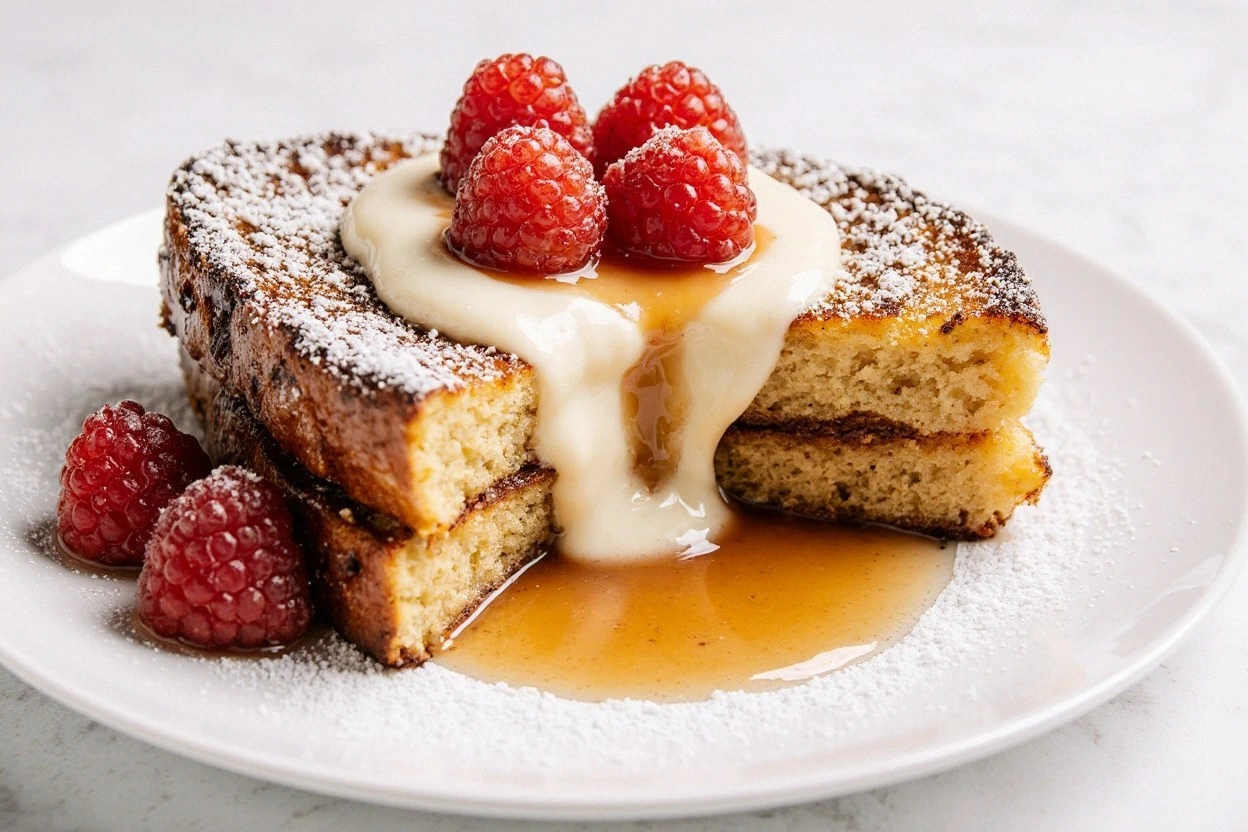
What sets this crème brûlée French toast apart is the marriage of classic French custard technique with the comforting familiarity of a brunch staple. The custard is thickened by a generous splash of heavy cream, giving the bread a silky interior that melts in your mouth. The crust, caramelized to a perfect golden brown, offers a contrasting crunch that shatters like thin ice. It’s the kind of dish that feels both luxurious and unpretentiously homey.
There’s a secret twist I’ll let you in on: a subtle layer of brown sugar on the bread before it’s soaked, and a final dusting of ground nutmeg that adds depth without overpowering. I dare you to taste this and not go back for seconds. Picture yourself pulling this out of the oven, the whole kitchen smelling incredible, and knowing that you’ve just made the best brunch of your life. Let me walk you through every single step — by the end, you’ll wonder how you ever made it any other way.
What Makes This Version Stand Out
- Flavor Depth: The custard is enriched with heavy cream and vanilla, creating layers of sweet, buttery richness that go beyond standard French toast.
- Texture Contrast: The caramelized crust delivers a satisfying crunch, while the interior remains pillowy, offering a sensory dance in every bite.
- Time Efficiency: Though it involves a custard bath, the overall prep and cook time stays under an hour, making it ideal for busy brunches.
- Ingredient Simplicity: Only eight ingredients—no fancy sauces or obscure spices—yet the result feels gourmet.
- Make‑Ahead Friendly: You can soak the bread and chill the custard mixture overnight; just pop it in the skillet when ready.
- Visual Appeal: The golden crust and caramelized sugar crystals look like a work of art, instantly elevating any brunch table.
- Versatility: Swap brioche for challah, or add a splash of almond milk for a nutty twist—this base adapts to your pantry.
- Crowd‑Pleaser: Even the most skeptical diners will be wowed by the custard’s velvety interior and the sweet, crisp exterior.
Alright, let's break down exactly what goes into this masterpiece...
Inside the Ingredient List
The Flavor Base
The custard begins with four large eggs that provide structure and richness. Whole milk adds a creamy texture without diluting the flavor, while heavy cream amplifies the silkiness, making the interior melt-in-your-mouth. Vanilla extract is the secret hero that brings aromatic sweetness, binding the flavors together. Ground nutmeg, though used sparingly, offers a warm, peppery note that echoes the classic crème brûlée profile.
The Texture Crew
Brown sugar, in two distinct measures, plays a dual role: the 0.5 cup in the custard bath sweetens the mixture, while the 2 tablespoons sprinkled on the bread create a crisp, caramelized exterior. The brioche or challah loaf, chosen for its airy crumb, absorbs the custard without disintegrating. The bread’s thickness matters; a 1-inch slice ensures a sturdy yet tender foundation for the custard.
The Unexpected Star
Heavy cream, often overlooked in simple French toast, elevates the dish to a dessert level. Its fat content creates a glossy finish and a mouthfeel that feels like a luxury indulgence. Skipping it would leave the custard thin and less decadent, so keep it in the mix.
The Final Flourish
The final touch—caramelizing the brown sugar on the bread—provides that signature crackling sound and visual sparkle. A light dusting of ground nutmeg after baking adds aroma and a subtle heat that lingers. This finishing step transforms ordinary French toast into a showstopper.
Everything's prepped? Good. Let's get into the real action...
The Method — Step by Step
- Step 1: Prepare the Custard. In a medium bowl, whisk together the eggs, whole milk, heavy cream, vanilla extract, ground nutmeg, and 0.5 cup brown sugar until fully blended. The mixture should be smooth with no lumps, resembling a thick, glossy custard. Set aside; this will be your soaking liquid. I dare you to taste it—there’s a subtle sweetness that’s almost addictive. Keep it at room temperature; it will thicken if left too long in the fridge.
- Step 2: Slice the Bread. Cut the brioche or challah loaf into 1‑inch thick slices. Don’t cut too thin, or the bread will become mushy; too thick, and it won’t absorb enough custard. Place the slices in a shallow dish or on a baking sheet lined with parchment. This layout helps you keep track of which slices have soaked.
- Step 3: Soak the Bread. Pour the custard over the slices, ensuring each piece is fully submerged. Let the bread soak for 10–12 minutes, flipping halfway through. The bread should expand and become silky but not fall apart. If you’re short on time, a quick 5‑minute soak can work, but the flavor depth will be slightly reduced.
- Step 4: Preheat the Skillet. Heat a large non‑stick skillet over medium heat and add a knob of butter. Allow the butter to foam but not brown. This creates a buttery base that will caramelize the sugar on the bread. Keep an eye on the temperature; too hot, and the sugar will burn; too low, and it won’t crisp.
- Step 5: Cook the Toast. Place the soaked slices onto the hot skillet. Sprinkle 2 tablespoons of brown sugar evenly over each slice. The sugar should begin to sizzle, forming a thin crust. Cook each side for 3–4 minutes, or until the crust is golden brown and the custard inside is set. Watch out for the sugar to burn—adjust the heat if necessary. The scent of caramelizing sugar will fill your kitchen and signal that you’re close to perfection.
- Step 6: Flip and Finish. Flip the slices carefully with a spatula. The second side will develop a similar crust. After the second side is browned, reduce heat to low and let the toast rest for 2 minutes. This resting period allows the custard to set fully, preventing a runny interior when sliced.
- Step 7: Add the Final Touch. While the toast rests, sprinkle a light dusting of ground nutmeg over each slice. This final aromatic layer enhances the crème brûlée flavor profile. If you prefer a sweeter finish, add a drizzle of maple syrup or a dusting of powdered sugar. The combination of nutmeg and sugar creates a balanced, indulgent finish.
- Step 8: Serve Immediately. Plate the toast on warm dishes to maintain the crisp crust. Add a side of fresh berries or a dollop of whipped cream for extra flair. The first bite should reveal a caramelized exterior that cracks with a satisfying snap, revealing a creamy, custard‑filled interior. If you’re serving guests, consider setting a small torch nearby for a dramatic caramelizing touch right before serving.
- Step 9: Enjoy the Moment. Take a deep breath, let the aroma envelop you, and savor each bite. I dare you to taste this and not go back for seconds. The combination of textures and flavors is so compelling that even the most skeptical diners will be wowed. Remember, the secret lies in the balance of sweetness, crunch, and silky custard—treat each step with care, and the result will be unforgettable.
That's it — you did it. But hold on, I've got a few more tricks that'll take this to another level...
Insider Tricks for Flawless Results
The Temperature Rule Nobody Follows
Many people cook French toast on high heat, which can burn the exterior before the custard sets. I’ve found that medium‑low heat allows the custard to thicken gently while the crust caramelizes slowly. Keep the skillet at a steady 350°F (175°C) and use a thermometer if you’re serious about consistency. This technique ensures every slice has a uniform, golden finish.
Why Your Nose Knows Best
The aroma of caramelizing sugar is the first indicator that your toast is ready. When you smell the sweet, nutty scent rising from the skillet, the crust has reached its peak. If you wait too long, the sugar will turn bitter; if you’re too early, the custard will be runny. Trust your nose, and you’ll always hit that sweet spot.
The 5‑Minute Rest That Changes Everything
After flipping, let the toast rest for exactly five minutes before serving. This brief pause allows the custard to set completely, preventing a liquid center that spills onto your plate. During this time, the crust continues to crisp slightly, giving you that perfect snap when you bite in. It’s a small detail that makes a huge difference.
Keep It Cool Until Serve
If you’re preparing ahead, keep the soaked slices in a covered container in the refrigerator. When you’re ready to cook, let them come to room temperature for 10 minutes. This prevents a sudden temperature shock that can cause uneven cooking or a soggy crust. The bread will still absorb the custard well and stay fluffy inside.
Add a Splash of Lemon Zest
A pinch of fresh lemon zest in the custard adds a bright contrast that lifts the sweetness. It also enhances the nutmeg’s warmth, creating a more complex flavor profile. Use a microplane to zest a small orange or lemon; just a teaspoon will do. This tweak is perfect for those who like a bit of acidity to balance the richness.
Serve With a Side of Fresh Berries
A handful of blueberries, raspberries, or sliced strawberries adds color, tartness, and a burst of juiciness. The berries’ acidity cuts through the creaminess, while their natural sugars complement the caramelized crust. Toss the berries with a splash of lemon juice and a sprinkle of sugar for an extra layer of flavor.
Creative Twists and Variations
This recipe is a playground. Here are some of my favorite ways to switch things up:
Maple‑Infused Crème Brûlée Toast
Swap the vanilla extract with a tablespoon of pure maple syrup. The syrup’s earthy sweetness pairs beautifully with the nutmeg, creating a maple‑infused custard. Finish with a drizzle of maple on top for a decadent twist that’s perfect for fall brunches.
Almond‑Butter Bliss
Replace the heavy cream with almond milk and add a tablespoon of almond butter to the custard. The nutty flavor complements the brioche, and the almond butter adds a silky texture. Serve with toasted almond slivers for added crunch.
Chocolate‑Covered Delight
Add a tablespoon of unsweetened cocoa powder to the custard for a subtle chocolate undertone. After cooking, dust the toast with powdered sugar and a light sprinkle of sea salt. The chocolate and sea salt contrast create a sophisticated flavor profile.
Berry‑Burst Variation
Fold fresh blueberries or raspberries into the custard before soaking the bread. The berries will burst in the custard, adding bursts of flavor with each bite. Finish with a spoonful of whipped cream and a drizzle of berry coulis for a vibrant finish.
Spiced Citrus Twist
Add a pinch of ground cinnamon and a zest of orange to the custard. The citrus brightens the richness, while the cinnamon adds warmth. This variation is especially refreshing during the winter months, balancing sweetness with a hint of spice.
Savory Spin with Parmesan
For a savory take, replace the brown sugar on the bread with grated Parmesan cheese. The cheese crisps into a golden crust while the custard remains creamy. Serve with a side of sautéed spinach and a splash of balsamic glaze for a complete brunch plate.
Storing and Bringing It Back to Life
Fridge Storage
Store uncooked soaked slices in a sealed container in the refrigerator for up to 24 hours. When ready to cook, allow them to sit at room temperature for 10 minutes to prevent a temperature shock. This method keeps the bread from becoming overly soft and ensures a crisp crust.
Freezer Friendly
For longer storage, wrap the soaked slices individually in parchment paper and place them in a freezer bag. They can be frozen for up to 3 weeks. Thaw overnight in the refrigerator before cooking. The custard mixture can also be frozen separately and thawed in the refrigerator, though the texture may slightly change.
Best Reheating Method
To reheat, preheat a skillet over low heat and lightly butter it. Place the toast slices in the skillet and warm for 2–3 minutes on each side, until the crust is crisp and the interior is heated through. Add a splash of water (just a tablespoon) before covering the skillet with a lid; the steam will help restore the custard’s softness without drying it out. Finish with a quick dusting of nutmeg and a drizzle of honey.