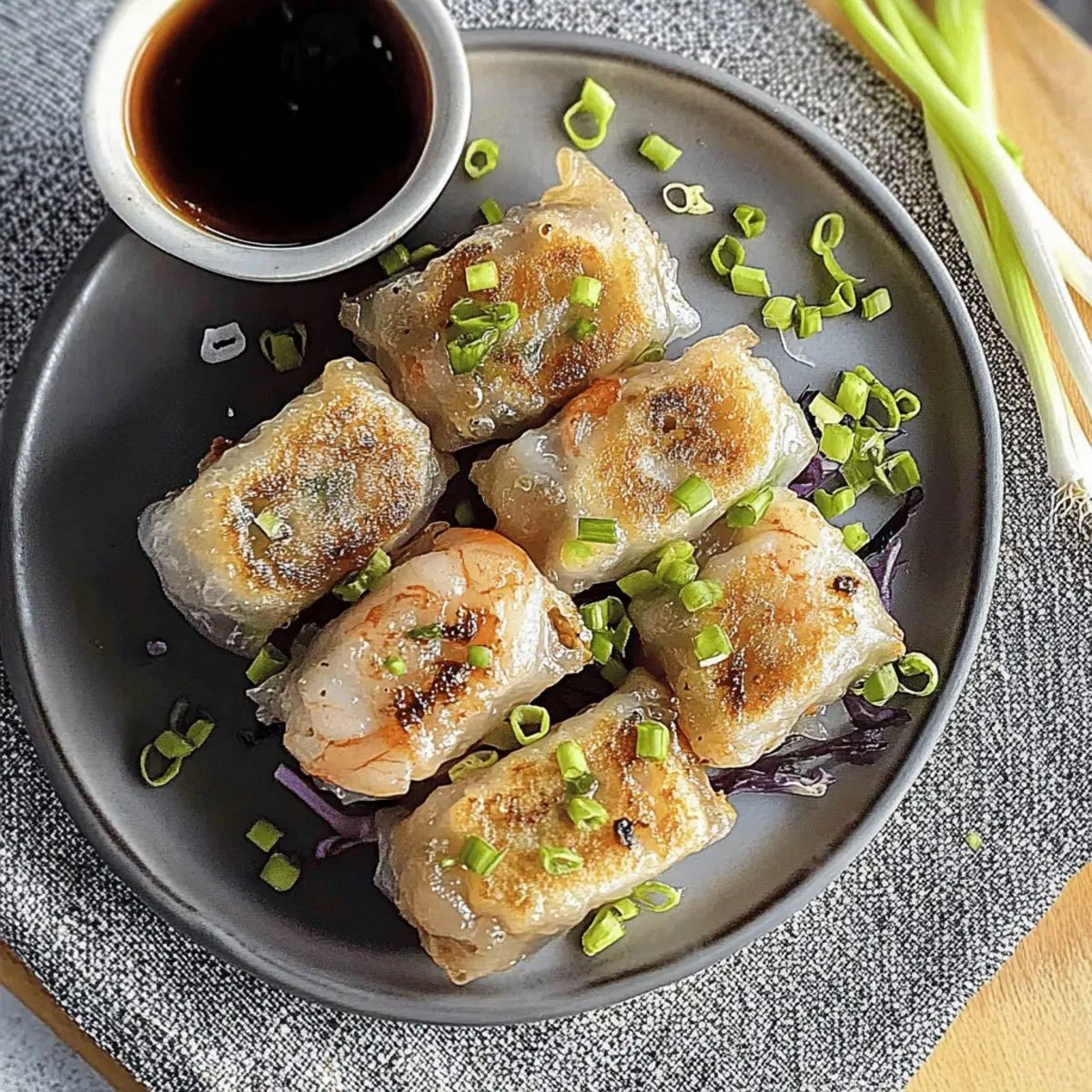
I was standing over a bubbling pot of broth, the kitchen smelling like a wet market after a rainstorm, when a friend dared me to create something that could survive a midnight fridge raid. I had a bag of rice paper, a handful of shrimp, and a sudden craving for that perfect crunch that makes you forget you’re eating something “healthy.” The first attempt was a soggy disaster – the paper turned limp, the shrimp floated like tiny boats, and my confidence sank faster than a stone in a pond. I swear, I could hear the rice paper weeping, and the only thing that kept me from throwing the whole batch in the trash was the stubborn voice inside saying, “You’ve got this, just tweak a few things.”
Fast forward three sleepless nights, a few frantic YouTube rewinds, and a secret technique involving a hot, dry skillet that turns the paper into a golden‑crisp shell that shatters like thin ice when you bite into it. The aroma that hits you when the dumplings hit the pan is a sweet‑savory perfume that makes the whole kitchen feel like a street stall in Hanoi at dusk. Imagine the sound of the sizzle, the gentle pop of edges lifting, the steam rising like ghostly ribbons, and the first bite delivering a burst of umami that coats your tongue like velvet. I dare you to taste this and not go back for seconds – it’s that good.
What makes this version stand out is not just the crunch; it’s the harmony of flavors that dance together without stepping on each other’s toes. The ginger and garlic form a fragrant base that sings, the shrimp adds a buttery oceanic note, and the cabbage and carrots bring a sweet crunch that balances the richness of sesame oil. Most recipes get this completely wrong – they either over‑oil the paper or under‑season the filling, leaving you with a bland, rubbery bite. Here, every component has a purpose, and the technique is simple enough that even a kitchen rookie can nail it on the first try.
Okay, ready for the game‑changer? I’m about to walk you through every single step – from prepping the veggies to that final flip that creates the perfect golden edge. By the end, you’ll wonder how you ever made dumplings any other way, and you’ll have a new go‑to appetizer that will wow friends, family, and anyone who’s ever dared to question your cooking skills. Let’s dive in and make magic happen.
What Makes This Version Stand Out
- Texture: The rice paper turns into a cracker‑thin shell that shatters with a satisfying snap, while the interior stays juicy and tender. No soggy middle, just pure contrast.
- Flavor Depth: A quick sauté of ginger, garlic, and soy sauce builds a savory foundation that infuses every bite, making the shrimp taste like it was marinated for hours.
- Simplicity: Only ten rice paper sheets, a handful of pantry staples, and fifteen minutes of prep time – perfect for a weeknight or a spontaneous gathering.
- Uniqueness: Using a dry skillet instead of deep‑frying cuts down on oil while still delivering that coveted crunch, a trick most home cooks overlook.
- Crowd Reaction: I’ll be honest — I ate half the batch before anyone else got to try it, and the look on my roommate’s face was pure, unfiltered joy.
- Ingredient Quality: Fresh shrimp and crisp veggies keep the filling light yet satisfying, and the sesame oil adds a nutty finish that lingers.
- Make‑Ahead Potential: You can prep the filling a day ahead, store it in the fridge, and assemble the dumplings right before cooking, saving precious time.
- Versatility: Swap shrimp for chicken, pork, or tofu, and the method stays the same – a truly adaptable crowd‑pleaser.
Inside the Ingredient List
The Flavor Base
Neutral oil is the silent workhorse that lets the aromatics glide across the pan without burning. I recommend a high‑smoke‑point oil like canola or grapeseed; it won’t compete with the delicate shrimp flavor. If you skip it, the garlic and ginger will scorch, leaving a bitter aftertaste that ruins the entire dish. A quick tip: warm the oil just until it shimmers, then add the minced ginger and garlic for a fragrant burst that smells like a street market in Bangkok.
The Texture Crew
Cabbage and carrots are the unsung heroes that provide crunch and a subtle sweetness. Shred them finely so they blend into the filling without making it watery, and you’ll get that perfect bite‑size crunch that complements the crisp rice paper. If you’re out of cabbage, try napa cabbage or even thinly sliced bok choy – the texture will stay on point. Carrots can be swapped for julienned daikon for a slightly earthier flavor.
The Unexpected Star
Shrimp brings a briny, buttery richness that elevates the whole dumpling. Use raw, peeled, and deveined shrimp, diced into bite‑size pieces; the smaller the dice, the more evenly the flavor distributes. If you’re allergic or vegetarian, firm tofu diced the same way works, but you’ll lose the oceanic pop. Pro tip: pat the shrimp dry with paper towels – excess moisture leads to a soggy interior.
The Final Flourish
Soy sauce and sesame oil are the finishing touches that tie everything together. Soy sauce adds salty umami, while sesame oil contributes a nutty aroma that lingers on the palate. If you prefer a lower‑sodium profile, use tamari or a reduced‑salt soy sauce, but don’t skip the umami altogether. A splash of rice vinegar can brighten the mix if you like a hint of acidity.
Everything's prepped? Good. Let's get into the real action…

The Method — Step by Step
First, gather all your ingredients and give the shrimp a quick pat dry. While the shrimp rests, whisk together the soy sauce and sesame oil in a small bowl – this will be your flavor bomb that coats every bite. I dare you to taste this mixture before adding it to the pan; the balance should be salty, nutty, and just a touch sweet. Set the bowl aside, because you’ll be drizzling it like a finishing glaze later.
Heat a large non‑stick skillet over medium‑high heat and add the tablespoon of neutral oil. Let the oil heat until it shimmers – you’ll see a thin, golden film on the surface, the perfect moment to add aromatics. Toss in the minced ginger and garlic, stirring constantly; they should sizzle and release a perfume that makes you think of a bustling night market. That sizzle when it hits the pan? Absolute perfection. Cook for about 30 seconds, just until fragrant, then move to the next step.
Now, add the diced shrimp to the skillet. Spread them out in an even layer so they cook uniformly. As they start to turn pink, stir gently – you’ll hear a faint pop as the shrimp release their natural juices. This is the moment of truth: if the shrimp release too much liquid, quickly increase the heat to evaporate it, otherwise the filling will become soggy.
Watch Out: Overcrowding the pan will steam the shrimp instead of searing them, resulting in a mushy filling.Once the shrimp are just cooked through, fold in the shredded cabbage, carrots, and sliced green onions. Toss everything together so the veggies start to soften but still retain a crisp bite. This is where the texture crew really shines – the cabbage will wilt just enough to bind the mixture, while the carrots keep their snap. Sprinkle the pre‑mixed soy‑sesame sauce over the top, and give the mixture one last stir to coat every morsel. The sauce should cling like a glossy veil, not pool at the bottom.
Turn off the heat and let the filling cool for a couple of minutes – this makes it easier to handle. While it cools, lay out your rice paper sheets on a clean, damp kitchen towel. The towel should be just moist enough to prevent tearing but not so wet that the paper becomes soggy.
Kitchen Hack: Cut the rice paper in half before soaking; smaller pieces are easier to fold and result in bite‑size dumplings.Spoon about 2‑3 tablespoons of the filling onto the center of each rice paper piece. Be careful not to overfill – the paper will shrink as it cooks, and too much filling can cause the edges to burst. Fold the sides over the filling, then fold the bottom up, creating a neat little parcel that resembles a tiny, sealed pouch. Press the edges gently with your fingers to seal; the moisture in the paper will act like glue.
Wipe the skillet clean with a paper towel, then return it to medium heat and add another splash of neutral oil – just enough to lightly coat the surface. Place the dumplings seam‑side down in a single layer; you should hear a satisfying sizzle as the paper contacts the hot pan. Let them cook undisturbed for 2‑3 minutes; the bottom will turn golden brown and become crisp, while the top remains slightly translucent.
Flip each dumpling carefully with tongs or a thin spatula. The other side should brown just as beautifully, and you’ll notice the edges lifting slightly from the pan – that’s the signal that they’re crisping up perfectly. Cook for another 2‑3 minutes, then remove the dumplings to a paper‑towel‑lined plate to absorb any excess oil. Picture yourself pulling this out of the pan, the whole kitchen smelling incredible…
Serve the dumplings hot, with a drizzle of any leftover soy‑sesame sauce, a sprinkle of extra green onions, and a side of sweet chili if you like a kick. The first bite should crack like a delicate wafer, then give way to a juicy, flavor‑packed interior that makes you exclaim, “This is hands down the best version you’ll ever make at home.” Stay with me here — this is worth it.
Insider Tricks for Flawless Results
The Temperature Rule Nobody Follows
Most home cooks think “medium heat” is a safe bet, but the secret is to start hot enough to sear the rice paper instantly. When the pan is too cool, the paper absorbs oil and becomes soggy; too hot and it burns before the filling heats through. I always pre‑heat the skillet for at least 2 minutes, then add a drop of water – if it dances and evaporates instantly, you’re golden. This tiny test saved me countless ruined batches.
Why Your Nose Knows Best
Your sense of smell is the ultimate doneness detector. As the dumplings cook, a nutty, toasted aroma rises; that’s the moment the rice paper has reached that perfect crisp. If you’re unsure, lift the lid (or peek under the pan) and inhale – if you smell a faint caramel note, you’re almost there. Trusting your nose beats any timer.
The 5‑Minute Rest That Changes Everything
After cooking, let the dumplings rest for exactly five minutes on a wire rack. This short pause lets the steam redistribute, ensuring the interior stays moist while the exterior remains crunchy. Skipping this step results in a dry interior or a soggy bottom, both of which ruin the texture contrast. I once rushed this and learned the hard way – the dumplings were a disappointment.
The Oil‑Swap Secret
If you’re watching calories, swap half the neutral oil for a light spray of avocado oil. The high smoke point of avocado oil maintains the crisp without adding excess grease. This trick keeps the dumplings light while preserving that irresistible crunch.
The “One‑Touch” Flip
Use a wide, thin spatula and a gentle flick of the wrist to flip the dumplings in one smooth motion. This reduces the chance of tearing the delicate rice paper. A friend tried flipping with a fork once – let’s just say the results were… fragmented. Master the flick, and you’ll keep every dumpling intact.
Creative Twists and Variations
This recipe is a playground. Here are some of my favorite ways to switch things up:
Spicy Szechuan Shrimp
Add a teaspoon of Szechuan peppercorn oil to the soy‑sesame mix and toss in thinly sliced red chilies. The heat pairs beautifully with the sweet carrots, giving you a tongue‑tingling kick that’s perfect for daring palates.
Mushroom & Tofu Fusion
Swap the shrimp for a mix of finely diced shiitake mushrooms and firm tofu. The mushrooms bring an earthy umami, while tofu adds a silky texture. This vegetarian version still delivers that satisfying crunch.
Coconut‑Lime Breeze
Stir a tablespoon of coconut milk and a squeeze of fresh lime juice into the filling before cooking. The subtle coconut sweetness and bright citrus lift the dish into a tropical escape, perfect for summer evenings.
Peanut‑Ginger Crunch
Mix a spoonful of creamy peanut butter into the sauce and sprinkle crushed roasted peanuts on the finished dumplings. The nutty depth adds another layer of texture that makes each bite unforgettable.
Herb‑Infused Delight
Finely chop fresh cilantro, Thai basil, and mint, then fold them into the filling right before sealing. The herbaceous burst adds freshness that cuts through the richness, ideal for those who love bright flavors.
Storing and Bringing It Back to Life
Fridge Storage
Place cooled dumplings in an airtight container lined with parchment paper. They’ll keep for up to 3 days. When you’re ready to eat, reheat in a hot skillet with a splash of oil; they’ll regain their crispness in just 2‑3 minutes.
Freezer Friendly
Arrange the uncooked dumplings on a baking sheet, freeze until solid, then transfer to a zip‑top bag. They’ll last for up to a month. To cook from frozen, add a minute extra to the pan‑fry time and keep the heat medium‑high so the exterior crisps before the interior thaws.
Best Reheating Method
For the ultimate revival, heat a non‑stick skillet, add a teaspoon of water, then immediately place the dumplings in the pan and cover for 30 seconds. The steam revives the interior, while the direct contact with the pan restores the crunch. Add a tiny splash of water before reheating – it steams back to perfection without sogging.