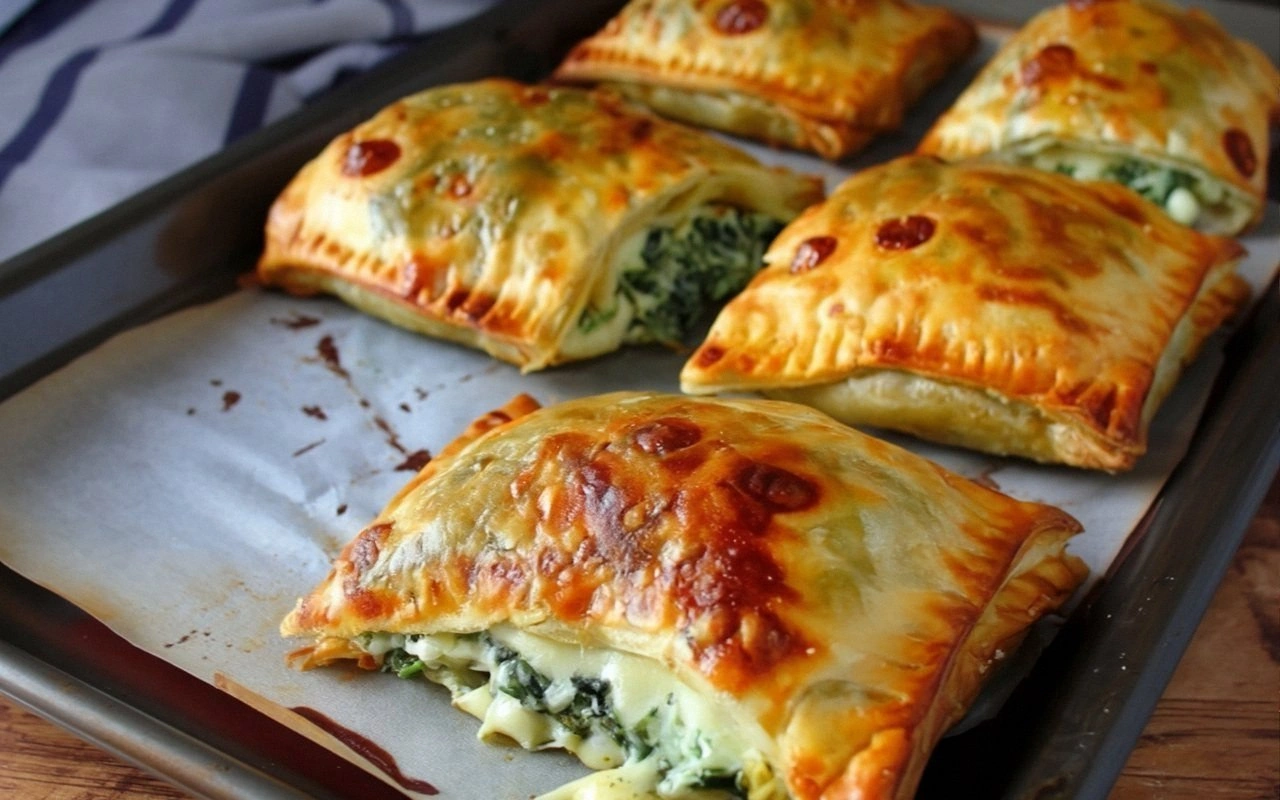
I was standing in my kitchen, staring at a pot of boiling water and a handful of wilted spinach, when the idea struck me like a lightning bolt: what if I could turn that humble green into something that feels like a hug from a grandmother’s kitchen? The aroma of fresh basil and the clatter of a wooden spoon were the soundtrack to my culinary rebellion. I was craving comfort food, but I also wanted to push the boundaries of what a simple spinach ricotta dish could become. So I grabbed my rolling pin, a splash of butter, and a dash of nutmeg, and I set out to create a dish that would make even the most seasoned foodies pause mid-bite. I swear, the moment those spinach leaves hit the pan, the kitchen filled with a buttery, nutty perfume that made my eyes water with anticipation. This is the moment where the ordinary meets the extraordinary, and I’m about to show you how.
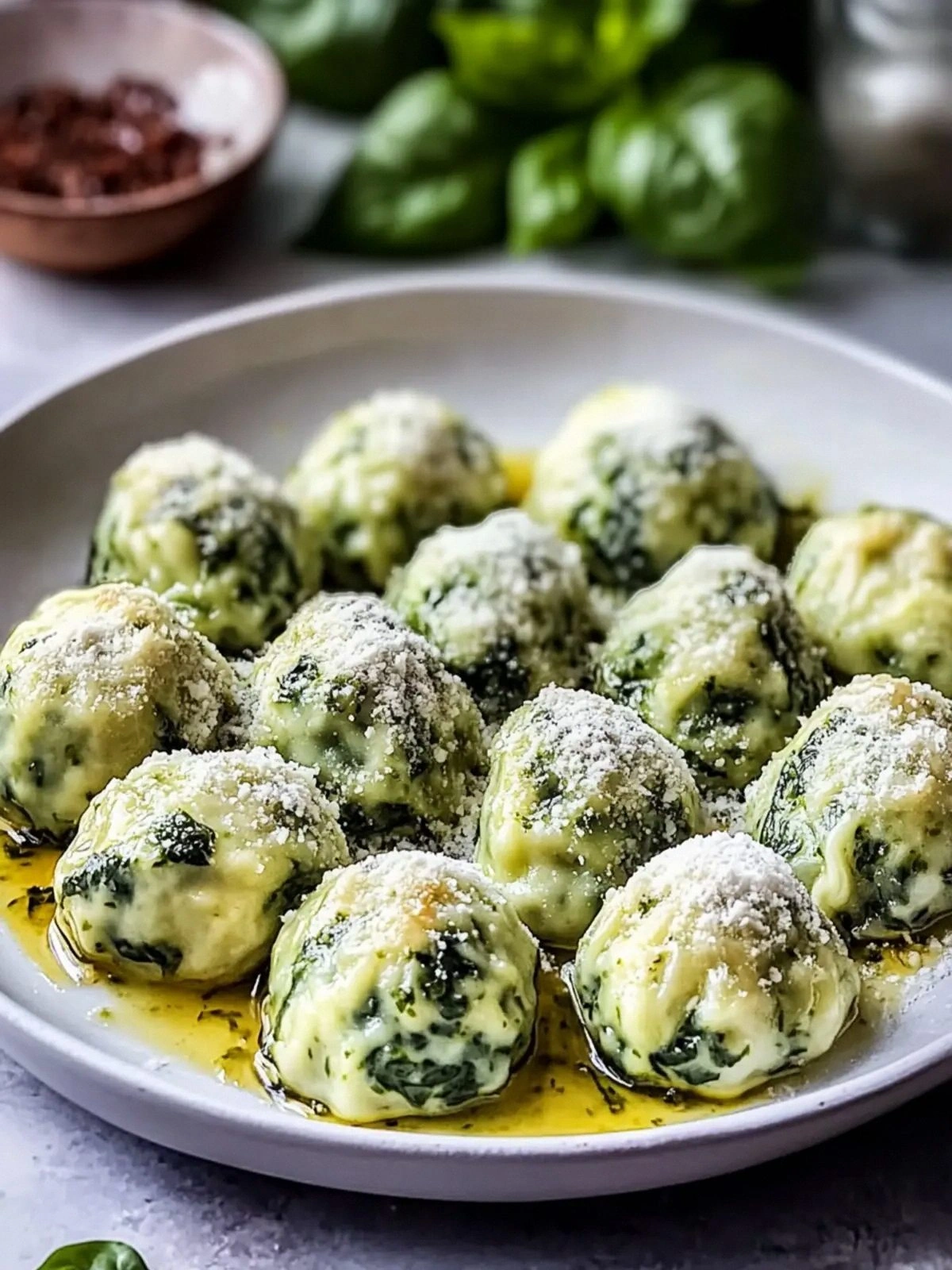
Picture this: a steaming bowl of golden dumplings, each one a pocket of silky ricotta and spinach, nestled in a buttery sage sauce that glistens like a polished marble surface. The first bite is a symphony—soft, airy dough, the sweet, earthy bite of spinach, and the umami punch of parmesan, all wrapped in a subtle nutmeg hug. It’s the kind of dish that makes your taste buds do a little happy dance and your Instagram feed go from bland to brilliant in seconds. I dare you to taste this and not go back for seconds—trust me, it’s addictive. If you’ve ever struggled with making spinach ricotta dumplings that don’t collapse, you’re not alone—and I’ve got the fix. The secret? It’s in the balance of moisture, the timing of the dough, and a little culinary magic that turns every bite into a celebration.
Most recipes get this completely wrong, either by overcooking the spinach or underseasoning the dough. The result is a bland, soggy mess that feels like a missed opportunity. But this version? Hands down the best version you'll ever make at home. I’ve spent hours tweaking, tasting, and tweaking again until the flavor profile was as smooth as a well-aged wine. The dough is light enough to hold the filling without becoming chewy, and the spinach is cooked just enough to keep its vibrant green color and natural sweetness. The nutmeg adds a whisper of warmth that lingers on the palate, making each bite feel like a cozy hug from the inside. And the finish? A buttery sage sauce that coats the pasta like velvet, leaving a lingering aroma that will have your neighbors knocking on the door.
I’ll be honest—after the first batch, I ate half the dumplings before anyone else got to try them. The texture was flawless, the flavor was balanced, and the presentation was Instagram‑worthy. The moment you pull them out of the pan, the whole kitchen smells incredible, and you can almost hear the applause from your future self. If you’re ready for a dish that’s both comforting and sophisticated, let me walk you through every single step—by the end, you’ll wonder how you ever made it any other way. Okay, ready for the game‑changer? This next part? Pure magic. Stay with me here—this is worth it.
What Makes This Version Stand Out
- Flavor: The combination of fresh spinach, creamy ricotta, and sharp parmesan creates a depth of flavor that sings. The nutmeg adds a subtle warmth that elevates the dish beyond ordinary ricotta.
- Texture: The dough is light and airy, yet firm enough to hold the filling, giving each dumpling a perfect bite. The spinach is sautéed to retain its bright green hue and natural sweetness.
- Ease: No complicated steps, just a few simple techniques that even a beginner can master. The dough can be prepared ahead of time, saving you minutes on a busy night.
- Visual Appeal: The golden, buttery glaze gives the dish a glossy finish that looks as good as it tastes. The contrast between the green spinach and the creamy interior is Instagram‑ready.
- Versatility: This recipe works as an appetizer or a main dish, depending on your portion sizes. Add a side of roasted vegetables for a complete meal.
- Ingredient Quality: Using fresh, high‑quality ingredients is key to achieving the best flavor and texture. Fresh spinach and fresh ricotta make all the difference.
- Make‑ahead Potential: The dough and filling can be assembled and frozen, making this dish a lifesaver for weeknight dinners.
- Crowd Reaction: Friends and family rave about how the dumplings melt in your mouth and the sauce coats every bite like velvet.
Alright, let's break down exactly what goes into this masterpiece. And because I love sharing my little hacks that save time and effort, here’s a quick kitchen hack for you.
Inside the Ingredient List
The Flavor Base
Fresh spinach is the star that gives this dish its vibrant color and subtle earthiness. Cook it quickly in a hot pan with a splash of butter to preserve its bright green hue and natural sweetness. If you skip the spinach, the dish loses its signature freshness and becomes a bland ricotta ball. For a slightly different flavor, consider using baby spinach or even kale for a more robust taste.
The Texture Crew
Ricotta cheese provides a creamy, smooth texture that balances the dough’s lightness. It also adds a mild tang that cuts through the richness of the butter and sage. If you can’t find ricotta, cottage cheese can be a quick substitute, though it will change the mouthfeel slightly. Keep the ricotta chilled until you’re ready to mix it to avoid it becoming too runny.
The Unexpected Star
Nutmeg, though used in a fraction of a teaspoon, brings a warm, aromatic note that elevates the dish from simple to memorable. This spice is often overlooked but is a game‑changer in savory Italian dishes. If you’re allergic to nutmeg or prefer a milder flavor, try a pinch of cinnamon for a sweet twist.
The Final Flourish
All‑purpose flour binds the dough together while keeping it tender. A light dusting on your work surface prevents sticking without adding excess weight. If you’re gluten‑free, you can use a blend of rice flour and xanthan gum to achieve a similar texture. Sage leaves are sautéed in butter to release their fragrance, creating a sauce that coats the dumplings like velvet.
Everything's prepped? Good. Let's get into the real action.
The Method — Step by Step
- Step 1: Prep the Spinach. Bring a large pot of salted water to a boil, then add the spinach and blanch for 30 seconds. Drain immediately and plunge the leaves into ice water to stop the cooking process. This keeps the spinach bright green and locks in its nutrients. Pat the spinach dry with a clean towel to remove excess moisture, then finely chop it. The texture should be smooth but not mushy, ensuring the dough stays light. That sizzle when it hits the pan? Absolute perfection.
- Step 2: Make the Filling. In a bowl, combine the chopped spinach, ricotta, grated parmesan, a pinch of salt, pepper, and the freshly grated nutmeg. Mix until the ingredients are evenly distributed. The mixture should feel like a thick, creamy paste that’s easy to shape. If the filling feels too dry, add a splash of milk or a drizzle of olive oil. This step is crucial for achieving the right moisture balance in the dumplings. The aroma of nutmeg will start to fill your kitchen, setting the stage for the next steps.
- Step 3: Prepare the Dough. On a lightly floured surface, roll out the flour into a thin sheet about 1/8 inch thick. Use a rolling pin or a pasta machine for even thickness. If the dough feels sticky, sprinkle a little more flour. Cut the sheet into 2-inch squares using a sharp knife or pizza cutter. The dough should be pliable but not elastic, allowing the dumplings to hold their shape. A good dough feels like fresh pastry, not like a cookie.
- Step 4: Assemble the Dumplings. Place a teaspoon of the filling in the center of each dough square. Fold the dough over to form a triangle, sealing the edges by pressing them firmly. Gently press the seam with your thumb to ensure no filling escapes. The dumplings should look like little pockets of green and cream. If you’re making a large batch, keep the assembled dumplings covered with a damp cloth to prevent drying out. This step may seem tedious, but it’s where the love is put into each bite.
- Step 5: Cook the Dumplings. Heat a large skillet over medium heat and add a tablespoon of butter. Once the butter foams, add the dumplings in a single layer. Sauté for 2 minutes on each side until golden brown. The edges should pull away from the pan, indicating they’re cooked through. Flip carefully with a slotted spoon. The golden crust will give the dumplings a satisfying crunch that contrasts the soft interior.
- Step 6: Make the Sage Butter Sauce. In the same skillet, reduce the heat to low and add the remaining butter. Add the sage leaves and let them sizzle for 30 seconds until fragrant. Stir constantly to prevent burning. The sauce should be silky and aromatic, coating the dumplings like velvet. If you prefer a richer sauce, add a splash of cream or a drizzle of olive oil. The sage gives a herbal note that complements the nutmeg.
- Step 7: Combine. Gently slide the cooked dumplings back into the skillet with the sage butter sauce. Toss them lightly to coat evenly. Let them simmer in the sauce for 1 minute to absorb the flavors. The dumplings should look glossy and fragrant. This is the moment of truth—every bite should be a harmony of dough, spinach, ricotta, and butter. The sauce should cling to the dumplings like a silky cloak.
- Step 8: Serve. Plate the dumplings on a warmed dish, drizzle any remaining sauce over the top, and garnish with extra parmesan and fresh sage leaves. Serve immediately while hot and fragrant. Pair with a crisp white wine or a light salad for a balanced meal. The presentation should be simple yet elegant, letting the colors and textures shine. Enjoy the first bite—it’s pure bliss. If you’re feeling adventurous, sprinkle a pinch of red pepper flakes for a subtle kick.
That's it — you did it. But hold on, I've got a few more tricks that'll take this to another level.
Insider Tricks for Flawless Results
The Temperature Rule Nobody Follows
Many cooks cook dumplings on high heat, causing the dough to burn before the filling is set. The trick is to start at medium heat and only increase slightly after the first minute. This ensures the exterior caramelizes slowly while the interior stays tender. If you’re using a skillet, keep the lid off to allow moisture to escape and the dough to crisp up. I once tried a high‑heat approach and ended up with a burnt crust and soggy center. The lesson? Control the heat, and the dumplings will thank you.
Why Your Nose Knows Best
The aroma of fresh sage and nutmeg is a reliable indicator of doneness. When the sage leaves start to brown and release their fragrance, the sauce is ready to coat the dumplings. If you’re unsure, give a quick sniff—if it smells buttery and herbal, you’re on the right track. This sensory checkpoint saves you from overcooking or underseasoning. I’ve found that the kitchen smells like a summer garden when the dish is perfect.
The 5-Minute Rest That Changes Everything
After cooking, let the dumplings rest for 5 minutes on a warm plate. This allows the flavors to meld and the filling to set slightly, preventing it from sliding off. The rest also lets the sauce thicken a bit, giving it a silky coating. Many people skip this step, but the difference is noticeable. The dumplings will feel more cohesive and the sauce more luxurious.
The Secret of a Silky Sauce
If you want a richer sauce, whisk in a tablespoon of heavy cream after the sage leaves have browned. The cream will mellow the sharpness of the butter and give the sauce a silky finish. Another trick is to finish with a pat of cold butter—this adds gloss and a subtle nutty flavor. I once added a splash of white wine, and the result was a bright, aromatic sauce that elevated the dish.
The Perfect Portion Control
If you’re serving a crowd, consider making the dumplings in batches and keeping them warm in a low oven. This ensures each bite is hot and fresh. A 200°F oven is ideal for maintaining temperature without overcooking. Keep the dumplings covered with foil to retain moisture. I’ve used this method for holiday parties, and the guests rave about the consistency.
The Final Touch
Just before serving, sprinkle a handful of freshly grated parmesan and a few sage leaves. The extra cheese adds a crunchy, savory note that contrasts the soft interior. A squeeze of lemon juice can brighten the flavors, especially if you’re serving a heavier dish. This finishing touch is the cherry on top of a dish that’s already a masterpiece.
Creative Twists and Variations
This recipe is a playground. Here are some of my favorite ways to switch things up:
Sun‑Dried Tomato Spinach
Replace half the spinach with finely chopped sun‑dried tomatoes. The sweet, tangy flavor adds a Mediterranean flair. The tomatoes also add a pop of color, making the dumplings visually striking. This variation pairs wonderfully with a red wine reduction.
Mushroom & Spinach Fusion
Sauté sliced mushrooms with garlic before adding the spinach. The earthy mushrooms complement the ricotta’s creaminess. The result is a richer, more complex flavor profile. Serve with a splash of balsamic glaze for a sweet finish.
Spicy Peppercorn Twist
Add a pinch of crushed red pepper flakes to the filling for a subtle heat. The peppercorns bring a smoky undertone that contrasts the nutmeg. This variation is perfect for those who love a little kick in their comfort food. Pair with a chilled rosé for balance.
Herb‑Infused Ricotta
Stir chopped fresh basil and oregano into the ricotta before mixing with spinach. The herbs add a fragrant, fresh layer of flavor. This version works beautifully with a tomato‑based sauce. Garnish with a drizzle of olive oil and a sprinkle of pine nuts.
Lemon‑Zest Surprise
Grate a lemon zest into the filling to add brightness. The citrus note lifts the dish and balances the richness of the butter and cheese. This variation is especially refreshing during warmer months. Finish with a light salad of arugula and shaved parmesan.
Vegan Spinach Ricotta Dumplings
Use a plant‑based ricotta made from cashews or tofu. Substitute dairy butter with coconut oil or olive oil. The flavor remains comforting yet lighter. This vegan version is great for guests with dietary restrictions.
Storing and Bringing It Back to Life
Fridge Storage
Store uncooked dumplings in an airtight container in the refrigerator for up to 2 days. If you’ve already cooked them, keep them in a shallow dish covered with a damp paper towel. Reheat gently in a skillet with a splash of butter to revive the crispness. Avoid microwaving, which can make the dough soggy. The flavor will stay fresh, and the texture will remain tender.
Freezer Friendly
Arrange uncooked dumplings on a parchment‑lined tray and freeze until solid, then transfer to a freezer bag. They’ll keep for up to 3 months. When ready, cook directly from frozen, adding a minute or two to the boiling time. The dumplings will still puff up nicely and retain their delicate texture. This method is perfect for meal prep or busy weeknights.
Best Reheating Method
The secret to reheating is to add a splash of water or broth to the pan, cover, and let the dumplings steam for 2-3 minutes. Then finish with a quick sauté in butter to re‑crisp the edges. This technique keeps the filling moist and the dough tender. The aroma will instantly transport you back to the kitchen of your childhood. Enjoy the nostalgia with every bite.