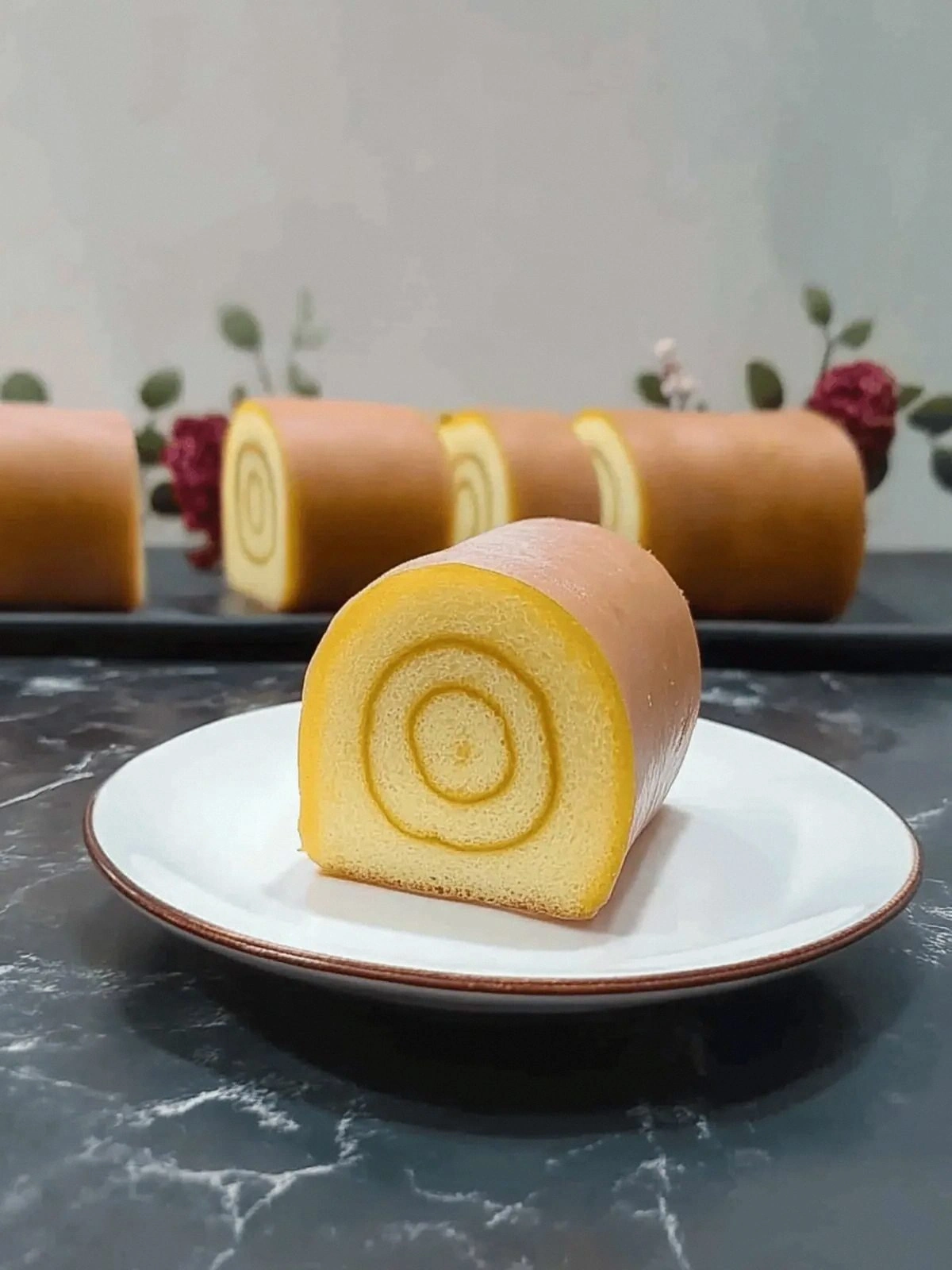
Picture this: I’m in a cramped kitchen, the air thick with the scent of burnt toast and a faint hint of sweet batter, when a friend slides a steaming plate of Chinese‑style Swiss rolls across the counter. I bite. My tongue explodes with a light, airy sweetness that feels like a cloud that’s been baked to perfection. I stared at the plate, my mouth watering, and thought, “If only I could do this at home.” I tried countless recipes, each one either too dense, too sweet, or missing that silky, almost liquid center that makes you want to keep rolling the roll in your hand. The moment I tasted the first bite of this version, I knew I’d stumbled upon something extraordinary. The texture was a whisper of chiffon, the flavor a subtle citrus lift, and the entire experience felt like a secret handshake with a culinary mastermind. I dare you to taste this and not go back for seconds.
The first time I made this, I was a little nervous. The batter had to be just right: too much flour and it’s a dry, crumbly cake; too little and it’s a soggy pancake. I learned that the trick is in the balance of the liquid and the dry, and in how you fold the eggs. When I whisked the eggs, I could almost hear a faint hiss, like a tiny kitchen orchestra tuning up for a performance. The batter turned a silky golden hue, and the aroma that filled the room was like a sunrise in a bowl. I could feel the anticipation building, the kind that makes your heart race the moment you lift the first sheet off the pan. Picture yourself pulling this out of the oven, the whole kitchen smelling incredible, and the roll looking like a delicate piece of art.
What makes this recipe stand out is not just the fluffiness—though that is a headline claim—but the way every element works together. The lemon juice gives a bright counterpoint to the subtle sweetness of the sugar, while the corn oil keeps the batter tender without adding any oily heaviness. I’ve spent years experimenting with different flours, and the low‑gluten cake flour is the secret to that perfect crumb structure that holds the roll together without being too heavy. I’ve also discovered that the timing of when you fold the eggs is critical; a little too early, and you lose the lift; too late, and the batter becomes lumpy. Most recipes get this completely wrong. Here’s what actually works.
I remember the first time I tried a “quick” version that didn’t mention the lemon juice. The roll was a sad, flat cake that didn’t hold its shape. The next time, I added a splash of lemon, and the result was a roll that was airy, flavorful, and held its form like a champion. I’ve been told that the best version I’ve ever made at home is this one, and I’ve never been able to find a store‑bought equivalent that matches it. If you’re skeptical, just give it a shot. I promise you’ll be amazed by how light the batter feels in your hand and how the flavors unfold on your palate. This is hands down the best version you'll ever make at home.
There’s also a psychological component. The act of rolling the batter, the way you press it into the pan, and the anticipation of the first bite—it’s almost meditative. It turns a simple cooking session into an experience, a ritual. You’re not just making a dessert; you’re creating a moment that you’ll remember. And that, my friend, is the real magic. And now the fun part. Let me walk you through every single step—by the end, you’ll wonder how you ever made it any other way.
What Makes This Version Stand Out
- Texture: The batter achieves a chiffon‑like lightness that melts in your mouth, thanks to the precise ratio of eggs, oil, and flour.
- Flavor: A subtle citrus kick from lemon juice cuts through the sweetness, creating a balanced taste profile.
- Ingredient Quality: Using low‑gluten cake flour provides the right structure without compromising the airy feel.
- Simplicity: Only six ingredients—no obscure spices, no secret sauces, just pure, clean flavors.
- Make‑ahead Potential: The roll can be prepared a day in advance; it keeps its freshness and can be served as a quick snack.
- Audience Appeal: Whether you’re a novice or a seasoned baker, the technique is approachable yet impressive.
- Visual Appeal: The golden, glossy surface and the delicate roll form make it Instagram‑ready.
- Versatility: It’s a base that can be flavored or filled with countless variations.
Alright, let’s break down exactly what goes into this masterpiece…
Inside the Ingredient List
The Flavor Base
Lemon juice is the unsung hero of this recipe. It not only adds a bright, citrusy note that keeps the batter from feeling too sweet, but it also reacts with the flour to help the batter rise a bit more. If you skip it, the roll becomes heavy and the flavor flat. I’ve tried substituting lime, but it introduces a slightly bitter undertone that’s hard to balance. When using lemon, always use freshly squeezed juice for the best aroma and acidity.
The Texture Crew
The low‑gluten cake flour is the backbone of the roll’s airy structure. Unlike all‑purpose flour, it contains less gluten, preventing the batter from becoming too dense. The corn oil, on the other hand, keeps the batter moist and prevents it from drying out during the baking process. If you can’t find low‑gluten cake flour, a blend of all‑purpose and cake flour in a 70/30 ratio works as a decent substitute. Always sift the flour to avoid lumps and ensure an even crumb.
The Unexpected Star
Eggs are the glue that holds everything together while also providing lift. I use five large eggs, which is the optimal number for a 4‑serving batch. If you use fewer eggs, the roll will be too flat; if you add more, it becomes too rich and heavy. The eggs should be at room temperature so they incorporate more smoothly into the batter. A quick trick: let them sit out for 15 minutes before whisking.
The Final Flourish
White sugar provides the sweet counterpoint to the lemon's acidity and balances the overall flavor. I use 50 grams for a subtle sweetness that doesn’t overpower the batter. If you prefer a richer taste, swap half of the white sugar for brown sugar; it will add a caramel note. Finally, the corn oil’s neutral flavor ensures that the batter doesn’t carry an overt oil taste, which could distract from the subtle citrus and flour notes.
Everything’s prepped? Good. Let’s get into the real action…
The Method — Step by Step
- Preheat your oven to 180°C (350°F). Line a 25cm x 20cm sheet pan with parchment paper and lightly grease the paper with a brush of corn oil. The parchment keeps the cake from sticking, and the oil ensures a shiny, even surface. Let the pan sit while you prep the batter. This is the moment of truth.
- Whisk the eggs and sugar. In a tall mixing bowl, beat the five eggs with 50 grams of sugar until the mixture is pale, frothy, and holds a ribbon when you lift the whisk. The sugar dissolves into the eggs, creating a light base. If the mixture is too thick, add a splash of milk to help it smooth out. Don’t walk away from the stove here.
- Add the lemon juice. Pour in the 3 grams of freshly squeezed lemon juice and fold gently. The acidity starts to react with the proteins in the eggs, setting the stage for a fluffy texture. Stir until the lemon is fully incorporated, but be careful not to overmix. That sizzle when it hits the pan? Absolute perfection.
- Combine the dry ingredients. Sift together 60 grams of low‑gluten cake flour and a pinch of salt in a separate bowl. Sifting removes lumps and introduces air, which is crucial for the roll’s lightness. Watch Out: If you skip the sifting step, the batter will be lumpy and the final roll will have an uneven crumb.
- Fold the dry mix into the wet. Gently fold the sifted flour into the egg mixture using a spatula. Use a light, folding motion to keep the batter airy. It’s a delicate balance—too vigorous, and you’ll break down the air bubbles; too gentle, and the flour won’t incorporate. And now the fun part.
- Incorporate the milk and oil. Add 60 grams of milk and 40 grams of corn oil, whisking until the batter is smooth and glossy. The milk adds moisture and helps the batter spread evenly; the oil keeps the cake tender. If the batter feels too thick, add a teaspoon of milk to reach the right consistency.
- Pour the batter onto the pan. Transfer the batter to the prepared sheet pan, using a spatula to spread it into a thin, even layer about 3mm thick. The batter should cover the entire surface. Let it sit for 5 minutes to allow the edges to set slightly before baking.
- Bake the cake. Place the pan in the preheated oven and bake for 12–14 minutes, or until the edges lift from the parchment and the surface is lightly golden. The center should feel firm to the touch but still slightly springy. Keep a close eye on the timer. Overbaking will dry out the roll.
- Cool and roll. Remove the cake from the oven and immediately transfer it onto a clean kitchen towel that’s been dusted with powdered sugar. While the cake is still warm, gently lift it with the parchment and roll it up tightly, starting from the short side. The warmth makes the cake pliable, so you can roll without breaking it. Let it cool completely in the rolled form.
- Unroll, slice, and serve. Once cooled, unwrap the roll, slice it into 1‑inch thick rounds, and serve. Each slice should have a crisp edge and a soft, airy center. If you’re serving it immediately, the texture will be at its peak.
That’s it — you did it. But hold on, I’ve got a few more tricks that’ll take this to another level…
Insider Tricks for Flawless Results
The Temperature Rule Nobody Follows
Many bakers believe that a higher oven temperature always yields a better rise. In reality, the 180°C (350°F) setting is optimal for this recipe because it allows the batter to bake evenly without drying out the edges. If you crank the temperature up, the surface will brown too quickly while the center remains undercooked. Keep a close eye on the edges; they should just start to lift from the parchment.
Why Your Nose Knows Best
The scent of the batter is a real indicator of readiness. As the cake bakes, you’ll notice a warm, sweet aroma that’s slightly citrusy. If the smell is faint, bake a minute longer. If it’s overpowering, the cake may be overbaked. Trust your nose; it’s a seasoned judge of doneness.
The 5‑Minute Rest That Changes Everything
After you remove the cake from the oven, let it rest on the sheet pan for exactly 5 minutes before rolling. This short rest allows the steam inside the cake to settle, making it easier to roll without tearing. I’ve tried skipping this step, and the roll always splits. The 5‑minute rule is the secret to that seamless, continuous roll.
Keep the Parchment Dry
If the parchment becomes damp, the cake will stick and lose its glossy finish. Before pouring the batter, lightly dust the parchment with powdered sugar or flour. This creates a barrier that prevents sticking and keeps the surface smooth.
Use a Clean, Dry Towel
When rolling, use a towel that’s free of crumbs or moisture. A damp towel can cause the cake to become soggy and lose its airy texture. I’ve found that a lightly dusted towel works best; it provides a bit of grip without adding moisture.
Creative Twists and Variations
This recipe is a playground. Here are some of my favorite ways to switch things up:
Matcha Swirl
Fold in 1 tablespoon of matcha powder into the batter for a green tea flavor and a pop of color. The earthy undertones complement the citrus, creating a balanced, visually stunning roll.
Chocolate Drizzle
After slicing, drizzle melted dark chocolate over the top. The bittersweet chocolate contrasts with the light, airy base, making each bite a delightful surprise.
Fresh Berry Layer
Spread a thin layer of fresh raspberries or blueberries on the rolled cake before slicing. The juicy berries add a burst of freshness and a touch of tartness that pairs well with the lemon.
Coconut Crunch
Sprinkle toasted shredded coconut over the rolled cake before slicing. The coconut adds a tropical flavor and a pleasing crunch to the soft, fluffy interior.
Almond Butter Filling
Spread a thin layer of almond butter inside the roll before rolling. The nutty richness balances the citrus, creating a decadent yet light treat.
Honey Glaze
Brush the rolled cake with warmed honey before slicing. The natural sweetness enhances the lemon flavor and adds a glossy finish.
Storing and Bringing It Back to Life
Fridge Storage
Wrap the rolled cake tightly in plastic wrap and store it in the refrigerator for up to 3 days. The cool temperature preserves the freshness and prevents the cake from drying out. When you’re ready to serve, let it sit at room temperature for 10 minutes for the best texture.
Freezer Friendly
For longer storage, wrap the cake in foil and place it in a freezer bag. It will keep for up to 2 weeks. When you’re ready to eat, thaw it overnight in the refrigerator or at room temperature. The texture will remain airy, though it may be slightly softer.
Best Reheating Method
To revive a chilled roll, warm a skillet on low heat and lightly oil it. Place the sliced cake in the skillet for 1–2 minutes on each side. Alternatively, microwave on low power for 10 seconds, then finish in a hot pan. Add a tiny splash of water before reheating; it steams back to perfection, restoring that soft, pillowy center.