Picture this: I’m standing in my cramped kitchen, the grill smoking like a dragon that just woke up, and I’ve got a craving so intense it feels like a tiny Greek god is whispering “souvlaki” in my ear. I tried a store‑bought version once, and it was about as exciting as a soggy pita left out on a humid day. The meat was bland, the sauce watery, and the whole thing tasted like a vacation you never actually took. I dared myself to create the ultimate beef souvlaki, and after a few mis‑fires (including a burnt garlic incident that could have set off the fire alarm), I finally nailed a version that makes even the most skeptical meat‑eater swoon.
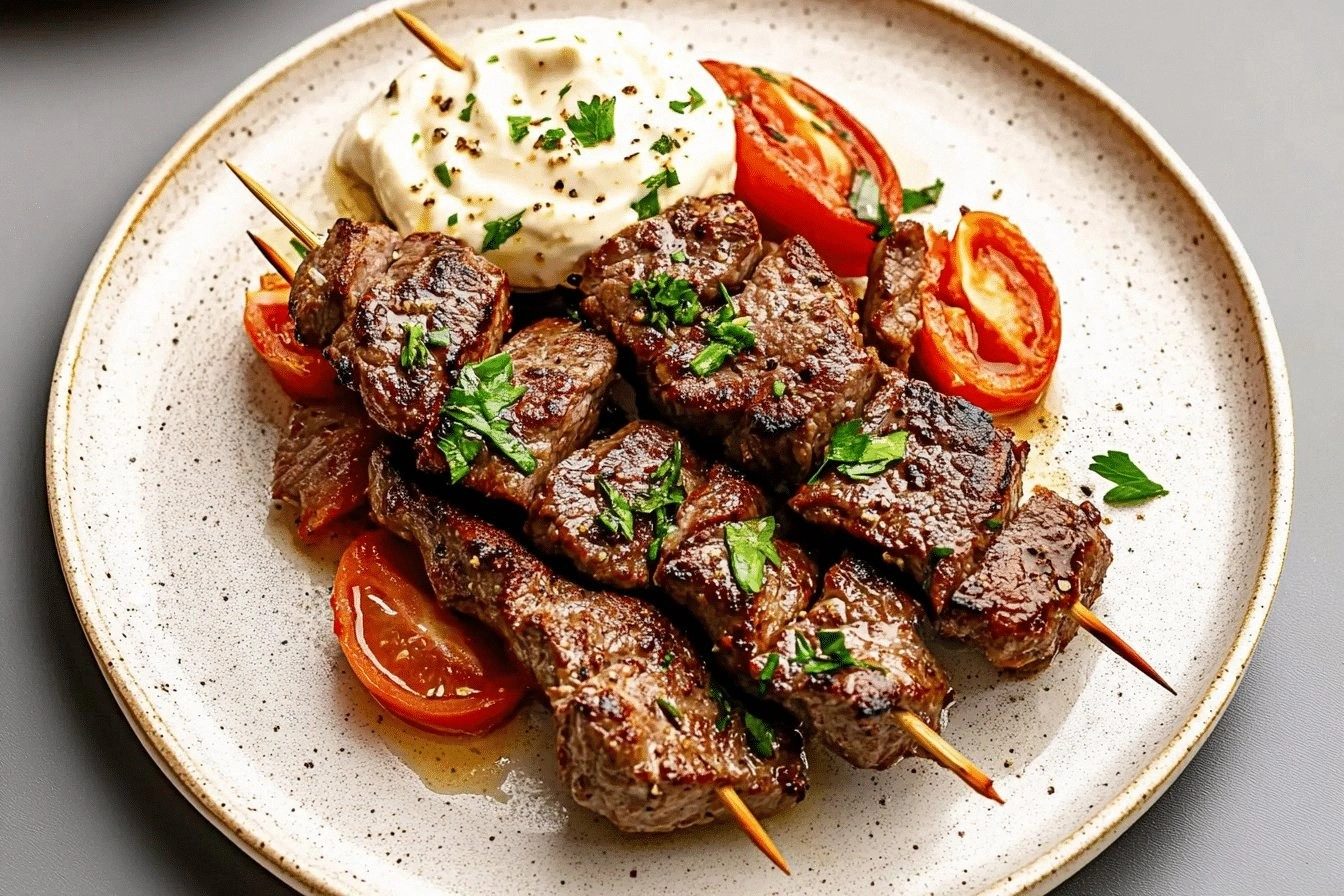
The moment those skewers hit the grill, a sizzle erupts that’s louder than a summer cicada chorus, and the aroma—oh, the aroma—spreads through the house like a Mediterranean breeze. You’ll smell the citrusy tang of lemon, the earthy kiss of oregano, and the subtle sweetness of caramelizing beef, all mingling with a hint of smoky char. The grill’s heat gives the meat a crust that cracks like thin ice, revealing a juicy interior that’s as tender as a love‑song ballad. Meanwhile, the tzatziki sauce, with its cool cucumber and creamy Greek yogurt, sits waiting like a refreshing dip in an Aegean lagoon.
What makes this version a game‑changer? First, I use a lean cut of beef sirloin or tenderloin, which stays juicy without excess fat. Second, the marinade is a perfect balance of olive oil, lemon juice, and garlic that penetrates the meat like a secret handshake, tenderizing it from the inside out. Third, I add a splash of dried oregano at just the right moment to lock in that classic Greek flavor without overwhelming the palate. And let’s not forget the tzatziki—grated cucumber, dill, and a dollop of Greek yogurt create a sauce that coats the beef like velvet, delivering a refreshing bite after every smoky chew.
I’m going to be honest—I ate half the batch before anyone else could even get a forkful. That’s how addictive this is. I dare you to taste this and not go back for seconds. If you’ve ever struggled with soggy, flavorless kebabs, you’re not alone—and I’ve got the fix. Let me walk you through every single step — by the end, you’ll wonder how you ever made it any other way.
What Makes This Version Stand Out
- Flavor Depth: The marriage of lemon juice and garlic creates a bright, aromatic base that penetrates the beef, while oregano adds that unmistakable Greek herbaceous note.
- Texture Perfection: Using lean sirloin gives you a firm bite on the outside with a melt‑in‑your‑mouth interior, thanks to a quick sear that locks in juices.
- Simplicity: Only nine ingredients are needed, all pantry staples, making it a no‑stress recipe even on a weekday night.
- Unique Twist: Grilling the skewers over medium‑high heat and finishing them with a quick brush of olive oil adds a glossy sheen that looks as good as it tastes.
- Crowd Reaction: Guests often claim they’ve never had souvlaki that’s both smoky and fresh; the tzatziki’s coolness balances the heat perfectly.
- Ingredient Quality: Choosing a well‑marbled cut of beef and authentic Greek yogurt elevates the dish from ordinary to restaurant‑level.
- Cooking Method: The quick 30‑minute grill ensures a caramelized exterior without overcooking the center, preserving tenderness.
- Make‑Ahead Potential: The tzatziki can be prepared up to a day ahead, allowing the flavors to meld while you focus on grilling.
Inside the Ingredient List
The Flavor Base
Beef sirloin or tenderloin: This is the heart of the dish. Sirloin offers a balance of leanness and flavor, while tenderloin guarantees melt‑in‑your‑mouth tenderness. If you skip this and use a tougher cut, the result will be chewy and dry, no matter how good the marinade is. Look for meat with a deep red color and a fine grain; avoid anything with a grayish tint, which indicates it’s been sitting too long.
Olive oil: Not just a cooking fat, it carries the lemon and garlic into the meat’s fibers, ensuring every bite is infused. Using extra‑virgin olive oil adds a fruity undertone, but if you’re watching calories, a light olive oil works just as well. A common mistake is using too much oil, which can cause flare‑ups on the grill—keep it to the recommended amount.
Lemon juice: The acidity brightens the beef and helps break down proteins for a tender result. Freshly squeezed lemon is essential; bottled juice lacks the nuanced citrus oils that give the dish its sparkle. If you’re out of lemons, a splash of white wine vinegar can substitute, though you’ll lose some of that sunny flavor.
The Aroma Crew
Garlic cloves: Garlic provides that unmistakable Mediterranean depth. When minced finely, it distributes evenly throughout the marinade, ensuring each cube of beef gets a hit of garlicky goodness. Over‑crushing can make the garlic turn bitter, so a quick mince with a pinch of salt is the sweet spot.
Dried oregano: This herb is the soul of Greek cooking. Its earthy, slightly piney notes complement the lemon without overpowering. If you have fresh oregano, use twice the amount, but remember fresh herbs lose potency quickly once chopped.
Salt and black pepper: The classic duo that amplifies every other flavor. Salt also helps the meat retain moisture during grilling. Use kosher salt for better distribution; a pinch of cracked black pepper adds a subtle heat that rounds out the profile.
The Cool Companion
Cucumber: Grated cucumber brings a refreshing crunch to the tzatziki, preventing it from becoming a soggy mess. If you skip the grating step and just dice it, the sauce will be watery. Pat the grated cucumber with a clean towel to squeeze out excess moisture for a thicker dip.
Greek yogurt: The creamy base of tzatziki, Greek yogurt’s tang balances the rich beef. Full‑fat versions yield a richer texture, while low‑fat still works but may be thinner. Stirring it gently prevents it from becoming grainy.
Dill or mint: Both herbs add a bright, herbaceous lift. Dill offers a slightly anise‑like flavor, while mint gives a cooler, almost sweet note. Choose based on your personal preference, or even combine both for complexity.
Everything's prepped? Good. Let's get into the real action...
The Method — Step by Step
Start by cutting the beef into uniform 1‑inch cubes. Uniformity ensures even cooking; if some pieces are larger, they’ll stay raw while the smaller ones burn. Place the cubes in a large bowl, then drizzle the olive oil and lemon juice over them. Toss gently with your hands—this is the moment where the meat starts to absorb the bright acidity, a process that begins to tenderize the fibers.
Add the minced garlic, dried oregano, and a generous pinch of salt and cracked black pepper. Mix again, making sure every piece is coated. Let the mixture sit for at least 15 minutes; this short marination allows the flavors to meld without the meat turning mushy. Power tip: If you have time, cover the bowl and refrigerate for up to 2 hours for deeper flavor penetration.
While the meat marinates, prepare the tzatziki. Grate the cucumber using the large holes of a box grater, then place the shreds in a clean kitchen towel and squeeze out as much liquid as possible. This step is crucial—excess water will dilute the yogurt and make the sauce runny.
In a medium bowl, combine the Greek yogurt, grated cucumber, chopped dill (or mint), a drizzle of olive oil, and a squeeze of fresh lemon juice. Stir until smooth, then season with a pinch of salt. Let the sauce rest in the fridge; the flavors will meld and the yogurt will thicken slightly, giving it a luxurious mouthfeel.
Thread the marinated beef onto metal or soaked wooden skewers. For an added burst of flavor, alternate a piece of red onion or bell pepper between each cube. This not only adds visual appeal but also releases additional juices that keep the meat moist.
Preheat your grill or grill pan to medium‑high heat (around 400‑425°F / 200‑220°C). The grill should be hot enough that the beef sizzles the instant it touches the grates. If you’re using a charcoal grill, wait until the coals are covered in a thin layer of ash for consistent heat.
Place the skewers on the grill, leaving a little space between each to allow airflow. Grill for about 3‑4 minutes per side, turning once. You’ll know they’re ready when the edges start pulling away from the meat and a caramelized crust forms—think of it as a golden‑brown armor protecting a juicy interior.
Once cooked, remove the skewers and let them rest for 5 minutes. Resting allows the juices to redistribute, preventing them from spilling out the moment you bite in. While the meat rests, brush each skewer lightly with a bit more olive oil for extra shine and flavor.
Serve the hot, smoky beef skewers alongside a generous dollop of tzatziki. Garnish with a sprinkle of fresh dill or a wedge of lemon for that final pop of brightness. Pair with warm pita, a crisp Greek salad, or simply enjoy them solo—either way, you’ve just created a dish that could convince anyone that Greece is just a short flight away.
That's it — you did it. But hold on, I've got a few more tricks that'll take this to another level...
Insider Tricks for Flawless Results
The Temperature Rule Nobody Follows
Many home cooks think “low and slow” is the only way to keep meat tender, but with beef souvlaki you want a quick, high‑heat sear. Preheat the grill to at least 400°F; this ensures the exterior caramelizes fast, sealing in juices. If the grill isn’t hot enough, the meat releases its moisture and ends up steamed rather than grilled.
Why Your Nose Knows Best
Don’t rely solely on a timer—use your sense of smell. When the beef starts to emit a nutty, toasted aroma, you’re approaching the perfect doneness. That scent is a reliable indicator that the Maillard reaction is in full swing, creating those coveted flavor compounds.
The 5‑Minute Rest That Changes Everything
Resting the skewers after grilling is non‑negotiable. Those five minutes allow the muscle fibers to re‑absorb the juices that were driven to the surface during cooking. Skipping this step results in a dry bite, no matter how perfect the sear was.
Skewer Spacing Science
If you pack the skewers too tightly, the meat steams instead of grills, losing that charred edge. Leave a half‑inch gap between each cube; this tiny space creates airflow that produces that coveted crispy crust while keeping the interior succulent.
Double‑Dip for Extra Glaze
Halfway through grilling, brush the skewers with a mixture of olive oil, lemon zest, and a pinch of oregano. This “double‑dip” adds a glossy finish and layers an extra burst of citrusy flavor right before the final sear.
Creative Twists and Variations
This recipe is a playground. Here are some of my favorite ways to switch things up:
Spicy Souvlaki
Add a teaspoon of crushed red pepper flakes to the marinade and a dash of hot paprika to the tzatziki. The heat cuts through the richness of the beef, delivering a thrilling bite that will please anyone who loves a little fire.
Herb‑Infused Tzatziki
Swap dill for fresh basil or cilantro for a Mediterranean‑Mexican fusion. Each herb brings a distinct aroma—basil adds sweet earthiness, while cilantro offers bright citrus notes.
Wine‑Marinated Beef
Replace half the lemon juice with a robust red wine (like a Greek Agiorgitiko). The wine adds depth and a subtle fruitiness that pairs beautifully with the smoky grill.
Vegetarian Souvlaki
Use firm halloumi cheese cubes or marinated portobello mushrooms instead of beef. Both options absorb the same lemon‑garlic‑oregano flavors and grill up with a satisfying chew.
Wrap‑It‑Yourself
Serve the skewers inside warm flatbreads with sliced red onion, tomato, and a drizzle of extra tzatziki. The result is a handheld feast that feels like a Greek street‑food festival.
Smoky Paprika Finish
After grilling, sprinkle smoked paprika over the skewers for an extra layer of smoky flavor that mimics a wood‑fired grill even if you’re using a gas grill.
Storing and Bringing It Back to Life
Fridge Storage
Place leftover skewers in an airtight container with a paper towel on top to absorb excess moisture. They’ll stay fresh for up to three days. Keep the tzatziki in a separate sealed bowl; its texture is best preserved when not mixed with the meat.
Freezer Friendly
Wrap each skewer tightly in plastic wrap, then place them in a zip‑top freezer bag. They’ll freeze solid for up to two months. When ready to eat, thaw overnight in the fridge and re‑heat on the grill for a quick 2‑minute finish.
Best Reheating Method
To revive the skewers, preheat a skillet over medium‑high heat, add a splash of olive oil, and sear each side for 1‑2 minutes. Add a tiny splash of water to the pan, cover, and let steam for another minute—this restores juiciness without drying out the meat.