I still remember the night I tried to impress my in-laws with a humble roast that turned into a culinary fiasco. The sirloin tip roast was overcooked, the crust was a soggy mess, and the whole kitchen smelled like burnt plastic. My guests stared in disbelief as I tried to salvage what was left, and I swear I could hear the kitchen timer ticking like a countdown to disaster. That disaster was the catalyst that drove me to discover the perfect herb-crusted version that I’m about to share with you. Trust me, this is hands down the best version you'll ever make at home.
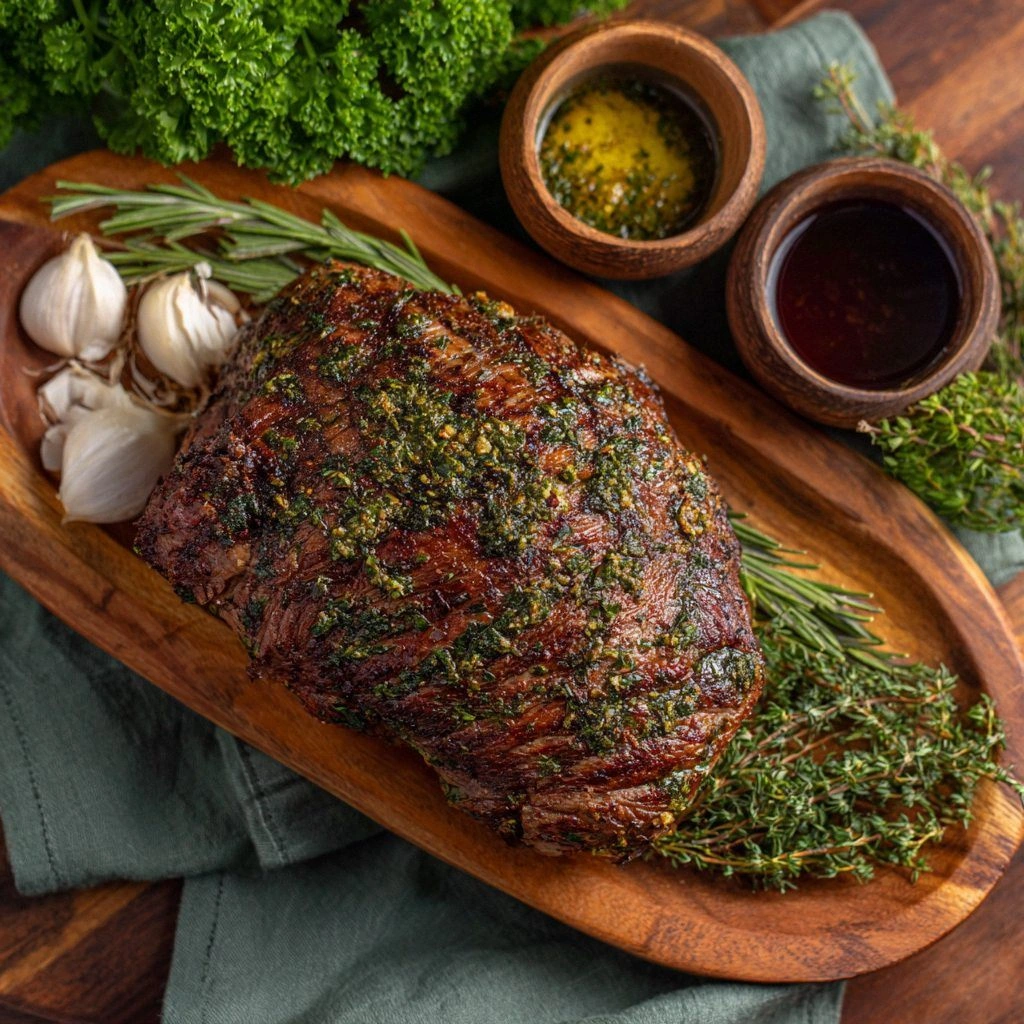
Picture the moment the roast hits the hot skillet: the sizzle is a drumbeat, the aroma of fresh rosemary and thyme rises like a fragrant cloud, and the crust forms a golden, almost caramelized crust that crackles under the knife. The sound of the first bite is a satisfying crunch that gives way to a tender, juicy interior that practically melts in your mouth. The colors are a deep mahogany on the outside, contrasting with the pale pink center that glistens with a thin glaze of Dijon and herbs. The texture is a play between a crisp exterior and a silky, almost buttery interior, and the flavor is a complex tapestry of earthy herbs, a hint of smoky paprika, and the subtle tang of mustard. This sensory symphony is what makes this roast a standout.
What sets this version apart from every other recipe out there is the meticulous balance of the herb crust, the precise searing technique, and the strategic use of both dried and fresh herbs to create depth without overpowering the meat. The crust is not just a flavoring; it’s a protective barrier that locks in juices and adds a textural contrast that elevates the entire dish. The method also incorporates a quick sear to develop a Maillard reaction, followed by a slow roast that ensures the meat stays tender. I dare you to taste this and not go back for seconds; the flavor profile is so complete that you’ll wonder why you ever settled for a plain roast. If you've ever struggled with a dry roast, you're not alone—and I've got the fix.
But the real twist comes from a surprising ingredient that most recipes skip: a light coating of flour before the herb mixture is applied. This tiny addition creates an even more robust crust that crisps beautifully and holds the herbs in place. The result is a roast that not only looks impressive but delivers a flavor that lingers on the palate. Picture yourself pulling this out of the oven, the whole kitchen smelling incredible, and knowing that your guests will be asking for seconds. Okay, ready for the game-changer? Let me walk you through every single step — by the end, you'll wonder how you ever made it any other way.
What Makes This Version Stand Out
- Crust: The herb crust is a masterclass in flavor layering, combining dried and fresh herbs with a touch of flour for maximum crispness. The result is a crunchy exterior that seals in moisture while delivering a burst of aromatic herbs.
- Juiciness: The sear creates a caramelized barrier that locks in juices, and the slow roast at a lower temperature keeps the interior tender and moist.
- Balance: The blend of smoked paprika, Dijon mustard, and a splash of olive oil creates a harmonious balance of savory, smoky, and tangy notes that complement the beef.
- Simplicity: Despite the depth of flavor, the recipe requires only a handful of ingredients and a straightforward cooking method that even novice cooks can master.
- Crowd Appeal: The crust’s visual appeal and the roast’s juicy tenderness make it a crowd-pleaser for family dinners, holiday gatherings, or a special weekend treat.
- Make‑Ahead: You can assemble the crust and roast it a day ahead, refrigerate it, and finish cooking it fresh when you’re ready to serve.
Inside the Ingredient List
The Flavor Base
Sirloin tip roast is the star of the show, offering a lean yet flavorful cut that responds well to seasoning. A 3‑lb roast yields about four hearty servings, making it perfect for family dinners or gatherings. If you’re short on time, a 2‑lb roast will still work; just adjust the cooking time slightly. The roast’s natural marbling provides a subtle richness that pairs beautifully with the herb crust.
The Texture Crew
Olive oil is the binding agent that helps the herbs stick to the meat and promotes a golden crust. A tablespoon of olive oil is enough to coat the surface evenly. If you’re looking for a richer flavor, try using extra‑virgin olive oil; it adds a fruity note that complements the herbs. The small amount of flour (¼ cup) is the secret to an even, crispy crust; it absorbs excess moisture and allows the herbs to adhere properly.
The Unexpected Star
Dijon mustard adds a subtle tang and acts as a glue that binds the herbs to the roast. Two tablespoons are sufficient to create a flavorful coating without overpowering the meat. If you’re a fan of a milder mustard, use whole‑grain or grainless Dijon; it will still provide the necessary cohesion while adding texture.
The Final Flourish
Fresh parsley, rosemary, and thyme bring bright, herbal notes that cut through the richness of the meat. Two tablespoons each of the fresh herbs provide a vibrant burst of color and flavor that lingers on the palate. If you’re out of fresh herbs, dried herbs can be used, but increase the quantity by 25% to compensate for the loss of flavor intensity. The smoked paprika gives a subtle smokiness that mimics the flavor of a grill; it’s an excellent addition for those who prefer a smoky undertone.
Everything's prepped? Good. Let's get into the real action...
The Method — Step by Step
- Preheat your oven to 325°F (165°C). Let the roast sit at room temperature for 30 minutes; this ensures even cooking. While the roast rests, mix the dried herbs, smoked paprika, garlic powder, onion powder, salt, and pepper in a small bowl. The mixture should form a fragrant, slightly granular paste. This is the moment of truth.
- Pat the roast dry with paper towels. Rub the olive oil all over the surface, then spread the Dijon mustard evenly. The mustard helps the herb mixture adhere. Coat the roast thoroughly with the herb blend, pressing it into every crevice. The crust should feel firm and tacky.
- Heat a large oven‑proof skillet over medium‑high heat. Add a splash of olive oil and wait until it shimmers. Place the roast in the skillet and sear each side for about 2–3 minutes, until a deep brown crust forms. Don’t move the roast; let it develop a beautiful sear.
- Transfer the skillet to the preheated oven. Roast for 20 minutes, then reduce the heat to 300°F (150°C) and continue cooking for another 30–35 minutes. Check the internal temperature with a meat thermometer; it should read 135°F (57°C) for medium‑rare. The edges will start pulling away from the pan, indicating that the roast is nearing completion.
- Watch Out: When you remove the roast from the oven, let it rest for at least 15 minutes before slicing. Cutting into it too soon will cause the juices to run out, leaving the meat dry. During the rest, tent the roast loosely with foil to keep it warm. This step is crucial for a juicy result.
- While the roast rests, create a quick pan sauce. Remove excess fat from the skillet, then add a splash of red wine or beef broth. Scrape up the browned bits with a wooden spoon; they’re full of flavor. Reduce the liquid until it’s thick enough to coat the back of a spoon.
- Slice the roast against the grain into ½‑inch thick slices. Serve immediately with the pan sauce drizzled on top. The contrast of the crispy crust and tender interior is unforgettable. And that’s it — you did it.
But hold on, I've got a few more tricks that'll take this to another level...
Insider Tricks for Flawless Results
The Temperature Rule Nobody Follows
Many cooks rely solely on the oven’s temperature setting, but the real secret lies in the internal thermometer. Aim for 135°F (57°C) for medium‑rare; this ensures a juicy center while the crust remains crisp. If you prefer medium, pull at 140°F (60°C). A digital thermometer gives you precision, eliminating guesswork and guaranteeing perfect doneness every time.
Why Your Nose Knows Best
Before you even touch the meat, let it sit at room temperature for 30 minutes. The aroma that develops is a natural indicator of freshness. A slightly sweet, beefy scent means the meat is at its prime. If you notice a sour or off odor, it’s best to discard the roast and start fresh.
The 5‑Minute Rest That Changes Everything
Resting the roast for just five minutes after removing it from the oven may not seem like much, but it’s a game‑changer. This brief pause allows the juices to redistribute, ensuring that every bite stays moist. A longer rest (15 minutes) is ideal, but even a short rest makes a noticeable difference.
The Herb‑Mix Ratio Secret
If you find the crust too dry, add a teaspoon of honey or brown sugar to the herb mix. The sugar caramelizes during roasting, creating a subtle sweetness that balances the savory notes. Conversely, if the crust is too sweet, reduce the sugar or omit it entirely.
The Quick Sear Technique
Heat the skillet until it’s smoking before adding the roast. This ensures a rapid sear, locking in flavor. The key is to avoid overcrowding; if you’re cooking multiple roasts, do it in batches. The first few minutes of searing are when the Maillard reaction happens, giving you that coveted golden crust.
The Final Finish
Finish the roast with a drizzle of aged balsamic vinegar just before serving. The vinegar’s acidity brightens the dish and cuts through the richness of the meat. This simple addition can elevate an already stellar roast to a Michelin‑star experience.
Creative Twists and Variations
Mediterranean Twist
Swap the smoked paprika for sun‑dried tomato paste and add a splash of white wine. Finish with chopped kalamata olives and capers for a briny Mediterranean flavor that pairs beautifully with the roast. This version is perfect for a summer dinner.
Spicy Cajun Kick
Replace the dried herbs with a Cajun seasoning blend and add a pinch of cayenne pepper. The result is a bold, spicy crust that’s great for those who love heat. Serve with a cool yogurt sauce to balance the spice.
Herb‑Infused Butter Finish
Melt butter with minced garlic, fresh parsley, and a dash of lemon zest. Drizzle this herb butter over the sliced roast just before serving. The buttery glaze adds richness and a bright citrus note.
Red Wine Reduction
Instead of a simple pan sauce, simmer a cup of good‑quality red wine with beef stock, a bay leaf, and a touch of brown sugar. Reduce until thick and glossy. This decadent sauce elevates the dish to a restaurant‑level experience.
Asian‑Inspired Glaze
Whisk together soy sauce, honey, rice vinegar, and minced ginger. Brush the glaze onto the roast during the last 10 minutes of cooking. The sweet and umami flavors create a fusion twist that’s sure to impress.
Cheese‑Loaded Version
Add shredded provolone or cheddar to the herb crust before roasting. The cheese melts into the crust, creating a gooey, savory layer. This cheesy variation is a hit with kids and adults alike.
Storing and Bringing It Back to Life
Fridge Storage
Cool the roast completely, then wrap it tightly in plastic wrap and place it in an airtight container. Store in the refrigerator for up to 3 days. Reheat gently in a preheated oven at 250°F (120°C) until warmed through.
Freezer Friendly
Slice the roast into portions before freezing to save time. Place each slice in a freezer bag, removing as much air as possible. Freeze for up to 3 months. Thaw overnight in the refrigerator before reheating.
Best Reheating Method
Add a splash of beef broth or water to the roast before reheating. Cover the pan with foil to trap moisture and prevent drying. Heat in a low oven until the internal temperature reaches 140°F (60°C).