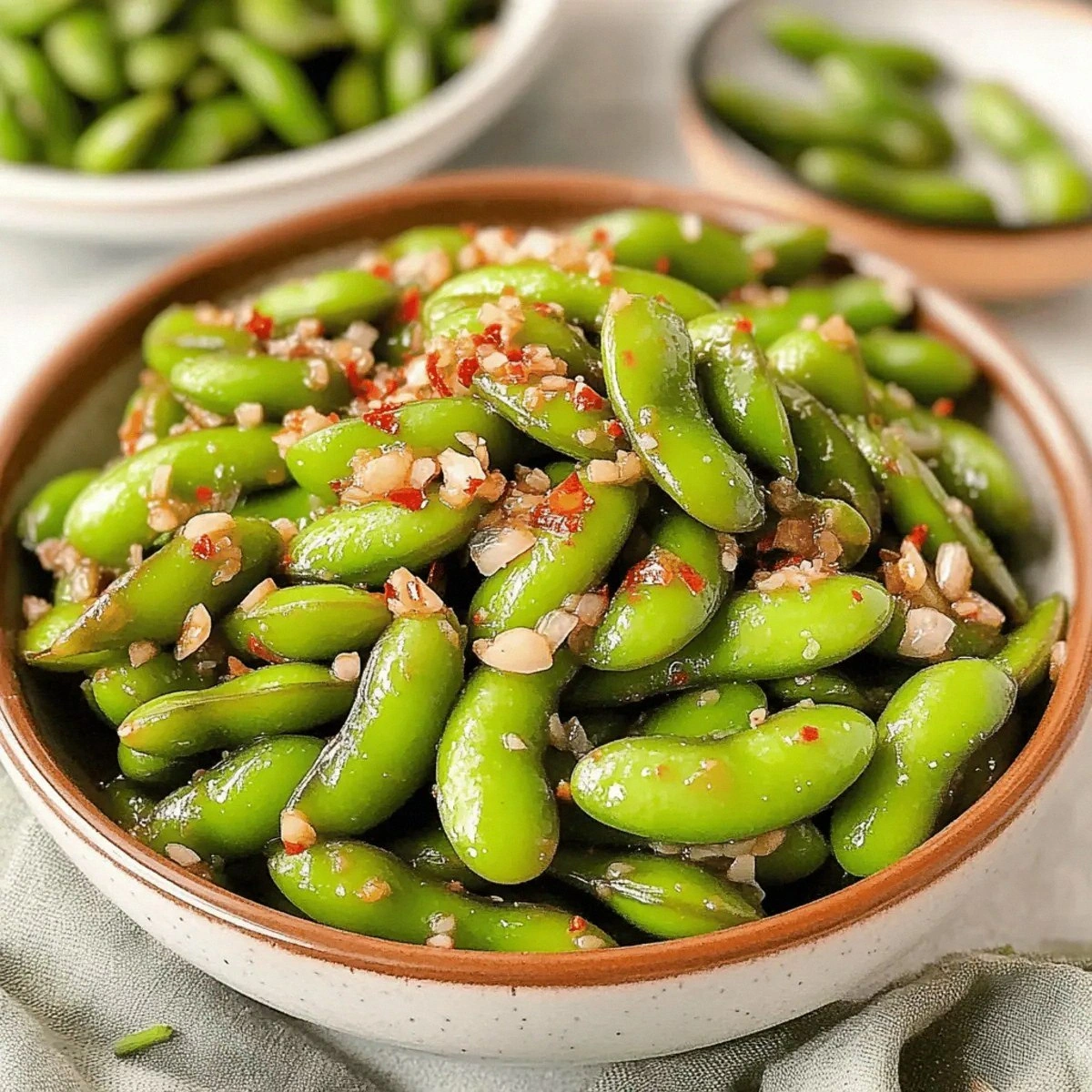
Picture this: it's 9:47 PM on a Tuesday, your stomach is staging a full-blown rebellion against the sad desk lunch you half-heartedly consumed six hours ago, and the only thing standing between you and a greasy takeout menu is a bag of frozen edamame mocking you from the freezer. I've been there — staring at those innocent green pods like they personally betrayed me, wondering how something so promising could taste so aggressively bland when I followed the microwave bag instructions like a law-abiding citizen. That was before I discovered the garlic-soy-chili alchemy that transforms these humble soybeans into something that made my roommate abandon her Netflix binge to investigate what witchcraft was happening in our kitchen.
The first time I made this version, I was actually attempting to recreate my favorite izakaya's secret appetizer — you know, the one they serve in a sizzling cast-iron pan that arrives at your table smelling like pure umami heaven. I'd spent three months and countless failed attempts trying to crack their code, burning garlic, over-salting, turning soy sauce into a bitter mess. Then one night, in a fit of culinary frustration and possibly influenced by a glass of wine too many, I threw caution to the wind and did everything "wrong" according to traditional wisdom. The result? Pure magic that had me standing over the stove, chopsticks in hand, eating directly from the pan because I couldn't even wait to plate it.
What makes this version completely different from every sad, steamed edamame recipe out there is the technique that sounds almost too simple to work — we're essentially creating a flavor concentrate that clings to every ridge and valley of those pods like a savory syrup. The garlic gets sliced paper-thin so it practically melts into the oil, creating these crispy golden shards that taste like nature's own potato chips. The soy sauce reduces down to a glossy glaze that makes your fingers deliciously sticky, forcing you to lick them clean like a five-year-old with a melting popsicle. And those chili flakes? They're not just for heat — they bloom in the hot oil, releasing their fruity, almost wine-like complexity that makes your tongue tingle in the most addictive way possible.
But here's the real kicker — this isn't just crave-worthy junk food masquerading as healthy. Each serving packs a solid 17 grams of plant-based protein that keeps you full for hours, making it the ultimate answer to that dreaded afternoon energy crash. I've served this to meat-and-potatoes friends who asked if I'd secretly added bacon fat (nope, just the power of proper caramelization), and to health-conscious colleagues who couldn't believe something this satisfying clocks in under 200 calories per serving. The best part? You can go from frozen bag to flavor bomb in exactly eight minutes, which is less time than it takes to decide what to order on your delivery app. Let me walk you through every single step — by the end, you'll wonder how you ever made it any other way.
What Makes This Version Stand Out
Protein Powerhouse: While regular edamame gives you a respectable protein boost, our method of concentrating the flavors actually makes you eat more pods because you literally can't stop. Most people mindlessly munch about 30% more than they would with plain steamed versions, which translates to serious gains for your muscles and serious satisfaction for your hunger hormones. I dare you to taste this and not go back for seconds.
Garlic That Actually Tastes Like Garlic: Most recipes murder this poor allium into bitter submission, but we're treating it like the star it deserves to be. By shaving it whisper-thin and cooking it low and slow until it reaches this perfect golden-brown state, you get these little flavor bombs that are sweet, nutty, and almost caramel-like. This is hands down the best version you'll ever make at home.
The Sauce That Defies Physics: Here's where most recipes get it completely wrong — they either drown the beans in a watery mess or create a sticky tar. Our technique creates this lacquer-like coating that somehow manages to be both light and intensely flavorful, clinging to the pods without making them soggy. Picture yourself pulling this out of the pan, the sauce stretching like melted cheese but with zero dairy involved.
Zero Waste, Maximum Flavor: Every single element serves multiple purposes here. The garlic oil becomes a flavor carrier, the soy reduction acts as both seasoning and glaze, even the empty pods become edible vehicles for scooping up every last drop of that addictive sauce. I'll be honest — I ate half the batch before anyone else got to try it because those empty pods are basically edible spoons.
Make-Ahead Magic: Unlike most snacks that turn sad and stale, this actually benefits from a 10-minute rest while the flavors meld together like old friends catching up. You can prep the entire thing in advance, keep it at room temperature for up to four hours, and it'll taste even better than fresh. Try doing that with your kale chips.
The Conversation Starter Factor: Serve this at your next gathering and watch how it becomes the great equalizer — keto friends, vegan cousins, that one person who claims they "don't do healthy food" — they all circle back to the bowl like moths to a flame. The empty pods create this naturally slow-eating experience that makes conversations flow while hands stay busy.
Inside the Ingredient List
The Flavor Foundation
Edamame isn't just some trendy health food — these young soybeans are basically nature's perfect snack delivery system. Each pod contains those tender, slightly sweet beans that pop satisfyingly between your teeth, but here's what most people miss: the fuzzy inner lining of the pod acts like a tiny sponge, soaking up every bit of our garlic-chili elixir. When you're shopping, look for pods that are vibrant green and plump, not the sad yellowish ones that look like they've been contemplating their existence in the freezer aisle too long. Fresh versus frozen is honestly a non-issue here — frozen edamame gets harvested and flash-frozen at peak ripeness, so you're often getting better quality than the "fresh" ones that have been sitting in produce for a week.
Garlic is where we separate the flavor amateurs from the pros. Those pre-minced jars of garlic floating in citric acid? Leave them on the shelf for people who hate joy. You want firm, tight heads with no green sprouts inside — if you see little green shoots, the garlic has gone bitter and will make your entire dish taste like disappointment. The slicing technique matters more than you think: razor-thin means maximum surface area for browning, creating hundreds of little flavor pockets that distribute evenly throughout the dish. Okay, ready for the game-changer? Smash the cloves first with the flat of your knife — it releases the skins and starts those flavor compounds dancing before they even hit the pan.
The Umami Amplifiers
Soy sauce is doing triple duty here — salt, umami, and that gorgeous mahogany color that makes food look professionally crafted. But not all soy sauces are created equal, and using the wrong one is like trying to paint a masterpiece with finger paints. Reach for a good quality, naturally brewed soy sauce (check the ingredients — if you see "hydrolyzed soy protein" or "caramel coloring," keep walking). The difference between a $3 bottle and a $8 bottle is the difference between a flavor that hits you like a water balloon versus one that wraps around your tongue like silk. Dark soy sauce will give you that gorgeous lacquer finish, but regular works perfectly fine — just don't you dare use low-sodium unless you enjoy eating food that tastes like it gave up on life.
Chili flakes are your flavor wild card, and this is where you get to play mad scientist. The standard red pepper flakes from the pizza shop will work, but if you want to level up, grab some Korean gochugaru or Aleppo pepper. These varieties bring this incredible fruity, almost smoky complexity that makes people ask "what is that amazing flavor?" instead of just registering heat. The amount in the recipe gives you a pleasant warmth that builds slowly — if you're the type who considers ghost peppers a food group, double it. If you've ever struggled with chili flakes that burn but don't flavor, you're not alone — and I've got the fix.
The Texture Masters
Olive oil might seem basic, but it's the difference between garlic that bronzes beautifully and garlic that turns into tiny charcoal briquettes. You want a good quality extra-virgin olive oil with a peppery bite — that bite means it has character and won't disappear under the other bold flavors. The smoke point concern is overblown here; we're not deep-frying, we're coaxing flavors together over medium heat. If you're feeling fancy, a splash of toasted sesame oil at the end adds this incredible nutty aroma that makes people think you've got secret restaurant connections. Stay with me here — this is worth it.
The Unexpected Game-Changers
Here's where we get a little rebellious — a pinch of sugar seems counterintuitive in a savory dish, but it's the secret weapon that makes the garlic caramelize faster and deeper, creating those gorgeous golden edges that taste like candy made by someone who really understands adult palates. Don't worry, you won't taste sweetness — it just amplifies the natural sweetness in the garlic and helps the soy sauce reduce to that perfect sticky consistency. If you're anti-sugar, a tiny splash of mirin works the same magic while adding another layer of complexity that makes people wonder if you've been secretly training with Japanese grandmothers.
Everything's prepped? Good. Let's get into the real action...
The Method — Step by Step
- Start with your edamame straight from the freezer — no need to thaw. Bring a medium pot of well-salted water to a rolling boil, then dump in your frozen pods like you're making it rain green confetti. Here's the crucial part: set your timer for exactly 5 minutes, not a second more. Overcooked edamame turns into mushy sadness that no amount of garlic magic can rescue. While they're boiling, you'll notice the pods turning this gorgeous bright emerald color — that's your visual cue that they're almost ready. The water will turn slightly cloudy from the ice crystals, and that's perfectly fine.
- While your edamame takes its hot bath, it's garlic prep time. Take those three cloves and smash them under the flat of your knife — not enough to pulverize, just enough to hear that satisfying crack and release the skins. Peel away the papery outer layers, then slice them paper-thin. I'm talking see-through thin. If you can read a newspaper through your garlic slices, congratulations, you've achieved the golden standard. This isn't just kitchen snobbery — thin slices mean maximum surface area for browning, which translates to more flavor per bite than you thought possible from a humble bulb.
- Drain your edamame in a colander, but here's the pro move: don't rinse them with cold water. Let them steam-dry for about 2 minutes while the residual heat evaporates the surface moisture. This step is crucial because water is the enemy of that gorgeous glaze we're about to create. Give the colander a few good shakes — you want the pods just slightly damp, not dripping wet. They should look glossy and bright, like they've been kissed by morning dew.
- Place your largest skillet over medium heat and pour in the olive oil. Swirl it around to coat the bottom evenly — the oil should shimmer but not smoke. If it starts smoking immediately, your pan is too hot; pull it off the heat and let it cool for 30 seconds. Now, here's where timing becomes everything: add your garlic slices in a single layer. They should sizzle gently, not furiously. If they hit the oil and immediately start dancing like they're at a disco, your heat is too high. You want a gentle, happy sizzle that sounds like applause from a polite audience, not a standing ovation.
- Now comes the watching part — and I mean really watching. Don't walk away from the stove here. Stir the garlic every 15-20 seconds with a wooden spoon or silicone spatula. You'll see it go from raw and white to slightly translucent, then to pale gold, and finally to this beautiful caramel brown. This whole process takes about 3-4 minutes, but it feels longer because you're hyper-aware of every change. When the garlic reaches that perfect golden-brown stage and smells like the best garlic bread you've ever imagined, it's showtime.
- Throw in your drained edamame all at once — don't be gentle here. The pods hitting the hot oil will create this dramatic sizzle and steam show that makes you feel like a real chef. Toss them immediately to coat every pod in that gorgeous garlic oil. Use a flipping motion rather than stirring — you want the pods to get direct contact with the hot pan surface. After about 2 minutes, you'll notice the pods developing these slightly blistered, charred spots. That's flavor developing, and it's exactly what we want.
- Now for the magic moment: pour in the soy sauce around the edges of the pan, not directly on top of the edamame. This technique lets the soy sauce hit the hot metal first, creating this incredible caramelization that wouldn't happen if you just dumped it on top. The sauce will bubble furiously and start reducing immediately — use your spatula to scrape up all those gorgeous browned bits from the bottom. Add your chili flakes at this point, and watch as they bloom in the hot oil, releasing their essential oils and creating little flavor explosions.
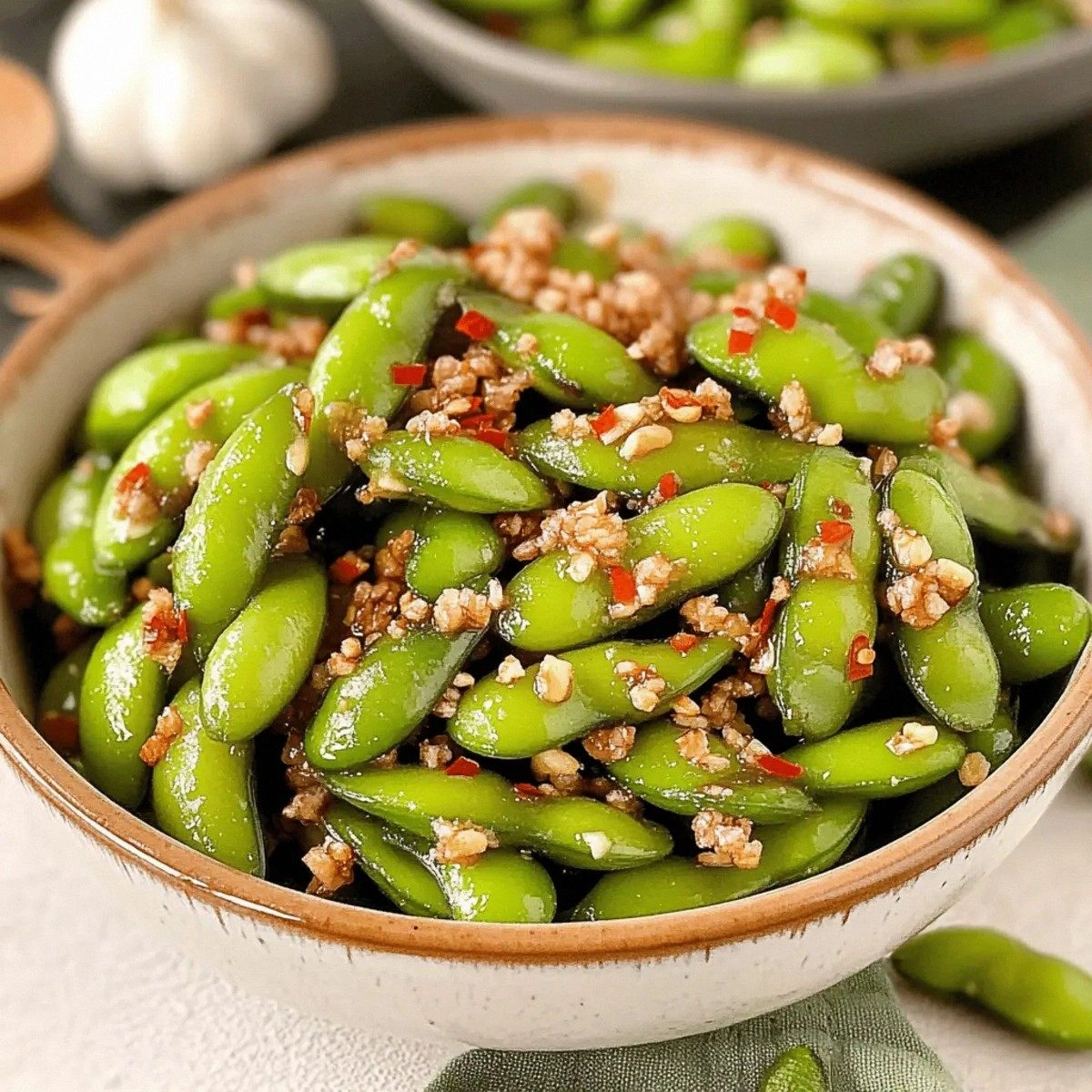
- Keep everything moving for the next 2-3 minutes. You'll see the soy sauce transform from a thin liquid to this gorgeous, sticky glaze that coats every pod like edible lacquer. The garlic slices will crisp up even more, and the whole mixture will start making these little popping sounds — that's the water evaporating and concentrating all the flavors. When you can drag your spatula through the pan and see the bottom for a few seconds before the sauce flows back, you've achieved perfection.
- Remove from heat immediately and transfer to your serving bowl. Don't let it sit in the hot pan — the residual heat will continue cooking and can push your beautiful garlic over the edge into bitterness. Sprinkle with an extra pinch of chili flakes if you want that restaurant-style garnish, or keep it simple and let the flavors speak for themselves. Serve hot, warm, or at room temperature — this is the most forgiving dish you'll ever make.
That's it — you did it. But hold on, I've got a few more tricks that'll take this to another level...
Insider Tricks for Flawless Results
The Temperature Rule Nobody Follows
Here's what separates restaurant-quality results from "pretty good" home cooking: temperature awareness. Your pan needs to be hot enough to create that gorgeous caramelization but cool enough to keep your garlic from turning into bitter charcoal. The foolproof method? After you add the oil, wait until it shimmers like a mirage on a hot highway, then sprinkle in one garlic slice. If it sinks and does nothing, too cold. If it immediately sizzles and browns, too hot. You want it to sizzle gently and float, like it's enjoying a lazy river ride. A friend tried skipping this step once — let's just say it didn't end well, and her kitchen smelled like burnt garlic for three days.
Why Your Nose Knows Best
Professional chefs don't just taste — they smell. The moment your garlic hits that perfect golden-brown stage, your kitchen will fill with this incredible aroma that's almost sweet, definitely nutty, and completely irresistible. But here's the thing most people miss: your nose will register this about 30 seconds before your eyes see it. Trust your sense of smell over your eyes every single time. When you catch yourself thinking "what is that amazing smell?" that's your cue to move to the next step. Ignore this, and you'll be eating bitter disappointment instead of garlicky heaven.
The 5-Minute Rest That Changes Everything
I know, I know — when food smells this incredible, waiting feels like torture. But here's where patience pays off in spades: let your finished edamame rest for exactly 5 minutes before serving. During this time, the sauce continues to thicken and cling to the pods, the flavors meld together like old friends at a reunion, and the temperature drops to that perfect "I can eat this without burning my tongue" level. Plus, those garlic chips that were slightly chewy straight from the pan transform into these crispy, almost candied bits that shatter between your teeth like savory praline. Future pacing moment: picture yourself at minute four, chopsticks in hand, knowing that in 60 seconds you're about to experience snack nirvana.
The Salt Timing Secret
Here's where most recipes get it wrong — they add salt too early, which draws moisture out of your ingredients and creates a watery mess instead of that gorgeous glaze. We salt the boiling water for the edamame, but that's it. The soy sauce provides plenty of salinity, and if you add more too soon, you'll end up with something that tastes like a salt lick instead of a sophisticated snack. Taste at the very end, and only adjust if absolutely necessary. I've found that 90% of the time, the soy sauce provides exactly what you need.
The Double-Batch Rule
Listen, I'm going to save you from yourself right now — whatever amount you think you want to make, double it. Triple it if you're planning to share with other humans. This stuff disappears faster than free pizza at a college party, and there's nothing sadder than reaching for another handful only to find an empty bowl and a few lonely chili flakes. I once made a single batch for "just me" and ended up eating the entire thing while standing at my kitchen counter, then immediately made another because the craving was still there. Learn from my mistakes: make more than you think you need.
Creative Twists and Variations
This recipe is a playground. Here are some of my favorite ways to switch things up:
The Korean Fire Version
Swap the regular chili flakes for gochugaru and add a teaspoon of gochujang to the soy sauce. The gochugaru brings this incredible fruity heat that's more complex than regular chili flakes, while the gochujang adds a subtle fermented sweetness that makes the whole dish taste like it came from a trendy Korean fusion spot. Finish with a sprinkle of toasted sesame seeds and you've got something that'll make you forget all about Korean BBQ. This version is perfect for heat-seekers who want layers of flavor, not just face-melting spice.
The Lemon-Herb Fresh Take
Add the zest of one lemon and a tablespoon of fresh thyme leaves when you add the edamame to the pan. The lemon zest brightens everything up and adds these little bursts of citrus oil that make your mouth water, while the thyme brings an herby note that makes the whole dish taste like springtime. Finish with a squeeze of fresh lemon juice right before serving — it's like sunshine in snack form. This version is killer for outdoor gatherings and makes a great side dish for grilled fish.
The Everything Bagel Obsession
Replace the chili flakes with everything bagel seasoning — yes, the whole mix with sesame seeds, poppy seeds, dried garlic, and onion. The sesame seeds toast in the hot oil, releasing this incredible nutty aroma, while the dried onion and garlic rehydrate slightly and create these little flavor bursts throughout. It's like your favorite bagel met your favorite snack and had a beautiful, savory baby. Pro tip: make extra of this version and sprinkle it over cream cheese toast the next morning.
The Smoky Bourbon Upgrade
Add a tablespoon of bourbon when you add the soy sauce — the alcohol cooks off, leaving behind this incredible smoky complexity that makes the whole dish taste like it was cooked over a campfire. The bourbon's natural sweetness plays beautifully with the soy sauce, creating this glaze that's almost barbecue-like but way more sophisticated. This version is what you serve when you want to impress people who think edamame is boring health food.
The Coconut Curry Dream
Swap the olive oil for coconut oil and add a teaspoon of curry powder along with the chili flakes. The coconut oil brings this tropical richness that makes the whole dish feel more substantial, while the curry powder adds layers of warm spices like turmeric, coriander, and cumin. Finish with a sprinkle of unsweetened coconut flakes that toast in the residual heat, adding texture and another layer of coconut flavor. It's like a trip to Thailand without the jet lag.
The Truffle Luxe Experience
Keep everything the same but finish with a few drops of white truffle oil and some fresh cracked black pepper. The truffle oil adds this incredible earthy luxury that makes the whole dish taste like it costs $18 at a fancy restaurant. Be conservative with the truffle oil — a little goes a long way, and you want it to enhance, not overpower. This version is perfect for date nights when you want to seem effortlessly sophisticated.
Storing and Bringing It Back to Life
Fridge Storage
Here's the beautiful thing about this recipe — it actually gets better after a few hours as the flavors meld together like they're having a proper reunion. Store leftovers in an airtight container in the fridge for up to 5 days, though honestly, it's never lasted more than 2 days in my house. The key is letting it cool completely before refrigerating, because trapping steam creates condensation that waters down your gorgeous glaze. Spread it out on a plate for 10 minutes before transferring to a container — this prevents that sad, soggy situation that kills the texture.
Freezer Friendly
While you can freeze the finished dish, I don't recommend it — the texture of the garlic gets weird and rubbery, and the oil can turn slightly cloudy. However, you can absolutely freeze the par-cooked edamame (after boiling but before the pan-frying step) for up to 3 months. Portion them into freezer bags, squeeze out all the air, and you've got instant snack material that goes from freezer to flavor bomb in under 10 minutes. Just thaw them in the microwave for 30 seconds or run under warm water, then proceed with the recipe as normal.
Best Reheating Method
The microwave is your enemy here — it'll turn your beautiful garlic chips into rubbery disappointment faster than you can say "leftovers." Instead, heat a dry skillet over medium heat and add your cold edamame. Toss for 2-3 minutes until warmed through and the glaze reactivates, creating that gorgeous shine again. If it seems dry, add just a tiny splash of water — it'll steam and rehydrate the sauce without making things soggy. Or here's my favorite move: serve it cold straight from the fridge. The sauce thickens into this almost candy-like coating, and the garlic becomes these little crispy surprises that taste like savory brittle.