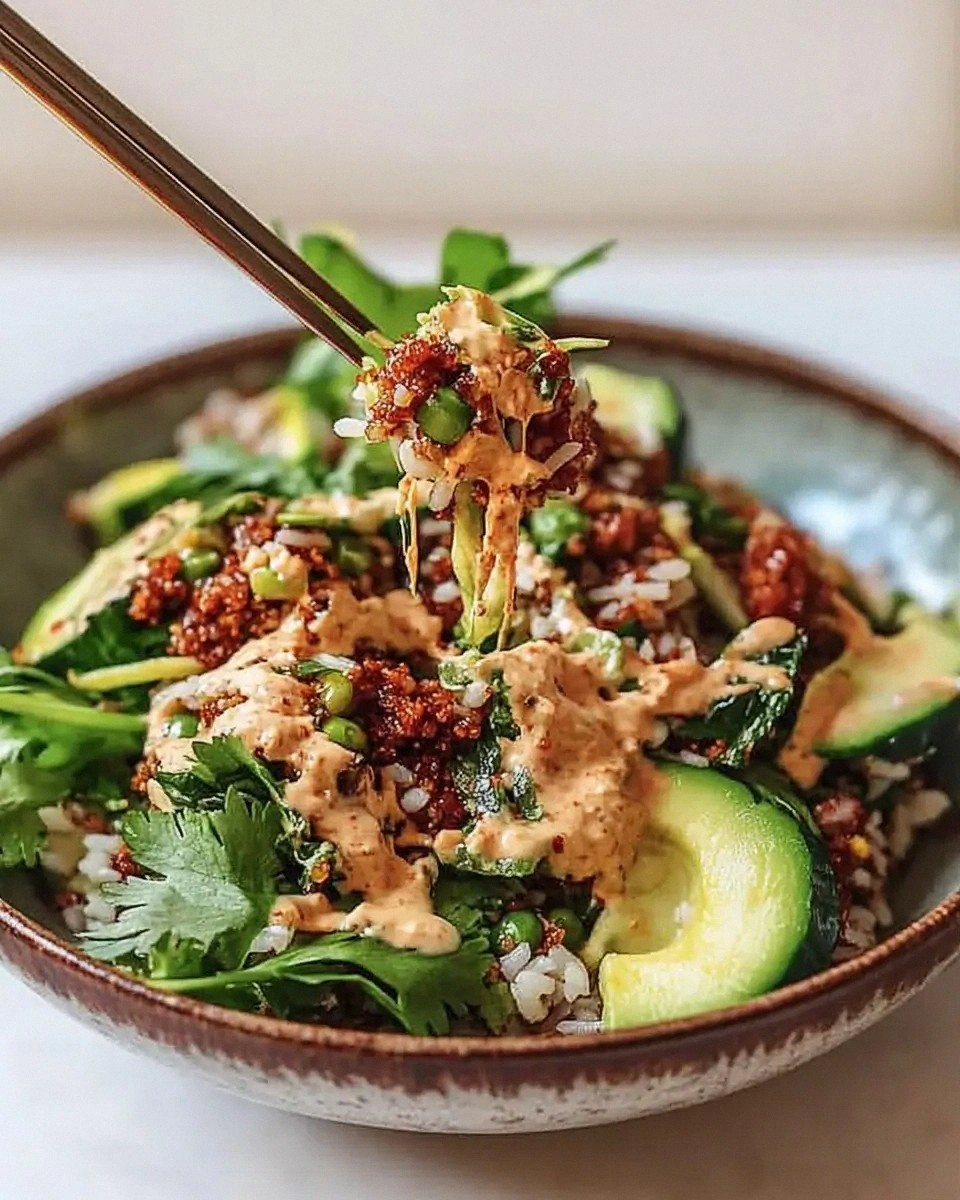
I was standing in my kitchen, half‑asleep, staring at a pot of plain rice that had been simmering for what felt like an eternity. My roommate had just dared me to make something “so good that we’d forget about pizza night forever,” and I was already half‑convinced that my brain‑fry was the perfect excuse to bail. The scent of onions sautéing in butter drifted in, the timer on the oven ticked ominously, and I realized I had a perfect storm of ingredients waiting to be transformed. I grabbed a handful of ground beef, a drizzle of honey, and a splash of soy sauce, and the rest was pure, chaotic alchemy.
Picture this: the oven door swings open, releasing a wave of sweet‑garlic perfume that instantly makes your stomach do a little happy dance. The rice underneath is plump, each grain soaked in a broth that tastes like a hug from your grandma, while the meatballs sit on top, glossy and caramelized, like tiny moons in a honey‑laden sky. The bell peppers and peas add pops of color that make the dish look like a celebration on a plate, and the green onions on top? They’re the confetti that says, “We’re done here, and it’s glorious.” I dare you to taste this and not go back for seconds.
Most recipes for meatball rice bakes either drown the meatballs in a soggy sauce or leave the rice dry as the Sahara. Not this one. I’ve cracked the code by layering flavors in a precise order, using a honey‑garlic glaze that clings to the meatballs like velvet, and a broth‑infused rice that soaks up every nuance. The secret? A splash of sesame oil that adds a nutty whisper, and a quick cornstarch slurry that turns the sauce from runny to silk without any gelatinous weirdness. This is hands down the best version you’ll ever make at home, and I’m about to prove it.
Okay, ready for the game‑changer? I’m about to walk you through every single step — from picking the perfect ground meat to the exact moment you pull the bake out of the oven, the whole kitchen smelling like a five‑star Asian‑fusion bistro. By the end, you’ll wonder how you ever settled for bland casseroles, and you’ll have a new go‑to dish for busy weeknights, potlucks, or those moments when you just need to impress without breaking a sweat. Let’s dive in.
What Makes This Version Stand Out
- Flavor Fusion: The honey‑garlic glaze brings sweet, salty, and umami together in a harmony that makes every bite sing. The soy sauce deepens the savory notes while the honey adds a caramelized finish that’s impossible to resist.
- Texture Play: Crispy edges on the meatballs contrast with the fluffy, broth‑soaked rice, creating a mouthfeel that’s both comforting and exciting. The peas and bell peppers add a crisp snap that prevents the dish from feeling one‑dimensional.
- Simplicity Meets Sophistication: Despite the layered flavors, the recipe uses pantry staples and takes under an hour from start to finish. No fancy equipment, just a trusty baking dish and a willingness to trust the process.
- Ingredient Quality: Using ground beef (or chicken) with a little fat ensures juicy meatballs, while high‑quality honey and real soy sauce elevate the glaze from “good” to “wow.”
- Crowd‑Pleaser: This dish has the universal appeal of a comfort food with a twist—kids love the sweet glaze, adults appreciate the depth, and even picky eaters can’t argue with the colorful veggies.
- Make‑Ahead Magic: Assemble the bake a day ahead, refrigerate, and bake when you’re ready. The flavors meld overnight, making the next day even better.
- Versatile Base: Swap chicken broth for vegetable broth for a lighter version, or use jasmine rice for an aromatic upgrade. The core technique stays the same, giving you endless adaptability.
- Minimal Cleanup: One baking dish, one skillet, and a few mixing bowls. The oven does most of the heavy lifting, so you can spend more time eating and less time scrubbing.
Inside the Ingredient List
The Flavor Base
The onion and garlic are the foundational aromatics that set the stage for every other flavor. Finely chopping the onion ensures it melts into the meat mixture, providing moisture and a natural sweetness that balances the honey later on. Garlic, minced just before use, brings that pungent kick that makes the glaze unforgettable. If you skip these, you’ll end up with a flat, one‑note dish that feels more like plain rice and less like a culinary adventure.
Soy sauce is the unsung hero of this recipe. It adds depth, a salty umami punch, and a beautiful dark color to the glaze. A good quality, low‑sodium soy sauce lets you control the salt level without sacrificing flavor. For a gluten‑free version, swap it for tamari; the taste remains robust, and you avoid any hidden wheat.
The Texture Crew
Breadcrumbs (or panko for extra crunch) act as the glue that holds the meatballs together while also absorbing some of the juices, preventing a dry texture. The egg is the classic binder; it coagulates as it bakes, locking the meat and breadcrumbs into cohesive spheres. If you’re avoiding eggs, a flax egg (1 tbsp ground flaxseed + 3 tbsp water) works surprisingly well, though the texture will be a shade softer.
Bell peppers and frozen peas bring color, sweetness, and a pop of freshness. The peppers should be diced uniformly so they roast evenly, while the peas can go straight from freezer to oven—they’ll thaw and brighten the dish without getting mushy. Skipping the veggies would make the bake look dull and taste monotonous.
The Unexpected Star
Honey is the true protagonist here, providing a caramelized sheen that makes the meatballs look restaurant‑ready. Its natural sugars caramelize at high heat, creating those crispy edges that shatter like thin ice when you bite into them. If you’re watching sugar, you can reduce the honey to 2 tablespoons and add a splash of maple syrup for a milder sweetness.
Sesame oil, though optional, adds a nutty undertone that ties the Asian‑inspired flavors together. A little goes a long way—just a teaspoon is enough to perfume the glaze without overwhelming the palate. If you’re allergic to nuts, a drizzle of toasted oil (like avocado) can mimic the richness.
The Final Flourish
Uncooked white rice is the canvas that soaks up all the savory broth, turning each grain into a flavorful bite. Long‑grain or jasmine rice works best because they stay separate and don’t become gummy. If you prefer a healthier option, substitute half the white rice with brown rice, but add an extra ¼ cup of broth to compensate for the longer cooking time.
Chicken broth (or vegetable broth for a vegetarian spin) adds richness and a subtle depth that water alone can’t provide. Using a low‑sodium broth lets you fine‑tune the salt level with the added sea salt and pepper. Finally, a drizzle of olive oil or a pat of butter over the veggies before baking ensures they caramelize nicely and don’t dry out.
Everything's prepped? Good. Let's get into the real action…

The Method — Step by Step
Preheat your oven to 375°F (190°C). While the oven warms up, combine the uncooked rice, chicken broth, and a pinch of salt in a medium saucepan. Bring to a boil, then reduce to a simmer, cover, and let it cook for about 12‑15 minutes until the rice is just tender but still a little firm. This “par‑cook” ensures the rice finishes perfectly in the bake without turning mushy.
While the rice is simmering, start the meatball mixture. In a large bowl, combine the ground beef (or chicken), breadcrumbs, egg, finely chopped onion, minced garlic, soy sauce, sesame oil, black pepper, and salt. Use your hands to gently fold everything together—don’t over‑mix, or you’ll end up with dense meatballs. Once combined, form the mixture into 1‑inch balls and set them on a parchment‑lined tray.
Heat a skillet over medium‑high heat and add a splash of olive oil. When the oil shimmers, add the meatballs in a single layer, giving them a quick sear—just 2‑3 minutes per side—until they develop a golden crust. This step is the secret to that caramelized edge that makes the glaze cling like a second skin. Don’t overcrowd the pan; work in batches if necessary.
Kitchen Hack: After searing, drizzle a teaspoon of the honey‑garlic glaze over the meatballs while they’re still in the pan. The heat will melt the glaze into a glossy coating, saving you a step later.In a small saucepan, whisk together honey, ketchup, soy sauce (extra 1 tbsp), water, and a pinch of black pepper. Bring to a gentle simmer, then whisk in the cornstarch slurry (1 tsp cornstarch mixed with 2 tsp cold water). Cook for another minute until the sauce thickens to a glossy, pour‑able consistency. Taste and adjust—if you crave more sweetness, add a drizzle of extra honey; if you want more tang, a splash of rice vinegar does wonders.
Now it’s assembly time. In a large baking dish (about 9×13 inches), spread the partially cooked rice in an even layer. Dot the rice with diced bell peppers and frozen peas, then drizzle the remaining olive oil over the veggies. Gently nestle the seared meatballs on top, spacing them evenly so each bite gets its own juicy sphere.
Pour the honey‑garlic glaze over the entire dish, ensuring every meatball is drenched and the rice gets a sweet sheen. Use a spoon to swirl a little extra glaze into the rice so the flavors meld as they bake. Sprinkle chopped green onions over the top for a fresh, peppery finish.
Cover the dish tightly with aluminum foil and place it in the preheated oven. Bake for 20 minutes, then remove the foil and continue baking for another 10‑12 minutes. You’re looking for the edges of the meatballs to pull away from the pan and the glaze to bubble and caramelize. Watch Out: If the glaze starts to darken too quickly, tent the dish with foil again to prevent burning while the rice finishes cooking.
Watch Out: Over‑baking can dry out the meatballs. Keep a close eye after the foil is removed; the glaze should be glossy, not crusty.When the timer dings, let the bake rest for 5 minutes. This short rest allows the juices to redistribute, the rice to finish steaming, and the glaze to set just enough to coat each bite beautifully. While you wait, grab a glass of chilled iced tea or a light white wine—whatever makes you feel like a chef.
Serve hot, scooping generous portions of rice, veggies, and at least two meatballs per plate. Garnish with an extra sprinkle of green onions if you like a pop of color. And now the fun part: watch everyone’s faces light up as they dig in. That’s the moment of truth, and I promise you’ll hear the words “more, please” echo around the table.
That's it — you did it. But hold on, I've got a few more tricks that'll take this to another level...
Insider Tricks for Flawless Results
The Temperature Rule Nobody Follows
Never bake a meatball dish at a temperature lower than 375°F. Anything below that will cause the glaze to steam rather than caramelize, resulting in a soggy top. I once tried 350°F to “be gentle,” and the sauce turned into a sad, watery pool. The higher heat creates that coveted glossy crust that makes the meatballs look like they belong on a restaurant menu.
Why Your Nose Knows Best
Your sense of smell is a better indicator than a timer when the glaze is ready. When you first see the sauce bubbling, give it a quick sniff—if you catch a faint caramel aroma, you’re golden. If it smells raw or overly sweet, give it another minute. Trusting your nose prevents over‑cooking and ensures the honey’s natural floral notes shine through.
The 5‑Minute Rest That Changes Everything
Resist the urge to dive straight in. Letting the bake rest for five minutes after it comes out of the oven lets the rice finish steaming and the meatballs re‑absorb any stray glaze. This tiny pause transforms a good dish into a great one, because every bite will be uniformly moist and flavorful.
The Secret of the Double‑Sear
If you have a few extra minutes, give the meatballs a second quick sear in the pan after you’ve brushed on the glaze. This creates a double layer of caramelization—first from the initial sear, then from the glaze’s sugars. The result is a crust that shatters like delicate glass, revealing juicy interior meat.
Seasoning the Rice Like a Pro
Before you pour the broth over the rice, toss the dry rice with a pinch of salt, a drizzle of sesame oil, and a dash of black pepper. This pre‑seasoning ensures each grain is flavored from the inside out, rather than relying solely on the broth’s seasoning. It’s a small step that makes a massive difference in the final taste profile.
Creative Twists and Variations
This recipe is a playground. Here are some of my favorite ways to switch things up:
Spicy Sriracha Kick
Add a tablespoon of sriracha to the honey‑garlic glaze for a heat‑infused version. The heat pairs beautifully with the sweet honey, creating a sweet‑heat balance that will make spice lovers swoon. Garnish with sliced jalapeños for extra punch.
Mediterranean Medley
Swap the bell peppers for sun‑dried tomatoes and olives, and use ground lamb instead of beef. Add a sprinkle of feta cheese just before serving. The Mediterranean herbs and tangy feta bring a whole new dimension to the dish.
Vegetarian Delight
Replace the meat with plant‑based “meat” crumbles or a mixture of black beans and quinoa. Use vegetable broth and keep the honey‑garlic glaze the same. The result is a hearty, protein‑packed casserole that satisfies vegans and omnivores alike.
Coconut Curry Fusion
Swap the chicken broth for coconut milk and add a teaspoon of curry powder to the glaze. The creamy coconut and warm spices turn the dish into a tropical comfort food that pairs perfectly with a side of naan.
Cheesy Overload
Stir in a cup of shredded mozzarella or cheddar during the last five minutes of baking. The cheese melts into the rice, creating gooey pockets that add richness and a delightful stretch with every bite.
Storing and Bringing It Back to Life
Fridge Storage
Allow the bake to cool to room temperature (no longer than two hours), then cover tightly with foil or transfer to an airtight container. It will keep fresh for up to four days. When reheating, sprinkle a tablespoon of water over the top, cover with foil, and microwave on medium for 2‑3 minutes, or reheat in the oven at 350°F for 15 minutes.
Freezer Friendly
Portion the baked dish into freezer‑safe containers, leaving a small gap for expansion. Freeze for up to three months. To reheat, thaw overnight in the fridge, then bake uncovered at 375°F for 20‑25 minutes, adding a splash of broth or water to revive the rice’s moisture.
Best Reheating Method
For the crispiest meatballs, reheat in a hot skillet with a drizzle of oil for 3‑4 minutes, turning gently until the glaze re‑glazes and the edges crisp up again. This method restores the caramelized texture that the oven sometimes softens after refrigeration.