Picture this: it’s a rainy Tuesday evening, you’re scrolling through Pinterest, and the world suddenly feels a little too bland. The fridge is a barren wasteland of wilted lettuce and a lonely jar of peanut butter that you’ve been meaning to use forever. Your phone buzzes with a text from a friend: “I’m craving something spicy, creamy, and totally comforting. You in?” You laugh, because you know exactly what you’re about to create. That moment of culinary crisis turns into a triumphant kitchen adventure, and I’m here to walk you through every single step. By the end, you’ll wonder how you ever made this dish any other way.
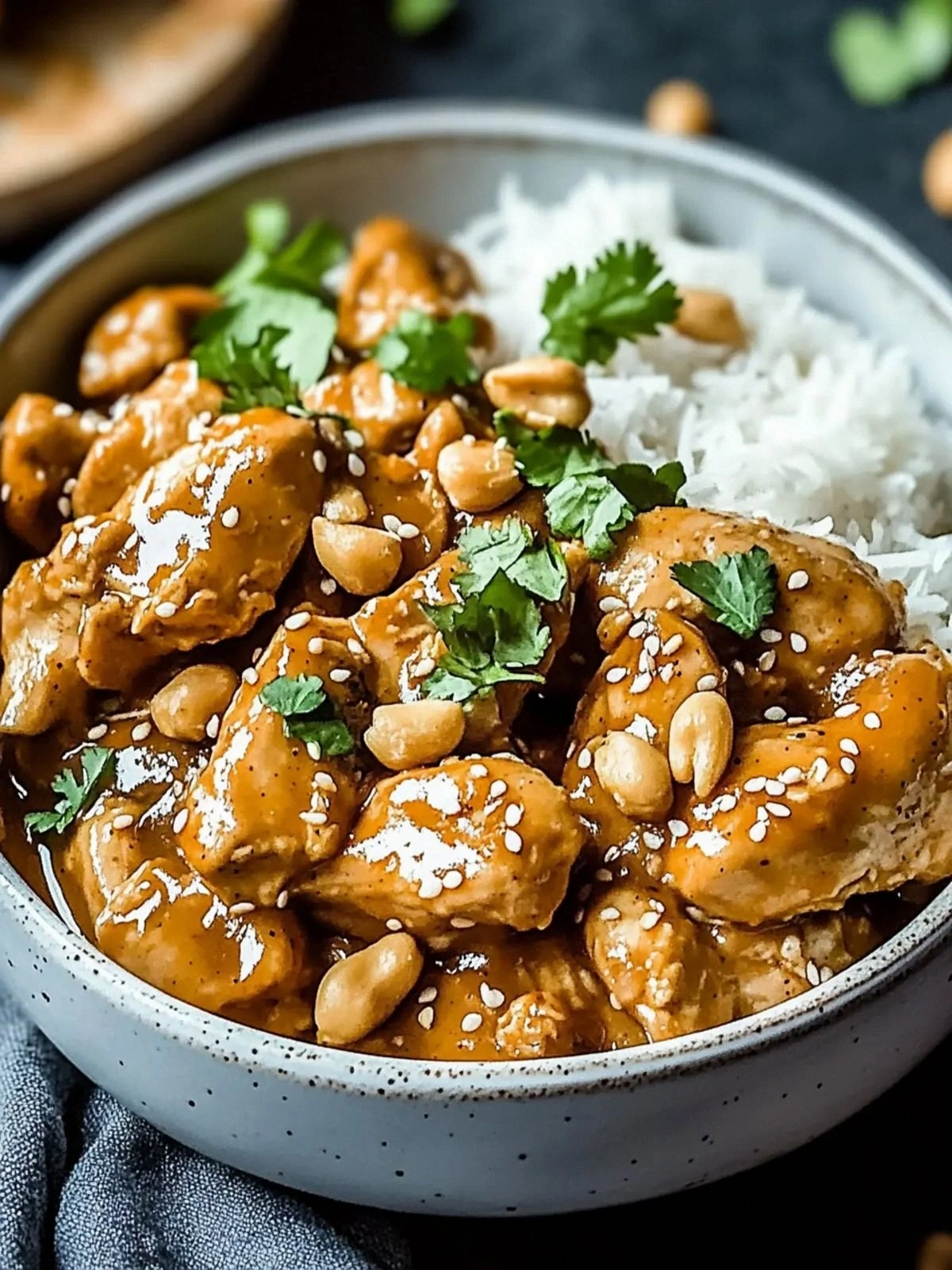
First, let’s talk about the sensory fireworks. The moment the hot oil hits the pan, a sizzling hiss erupts, like a tiny fireworks display that smells of toasted peanuts and fresh ginger. The air fills with a sweet, nutty aroma mingled with the sharp citrus of lime, pulling you in like a magnet. As the chicken cooks, its surface caramelizes into a golden crust that crackles under the knife—crisp edges that shatter like thin ice. The sauce, thick and glossy, coats every bite like velvet, and the final splash of green onions adds a bright, almost citrusy zing that lifts the whole dish. It’s a symphony of textures and flavors, each note perfectly balanced.
Why does this version stand out from the countless other peanut chicken recipes you’ll find online? The answer lies in a few deliberate choices that elevate the dish from good to unforgettable. First, we use a single, high-quality peanut butter that’s creamy yet robust, avoiding the grainy texture that can plague cheaper brands. Second, the coconut milk is full-fat, giving the sauce a luscious body without feeling heavy. Third, we incorporate fresh ginger and garlic in a way that lets their aromatics shine, rather than being drowned by the sauce’s richness. Fourth, the lime juice is added at the right moment to brighten the dish, preventing the peanut butter from feeling too sweet. Finally, we finish with a splash of green onions that adds a fresh, herbal finish that’s almost like a secret weapon.
And here’s a teaser you won’t see in most recipes: we’ll finish the dish with a quick, aromatic stir of fresh lime zest, a trick that transforms the sauce from simply “peanuty” to “peanuty with a citrusy punch.” I dare you to taste this and not go back for seconds. This is hands down the best version you’ll ever make at home, and I’ll prove it with every word below. If you’ve ever struggled with peanut sauces that turn out too thick or too thin, you’re not alone—and I’ve got the fix. Let me walk you through every single step — by the end, you’ll wonder how you ever made it any other way.
What Makes This Version Stand Out
- Taste: The balance between sweet, salty, and tangy is meticulously calibrated. The peanut butter provides a creamy sweetness, the soy sauce adds umami and saltiness, and the lime juice cuts through with bright acidity.
- Texture: The chicken achieves a tender, juicy interior while its exterior forms a caramelized crust that adds a delightful crunch. The sauce is silky but thick enough to cling to each bite.
- Simplicity: With only ten ingredients, no complex measurements, and a single pan, the recipe is beginner‑friendly yet delivers restaurant‑level flavor.
- Uniqueness: The combination of coconut milk and fresh ginger gives this dish an exotic twist that sets it apart from standard peanut chicken.
- Crowd Reaction: Friends and family rave about the “wow” factor. The dish is a conversation starter and a crowd‑pleaser at potlucks.
- Ingredient Quality: Using high‑quality peanut butter and fresh ginger elevates the dish from ordinary to extraordinary.
- Cooking Method: Sautéing the chicken first, then deglazing with coconut milk, creates layers of flavor that are impossible to replicate with a one‑pot method.
- Make‑Ahead Potential: The sauce keeps well in the fridge for up to 3 days, making it ideal for meal prep or a quick weeknight dinner.
Alright, let’s break down exactly what goes into this masterpiece…
Inside the Ingredient List
The Flavor Base
Peanut Butter: The foundation of the sauce, peanut butter brings a deep, nutty richness that is essential. Using a creamy variety ensures the sauce stays smooth; if you prefer a thicker sauce, choose a crunchy style, but be prepared to stir extra. Skipping this would strip the dish of its signature body and sweetness.
Coconut Milk: The full‑fat coconut milk adds a luscious, buttery texture that balances the peanut’s earthiness. It also introduces subtle tropical notes that make the sauce feel indulgent without being heavy. If you’re watching calories, a light coconut milk will work, but the sauce will be less creamy.
The Texture Crew
Chicken Breasts: Boneless, skinless chicken breasts are the star protein. Their lean nature keeps the dish light, while the high protein content makes it filling. If you prefer a firmer bite, slice the chicken thinly; for a juicier result, keep it thicker.
Vegetable Oil: The oil is the medium that creates the caramelized crust on the chicken. It also helps dissolve the peanut butter and coconut milk into a cohesive sauce. A neutral oil like canola or grapeseed works best; avoid olive oil for a cleaner flavor.
The Unexpected Star
Fresh Ginger: Ginger adds a bright, peppery kick that cuts through the richness of the sauce. Fresh ginger is far more aromatic than dried; if you’re in a pinch, ground ginger works, but use half the amount.
Garlic: Garlic provides depth and warmth. Crushing the cloves releases more flavor than mincing, but both work. Garlic is essential for the savory undertone; omitting it would make the sauce feel flat.
The Final Flourish
Low‑Sodium Soy Sauce: This brings umami and a subtle saltiness that balances the sweet peanut butter. Low‑sodium is crucial to prevent the dish from becoming overly salty. If you can’t find low‑sodium, use regular soy sauce but reduce the quantity by 25%.
Lime Juice: The citrus element brightens the sauce and counteracts the sweetness. Adding lime juice at the end of cooking locks in freshness. A squeeze of lime is all you need; too much will make the sauce tart.
Red Pepper Flakes: For those who like heat, red pepper flakes add a gentle, lingering warmth. They also give the dish a pop of color. If you’re heat‑averse, simply leave them out.
Green Onions: The green onion finish adds a fresh, slightly sharp flavor that lifts the dish. The white part is milder, while the green part adds a bright, herbal note. Toss them in at the end to keep their crunch.
Everything’s prepped? Good. Let’s get into the real action…
The Method — Step by Step
- Pat the chicken breasts dry with paper towels; this ensures a nice sear. Season both sides with a pinch of salt and pepper. Heat the vegetable oil in a large skillet over medium‑high heat until shimmering but not smoking.
- Add the chicken to the skillet in a single layer. Let it sear for about 3–4 minutes on one side until golden brown and the edges begin to pull away. Flip and cook the other side for another 3–4 minutes. This step locks in juices and builds flavor.
- Remove the chicken and set aside on a plate. In the same skillet, add the minced garlic and grated ginger. Sauté for 30 seconds until fragrant; be careful not to burn them, as burnt garlic tastes bitter.
- Stir in the low‑sodium soy sauce, letting it bubble and reduce slightly for about 30 seconds. Then pour in the coconut milk and bring the mixture to a gentle simmer.
- Add the peanut butter, stirring continuously until the sauce becomes smooth and glossy. The sauce should coat the back of a spoon; if it’s too thick, add a splash of water or more coconut milk.
- Return the chicken to the skillet, spooning sauce over each piece. Reduce heat to medium and let everything simmer for 5–7 minutes, allowing the chicken to absorb the flavors and the sauce to thicken.
- Stir in the lime juice and red pepper flakes. Taste and adjust seasoning if needed—add a pinch more soy sauce for saltiness or a splash of lime for brightness.
- Finally, sprinkle the green onions over the top. The green part adds a fresh bite, while the white part offers a mild onion flavor. Give everything a quick stir and remove from heat.
That’s it — you did it. But hold on, I’ve got a few more tricks that’ll take this to another level. These insider tips will help you perfect the dish every single time, even if you’re a kitchen rookie or a seasoned chef.
Insider Tricks for Flawless Results
The Temperature Rule Nobody Follows
Many cooks over‑heat the sauce, causing the peanut butter to separate. The secret is to simmer gently at medium‑low heat. This allows the flavors to meld without compromising the sauce’s silky texture. If you’re using a gas stove, keep the flame at the lowest setting that still keeps the sauce moving.
Why Your Nose Knows Best
You’ll notice the sauce developing a nutty, caramelized aroma as it simmers. This is a cue that the peanut butter is fully integrated and the sauce is reaching its peak flavor. Trust your nose—when that scent hits, the dish is ready to plate.
The 5‑Minute Rest That Changes Everything
After cooking, let the dish sit for five minutes before serving. This rest period allows the sauce to thicken slightly and the chicken to re‑absorb juices, resulting in a more cohesive bite. It also gives the lime zest time to release its bright oils.
Use Fresh Lime Zest
A few grinds of fresh lime zest added just before serving can transform the dish’s brightness. The zest’s essential oils give an immediate citrus pop that complements the peanut butter’s richness. It’s a simple step that makes the dish feel gourmet.
Serve Over a Neutral Base
Pair the chicken with steamed jasmine rice or cauliflower rice to absorb the sauce. The rice’s neutral flavor lets the sauce shine, while the rice’s texture balances the dish. If you’re looking for a low‑carb option, try zucchini noodles.
Storage Trick for Future Meals
Store the sauce and chicken separately in airtight containers. When reheating, re‑combine and add a splash of water or coconut milk to restore the sauce’s original consistency. This prevents the sauce from becoming too thick or drying out.
Creative Twists and Variations
This recipe is a playground. Here are some of my favorite ways to switch things up:
Thai‑Inspired Crunch
Swap the green onions for sliced fresh basil and add a handful of crushed roasted peanuts for crunch. Serve over rice noodles for an authentic Thai vibe. The basil’s sweet aroma pairs beautifully with the creamy sauce.
Sweet & Smoky
Add a teaspoon of smoked paprika to the sauce for a smoky undertone. Finish with a drizzle of honey to balance the heat. This version works great with grilled chicken thighs for extra depth.
Vegetarian Version
Replace the chicken with firm tofu or tempeh. Press the tofu to remove excess moisture and sear it until golden before adding the sauce. The tofu absorbs the flavors wonderfully, making a hearty plant‑based main.
Low‑Carb Delight
Serve the dish over cauliflower rice or sautéed spinach instead of regular rice. The green leafy base adds color and nutrients while keeping the carb count low.
Breakfast Boost
Use the sauce as a topping for scrambled eggs or an omelet. The peanut‑coconut base adds a unique twist to a classic breakfast, giving it a savory, sweet kick.
Garnish Galore
Top with toasted sesame seeds, a sprinkle of chopped cilantro, or a dash of toasted coconut flakes. These garnishes add texture and a burst of flavor that elevates the dish.
Storing and Bringing It Back to Life
Fridge Storage
Store the dish in an airtight container in the refrigerator for up to three days. The sauce may thicken slightly; before reheating, stir in a splash of coconut milk or water to restore its silky consistency.
Freezer Friendly
The dish freezes well for up to two months. Separate the sauce and chicken into individual portions to preserve texture. When ready, thaw overnight in the fridge, then reheat gently on the stove with a splash of coconut milk.
Best Reheating Method
Reheat over low heat, stirring frequently until warmed through. Adding a splash of water or coconut milk prevents the sauce from drying out. Serve immediately for the best flavor and texture.