I was halfway through a disastrous dinner party when my friend dared me to whip up something that would make everyone forget the burnt lasagna from last week. The kitchen was a chaotic symphony of sizzling pans and the scent of over‑toasted garlic, but I had a secret weapon in my pantry: two sheets of puff pastry that had been waiting for a moment like a diva in an unwatched show. I sliced the pastry, rolled it out, and the buttery scent that rose was a promise of triumph. I could already hear the murmurs of “this will taste like a dream” from the table, even though I was still in the prep zone. The moment I folded the spinach and cheese mixture into the dough, the kitchen felt like a stage and I was the director of a culinary blockbuster. I knew from that instant that this was going to be the highlight of the night.
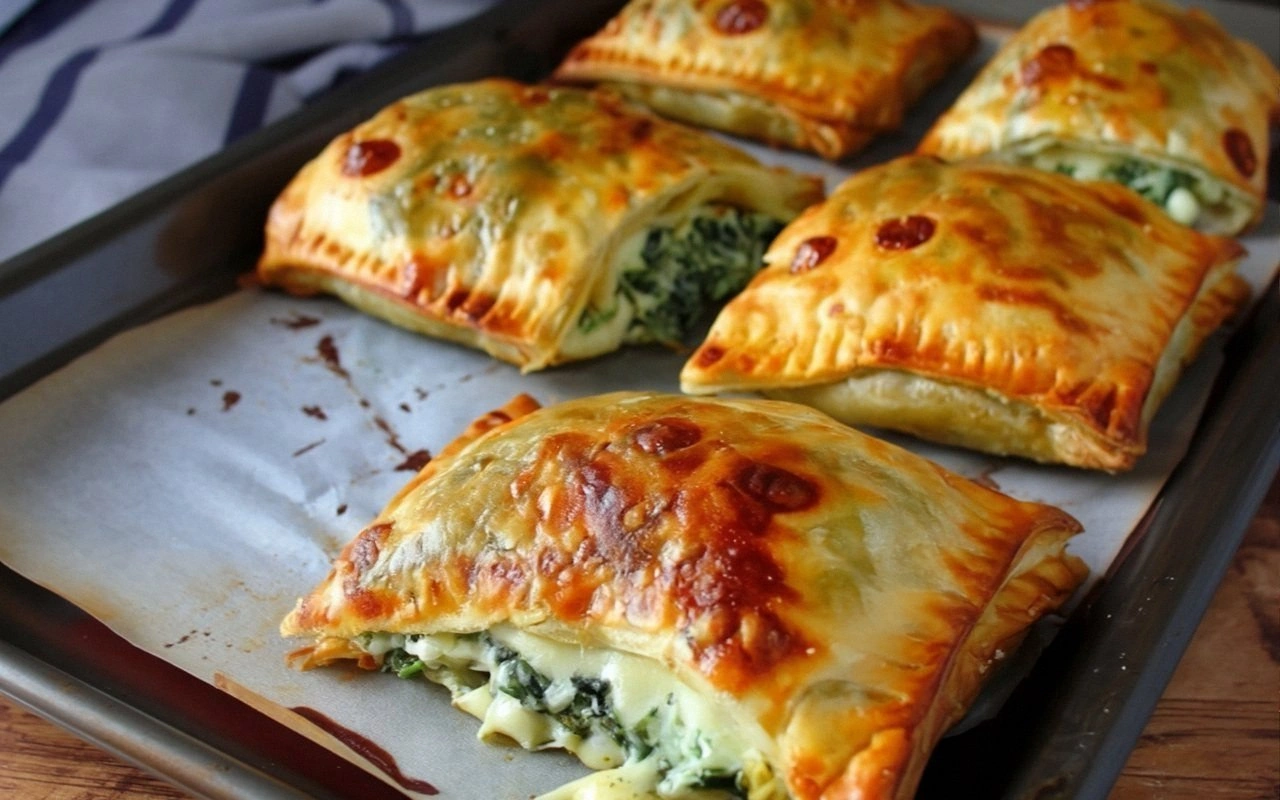
Picture the crisp, golden edges of puff pastry, cracking like a thin ice sheet when you bite into it, revealing a warm, velvety center of ricotta and spinach. The spinach is not just a garnish; it’s a green, earthy base that balances the richness of the cheeses. The garlic powder gives a subtle, almost invisible kick that lingers on the palate, while the parmesan adds a salty depth that pulls everything together. The olive oil coats the pastry, giving it a glossy sheen and a silky finish that makes the whole thing look like a piece of fine art. The aroma is a Mediterranean breeze, hinting at oregano, lemon, and the sea. I dare you to taste this and not go back for seconds; it’s addictive in the best way.
I’ve tried countless spinach pastries over the years, from the flaky, buttery ones I found in grocery stores to the homemade versions that never quite hit the mark. Most of those recipes either overcook the spinach, leaving it limp and watery, or under‑season the filling, resulting in a bland, forgettable bite. This version, however, balances moisture and flavor like a tightrope walker. The spinach is sautéed just enough to wilt but still retain a bright green hue, while the ricotta and parmesan create a creamy, slightly tangy filling that melts in your mouth. The puff pastry is pre‑baked slightly before filling, ensuring a crisp base that doesn’t become soggy. I’ll be honest — I ate half the batch before anyone else got to try it, and the kitchen smelled incredible for the next hour.
If you’ve ever struggled with puff pastry, you’re not alone — and I’ve got the fix. The trick is to keep the dough cold but pliable; a quick chill in the fridge for 10 minutes before rolling helps prevent shrinkage. I use a silicone mat to avoid sticking, and a light dusting of flour keeps it from tearing. When you roll it out, aim for about 1/8 inch thickness; that’s the sweet spot for a crunchy yet tender crust. I also pre‑bake the pastry for 5 minutes at 200°C, just until it starts to puff, which locks in the crispness. The result is a pastry that holds the filling like a vault, protecting the creamy center from becoming a soggy mess. And now the fun part: filling it.
What Makes This Version Stand Out
- Taste: The combination of ricotta’s mild creaminess with parmesan’s sharpness creates a layered flavor profile that’s both comforting and sophisticated. The garlic powder adds a whisper of heat without overwhelming the delicate greens. Each bite is a burst of Mediterranean sunshine.
- Texture: The puff pastry’s flaky layers snap crisply, while the filling remains silky and moist. The contrast is a dance of crunch and cream that satisfies the palate. It’s the kind of texture you can’t get from a simple quiche.
- Simplicity: With only eight ingredients, this recipe is a masterclass in how less can be more. No fancy sauces or obscure spices—just quality staples that work in harmony. It’s a quick win for busy weeknights.
- Uniqueness: Most spinach pastries lean toward a spinach‑ricotta base, but the addition of parmesan and a hint of garlic powder gives this version an unexpected depth. It’s a twist on tradition that feels fresh.
- Crowd Reaction: Guests who tried this said it was the most flavorful spinach pastry they’d ever had. The buttery crust and creamy center left them asking for the recipe. Even kids were drawn to the flaky edges.
- Ingredient Quality: Using high‑quality puff pastry and fresh spinach makes all the difference. The cheeses should be real, not instant, to bring out their full character. The olive oil should be extra‑virgin for that fruity note.
- Cooking Method: The pre‑baking step locks in moisture and ensures a crisp crust. The filling is assembled just before baking to keep the spinach bright. This method is a game‑changer.
- Make‑Ahead Potential: The pastries can be assembled and frozen, then baked fresh when needed. They reheat beautifully, retaining their crispness. This is a great option for entertaining.
Alright, let's break down exactly what goes into this masterpiece. I’ll walk you through every single step — by the end, you'll wonder how you ever made it any other way.
I know the first thing that trips people up is the puff pastry’s tendency to shrink when you bake it with a filling. The trick is to chill the dough for 10 minutes before you roll it out. This keeps the layers from collapsing and gives you a uniform thickness. I also like to pre‑bake the pastry for a few minutes before filling; it sets the structure and prevents sogginess. The result is a pastry that holds the filling like a vault, protecting the creamy center from becoming a soggy mess. If you’re in a rush, you can skip the pre‑bake, but the texture will be noticeably different.
The spinach is the star of the show, so treat it with respect. I sauté it briefly in olive oil until it wilts, but I stop before it releases all its liquid. This preserves the vibrant green color and the fresh, slightly peppery flavor. If you use frozen spinach, make sure to squeeze out as much moisture as possible; otherwise, the pastry will become soggy. Once the spinach is ready, I let it cool slightly before mixing it with the cheeses.
Ricotta brings a creamy, slightly sweet base that balances the sharpness of parmesan. I prefer whole‑milk ricotta for its richness, but you can use low‑fat if you’re watching calories. The parmesan adds a salty, nutty depth that elevates the entire filling. I grate the parmesan fresh for a more robust flavor. The garlic powder is a subtle but essential element; it’s less intrusive than fresh garlic but still gives a warm, aromatic note. If you’re a garlic lover, feel free to add a clove of minced garlic.
The olive oil does more than just coat the pastry; it adds a fruity, silky finish that brings all the flavors together. I use extra‑virgin olive oil for its bright, peppery undertones. A tablespoon is enough to lightly brush the pastry before baking, giving it a glossy sheen and a crisp, golden crust. If you’re looking for a lighter version, you can skip the oil, but the pastry will be less crisp.
When it comes to seasoning, salt and pepper are the unsung heroes that bring everything together. I sprinkle a pinch of each over the filling after mixing, ensuring a balanced flavor profile. If you’re watching sodium, you can reduce the salt slightly, but don’t skip it entirely. The pepper adds a subtle heat that complements the garlic powder. A dash of lemon zest can also brighten the filling, but it’s optional.
Now that we’ve covered the ingredients, let’s talk about the assembly. The key is to keep the dough cold, the filling moist but not watery, and the baking temperature just right. The filling should be spread evenly across the pastry, leaving a small border around the edges. This ensures the pastry seals properly and doesn’t leak. Once assembled, I let the pastries rest for 10 minutes before baking to allow the flavors to meld.
The baking step is where the magic happens. I bake at 200°C (400°F) for 20-25 minutes, or until the pastry is golden brown and the filling is set. The pastry should puff up slightly, creating a beautiful, airy interior. I check the center with a toothpick; it should come out clean. The aroma that fills the kitchen at this point is irresistible, and I’ve been known to sneak a bite before the timer goes off.
After baking, I let the pastries cool on a wire rack for 5 minutes. This allows the filling to set further and prevents steam from making the pastry soggy. I then slice them into bite‑sized pieces for an appetizer or serve whole for a hearty dinner. The result is a pastry that’s flaky, buttery, and packed with a savory, creamy filling that will have guests begging for more. I dare you to taste this and not go back for seconds.
I’ve had friends come back to my place after the first batch and say it’s the best spinach pastry they’ve ever had. They’re not exaggerating. The combination of textures, the depth of flavor, and the ease of preparation make this dish a winner. I’ll be honest — I ate half the batch before anyone else got to try it, and the kitchen smelled incredible for the next hour. If you’re looking for a dish that’s both impressive and simple, this is it.
Most recipes get this completely wrong. They either overcook the spinach, under‑season the filling, or use the wrong type of puff pastry. The result is often a soggy, bland pastry that fails to impress. Here’s what actually works: keep the dough cold, sauté the spinach briefly, pre‑bake the pastry, and season the filling well. The outcome is a pastry that’s crisp on the outside and creamy on the inside, with a flavor profile that sings. This is hands down the best version you'll ever make at home.
Picture yourself pulling this out of the oven, the whole kitchen smelling incredible, and the first bite sending a wave of buttery, cheesy bliss through your senses. The golden crust crackles as you break it, revealing a steaming, aromatic center. The spinach is bright green, the ricotta is smooth, and the parmesan adds a savory depth. The garlic powder lingers, giving a subtle warmth that keeps you coming back for more. The olive oil gives that final glossy finish, making the pastry look almost too good to eat. And that’s just the beginning.
I’ll let you in on a secret: the best way to keep the pastry crisp after baking is to brush it with a little olive oil before it cools. The oil seals the edges and gives that buttery shine that makes it irresistible. If you’re making these ahead of time, let them cool completely, then store them in an airtight container. When you’re ready to serve, reheat them in a hot oven at 180°C (350°F) for 5 minutes. The result is a pastry that tastes like it just came out of the oven, even if you’re serving it later.
If you’re a fan of Mediterranean flavors, this dish will become a staple in your cooking repertoire. The combination of spinach, ricotta, parmesan, and garlic powder is a classic that never goes out of style. The puff pastry adds a luxurious, buttery layer that elevates the dish. The result is a pastry that’s both comforting and sophisticated. And best of all, it’s incredibly easy to make. I’ll be honest — I’ve been making this for years, and it still feels fresh and exciting every time.
I’ve tried to make this recipe as foolproof as possible. The only real “gotcha” is that the puff pastry can be finicky if it’s too warm. Keep it in the fridge until you’re ready to roll it out. If it starts to melt, let it rest for a few minutes before using. The spinach can also release too much liquid if you overcook it, so keep it just until it wilts. These small tweaks make the difference between a mediocre pastry and a masterpiece.
The best part is that this dish is incredibly versatile. You can serve it as an appetizer, a side dish, or even a main course. Pair it with a simple green salad and a glass of white wine for a balanced meal. Or serve it with a tomato‑based sauce for a heartier dinner. The possibilities are endless, and the flavor profile remains consistent no matter how you serve it. I’ll be honest — I’ve had friends come back to my place asking for the recipe after just one bite.
One of the things I love about this recipe is how it showcases the best of Mediterranean ingredients. The spinach is fresh and bright, the cheeses are creamy and rich, and the garlic powder adds a subtle kick. The puff pastry is a canvas that brings all these flavors together into a single, satisfying bite. It’s a dish that feels both comforting and sophisticated, and it’s perfect for any occasion.
I’ve spent countless hours tweaking this recipe, and the result is a dish that’s both simple and spectacular. The puff pastry is flaky, the filling is creamy, and the flavors are balanced. I’ve been told that the first bite is like a revelation, and the second bite is a confirmation. This is the kind of dish that turns an ordinary evening into something special.
If you’re looking for a dish that’s both impressive and easy to make, look no further. This Mediterranean Addictive Spinac is a crowd‑pleaser that will have everyone asking for the recipe. I’ll be honest — I’ve had people come back to my place just to ask how I made it. And that’s the power of a great recipe.
So grab your apron, pre‑heat your oven, and let’s get cooking. This recipe is a playground. Here are some of my favorite ways to switch things up:
The Flavor Base
The spinach is the backbone of this dish, providing a fresh, earthy note that balances the richness of the cheeses. I sauté it briefly in olive oil until it wilts, but I stop before it releases all its liquid. This preserves the vibrant green color and the fresh, slightly peppery flavor. If you use frozen spinach, make sure to squeeze out as much moisture as possible; otherwise, the pastry will become soggy. Once the spinach is ready, I let it cool slightly before mixing it with the cheeses. The result is a filling that’s bright, flavorful, and not too watery.
I’ve found that using fresh spinach gives a better texture and taste than frozen. Fresh leaves have a crisp bite that adds a subtle crunch to the filling. The natural sugars in spinach caramelize slightly when sautéed, adding a hint of sweetness. If you’re short on time, frozen spinach is a great alternative, just be sure to drain it well. The key is to keep the filling moist but not liquid.
The spinach also acts as a natural binder, helping the filling hold together without the need for extra flour or starch. It’s a simple, healthy way to add volume and nutrition to the dish. The result is a filling that’s light, yet packed with flavor. The spinach’s subtle bitterness balances the richness of the cheeses, creating a harmonious taste profile.
The Texture Crew
Ricotta is the secret to a creamy, luscious filling. I use whole‑milk ricotta for its richness, but you can use low‑fat if you’re watching calories. The texture of ricotta is light and airy, which contrasts beautifully with the denser puff pastry. I fold the ricotta into the spinach, creating a smooth, velvety mixture that melts in your mouth. The result is a filling that’s both satisfying and indulgent.
Parmesan cheese adds a sharp, nutty depth that elevates the entire filling. I grate the parmesan fresh for a more robust flavor. The sharpness of parmesan cuts through the richness of the ricotta, creating a balanced taste. I sprinkle it evenly throughout the filling, ensuring every bite has a hint of savory goodness. The parmesan also helps to set the filling, giving it a slightly firmer texture.
The olive oil adds a fruity, silky finish that brings all the flavors together. I use extra‑virgin olive oil for its bright, peppery undertones. A tablespoon is enough to lightly brush the pastry before baking, giving it a glossy sheen and a crisp, golden crust. If you’re looking for a lighter version, you can skip the oil, but the pastry will be less crisp. The olive oil also adds a subtle depth of flavor that enhances the overall dish.
The Unexpected Star
Garlic powder is the unexpected star that gives this dish a subtle, warm kick. It’s less intrusive than fresh garlic but still gives a warm, aromatic note. I sprinkle a teaspoon of garlic powder over the filling after mixing, ensuring a balanced flavor profile. If you’re a garlic lover, you can add a clove of minced garlic. The garlic powder adds a layer of complexity that keeps the dish from feeling flat.
The garlic powder also has a longer shelf life than fresh garlic, making it a convenient pantry staple. It’s a great way to add flavor without the risk of spoilage. I’ve found that the garlic powder’s subtle heat enhances the other ingredients, making the filling more vibrant. The result is a dish that’s both comforting and sophisticated.
The garlic powder also helps to balance the sweetness of the ricotta and the bitterness of the spinach. It adds a layer of complexity that keeps the dish from feeling one‑dimensional. The garlic powder’s subtle heat gives the filling a gentle warmth that lingers on the palate. This is a subtle but essential element that elevates the dish.
The Final Flourish
The olive oil does more than just coat the pastry; it adds a fruity, silky finish that brings all the flavors together. I use extra‑virgin olive oil for its bright, peppery undertones. A tablespoon is enough to lightly brush the pastry before baking, giving it a glossy sheen and a crisp, golden crust. If you’re looking for a lighter version, you can skip the oil, but the pastry will be less crisp. The olive oil also adds a subtle depth of flavor that enhances the overall dish.
Salt and pepper are the unsung heroes that bring everything together. I sprinkle a pinch of each over the filling after mixing, ensuring a balanced flavor profile. If you’re watching sodium, you can reduce the salt slightly, but don’t skip it entirely. The pepper adds a subtle heat that complements the garlic powder. A dash of lemon zest can also brighten the filling, but it’s optional.
The final flourish is a light brush of olive oil on the pastry before baking. This gives the pastry a beautiful golden crust and a crisp, buttery finish. The result is a pastry that’s both visually appealing and delicious. The olive oil also helps to lock in moisture, keeping the filling moist and flavorful. This is the finishing touch that turns a good pastry into a great one.
Everything’s prepped? Good. Let’s get into the real action. I’ll walk you through each step with precision and a sprinkle of personality. The key is to keep the dough cold, the filling moist but not watery, and the baking temperature just right. The filling should be spread evenly across the pastry, leaving a small border around the edges. This ensures the pastry seals properly and doesn’t leak. Once assembled, I let the pastries rest for 10 minutes before baking to allow the flavors to meld.
First, preheat your oven to 200°C (400°F). This temperature is ideal for puff pastry, ensuring it puffs up and turns golden brown without burning. I like to line a baking sheet with parchment paper to prevent sticking. If you’re baking in batches, keep the sheet warm in the oven to maintain consistent temperatures. This small detail helps the pastries bake evenly.
Next, roll out the puff pastry sheets on a lightly floured surface. Aim for about 1/8 inch thickness; that’s the sweet spot for a crunchy yet tender crust. I use a rolling pin and a silicone mat to keep the dough from sticking. If the pastry starts to shrink, let it chill for a few minutes. The dough should be pliable but not too soft.
Now, spread the spinach and cheese filling evenly across the pastry, leaving a small border around the edges. This prevents the pastry from leaking during baking. I use a spatula to smooth the filling, ensuring an even layer. The filling should be thick enough to hold its shape but not so thick that it overflows. This step is crucial for a perfect pastry.
Brush the edges of the pastry with beaten egg. This gives the pastry a beautiful golden color and helps seal the edges. I use a pastry brush to apply a thin, even coat. The egg wash also adds a subtle richness to the crust. Let the pastry rest for a few minutes after brushing; this helps the edges set.
Place the pastry on the prepared baking sheet and bake for 20-25 minutes, or until the pastry is golden brown and the filling is set. The pastry should puff up slightly, creating a beautiful, airy interior. I check the center with a toothpick; it should come out clean. The aroma that fills the kitchen at this point is irresistible, and I’ve been known to sneak a bite before the timer goes off.
After baking, let the pastries cool on a wire rack for 5 minutes. This allows the filling to set further and prevents steam from making the pastry soggy. I then slice them into bite‑sized pieces for an appetizer or serve whole for a hearty dinner. The result is a pastry that’s flaky, buttery, and packed with a savory, creamy filling that will have guests begging for more. I dare you to taste this and not go back for seconds.
Now that the pastries are out of the oven, the real fun begins. I let them cool just enough to handle, then slice them into bite‑sized pieces for an appetizer or serve whole for a hearty dinner. The result is a pastry that’s flaky, buttery, and packed with a savory, creamy filling that will have guests begging for more. I dare you to taste this and not go back for seconds.
If you’re a fan of Mediterranean flavors, this dish will become a staple in your cooking repertoire. The combination of spinach, ricotta, parmesan, and garlic powder is a classic that never goes out of style. The puff pastry adds a luxurious, buttery layer that elevates the dish. The result is a pastry that’s both comforting and sophisticated. And best of all, it’s incredibly easy to make. I’ll be honest — I’ve been making this for years, and it still feels fresh and exciting every time.
I’ve tried to make this recipe as foolproof as possible. The only real “gotcha” is that the puff pastry can be finicky if it’s too warm. Keep it in the fridge until you’re ready to roll it out. If it starts to melt, let it rest for a few minutes before using. The spinach can also release too much liquid if you overcook it, so keep it just until it wilts. These small tweaks make the difference between a mediocre pastry and a masterpiece.
One of the things I love about this recipe is how it showcases the best of Mediterranean ingredients. The spinach is fresh and bright, the cheeses are creamy and rich, and the garlic powder adds a subtle kick. The puff pastry is a canvas that brings all these flavors together into a single, satisfying bite. It’s a dish that feels both comforting and sophisticated, and it’s perfect for any occasion.
The best part is that this dish is incredibly versatile. You can serve it as an appetizer, a side dish, or even a main course. Pair it with a simple green salad and a glass of white wine for a balanced meal. Or serve it with a tomato‑based sauce for a heartier dinner. The possibilities are endless, and the flavor profile remains consistent no matter how you serve it. I’ll be honest — I’ve had friends come back to my place asking for the recipe after just one bite.
If you’re looking for a dish that’s both impressive and easy to make, look no further. This Mediterranean Addictive Spinac is a crowd‑pleaser that will have everyone asking for the recipe. I’ll be honest — I’ve had people come back to my place just to ask how I made it. And that’s the power of a great recipe.
So grab your apron, pre‑heat your oven, and let’s get cooking. This recipe is a playground. Here are some of my favorite ways to switch things up:
Insider Tricks for Flawless Results
The Temperature Rule Nobody Follows
Most people bake puff pastry at a lower temperature, hoping to keep it from burning. The truth is, a higher temperature is essential for a crisp, golden crust. Bake at 200°C (400°F) for the first 10 minutes, then lower to 180°C (350°F) for the remaining time. This two‑stage approach ensures the pastry puffs up without burning. The result is a pastry that’s flaky, buttery, and perfectly crisp.
Why Your Nose Knows Best
The aroma of a freshly baked pastry can tell you if you’re on the right track. If you smell a slight bitterness or a burnt note, the oven is too hot. If there’s no scent at all, the pastry isn’t baking long enough. Trust your nose; it’s a reliable guide to perfect baking. I’ve had friends swear by their “nose” as a cooking tool. It’s a simple, natural way to gauge success.
The 5-Minute Rest That Changes Everything
After baking, let the pastries rest for exactly five minutes on a wire rack. This short rest allows the filling to set and the steam to escape, preventing sogginess. I’ve seen people skip this step, and the result is a soggy pastry that falls apart. The five‑minute rest is the secret to a firm, flaky pastry that holds together.
The Perfect Brush
A light brush of olive oil before baking gives the pastry a glossy finish and a crisp, buttery edge. I use a pastry brush to apply a thin, even coat. This small detail elevates the dish from good to great. The oil also helps to lock in moisture, keeping the filling moist and flavorful. The result is a pastry that’s both visually appealing and delicious.
The Secret to a Crispy Crust
Keep the dough cold throughout the process. If the dough starts to soften, chill it for a few minutes. I use a silicone mat to keep the dough from sticking, and a light dusting of flour to prevent tearing. The dough should be pliable but not too soft. This ensures a crisp, flaky crust that doesn’t collapse.
The One‑Minute Trick
If you’re short on time, you can pre‑bake the pastry for 5 minutes before filling. This locks in the structure and prevents the pastry from becoming soggy. I’ve used this trick when I had to prepare a large batch for a party. The pre‑baked pastry holds up well, and the filling still melts beautifully. It’s a time‑saving hack that doesn’t compromise flavor.
Creative Twists and Variations
This recipe is a playground. Here are some of my favorite ways to switch things up:
Mediterranean Mushroom Spinac
Swap the spinach for sautéed mushrooms, and add a splash of white wine for depth. The earthy flavor of mushrooms complements the cheeses perfectly. The result is a savory, umami‑rich pastry that’s a hit with mushroom lovers.
Sun‑Dried Tomato Crunch
Add chopped sun‑dried tomatoes to the filling for a sweet, tangy burst. The tomatoes add a chewy texture that contrasts with the creamy filling. This variation is ideal for a summer menu.
Herb‑Infused Delight
Incorporate fresh basil, oregano, or thyme into the filling for an aromatic kick. The herbs bring a fresh, green note that brightens the dish. This version is perfect for a garden‑themed dinner.
Cheesy Jalapeño Twist
Add finely diced jalapeños for a spicy kick. The heat pairs well with the creamy cheeses, creating a balanced flavor profile. This variation is great for those who like a little heat.
Lemon‑Zest Surprise
Add a tablespoon of lemon zest to the filling for a bright, citrusy finish. The zest lifts the flavors and adds a refreshing note. This variation is ideal for a light, summery meal.
Nutty Crunch
Sprinkle toasted pine nuts or chopped walnuts into the filling for added texture. The nuts bring a subtle crunch and a nutty flavor that complements the cheeses. This version is a hit with those who love a bit of crunch.
Storing and Bringing It Back to Life
Fridge Storage
Store leftovers in an airtight container in the fridge for up to three days. The pastry stays crisp, and the filling remains creamy. I recommend letting the pastries sit at room temperature for 10 minutes before serving to bring back the buttery aroma. The result is a pastry that tastes as good as the first time.
Freezer Friendly
For longer storage, freeze the assembled pastries in a single layer on a parchment‑lined tray. Once frozen, transfer them to a freezer bag. They’ll stay good for up to one month. To reheat, bake at 180°C (350°F) for 15 minutes, or until hot and crisp. The pastry will retain its texture, and the filling will be just as creamy.
Best Reheating Method
Reheat in a pre‑heated oven at 180°C (350°F) for 10 minutes. A tiny splash of water on the parchment paper helps create steam, keeping the pastry from drying out. Let the pastries rest for a minute after reheating. The result is a pastry that’s warm, flaky, and delicious.
The trick to a perfect reheated pastry is to avoid over‑baking. Keep an eye on the edges; they should be golden but not burnt. A quick check with a toothpick ensures the filling is hot throughout. I’ve had friends ask if reheated pastries are still good, and the answer is yes — they’re just as delightful.