I remember the night I tried to recreate that street‑food wonder at a friend's birthday bash and ended up with a bowl of soggy, bland wontons that tasted like disappointment. The kitchen was a mess, the wrappers were limp, and the filling was a dry, unseasoned slurry that clung to the spoon like a bad habit. I stared at the plate, felt a pang of culinary humiliation, and swore to myself that I would never again serve a mediocre snack. The next morning, I scoured the internet for the holy grail of crispy wrappers, and what I found was a recipe that promised more crunch than a snowflake, more flavor than a secret menu, and a taste that would make your taste buds sing.
Picture this: a golden, buttery wafer that crackles when you bite into it, revealing a savory, slightly sweet filling of pork, water chestnuts, and a whisper of oyster sauce. The aroma rises like incense, filling the kitchen with a scent that is at once comforting and adventurous. The first bite is a burst of crunch that gives way to a silky, umami‑laden sauce that coats the tongue like velvet. Your eyes widen, your mouth waters, and you can’t help but ask, “What is this?” The moment you taste it, you’ll be tempted to eat the whole batch in one sitting, and I dare you to taste this and not go back for seconds.
What sets this version apart isn’t just the crispy exterior; it’s the meticulous balance of textures and flavors that dance together. The pork is ground to a fine consistency, allowing the cornstarch to bind the filling into a cohesive, moist center that contrasts beautifully with the crisp wrapper. The water chestnuts add a subtle crunch that punctuates each bite, while the oyster sauce and shoyu soy sauce provide depth and a gentle sweetness that elevates the dish from ordinary to unforgettable. Even the Chinese parsley gives a fresh, herbal note that cuts through the richness, creating a harmonious symphony of taste. This is hands down the best version you'll ever make at home, and once you try it, you'll wonder how you ever settled for anything less.
Now, before you grab your wok and start mixing, let me walk you through every single step. By the end, you'll be able to pull these golden wonders out of the oil with the confidence of a seasoned chef. You'll learn the secret to a perfectly crisp wrapper that doesn’t tear, the exact ratio of seasoning that makes the filling sing, and the trick that keeps the gau gee crunchy for hours. And trust me, the final result will make your kitchen smell like a celebration and your friends beg for the recipe. Let me walk you through every single step — by the end, you'll wonder how you ever made it any other way.
What Makes This Version Stand Out
- Flavor: The combination of oyster sauce and shoyu soy sauce creates a layered umami that is both savory and subtly sweet, ensuring every bite is complex and satisfying.
- Texture: The cornstarch coating the pork mixture forms a silky, cohesive center that contrasts perfectly with the crisp, buttery wrapper.
- Simplicity: Only twelve ingredients, all common in any Asian pantry, make this recipe a breeze for beginners and a quick delight for busy nights.
- Uniqueness: The addition of water chestnuts and Chinese parsley introduces unexpected crunch and freshness that elevate the dish beyond typical wonton snacks.
- Crowd Reaction: Friends and family will line up for seconds, and the dish is ideal for parties, potlucks, or a midnight craving.
- Ingredient Quality: Using fresh, high‑quality pork and fresh herbs ensures a richer flavor profile and a more authentic experience.
- Cooking Method: The precise oil temperature and controlled frying technique guarantee a golden, crackling exterior without greasy residue.
- Make‑Ahead Potential: Assemble the filling in advance and keep wrapped in the fridge; fry just before serving for maximum freshness.
Inside the Ingredient List
The Flavor Base
At the heart of every great gau gee is a flavor base that marries savory, sweet, and umami notes. The oyster sauce lends a deep, slightly briny richness that is unmistakably Asian, while the shoyu soy sauce adds depth and a subtle saltiness that balances the sweetness of the oyster sauce. Together, they form a sauce that coats the filling like a silk ribbon, ensuring each bite is a harmonious blend of flavors. Skipping either sauce will leave the dish flat and forgettable; the combination is what elevates this recipe from ordinary to extraordinary. The sauce also acts as a binder, helping the pork mixture hold together during frying.
The Texture Crew
Texture is the secret weapon that turns a simple snack into a memorable experience. The cornstarch in the filling is the unsung hero that gives the center a silky, cohesive feel without turning it mushy. Water chestnuts add a surprising crunch that pops in your mouth, contrasting beautifully with the soft pork. Green onions and Chinese parsley contribute a fresh, herbal bite that cuts through the richness, preventing the dish from feeling heavy. The wonton wrappers are chosen for their thinness and ability to crisp up quickly, creating the coveted crackling exterior that makes these gau gee a delight.
The Unexpected Star
While many recipes rely on pork alone, the addition of water chestnuts is what makes this version truly stand out. Their crispness is like a burst of fresh air in a savory landscape, adding a layer of complexity that is both surprising and delightful. The Chinese parsley, often overlooked, provides a subtle citrusy note that brightens the dish and balances the umami. These ingredients are the unexpected stars that shine through, turning a simple snack into a culinary revelation. If you skip them, the dish will still be good, but it will lack that unforgettable crunch and bright finish.
The Final Flourish
The final flourish is all about presentation and finishing touches that elevate the dish. A light drizzle of soy glaze or a pinch of sea salt right before serving enhances the flavor profile, making the gau gee even more irresistible. The choice of oil—preferably peanut or vegetable oil with a high smoke point—ensures a quick, even fry that locks in crispness. Serving them on a parchment‑lined tray with a side of dipping sauce adds a professional touch that will impress guests. The golden color and glossy sheen of the finished product are not just visual treats but also indicators of perfect frying. Remember, a well‑finished gau gee is a feast for both the eyes and the palate.
Everything's prepped? Good. Let's get into the real action. Picture yourself standing over a hot skillet, the aroma of frying oil filling the room, and the anticipation of crisp, golden wafers waiting to be revealed. The process is a dance of precision and timing, and each step is essential to achieving that coveted crunch and savory center. I’ll guide you through each moment, ensuring you don’t miss any crucial detail. And trust me, the final result will make your kitchen smell like a celebration.
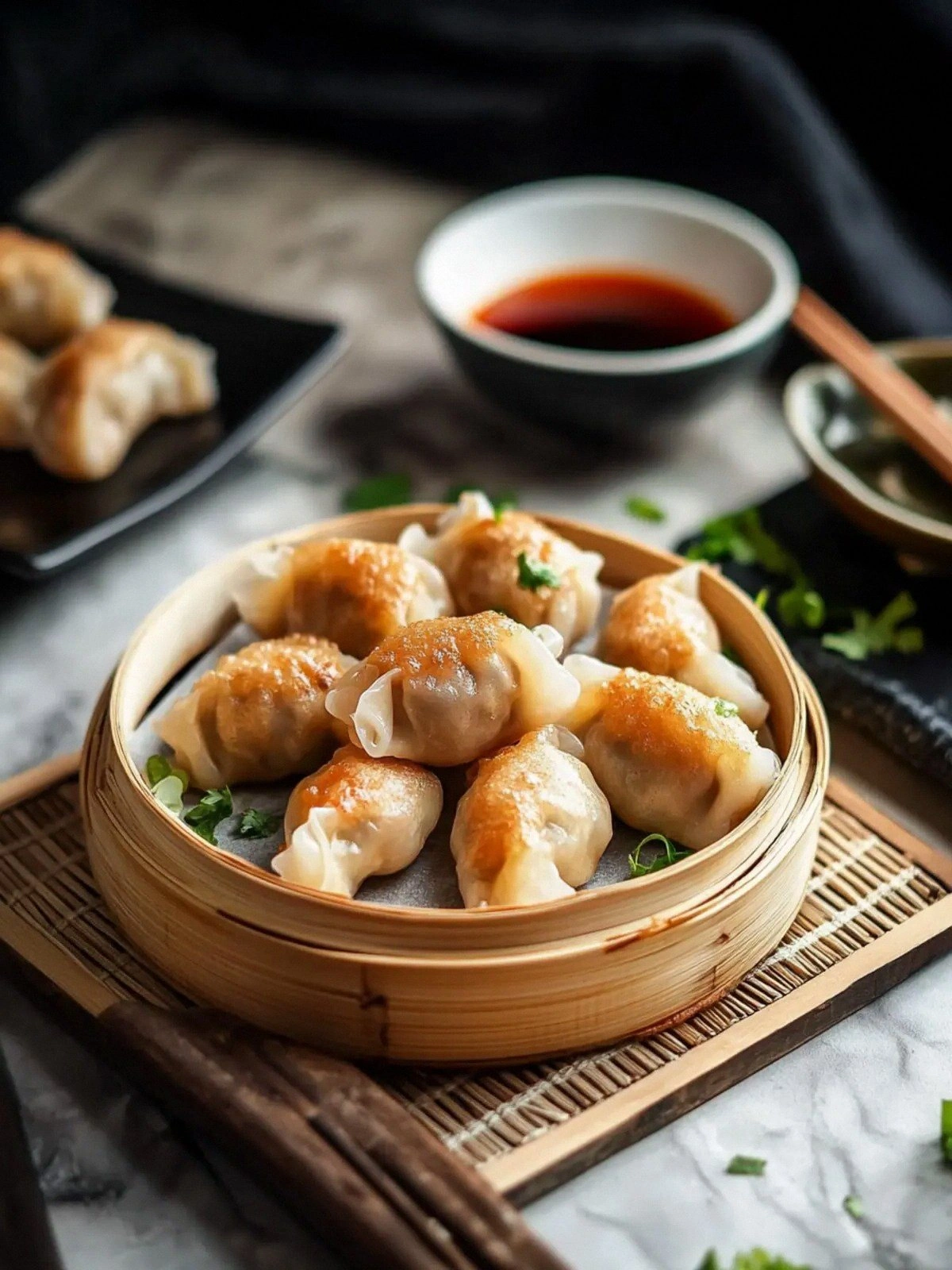
The Method — Step by Step
- In a large bowl, combine the ground pork, minced ginger, crushed garlic, sliced green onions, chopped Chinese parsley, oyster sauce, shoyu soy sauce, diced water chestnuts, and a teaspoon of salt. Add the tablespoon of cornstarch and mix until the mixture becomes sticky and the cornstarch coats the meat. This sticky texture is the secret to a cohesive filling that won’t leak during frying. The aroma of ginger and garlic should already be filling the air, hinting at the flavor to come.
- Lay a wonton wrapper flat on a clean surface. Spoon about two tablespoons of the pork mixture onto the center of the wrapper. Fold the wrapper diagonally to form a triangle, then seal the edges by pressing them with a fork or your fingertips. The seal should be tight but not too tight; a loose seal can cause the filling to leak, while a tight seal can make the wrapper tough.
- Heat the oil in a deep skillet or wok to 350°F (175°C). Use a thermometer for accuracy; if you don’t have one, drop a small piece of dough in; if it sizzles and rises, the oil is ready. The oil should be hot enough to give an instant crunch but not so hot that it burns the wrappers.
- Gently slide a few wrappers into the hot oil, being careful not to overcrowd. Fry each batch for 2-3 minutes or until golden brown and crisp. The sound of the sizzle is music; trust the color, not the clock. A golden hue indicates the oil has reached the right temperature for crispness.
- Use a slotted spoon to remove the gau gee, letting excess oil drain on a paper towel‑lined plate. The wrappers should be crisp and not soggy. If they’re still a bit soft, give them an extra minute in the oil. The key is to keep them hot and crisp.
- While still hot, sprinkle a pinch of salt or drizzle a light soy glaze for extra flavor. If you prefer a sweeter finish, a drizzle of hoisin sauce works wonderfully. The warmth brings out the umami in the sauce, enhancing the overall taste. This final touch is what separates a good dish from a great one.
- Let the gau gee rest for a minute; this allows the interior to set and the exterior to stay crisp. If you keep them on the towel, they’ll steam and soften. Serve immediately with a dipping sauce of your choice—soy sauce, chili oil, or a simple sesame vinaigrette. The crunch will start to soften after a few minutes, so enjoy while hot.
That's it — you did it. But hold on, I've got a few more tricks that'll take this to another level. These insider tips are the secret sauce that will transform your gau gee from great to legendary.
Insider Tricks for Flawless Results
The Temperature Rule Nobody Follows
Oil temperature is the linchpin of a crisp, golden finish. Many cooks guess or rely on the “water droplet test,” but the most reliable method is a thermometer. Aim for 350°F (175°C). If you fry at a lower temperature, the wrappers will soak up oil and become greasy; if you fry too hot, the wrappers will burn before the center cooks. I once fried at 400°F and ended up with blackened, inedible wafers. Keep the heat steady, and you'll get that perfect crackle every time.
Why Your Nose Knows Best
The aroma of frying oil is a reliable indicator of the right temperature. When the oil is at the sweet spot, it will emit a warm, nutty scent that signals the wrappers are ready to sizzle. A faint, sweet smell means the oil is too cool; a sharp, acrid scent means it’s too hot. Trust your nose, and you'll avoid the dreaded soggy or burnt mishaps that plague many homemade snacks.
The 5-Minute Rest That Changes Everything
After frying, let the gau gee rest on a wire rack or paper towels for exactly five minutes. This short pause allows the steam to escape, preventing sogginess. I’ve seen people skip this step and end up with wrappers that feel wet to the touch. A quick rest not only preserves crunch but also lets the flavors settle, making each bite more harmonious.
The Secret to a Fluffy Center
The cornstarch coating in the filling is critical for a moist, cohesive center. If you use too little, the pork will dry out; too much, and the filling will become gummy. I recommend adding the cornstarch gradually, mixing until the mixture just starts to clump. This gives you a silky texture that contrasts beautifully with the crisp wrapper.
The Dipping Sauce that Elevates
A simple soy sauce and chili oil mix is classic, but you can jazz it up with a splash of rice vinegar and a pinch of sugar. The acidity cuts through the richness, while the sugar adds a subtle sweetness that complements the oyster sauce. If you’re feeling adventurous, try a sesame vinaigrette for a nutty, aromatic finish.
Creative Twists and Variations
This recipe is a playground. Here are some of my favorite ways to switch things up:
Spicy Szechuan Twist
Add a tablespoon of Szechuan peppercorn paste to the pork mixture for a numbing heat that pairs wonderfully with the savory filling. The peppercorns add a unique, tingling flavor that will keep guests coming back for more.
Mushroom & Tofu Fusion
Swap the pork for crumbled silken tofu and sautéed shiitake mushrooms. This vegetarian version offers a meaty texture and earthy depth, making it a crowd‑pleaser for plant‑based diners.
Sweet & Salty Sesame
Drizzle the finished gau gee with toasted sesame oil and sprinkle toasted sesame seeds on top. The nutty aroma elevates the dish, adding a subtle sweetness that balances the savory notes.
Citrus Zest Surprise
Grate a lemon or lime zest into the filling for a bright, citrusy kick that cuts through the richness. The zest also adds a pleasant aroma that makes the dish feel fresh and lively.
Cheese‑Infused Crunch
Add a tablespoon of grated Parmesan or cheddar into the filling for a savory, cheesy twist. The cheese melts into the pork, creating a gooey center that pairs wonderfully with the crispy wrapper.
Herb‑Infused Green Tea
Infuse the oil with dried green tea leaves before frying. The oil will carry a subtle, earthy flavor that elevates the entire dish, giving it a sophisticated twist.
Storing and Bringing It Back to Life
Fridge Storage
Cool the gau gee completely, then store them in an airtight container at room temperature for up to two days. The crispness may soften slightly, but they’ll still taste great if reheated properly.
Freezer Friendly
Place the cooled gau gee on a parchment‑lined tray and freeze until solid. Transfer them to a freezer bag and store for up to one month. Freezing preserves the flavor and texture when reheated.
Best Reheating Method
Reheat frozen or chilled gau gee in a hot skillet over medium heat for two minutes on each side, or use a toaster oven at 350°F for five minutes. Add a tiny splash of water before reheating; it steams back to perfection, restoring the original crunch.