I remember the night I was supposed to impress my sister with a fancy dinner, but I ended up with a burnt, flavorless pork roast that tasted like cardboard. The kitchen smelled of smoke, and the only thing I could do was stare at the charred surface and mutter, “I swear I’ll never make that again.” That disaster turned into a revelation: I had to find a way to turn a simple pork tenderloin into something that would make my sister gasp, not sigh. So I pulled a recipe from a culinary forum, added my own twists, and the result was a pork tenderloin that sings with a Dijon‑laden sauce that feels like velvet on the tongue.
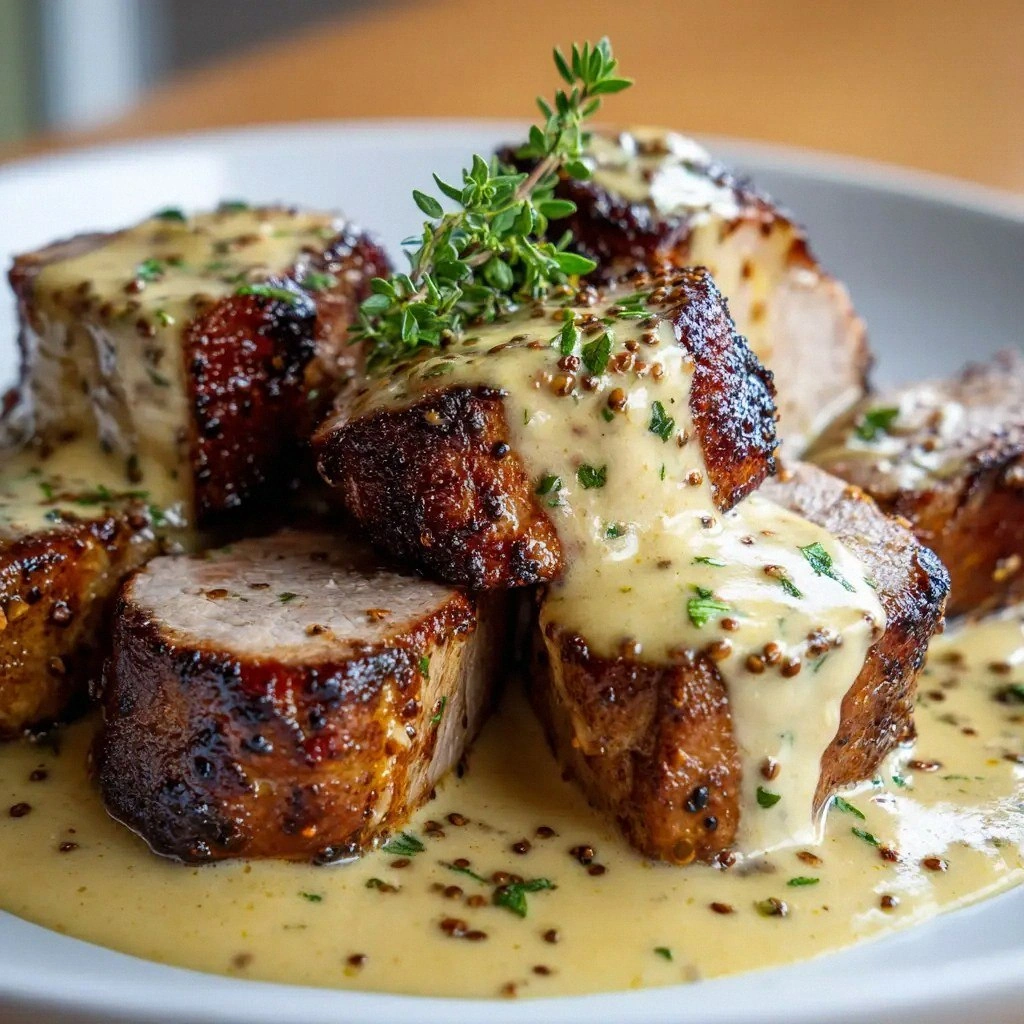
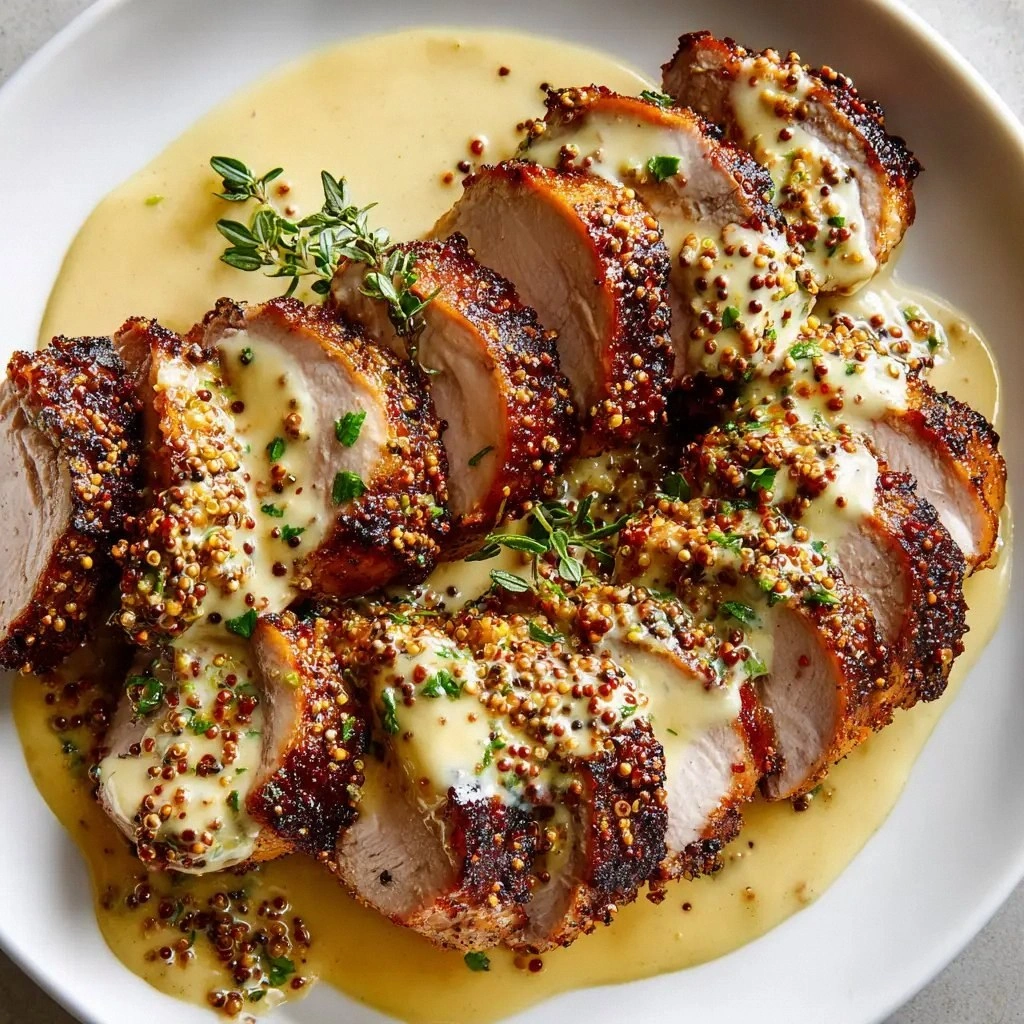
Picture this: the pork glistens under a golden sear, the air fills with the sharp, nutty aroma of Dijon mustard, and the first bite is a burst of savory creaminess that melts in your mouth. The edges crackle softly, releasing a buttery aroma that lingers in the room, while a splash of fresh parsley adds a bright, herbal note that cuts through the richness. Your senses are on a rollercoaster— the sizzle when the meat hits the pan, the aroma of thyme, the sight of a glossy sauce, the taste of a perfectly balanced tang, and the feel of a juicy, tender center that practically slides off the fork.
What sets this version apart is that it’s not just about seasoning or cooking time; it’s about the harmony between the pork’s natural flavor and the sauce’s bright, herbaceous notes. I dare you to taste this and not go back for seconds. It’s hands down the best version you’ll ever make at home, and I’ll be honest— I ate half the batch before anyone else even got a bite. Most recipes get this completely wrong by over‑seasoning or under‑cooking; here, the balance is spot‑on, the texture is flawless, and the sauce coats the meat like a silky, savory blanket.
Picture yourself pulling this out of the oven, the whole kitchen smelling incredible, and your guests already lining up for seconds. Let me walk you through every single step— by the end, you’ll wonder how you ever made it any other way. The next few sections will give you the insider knowledge, the exact ingredients, and the secret tricks that make this dish a showstopper.
What Makes This Version Stand Out
- Flavor: The Dijon mustard gives a bright, tangy punch that cuts through the richness of the pork and butter, creating a sauce that’s both creamy and zesty.
- Texture: The pork is seared to lock in juices, then finished in the sauce for a melt‑in‑your‑mouth finish that feels like velvet on the palate.
- Simplicity: Only nine ingredients, one pan, and a single pot of sauce— no complicated steps, just pure flavor.
- Uniqueness: The combination of whole‑grain mustard and fresh thyme adds depth and a subtle earthiness that most pork recipes lack.
- Audience: Whether you’re feeding a crowd or a cozy dinner, the dish scales beautifully and keeps everyone satisfied.
- Quality: Using a high‑quality pork tenderloin and fresh herbs ensures the dish tastes like a five‑star restaurant at home.
- Make‑ahead: The sauce can be made a day ahead and reheated without losing its silky texture.
- Presentation: The glossy sauce and bright parsley garnish make the dish look as good as it tastes.
Alright, let's break down exactly what goes into this masterpiece...
Inside the Ingredient List
The Flavor Base
The pork tenderloin is the star—choose a fresh, well‑marbled cut for maximum juiciness. The kosher salt and black pepper form the foundational seasoning; they enhance the pork’s natural flavor without overpowering it. If you skip the salt, the meat will taste flat; if you skip the pepper, you’ll miss that subtle heat that lifts the sauce.
The Texture Crew
Olive oil and unsalted butter are the twin forces that create the sear. Olive oil’s high smoke point allows a crisp crust, while butter adds depth and a buttery aroma that lingers. The chicken broth keeps the sauce from drying out, creating a silky, cohesive texture that clings to the meat.
The Unexpected Star
Heavy cream turns the sauce into a luxurious, velvety coat that feels like a silky blanket on the palate. The combination of Dijon and whole‑grain mustard brings sharpness and a hint of grainy texture that keeps the sauce interesting. If you’re vegan, you can substitute coconut cream for a similar richness.
The Final Flourish
Fresh parsley and thyme add brightness and a herbal finish that cuts through the richness. Parsley’s bright green color also gives the dish a pop of visual appeal. If you’re out of thyme, a dash of oregano works, but thyme’s subtle earthiness is hard to replace.
Everything's prepped? Good. Let's get into the real action...
The Method — Step by Step
- Pat the pork tenderloin dry with paper towels. Season both sides generously with kosher salt and black pepper. This step is crucial—without proper seasoning, the meat will taste bland. I always let it sit at room temperature for 15 minutes so the seasoning can penetrate.
- Heat a large oven‑proof skillet over medium‑high heat and add olive oil. Once the oil shimmers, add the pork. Sear each side for 2–3 minutes until a golden crust forms. The sear locks in juices and creates a caramelized flavor that’s impossible to beat.
- Add a tablespoon of unsalted butter to the pan. As it melts, spoon the butter over the pork constantly. This technique, called basting, infuses the meat with rich flavor and keeps it moist. The butter also helps the mustard sauce develop a silky texture.
- Remove the pork from the skillet and set aside. In the same pan, pour in the chicken broth and stir, scraping up any browned bits. This deglazes the pan and incorporates the savory flavors into the sauce. The broth also helps create a base for the cream.
- Add the heavy cream, Dijon mustard, and whole‑grain mustard to the skillet. Stir until the mixture is well combined and starts to thicken. Keep the heat low to prevent the cream from curdling. Watch out—if the sauce starts to boil too vigorously, it will separate.
- Return the pork to the skillet, nestling it into the sauce. Place the skillet in a preheated 400°F oven and bake for 12–15 minutes, or until the internal temperature reaches 145°F. The oven finish ensures even cooking and a tender center.
- While the pork rests, add fresh thyme sprigs to the sauce. Let the herbs steep for 2 minutes, infusing the sauce with a subtle earthiness. This step is often skipped but adds a layer of aroma that elevates the dish.
- Transfer the pork to a cutting board and let it rest for 5 minutes. Resting allows the juices to redistribute, ensuring each slice is juicy. Slice the pork against the grain to maximize tenderness.
- Pour the sauce over the sliced pork and garnish with chopped parsley. The bright green parsley adds a fresh contrast to the rich sauce. Serve immediately while the sauce is warm and glossy.
That's it — you did it. But hold on, I've got a few more tricks that'll take this to another level...
Insider Tricks for Flawless Results
The Temperature Rule Nobody Follows
Many people cook pork until it’s black and dry, but the secret is to aim for 145°F. Use a meat thermometer to check the internal temperature. I once overcooked a tenderloin by 10°F, and it turned out as tough as a shoe sole.
Why Your Nose Knows Best
Before you even start, inhale the aroma of the thyme and mustard. A good nose can tell if the sauce is too acidic or too creamy. If you smell a sharp, sharp tang, it’s probably time to add a splash of cream.
The 5-Minute Rest That Changes Everything
Resting the pork for exactly five minutes after it comes out of the oven is the difference between a dry cut and a juicy masterpiece. During this time, the juices redistribute, so each bite is tender and flavorful.
The Basting Technique
Basting the pork with butter while searing adds depth of flavor and prevents the meat from drying out. Pour the melted butter over the pork every 30 seconds; this creates a golden, caramelized crust.
The Sauce Finish
Finish the sauce over low heat to keep it silky. If you let it simmer too long, the cream can separate. Keep the sauce warm until you’re ready to serve.
Creative Twists and Variations
This recipe is a playground. Here are some of my favorite ways to switch things up:
Maple‑Glazed Pork
Swap the chicken broth for a splash of maple syrup and reduce the mustard slightly. The result is a sweet, caramelized glaze that pairs wonderfully with roasted sweet potatoes.
Smoky Chipotle Version
Add a tablespoon of chipotle in adobo for a smoky, spicy kick. This variation works great with a side of black beans and rice.
Herb‑Infused Cream
Add a handful of fresh rosemary or sage to the sauce. The herbal aroma gives the dish a Mediterranean feel.
Citrus Brightness
Finish the sauce with a squeeze of fresh lemon or orange juice. The citrus cut through the richness and adds a bright, refreshing note.
Cheesy Twist
Stir in a handful of grated Gruyère or aged cheddar into the sauce. The cheese melts into a creamy, savory coating that’s irresistible.
Vegan Alternative
Use a plant‑based pork substitute, coconut cream instead of heavy cream, and a vegan mustard. This version retains the same flavor profile while staying plant‑based.
Storing and Bringing It Back to Life
Fridge Storage
Store cooked pork in an airtight container in the fridge for up to 4 days. The sauce can be separated and stored in a separate container. When ready to reheat, cover the pork to keep it from drying out.
Freezer Friendly
Freeze the pork and sauce in separate airtight containers for up to 3 months. Thaw overnight in the fridge before reheating. The texture remains tender, and the sauce retains its silky consistency.
Best Reheating Method
Reheat the pork in a skillet over low heat, adding a splash of water or broth to create steam. This steamy environment keeps the pork juicy and the sauce from drying out. Finish with a quick stir to redistribute the flavors.