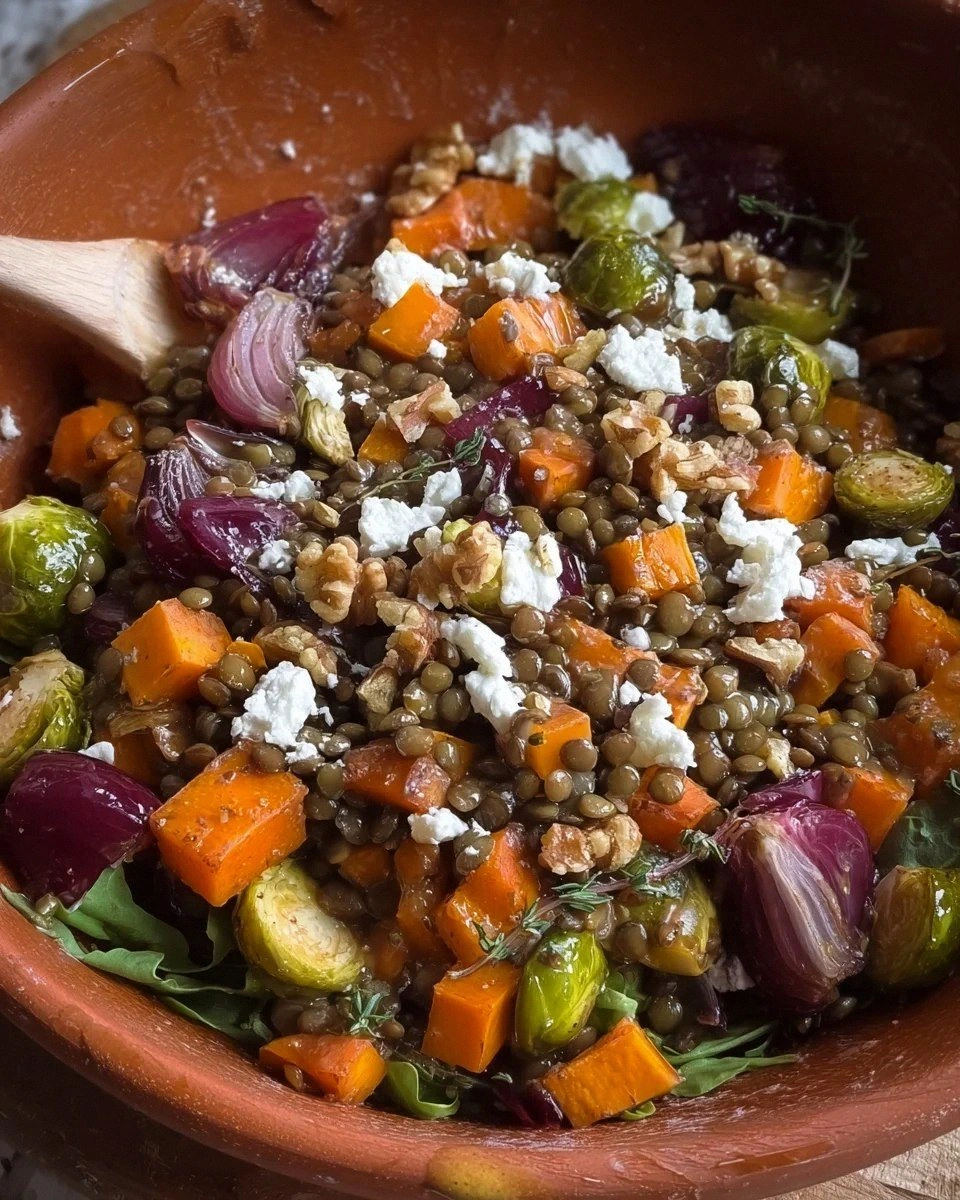
I still remember the day I set my kitchen on fire trying to make a roasted vegetable salad. Not literally on fire, but close enough — smoke billowing from the oven, my roommate running in with a fire extinguisher, and me standing there with a wooden spoon like some kind of culinary warrior who had clearly lost the battle. The vegetables were charcoal briquettes, the lentils had turned to mush, and the dressing tasted like someone dissolved a sugar cube in yellow mustard. Fast forward three years and countless experiments later, and I've finally cracked the code to what might be the most addictive, satisfying, and downright gorgeous salad you'll ever make. This roasted veggie lentil salad with maple-mustard dressing isn't just another health food obligation — it's the dish that converted my carnivore boyfriend into a lentil believer and had my mother-in-law asking for the recipe before she'd even finished her first bite.
Picture this: it's Sunday afternoon, your favorite playlist is humming in the background, and your kitchen fills with the intoxicating aroma of vegetables caramelizing to golden perfection. The sweet tang of maple mingling with sharp mustard hits your nose just as the lentils reach that perfect tender-yet-firm texture that makes you wonder why anyone ever called these humble legumes boring. I dare you to taste this and not go back for seconds — actually, I double-dog dare you, because I've watched grown adults fight over the last spoonful at potlucks. The magic happens when those crispy-edged, caramelized vegetables meet the earthy, protein-packed lentils, all wearing this glossy coat of maple-mustard vinaigrette that somehow makes everything taste like it came from a five-star restaurant.
What makes this version different from every other roasted vegetable salad floating around the internet? For starters, I roast the vegetables at two different temperatures to achieve what I call the "crispy-tender paradox" — soft centers with edges that shatter like thin ice. The lentils get simmered with aromatics that make them taste like they've been soaking in flavor for hours, not minutes. And that dressing? It's not just maple syrup and mustard thrown together in a bowl like some kind of sad cafeteria concoction. We're building layers of flavor here, people. Sweet, tangy, sharp, smooth — it's like a symphony where every instrument knows exactly when to shine.
Stay with me here — this is worth it. Because by the time you're done with this recipe, you'll have a salad that eats like a meal, keeps like a dream, and tastes even better the next day when all those flavors have had a chance to mingle and marry. Let me walk you through every single step — by the end, you'll wonder how you ever made it any other way.
What Makes This Version Stand Out
Crispy-Tender Vegetables: Most recipes tell you to roast everything at one temperature and call it a day. That's why you end with either raw centers or burnt edges. I start at 425°F for caramelization, then drop to 375°F to cook through gently. The result? Vegetables with golden, crispy exteriors and tender, never-mushy interiors that hold their shape in the salad.
Triple-Threat Lentils: While most cooks just boil lentils in salted water, we're adding bay leaf, garlic, and a splash of vinegar to the cooking liquid. This infuses the lentils with subtle aromatics that make them taste like they've been marinating in flavor. Plus, I use French green lentils that keep their shape perfectly — no sad, split lentils turning everything into baby food.
Emulsified Dressing Magic: Anyone can whisk maple syrup and mustard together. I create a proper emulsion that clings to every vegetable and lentil like velvet, ensuring every bite is perfectly dressed. The secret? A touch of Dijon acts as the emulsifier, while a slow drizzle of oil creates that luxurious texture that makes restaurant salads so addictive.
Make-Ahead Champion: This salad actually improves overnight as the flavors meld and deepen. I make a double batch every Sunday and enjoy it throughout the week. The vegetables stay crisp, the lentils stay firm, and the dressing somehow gets even better. Most salads wilt and sad within hours — this one struts into day three like it owns the place.
Texture Paradise: We're not just throwing everything in a bowl and hoping for the best. The combination of crunchy roasted vegetables, tender lentils, and optional add-ins like toasted nuts creates a textural experience that keeps every bite interesting. It's like a party where everyone's invited and somehow they all get along perfectly.
Crowd-Pleasing Flexibility: Vegan cousin coming to dinner? Check. Gluten-free friend dropping by? Double check. Trying to impress your foodie neighbor? This salad has range. I've served it at backyard barbecues and fancy dinner parties, and it disappears faster than the dessert every single time.
Inside the Ingredient List
The Flavor Base
The vegetables are the stars here, and each one brings something special to the party. Sweet potatoes bring that caramel sweetness that makes you feel like you're eating candy for dinner, plus they roast into these gorgeous golden cubes with slightly crispy edges that contrast beautifully with the creamy centers. Red bell peppers add a fresh, almost fruity note that brightens everything up, and when they roast, their edges blister and char, creating those smoky bits that make you want to eat them straight off the pan. Red onion might seem ordinary, but when it roasts, it transforms into these jammy, sweet morsels that practically melt in your mouth — no more sharp, eye-watering raw onion here.
Zucchini often gets a bad rap for being watery and bland, but that's because most people cook it wrong. When you slice it into thick half-moons and roast it at high heat, it develops these gorgeous golden-brown spots while maintaining a tender bite. The key is not to crowd the pan — give those vegetables space to breathe and they'll reward you with crispy edges instead of steaming into mush. I'll be honest — I ate half the batch before anyone else got to try it, standing at the counter "testing" for seasoning while the vegetables were still hot enough to burn my tongue.
The Texture Crew
French green lentils are the unsung heroes of this dish. Unlike their brown or red cousins, these little gems hold their shape beautifully, staying firm and slightly al dente even after cooking. They're smaller than regular lentils, with a beautiful mottled green color that makes the salad look like it came from a fancy bistro. The texture is what gets people — they pop slightly when you bite them, adding this delightful contrast to the soft vegetables.
Most recipes get this completely wrong. They either overcook the lentils into mush or undercook them into gravel. The sweet spot is when you can squish one between your fingers with gentle pressure, but it still maintains its shape. Think pasta al dente, but for lentils. And here's what actually works: add them to already-boiling water, not cold water brought to a boil. This prevents the outsides from getting mushy before the insides cook through.
The Unexpected Star
Fresh thyme might seem like a background player, but it's the secret weapon that makes everything taste like it was cooked by someone who knows what they're doing. Those tiny leaves pack an earthy, slightly lemony punch that ties all the vegetables together. Dried thyme works in a pinch, but fresh is like the difference between a live concert and a recording — technically the same song, but one gives you chills.
Okay, ready for the game-changer? We're adding a splash of balsamic vinegar to the vegetables before roasting. Not enough to make them taste like salad dressing, just enough to enhance their natural sweetness and add depth. The vinegar caramelizes in the heat, creating these sticky, tangy-sweet spots that make you close your eyes and sigh with satisfaction when you taste them.
The Final Flourish
The maple-mustard dressing is where the magic happens, and it all starts with really good Dijon mustard. Not the yellow squeeze bottle stuff — we're talking about the smooth, sophisticated Dijon that tastes like France in a jar. It provides the tangy backbone that makes the maple syrup sing rather than just taste sweet. The mustard acts as an emulsifier, helping the oil and vinegar come together in that glossy, clingy way that makes restaurant salads so much better than homemade ones.
Pure maple syrup is non-negotiable here. That pancake syrup made of high fructose corn syrup will give you a cloying, one-note sweetness that overpowers everything. Real maple syrup has complexity — it's sweet, yes, but also has these subtle caramel and vanilla notes that play beautifully with the mustard's sharpness. Picture yourself pulling this out of the oven, the whole kitchen smelling incredible, and then drizzling this golden dressing over the warm vegetables so it soaks in and creates this glossy coating that makes everything look like it's been kissed by a food stylist.
Everything's prepped? Good. Let's get into the real action...

The Method — Step by Step
- Prep Your Vegetables Like a Pro: Start by scrubbing your sweet potato clean — no need to peel it unless you really want to, since the skin adds nutrients and gets deliciously crispy. Dice it into ¾-inch cubes, making sure they're all roughly the same size so they cook evenly. Slice your bell pepper into 1-inch squares, discarding the seeds and white membrane. Cut your zucchini into thick half-moons, about ½-inch thick, so they maintain their structure during roasting. Slice the red onion into wedges, keeping the root end intact so the layers stay together and you get those beautiful caramelized edges.
- The Preheat Secret: This next part? Pure magic. Place your baking sheet in the oven while it preheats to 425°F. A hot pan means your vegetables start sizzling the moment they hit the surface, creating better caramelization. While the oven heats, toss your vegetables in a large bowl with olive oil, salt, pepper, and that game-changing splash of balsamic. Don't overcrowd — if everything doesn't fit in a single layer, use two pans. Overcrowding leads to steaming, and steaming leads to sadness.
- First Roast Session: Carefully spread your vegetables on the hot baking sheet — you should hear them sizzle immediately. Roast for 15 minutes at 425°F without touching them. I know it's tempting to stir, but leaving them alone lets the bottoms develop those gorgeous caramelized spots. After 15 minutes, give them a flip, rotate the pan, and drop the temperature to 375°F. This is the moment of truth where most people mess up. The high heat gives you color, but finishing at a lower temperature ensures everything cooks through without burning.
- Lentil Perfection Technique: While the vegetables roast, start your lentils. Rinse them in a fine-mesh strainer until the water runs clear — this removes any dust or debris that can make them taste musty. In a medium saucepan, combine the lentils with cold water (no salt yet — it can make the skins tough), a bay leaf, and a smashed garlic clove. Bring to a boil, then reduce to a gentle simmer. Here's what actually works: set a timer for 15 minutes and taste one. They should be tender but still have a slight bite, like al dente pasta.
- The Dressing Emulsion: In a small bowl, whisk together the Dijon mustard, maple syrup, and apple cider vinegar until smooth. The key to a perfect emulsion is patience — start whisking and slowly drizzle in the olive oil until the mixture thickens and turns glossy. It should coat the back of a spoon like liquid velvet. Taste and adjust: it should be tangy from the mustard, sweet from the maple, and balanced enough that you want to drink it straight from the bowl. Season with salt and pepper, but go easy — you can always add more later.
- Assembly Magic: And now the fun part. In a large serving bowl, combine the warm roasted vegetables and drained lentils while they're still warm — this helps them absorb the dressing better. Pour over about three-quarters of the dressing and toss gently. You want everything coated but not drowning. Add the fresh thyme leaves, saving a few for garnish. Taste and add more dressing if needed, but resist the urge to over-dress. The vegetables should glisten, not swim.
- The Rest That Changes Everything: Here's where most recipes rush you. Let the salad sit for at least 10 minutes before serving. This isn't just for cooling — it's when the flavors meld and intensify. The warm vegetables soak up some of the dressing, while the lentils absorb the flavors like tiny flavor sponges. If you're making this ahead, let it cool completely before refrigerating. It keeps for up to 5 days, though good luck having it last that long.
- Final Flourish and Serve: Just before serving, give everything one final toss. The dressing might have settled, so redistribute it evenly. Taste again — cold dulls flavors, so you might need a pinch more salt or a splash of vinegar to brighten it up. Serve it slightly chilled or at room temperature, garnished with the reserved fresh thyme. That first bite? The vegetables are tender with crispy edges, the lentils are perfectly seasoned, and that dressing ties everything together in a way that makes you wonder why all salads can't taste this good.
That's it — you did it. But hold on, I've got a few more tricks that'll take this to another level...
Insider Tricks for Flawless Results
The Temperature Rule Nobody Follows
Here's the thing about roasted vegetables: they need space, heat, and time to transform from raw ingredients into something magical. Most people cram everything onto one pan, crank the heat, and wonder why they end up with steamed sadness. The secret is treating your vegetables like the divas they are — give them room to breathe, start them hot for caramelization, then finish gentle. That sizzle when they hit the pan? Absolute perfection. Your vegetables should sound like applause when they touch that hot surface.
I learned this the hard way after years of soggy Brussels sprouts and limp carrots. A friend tried skipping this step once — let's just say it didn't end well. She served what looked like vegetable soup without the soup, all because she didn't respect the temperature dance. Now she texts me every time she makes this recipe, thanking me for saving her from another culinary catastrophe.
Why Your Nose Knows Best
Forget timers — your nose is the most reliable tool in your kitchen. When those vegetables are perfectly roasted, you'll smell caramelized edges and concentrated vegetable essence before you see them. The scent shifts from raw and earthy to sweet and complex, like someone bottled autumn and released it in your kitchen. If you smell burning, you've gone too far. If you smell nothing, they're not ready. Trust your senses — they've been honed over thousands of years of cooking.
The 5-Minute Rest That Changes Everything
After you drain your lentils, let them sit in the colander for five minutes. This isn't just about removing excess water — it's about letting them steam-dry, which improves their texture dramatically. Hot, wet lentils will turn your dressing watery and make everything taste bland. Those five minutes give you time to whisk your dressing, check your vegetables, maybe dance around the kitchen to whatever's playing. The lentils will be perfectly dry, ready to absorb every drop of that maple-mustard magic.
Storage Secrets for Maximum Freshness
If you've ever struggled with storing roasted vegetables, you're not alone — and I've got the fix. Store the vegetables and lentils separately from the dressing if you're planning to eat this over several days. The vegetables stay crisp, the lentils stay firm, and you can dress each portion fresh. Everything keeps in airtight containers in the fridge, and you can assemble a perfect salad in under a minute. This is meal prep that actually tastes good on day four, not just edible but genuinely delicious.
The Fresh Herb Game-Changer
Don't skip the fresh thyme — it's not just garnish, it's flavor architecture. Those tiny leaves contain oils that bloom when they hit warm vegetables, releasing an herby, slightly lemony essence that makes everything taste garden-fresh. Dried thyme tastes like dust in comparison. If fresh thyme feels like a splurge, grow your own — it's practically impossible to kill and makes everything from scrambled eggs to cocktails taste better. One plant costs less than a single grocery store bunch and keeps giving all year.
Creative Twists and Variations
This recipe is a playground. Here are some of my favorite ways to switch things up:
The Mediterranean Makeover
Swap the sweet potato for eggplant cubes, add cherry tomatoes and zucchini, and replace the maple syrup with honey. Throw in some crumbled feta and fresh oregano, and suddenly you're eating in a Greek taverna. The vegetables get that same gorgeous caramelization, but the flavor profile is completely different — sun-drenched and herbaceous instead of autumnal and sweet. I serve this version with warm pita bread and watch it disappear faster than you can say "opa!"
The Fall Harvest Edition
When butternut squash season hits, I cube it up and roast it with Brussels sprouts and apples. The squash gets candy-sweet, the Brussels sprouts develop those crispy leaves that taste like vegetable bacon, and the apples provide tart little pockets that burst with juice. Same dressing, completely different experience. This version tastes like Thanksgiving but won't put you into a food coma. I've served it at Friendsgiving potlucks where people ignored the turkey for second helpings of salad.
The Protein-Packed Power Bowl
Add a can of chickpeas to the roasting pan — they get crispy and nutty, adding another texture dimension. Toss in some toasted pumpkin seeds for crunch and maybe some crumbled goat cheese if you're feeling fancy. Suddenly this side dish becomes a complete meal that'll fuel you through whatever your day throws at you. I make this version when I need something that'll keep me full through back-to-back meetings and the gym.
The Summer Garden Version
Replace the sweet potato with corn kernels cut off the cob, add cherry tomatoes, and use fresh basil instead of thyme. Roast everything just until the tomatoes start to burst and the corn gets those delicious golden spots. It's like summer on a plate — bright, fresh, and somehow both light and satisfying. This version is perfect for those days when it's too hot to cook anything complicated but you still want something that tastes like you tried.
The Southwest Spin
Add black beans to the lentil mix, swap the maple syrup for agave, and add a chipotle pepper in adobo to the dressing. Cumin-roasted vegetables with corn and bell peppers create a completely different flavor profile. Top with avocado and cilantro, and you've got a salad that works as a burrito bowl base or stands alone as a light dinner. My spice-loving friends go crazy for this version, especially when I add extra chipotle.
The Asian-Inspired Remix
Roast your vegetables with sesame oil and ginger, then make the dressing with rice vinegar, miso paste, and a touch of maple. Add edamame to the lentil mixture and top with sesame seeds and scallions. It's umami-rich and completely addictive, with that sweet-savory balance that makes you want to lick the bowl. I serve this version when I want to impress people who think they don't like "healthy food."
Storing and Bringing It Back to Life
Fridge Storage
This salad keeps beautifully in the refrigerator for up to 5 days, making it perfect for meal prep. Store it in an airtight container — I like glass containers because they don't absorb odors and you can see the gorgeous colors inside. The key is letting it come to room temperature before serving, since cold dulls flavors and makes the olive oil in the dressing congeal. If you've dressed the whole batch, give it a good toss before serving to redistribute the dressing. The vegetables will stay crisp and the lentils will stay firm, though they might absorb some dressing and become more intensely flavored — which is actually delicious.
Freezer Friendly
Here's something that might surprise you: the roasted vegetables freeze incredibly well. Spread them in a single layer on a baking sheet, freeze until solid, then transfer to freezer bags. They'll keep for up to 3 months and reheat beautifully in a hot oven or skillet. The lentils also freeze well — portion them into freezer bags, press out the air, and freeze flat for easy storage. I don't recommend freezing the dressed salad, but having components ready means you can assemble a fresh salad in minutes any time you want.
Best Reheating Method
If you prefer your roasted vegetables warm (and honestly, who doesn't?), reheat them in a hot skillet with just a touch of oil. Add a tiny splash of water before reheating — it steams back to perfection, recreating that just-roasted texture. Microwave works in a pinch, but it can make vegetables rubbery. For the best results, spread everything on a baking sheet and warm in a 350°F oven for about 10 minutes. The lentils can be served cold, room temperature, or warm — they're incredibly versatile that way. If the dressing has absorbed too much, just whisk together a quick batch and drizzle it over the top.