Picture this: I’m standing in a kitchen that smells like a burnt pizza, the oven timer blinking red, and my friends are already laughing because I’m about to serve the same dish twice. I was halfway through a classic brie‑and‑grape crostini, when a rogue grape burst in the pan, sending a splash of sweet juice onto my apron. That splash turned into an idea—why not roast the grapes first, let them caramelize, and then melt the brie over them? I dared myself to make a version that would have people reaching for seconds before they even tasted the first bite. I’ve been chasing that perfect balance of salty, sweet, and buttery, and this little tweak finally nailed it. Let me walk you through every single step—by the end, you’ll wonder how you ever made it any other way.
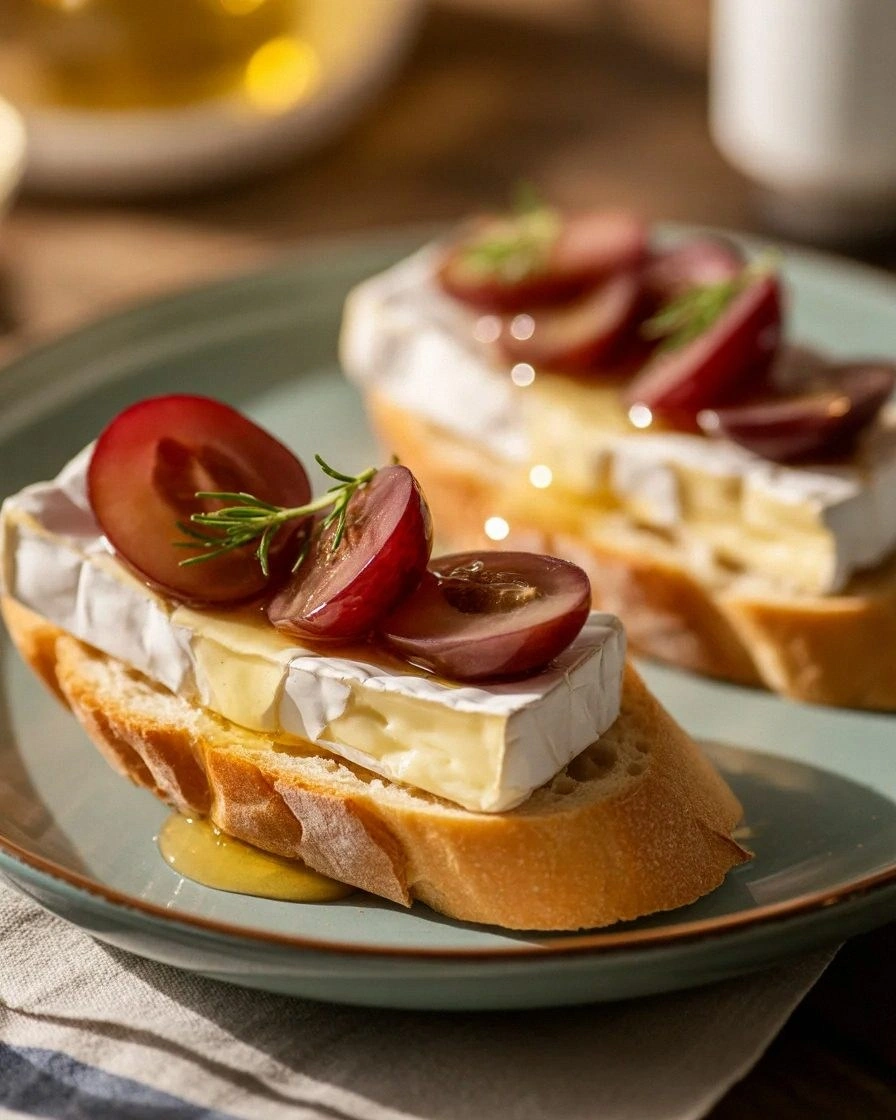
First, the aroma that hits you is the sweet perfume of grapes slowly roasting, the subtle hint of olive oil, and the faint buttery scent of brie that begins to melt. The sound is a gentle hiss as the grapes blister, the bread crackles as it edges toward golden brown. Visually, you’ll see a mosaic of ruby‑red jewels glistening in a glossy honey glaze, set against the warm, caramelized crust of baguette. The texture is a playful contrast—crisp edges that shatter like thin ice, a silky cheese layer that oozes, and juicy grapes that burst with every bite. When you taste it, the brie’s creaminess is tempered by the honey’s sweetness and the grapes’ natural acidity, creating a flavor profile that feels both familiar and adventurous. And the feel—cool, buttery, and slightly sticky—makes you want to keep dipping and licking the spoon.
This version stands out because it flips the traditional order: the grapes are roasted first, so they release their natural sugars and develop a caramelized glaze that coats the brie like velvet. The brie is sliced thin, so it melts quickly and mixes with the honey, creating a silky sauce that coats the bread like a decadent dressing. I use a pinch of flaky sea salt that gives a subtle crunch and elevates the flavors, while a light dusting of fresh thyme or rosemary adds an aromatic lift that most recipes ignore. The result is a dish that is simple to assemble yet feels luxurious, perfect for impressing guests or treating yourself after a long day. It’s hands down the best version you’ll ever make at home because the roasting step brings out a depth of flavor that pre‑made or frozen grapes can’t match. The finish is a glossy, caramelized glaze that glistens like a jewel on a black velvet background.
Now, I’m going to reveal the secret ingredient that turns this simple dish into a showstopper: a splash of honey that caramelizes into a glaze that coats the grapes and the brie, giving a subtle sweetness that balances the savory cheese. Picture yourself pulling these out of the oven, the whole kitchen smelling incredible, and the first bite delivering that sweet‑salty burst that makes your taste buds dance. I’ll walk you through each step, from preheating the oven to the final drizzle of honey, ensuring you capture every nuance. I’ll also share a micro‑challenge: I dare you to taste this and not go back for seconds. And if you’re wondering about the timing, I’ve broken it down so you never over‑bake or under‑bake. Let’s dive in and turn an ordinary snack into a culinary masterpiece.
What Makes This Version Stand Out
- Taste: The caramelized grapes create a sweet‑savory base that elevates the brie’s creamy richness. The honey glaze adds a glossy sweetness that coats every bite. This harmony makes each morsel a flavor explosion.
- Texture: The baguette’s crisp edges contrast with the melt‑away brie and juicy grapes. The caramelization gives a slightly crunchy rim that snaps like a crisp bite. The result is a multi‑sensory experience that keeps you coming back.
- Visual Appeal: The glossy, ruby‑red grapes sit atop golden bread like jewels. The melted brie spills in silky ribbons that look like melted chocolate. The dish is Instagram‑ready without extra effort.
- Ingredient Quality: Using a fresh block of brie instead of pre‑shredded ensures a buttery melt. Fresh grapes burst with natural sugars that caramelize beautifully. The simple olive oil and honey keep the flavor profile pure.
- Time Efficiency: The entire prep takes under fifteen minutes, and the oven works while you’re busy. The roasting step is passive, letting you multitask. You’ll finish in less than half an hour.
- Make‑Ahead Potential: You can assemble the crostini and chill them; the flavors meld overnight. When ready to serve, a quick oven blast re‑crisp the bread and melt the cheese. It’s ideal for parties where you need to prep ahead.
Inside the Ingredient List
The Flavor Base
Olive oil is the unsung hero that gives the grapes a glossy sheen and helps them caramelize evenly. Honey, on the other hand, is the sweet binder that turns the roasted grapes into a glossy glaze that clings to the brie. A pinch of flaky sea salt amplifies each flavor and adds a subtle crunch that keeps the dish from feeling too sweet. Fresh thyme or rosemary, if you choose to add them, injects an aromatic depth that lingers on the palate. Skipping the salt is possible, but you’ll miss the nuanced contrast that makes each bite memorable.
The Texture Crew
The baguette provides the essential crunch that balances the creamy brie and the juicy grapes. Slice it into ½‑inch rounds to ensure even roasting and to create a sturdy base that can hold the melted cheese. The brie, sliced thin, melts in a matter of minutes, creating a silky sauce that coats the bread like melted chocolate. The grapes, when roasted, develop a soft center with a caramelized crust that adds a pleasant bite. Together, these textures create a harmonious bite that feels both indulgent and comforting.
The Unexpected Star
Grapes are the unsung star of this dish. Their natural sugars caramelize during roasting, forming a sweet glaze that complements the brie’s richness. The burst of juice that escapes when you bite into a grape adds a refreshing contrast to the buttery bread. If you’ve only ever used grapes in salads, this method will surprise you with its depth of flavor. Choosing a high‑sugar variety, like Concord or Red Globe, will amplify the caramelization and give the dish a deeper, richer hue.
The Final Flourish
A light drizzle of honey after the brie has melted adds a final glossy sheen that makes the dish look like a piece of art. The optional thyme or rosemary, sprinkled just before serving, provides a fragrant counterpoint to the sweet and salty elements. This finishing touch is what elevates a good dish to a memorable experience. If you prefer a more herbaceous note, try a handful of fresh basil instead. The key is to add the herbs at the last moment to preserve their bright aroma.
Everything's prepped? Good. Let's get into the real action...
The Method — Step by Step
- Preheat your oven to 425°F (220°C). Slice the baguette into ½‑inch thick rounds, ensuring each piece is uniform for even cooking. Arrange the slices on a parchment‑lined sheet, then brush them lightly with olive oil. This coating helps the bread achieve a golden, crisp edge while preventing it from drying out. As you do this, you’ll notice the bread’s aroma subtly change, hinting at the buttery finish to come.
- Place the grape halves on a separate baking sheet. Drizzle them with a tablespoon of honey and sprinkle a pinch of flaky sea salt. Toss gently so each grape is coated evenly; this step ensures the sugars caramelize uniformly. Roast for 15 minutes, or until the grapes blister and their skins begin to split. The sound of the grapes sizzling will signal that they’re ready to meet the brie.
- While the grapes roast, slice the brie into thin rounds, about ¼‑inch thick. A sharp knife or a cheese slicer will give you clean, even slices that melt quickly. Place the slices on a plate and set aside. Kitchen Hack: If you’re short on time, use a pre‑sliced brie; just keep an eye on the melting to avoid over‑cooking.
- After 10 minutes of roasting, transfer the grapes to a mixing bowl. Let them cool just enough so you can handle them without burning your fingers. The caramelized juices will cling to the brie later, creating a luscious sauce that coats each bite. This brief pause also allows the flavors to deepen, as the sugars settle into the fruit.
- Spread a thin layer of brie over each baguette slice. Place the brie‑topped slices back on the parchment sheet. Watch Out: Do not overcrowd the sheet; if the slices are too close, the bread will steam instead of crisping, leading to a soggy texture.
- Return the sheet to the oven and roast for 5–7 minutes, until the cheese bubbles and the edges of the bread turn a deep golden brown. For an extra touch of caramel, switch to the broiler for the last minute, watching closely to prevent burning. Kitchen Hack: Use a timer set for 1 minute on the broiler to get a perfectly toasted top without over‑browning.
- Remove the crostini from the oven and drizzle a little more honey over the melted brie. Sprinkle fresh thyme or rosemary on top, letting the herbs steam slightly to release their aroma. Let the crostini rest for 2 minutes; this brief pause allows the flavors to settle and the cheese to set into a silky consistency.
- Arrange the finished crostini on a serving platter, placing a few whole grapes on top for garnish. The visual contrast of the bright fruit against the golden bread will immediately draw attention. Serve immediately, while the bread is still warm and the cheese is at its most luscious.
- If you have leftovers, store them in an airtight container at room temperature for up to 2 days. Reheat in a toaster oven for 2 minutes, or place under a broiler for 30 seconds to revive the crispness. The reheated crostini will taste almost as fresh as when you first made them, especially if you drizzle a tiny splash of water before reheating to create steam that re‑softens the bread.
That's it — you did it. But hold on, I've got a few more tricks that'll take this to another level...
Insider Tricks for Flawless Results
The Temperature Rule Nobody Follows
Many cooks set the oven too low, thinking it will keep the bread from burning. In reality, a high heat of 425°F (220°C) is essential for caramelizing the grapes and crisping the bread simultaneously. This temperature also ensures the brie melts in a uniform, silky layer without drying out. If you’re using a convection oven, reduce the temperature by 25°F (14°C) to avoid over‑browning.
Why Your Nose Knows Best
Before you open the oven, pause and inhale the scent of the roasting grapes. A sweet, almost caramelized aroma is a sign that the sugars have begun to break down. If the smell is more fruity and less sweet, the grapes need a few more minutes. Trusting your nose can save you from under‑cooked fruit.
The 5-Minute Rest That Changes Everything
Letting the crostini rest for 2–3 minutes after baking allows the cheese to set into a silky sauce that coats each bite. It also gives the bread a chance to cool slightly, preventing a soggy center. A quick rest is a simple step that dramatically improves the overall texture.
Keep the Bread Crispy
If you find the bread too soft, try brushing it with a thin layer of melted butter before baking. Butter adds a subtle richness that complements the brie while encouraging a crisp crust. Be careful not to over‑coat, or the bread may become greasy.
Balance Sweetness and Salt
The key to a harmonious flavor is balancing the honey’s sweetness with the sea salt’s briny bite. If you’re using a sweeter grape variety, reduce the honey by half to avoid an overly sweet finish. Conversely, a more tart grape may call for a splash of extra honey to round out the acidity.
Serve at the Right Moment
The crostini taste best when they’re hot and the brie is still molten. If you’re serving them at a gathering, consider using a warming tray or a small oven set to low heat to keep them at the ideal temperature until everyone is ready to dig in.
Creative Twists and Variations
Grape and Goat Cheese Twist
Swap the brie for a creamy goat cheese to introduce a tangy depth that pairs beautifully with the sweet grapes. The goat cheese melts into a slightly firmer sauce, providing a contrasting texture. This version is ideal for those who enjoy a sharper, more complex flavor profile.
Prosciutto and Fig Variation
Layer thin slices of prosciutto over the baguette before adding the brie. Add a few fresh fig slices on top of the grapes for a Mediterranean flair. The salty prosciutto balances the sweetness of the figs, creating a sophisticated appetizer that’s perfect for a wine‑drinking evening.
Smoked Salmon and Avocado
Spread a thin layer of avocado on the baguette before adding the brie. Top with smoked salmon slices after the grapes have roasted. The smoky flavor of the salmon complements the honey glaze, while the avocado adds a creamy, buttery element that keeps the dish light.
Nutty Almond and Cranberry
Add slivered almonds to the roasted grape mixture for a crunchy bite. Sprinkle dried cranberries on top before serving for a burst of tartness. The almonds provide a nutty contrast that pairs wonderfully with the brie's richness.
Spicy Sriracha Honey
Replace regular honey with a mix of honey and sriracha for a sweet‑spicy kick. Drizzle the spicy glaze over the roasted grapes before adding the brie. This variation is great for those who enjoy a bit of heat with their sweet and savory combos.
Mediterranean Olive and Feta
Use a small handful of chopped kalamata olives instead of grapes for a briny, savory twist. Add crumbled feta in place of brie for a tangy, salty finish. This version transforms the dish into a Mediterranean-inspired tapas plate.
Storing and Bringing It Back to Life
Fridge Storage
Store the finished crostini in an airtight container at room temperature for up to 2 days. The bread will stay crisp for the first 24 hours, but may soften slightly afterward. For longer storage, keep them in the refrigerator to preserve the cheese’s freshness.
Freezer Friendly
Freeze the assembled crostini before baking for up to 3 months. When ready to serve, bake at 425°F (220°C) for 12–15 minutes until the bread is crisp and the brie is melted. Freezing preserves the flavor, but the texture may be slightly less crisp upon reheating.
Best Reheating Method
Reheat the crostini in a toaster oven at 350°F (175°C) for 2–3 minutes, or use a broiler for 30 seconds to regain crispness. A tiny splash of water in the container before reheating creates steam that softens the bread slightly, preventing it from becoming overly dry. Serve immediately for the best experience.