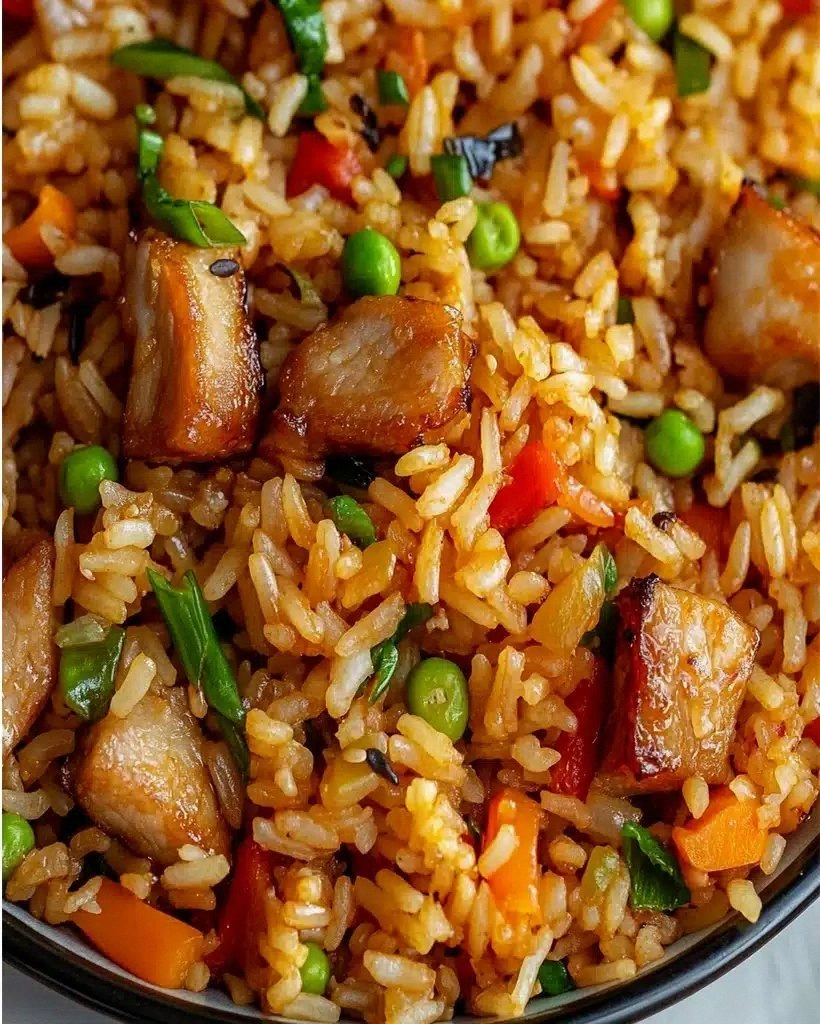
It started with a dare and ended with me eating three bowls of fried rice in one sitting. My friend Jake had been bragging about his "legendary" pork fried rice for weeks, so I challenged him to a cook-off right there in my tiny kitchen. The smell of garlic hitting hot oil, that satisfying sizzle when the rice first touches the pan, the way the pork caramelizes into sweet-savory perfection — I was hooked before I even tasted it. But here's the thing: while Jake was busy showing off with fancy techniques he'd learned from YouTube, I was quietly perfecting what I now consider the ultimate sweet and spicy pork fried rice recipe. The secret? It's not about complicated methods or expensive ingredients. It's about understanding how to balance those bold flavors and knowing exactly when to add each component to the pan.
Picture this: it's 2 AM, you're standing in your kitchen wearing mismatched socks, and you're about to create something that will make your neighbors jealous. The pork is marinating in a mixture that smells like heaven itself, your rice is perfectly chilled from yesterday's takeout, and you're about to witness pure culinary magic. That first bite — oh, that first bite — is an explosion of sweet heat that coats your tongue like liquid gold. The pork is tender with crispy edges that shatter like thin ice, the vegetables maintain their crunch, and every grain of rice is separate yet perfectly sauced. I dare you to taste this and not go back for seconds. Actually, I dare you to taste this and not eat the entire pan standing at your stove.
Most recipes get this completely wrong. They throw everything in at once, use the wrong rice, or worse — they skip the day-old rice step entirely. But here's what actually works: building layers of flavor step by step, understanding that the sauce needs to be mixed separately so each element gets properly coated, and knowing that patience is your best friend when it comes to achieving those coveted crispy rice bits. If you've ever struggled with mushy fried rice, bland flavors, or pork that's somehow both dry and greasy, you're not alone — and I've got the fix.
What makes this version different? We're talking about a miso-sriracha-honey sauce that will make you question every other fried rice you've ever eaten. The white miso adds this incredible umami depth that makes people ask "what's that amazing flavor?" while the honey balances the heat from the sriracha in the most addictive way possible. And now the fun part: we're using both whole eggs and extra yolks for richness that will make restaurant versions taste like cardboard. Stay with me here — this is worth it. Let me walk you through every single step — by the end, you'll wonder how you ever made it any other way.
What Makes This Version Stand Out
Sweet Heat Symphony: The sauce isn't just thrown together — it's a carefully balanced blend where white miso provides deep umami, honey adds natural sweetness, and sriracha brings the heat. This isn't your average soy-sauce heavy fried rice. Each component plays its part in creating a flavor profile that's complex yet incredibly approachable.
Textural Paradise: We're achieving what I call the "holy trinity" of fried rice textures: fluffy interior rice grains, crispy caramelized edges on the pork, and tender-crisp vegetables that snap when you bite them. Most recipes end up with everything the same texture — soft and boring. Not here.
Weeknight Friendly: Despite tasting like it came from a fancy restaurant, this entire dish comes together in under 30 minutes if you prep your ingredients beforehand. I make this on Tuesday nights when I'm too tired to think but still want something that makes me feel like a cooking superhero.
Leftover Magic: This recipe was literally born from my obsession with not wasting food. Day-old rice isn't just suggested — it's essential. That slightly dried texture is what gives you those perfect separate grains that soak up sauce without getting mushy. Fresh rice will betray you every time.
Customizable Heat: The beauty of this sauce is you can dial the heat up or down without losing the sweet-savory balance. Want it milder? Reduce the sriracha by half. Craving face-melting spice? Add an extra teaspoon and watch your dinner guests sweat in the best way possible.
Pork Perfection: Using boneless pork chop instead of the more common pork belly or ground pork gives you meaty bites that stay juicy. The key is cutting it small enough to cook quickly but large enough to stay tender — and we're achieving those crispy edges that make each piece irresistible.
Egg Technique: The combination of whole eggs plus extra yolks creates a richness that coats every grain of rice. It's like turning your fried rice into something that tastes like it has secret ingredients, even though everything is from your regular grocery store.
Alright, let's break down exactly what goes into this masterpiece...
Inside the Ingredient List
The Flavor Base
White miso paste is the unsung hero here — it's fermented soybean paste that's been aged for less time than its darker cousins, giving it a sweeter, more delicate flavor that won't overpower the dish. When you whisk it with hot water first, it creates this smooth, creamy base that incorporates seamlessly into the sauce. Skip this step and you'll end up with miso lumps that never quite dissolve, leaving some bites overly salty and others bland. If you can't find white miso, yellow miso works in a pinch, but avoid red miso — it's too robust and will bully the other flavors around.
Sriracha isn't just for heat — it's got garlic, vinegar, and sugar built right in, making it a complete flavor bomb. The trick is adding it to the miso mixture while the water is still warm, which helps bloom all those complex flavors. I've tried this with other hot sauces, and while they work, nothing quite matches the sweet-heat balance that sriracha brings to the party. Plus, that familiar rooster bottle is probably already sitting in your fridge door right now.
Honey might seem like an odd addition to fried rice, but hear me out — it creates this gorgeous glaze that coats every ingredient, and when it hits the hot pan, it caramelizes slightly, adding depth that sugar just can't match. The key is using just enough to balance the heat without making the dish taste like dessert. I've found that one tablespoon is the sweet spot (pun absolutely intended), but if you're using a particularly spicy sriracha, you might want to bump it up by half a teaspoon.
The Texture Crew
Day-old white rice is non-negotiable, and I'll fight anyone who says otherwise. Fresh rice has too much moisture, which leads to that sad, mushy fried rice that sticks together in clumps. Day-old rice has had time to dry out slightly, meaning each grain stays separate and can properly fry in the oil. When you break up the cold rice with your fingers, you should feel it separating into individual grains — that's when you know it's ready for its transformation.
Mushrooms aren't just filler here — they absorb flavors like little sponges and add an earthy depth that complements the sweet-savory sauce beautifully. I like using a mix of cremini and shiitake when I'm feeling fancy, but honestly, even plain button mushrooms work great. The key is slicing them thin enough that they cook quickly but not so thin that they disappear into the dish. You want to taste their meaty texture in every other bite.
Red bell pepper brings sweetness and crunch, plus those gorgeous pops of color that make the dish look as good as it tastes. Dice it small enough that it cooks quickly but large enough that you get those satisfying crunchy bursts. I've made this with green peppers when that's all I had, but the red ones are sweeter and play better with our sauce profile.
The Unexpected Star
The combination of whole eggs plus extra yolks is my secret weapon for richness that makes people ask "what did you put in this?" The whites provide structure and help bind everything together, while the extra yolks create this luxurious coating on every grain of rice. It's like the difference between regular coffee and adding cream — both are good, but one is infinitely more indulgent. Don't skip the yolks unless you're in a serious bind, and even then, I'd rather you skip the whole eggs and keep the yolks.
Napa cabbage might seem like an odd addition, but it wilts down beautifully while maintaining a slight crunch, and it soaks up the sauce in the most delightful way. If you can't find Napa, regular green cabbage works too — just avoid red cabbage unless you want purple fried rice (which, now that I think about it, could be kind of cool for Halloween). The cabbage adds bulk without heaviness, making this feel like a complete meal rather than just rice with some stuff thrown in.
The Final Flourish
Sesame oil is your finishing touch — a teaspoon drizzled at the end adds this incredible nutty aroma that makes the whole dish smell like a proper Asian restaurant. But here's what most people get wrong: they cook with sesame oil, which kills its delicate flavor. Add it at the very end, off the heat, so it stays vibrant and aromatic. Trust me, once you taste the difference, you'll never go back.
Scallions are used in two stages for maximum impact — the white parts go in early to build the flavor base, while the green tops are scattered on at the end for freshness and color. It's a small detail, but it's what separates good fried rice from great fried rice. Plus, growing scallions is so easy that you can regrow them from scraps in a glass of water on your windowsill. Free ingredients forever!
Everything's prepped? Good. Let's get into the real action...

The Method — Step by Step
- Start by making your sauce — this is where the magic begins. In a small bowl, whisk together the white miso paste with the hot water until it forms a smooth, creamy liquid with no lumps. This step is crucial because nobody wants to bite into a chunk of salty miso. Once it's smooth, add the sriracha, soy sauce, honey, and sesame oil, whisking until everything is beautifully combined. The sauce should be the color of autumn leaves and smell like your new addiction. Set it aside and try not to taste it with a spoon, though I won't judge if you do.
- Heat your wok or largest skillet over medium-high heat until it's screaming hot — a drop of water should dance across the surface before evaporating. Add the neutral oil and swirl to coat the pan. The oil should shimmer but not smoke; if it starts smoking, pull it off the heat for a moment. This temperature is critical because we're about to sear our pork, and nobody wants steamed meat. The sizzle when the pork hits the pan should sound like applause.
- Add the diced pork in a single layer and resist the urge to move it around immediately. Let it sit undisturbed for about 2 minutes to develop those gorgeous caramelized edges that make each bite irresistible. Then stir-fry for another 2-3 minutes until it's just cooked through and has crispy bits on the edges. Remove the pork to a plate — don't worry, we'll bring it back later. This two-step cooking ensures tender meat without overcooking it in the final stages.
- Now for the egg moment — push any remaining oil to one side of the pan and pour in your whisked eggs plus extra yolks. Let them sit for about 10 seconds, then gently scramble them with your spatula. The goal is soft, tender curds that will coat the rice later. Remove them to the same plate as the pork while they're still slightly undercooked. They'll finish cooking when we add them back to the pan.
- Add the mushrooms and the white parts of the scallions to the pan, stir-frying for about 2 minutes until the mushrooms have released their moisture and are starting to brown. The pan should smell incredible at this point — like earth and onions and something deeply savory. If the pan looks dry, add another teaspoon of oil. The mushrooms will absorb the flavors left behind by the pork, creating layers of umami that will make your taste buds sing.
- Time for the vegetables — add the diced red bell pepper and shredded cabbage, stir-frying for another 2-3 minutes until they're crisp-tender. The cabbage should be wilted but still have some bite, and the peppers should be bright and crunchy. This is where most people go wrong, cooking everything until it's mush. We're looking for vegetables that still have personality and texture.
- The rice transformation — add your day-old rice, breaking up any clumps with your hands as you add it to the pan. Increase the heat to high and stir-fry, breaking up the rice and mixing it with the vegetables. This is where patience pays off — let the rice sit undisturbed for about 30 seconds at a time so it can develop those coveted crispy bits. The sound should change from a gentle stirring to a more vigorous sizzling as the rice starts to fry properly.
- The grand finale — return the pork and eggs to the pan, pouring your prepared sauce over everything. Now stir-fry like your life depends on it, coating every grain of rice with that incredible sauce. The honey in the sauce will start to caramelize, creating these slightly sticky, glossy grains that are absolutely irresistible. Taste and adjust seasoning with salt and pepper — though between the miso and soy sauce, you might not need any additional salt.
- Off the heat, drizzle with the remaining sesame oil and scatter with the green parts of the scallions. Serve immediately — fried rice waits for no one, and it's at its absolute best when it's hot and fresh. The contrast between the hot rice and the fresh scallions is the perfect finishing touch. I'll be honest — I ate half the batch before anyone else got to try it, standing right there at the stove with the pan still hot.
That's it — you did it. But hold on, I've got a few more tricks that'll take this to another level...
Insider Tricks for Flawless Results
The Temperature Rule Nobody Follows
Here's the thing about fried rice that separates the amateurs from the pros: temperature control is everything. Your pan needs to be hot enough to create those crispy, caramelized bits, but not so hot that everything burns before it cooks through. I start medium-high for the pork, then crank it up to high for the rice. The rice should sizzle vigorously when it hits the pan, but if you see smoke, pull back. A friend tried skipping this step once — let's just say it didn't end well, and her smoke alarm still hasn't forgiven her.
Why Your Nose Knows Best
Don't underestimate the power of aroma in cooking — it's like having a built-in thermometer and timer combined. When the garlic hits the oil, you should smell it immediately but not aggressively. When the pork is perfectly seared, it'll smell nutty and slightly sweet. The rice should smell toasty, almost like popcorn, when it's ready. If something smells bitter or acrid, you've gone too far. Trust your nose — it's been evolving for millions of years specifically to keep you from eating burnt food.
The 5-Minute Rest That Changes Everything
This might sound counterintuitive, but letting your fried rice rest for about 5 minutes after cooking actually improves the texture. The sauce has time to absorb into the rice, the flavors meld together, and everything sets up slightly. Plus, it gives you time to set the table, pour yourself a drink, and pretend you're not going to eat the entire pan. Cover it loosely with foil to keep it warm, but don't seal it completely or you'll lose that gorgeous texture you just worked so hard to achieve.
The Egg Timing Secret
Most recipes tell you to scramble the eggs at the end, but here's what actually works: cook them early, remove them, and add them back at the end. This prevents them from getting rubbery and overcooked, plus they absorb some of the sauce when they return to the pan. The extra yolks create these rich, tender curds that almost melt into the rice, creating a luxurious texture that makes people ask if you added cream (you didn't).
The Sauce Consistency Check
Before you add the sauce to the pan, it should coat the back of a spoon but still be pourable. If it's too thick, add a teaspoon of hot water. Too thin? Let it sit for a minute — the miso will continue to hydrate and thicken slightly. The perfect sauce will cling to your spoon but still drip off in a steady stream. This consistency ensures it coats every grain of rice without making everything soggy.
Creative Twists and Variations
This recipe is a playground. Here are some of my favorite ways to switch things up:
The Seafood Lover's Dream
Swap the pork for shrimp and scallops, cooking them quickly until just opaque. Add some diced pineapple for a tropical twist that plays beautifully with the sweet-savory sauce. The natural sweetness of seafood amplifies the honey in the sauce, while the pineapple adds bright acidity that cuts through the richness. This version tastes like a beach vacation in a bowl.
The Vegetarian Powerhouse
Replace the pork with firm tofu that's been pressed and cubed, pan-fried until golden. Add some edamame for protein and a handful of spinach at the end for color and nutrition. The sauce is so flavorful that you won't miss the meat at all, and the tofu acts like little flavor sponges, soaking up all that incredible sauce.
The Breakfast Fried Rice
Add some breakfast sausage instead of pork, throw in some hash browns along with the vegetables, and top everything with a runny fried egg. The yolk creates this incredible sauce when it mixes with the sweet-spicy flavors, turning this into the ultimate hangover cure or weekend brunch dish. I've served this to skeptical breakfast traditionalists who now request it monthly.
The Tropical Heat Version
Add a diced mango along with the vegetables, swap the honey for brown sugar, and include a pinch of curry powder in the sauce. The mango caramelizes slightly, adding these pockets of sweet fruit that burst in your mouth, while the curry powder adds warmth without overwhelming heat. It's like taking a trip to Thailand without leaving your kitchen.
The Low-Carb Cauliflower Edition
Replace half the rice with cauliflower rice, adding it in the last few minutes so it doesn't get mushy. The cauliflower soaks up the sauce beautifully while keeping everything light and fresh. Even cauliflower skeptics won't notice the swap — the sauce is that good at hiding vegetables.
The Everything Bagel Remix
Add everything bagel seasoning to the sauce, swap the pork for smoked salmon added at the end, and include some cream cheese cubes that melt into the hot rice. It sounds weird until you taste it — then it becomes your new favorite comfort food that somehow bridges breakfast and dinner in the most satisfying way.
Storing and Bringing It Back to Life
Fridge Storage
Store any leftovers in an airtight container in the refrigerator for up to 4 days. The key is letting it cool completely before storing — hot rice in a sealed container creates condensation that leads to soggy leftovers. Spread it on a plate to cool quickly, then transfer to your container. The flavors actually deepen overnight, making leftovers sometimes even better than the fresh batch.
Freezer Friendly
This fried rice freezes beautifully for up to 3 months. Portion it into freezer bags, squeeze out as much air as possible, and lay flat to freeze. When you're ready to eat, you can reheat it straight from frozen — just add a splash of water to create steam and help it reheat evenly. It's like having a homemade frozen dinner that's actually delicious.
Best Reheating Method
Skip the microwave if you want to maintain that perfect texture. Instead, heat a non-stick pan over medium heat, add a tiny splash of water to create steam, and add your leftover rice. Cover for 2 minutes, then uncover and stir-fry until heated through and slightly crispy again. The water creates steam that rehydrates the rice without making it mushy, while the direct heat brings back those crispy edges that make fried rice so addictive.