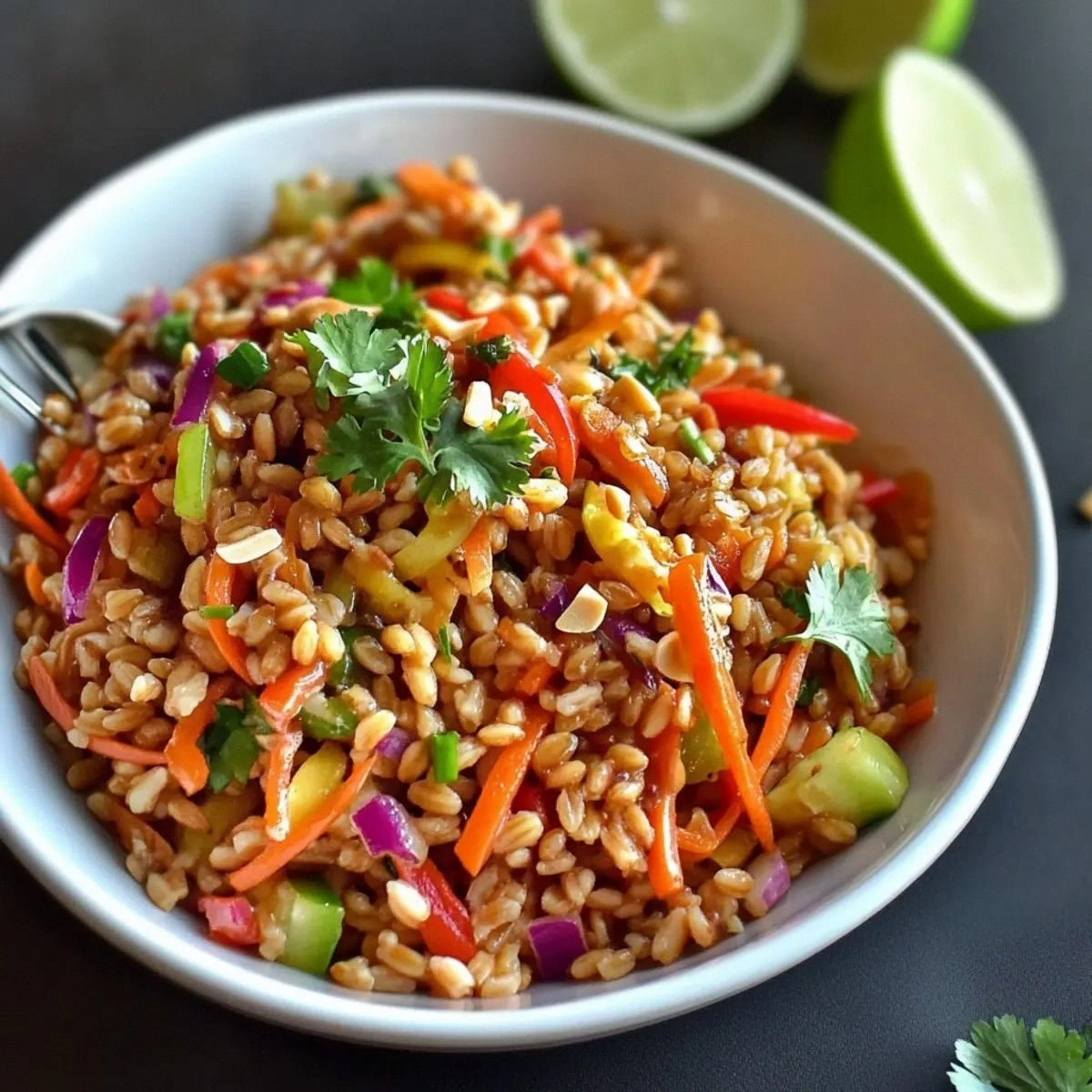
Picture this: a midnight kitchen, a lone flicker of a kitchen lamp, and a rogue sweet potato that has somehow turned into a stubborn, caramelized slab of mischief. I was in the middle of a culinary experiment—trying to salvage a burnt batch of quinoa—and the sweet potato’s glossy, almost syrupy skin whispered promises of a new creation. I took a daring bite, and the combination of earthy sweetness, nutty undertones, and that faint, tangy zing from lime was nothing short of a revelation. I’m not one to keep secrets, so I’m spilling the beans (or should I say, the sweet potatoes) on how I turned a kitchen mishap into a bowl that’s destined to become your new favorite comfort dish.
The first time I tasted this bowl, the aroma of roasted sweet potato mingled with the bright, citrusy perfume of lime, creating a heady invitation that made my taste buds do a little happy dance. The crunch of purple cabbage and the snap of cucumber added a satisfying textural contrast that made each bite feel like a small, crunchy celebration. The creamy peanut sauce, thick and velvety, coats the grains and veggies like a silky velvet drape, while the subtle heat from chili flakes adds a gentle, lingering warmth. I dare you to taste this and not go back for seconds—once you’ve had one, you’ll crave another. This isn’t just a bowl; it’s a symphony of flavors that plays the perfect harmony between sweet, savory, and a touch of heat.
What makes this version stand out is not just the blend of ingredients, but the way each element is treated with respect and flair. The sweet potato is roasted until caramelized edges crackle like thin ice, creating a contrast that’s both visual and auditory. The quinoa is toasted to a nutty aroma before being folded in, adding depth and a subtle crunch that elevates the bowl. The sauce, a marriage of creamy peanut butter, soy sauce, lime, and maple syrup, is whisked to a silky consistency that glides over the grains and vegetables. The final garnish of cilantro and peanuts gives a fresh, herbal burst and a satisfying crunch. The result? A bowl that feels like a hug in a bowl, but with a vibrant, adventurous twist that will keep you coming back for more.
And if you’re wondering what’s the secret sauce behind this dish, it’s the way I layer flavors and textures. I keep the sweet potato roasting until its edges are slightly charred, then I toss it with a splash of lime to keep it bright. The sauce is whisked until it’s thick and glossy, then I drizzle it over the quinoa and veggies, letting it coat every bite. The final touch? A sprinkle of fresh cilantro and roasted peanuts that add a pop of color and crunch. By the end, you’ll wonder how you ever made it any other way, and I’ll be honest—I ate half the batch before anyone else got to try it.
What Makes This Version Stand Out
- Taste: The sweet, smoky caramelization of the sweet potatoes balances perfectly with the bright, citrusy tang of lime, creating a flavor profile that’s both comforting and adventurous.
- Texture: A delightful mix of crisp greens, crunchy cabbage, and silky sauce that feels like a well-balanced orchestra.
- Simplicity: Only a handful of ingredients, but each one is carefully chosen to maximize flavor without overcomplicating the process.
- Uniqueness: The combination of quinoa, sweet potato, and peanut sauce is a fresh take on the classic Buddha bowl, giving it a distinct Thai-inspired twist.
- Crowd Reaction: Friends who’ve tried it say it’s “hands down the best version you'll ever make at home,” and it’s a guaranteed crowd-pleaser at gatherings.
- Ingredient Quality: Using fresh, organic produce whenever possible elevates the dish, and the creamy peanut butter adds a rich, buttery finish.
- Cooking Method: Roasting the sweet potatoes to a caramelized perfection before tossing them with lime juice creates a flavor depth that simmering or sautéing simply can’t match.
- Make‑Ahead Potential: The bowl can be assembled in advance, and the sauce can be stored separately, making it a perfect meal prep option.
Alright, let's break down exactly what goes into this masterpiece...
Inside the Ingredient List
The Flavor Base
The sweet potato is the star of this bowl, providing a natural sweetness that pairs beautifully with the savory sauce. When roasted, its edges develop a caramelized crisp that adds a satisfying crunch, while the interior remains soft and buttery. If you skip the sweet potato, you lose that sweet, smoky depth that anchors the dish. For a lower-carb version, you can replace it with cauliflower florets, but the flavor profile will shift noticeably.
The quinoa is toasted until it emits a nutty aroma, which adds a subtle earthiness to the bowl. It serves as a hearty base that holds up to the sauce and veggies, preventing the dish from becoming soggy. If you can’t find quinoa, bulgur or couscous work as decent substitutes, but the chewiness will differ.
The Texture Crew
The mixed greens and purple cabbage provide a fresh, peppery bite that contrasts with the sweet potato’s richness. The shredded cabbage adds a crunchy texture that stays crisp even after the sauce is added. If you prefer a milder crunch, thinly sliced carrots or bell pepper strips can replace the cabbage. The cucumber, sliced into thick rounds, offers a cool, hydrating element that balances the dish’s heat.
The peanuts add a satisfying crunch and a nutty undertone that complements the creamy peanut sauce. Roasting the peanuts before adding them brings out a deeper flavor and a slight crunch that enhances the overall mouthfeel. If you’re allergic to peanuts, toasted sesame seeds or almonds can be used as a crunchy alternative.
The Unexpected Star
The sauce is a game-changer, blending creamy peanut butter with soy sauce, lime juice, maple syrup, garlic, ginger, and optional chili flakes. Each ingredient plays a vital role: the soy sauce adds umami, the lime juice brightens the flavors, the maple syrup balances the saltiness, and the garlic and ginger provide depth. The sauce coats the quinoa and veggies like velvet, turning the bowl into a harmonious blend of textures and tastes. If you prefer a dairy-free version, simply use a plant-based milk to thin the sauce slightly.
The cilantro and lime finish the dish with a fresh, herbal punch that lifts the flavors to a new level. The cilantro’s bright green color also adds a pop of visual appeal, making the bowl look as good as it tastes. If you’re not a fan of cilantro, mint or basil can offer a different herbal twist.
The Final Flourish
The optional red chili flakes bring a gentle heat that lingers on the tongue, adding a layer of complexity to the dish. If you prefer a milder version, simply omit the chili flakes or reduce the amount to your taste. Water is used to thin the sauce to the desired consistency; too much water can make it watery, too little will make it thick and clumpy. Adjusting the water amount allows you to control the sauce’s thickness, ensuring it coats the bowl without overwhelming it.
Everything's prepped? Good. Let's get into the real action...
The Method — Step by Step
- Preheat your oven to 425°F (220°C). Peel and cube the sweet potatoes into bite‑sized pieces, then toss them with a tablespoon of olive oil, salt, and pepper. Spread the cubes on a baking sheet in a single layer. Roast for 25–30 minutes, flipping halfway through, until they’re golden and caramelized. The aroma alone will have you craving more.
- While the sweet potatoes roast, rinse the quinoa under cold water to remove its bitter saponin coating. Place the quinoa in a saucepan with 2 cups of water, bring to a boil, then reduce the heat to low, cover, and simmer for 15 minutes. Fluff with a fork, then let it cool to room temperature. The toasted quinoa will add a nutty flavor that pairs perfectly with the sweet potato.
- In a small bowl, combine the creamy peanut butter, soy sauce, lime juice, maple syrup, minced garlic, grated ginger, and optional chili flakes. Whisk until the mixture is smooth and glossy. If the sauce is too thick, add a tablespoon of water at a time until you reach a pourable consistency. This sauce will coat the bowl like a silky velvet.
- Wash and dry the mixed greens and purple cabbage. Shred the cabbage finely, then toss it with a splash of lime juice to keep it crisp. Slice the cucumber into thick rounds, and dice the red bell pepper into bite‑sized pieces. Arrange the veggies in a large bowl, leaving space for the roasted sweet potato and quinoa.
- Add the roasted sweet potato cubes and toasted quinoa to the vegetable mix. Drizzle the prepared peanut sauce over the entire mixture, then gently toss to coat everything evenly. The sauce should cling to each component, creating a harmonious blend of flavors.
- Garnish the bowl with chopped cilantro, roasted peanuts, and an extra squeeze of lime if desired. The fresh cilantro adds a burst of herbaceous brightness, while the peanuts contribute a satisfying crunch.
- Serve immediately for the best texture, or let the bowl sit for a few minutes to allow the flavors to meld. If you prefer a cooler bowl, refrigerate for up to 2 hours, then bring back to room temperature before serving.
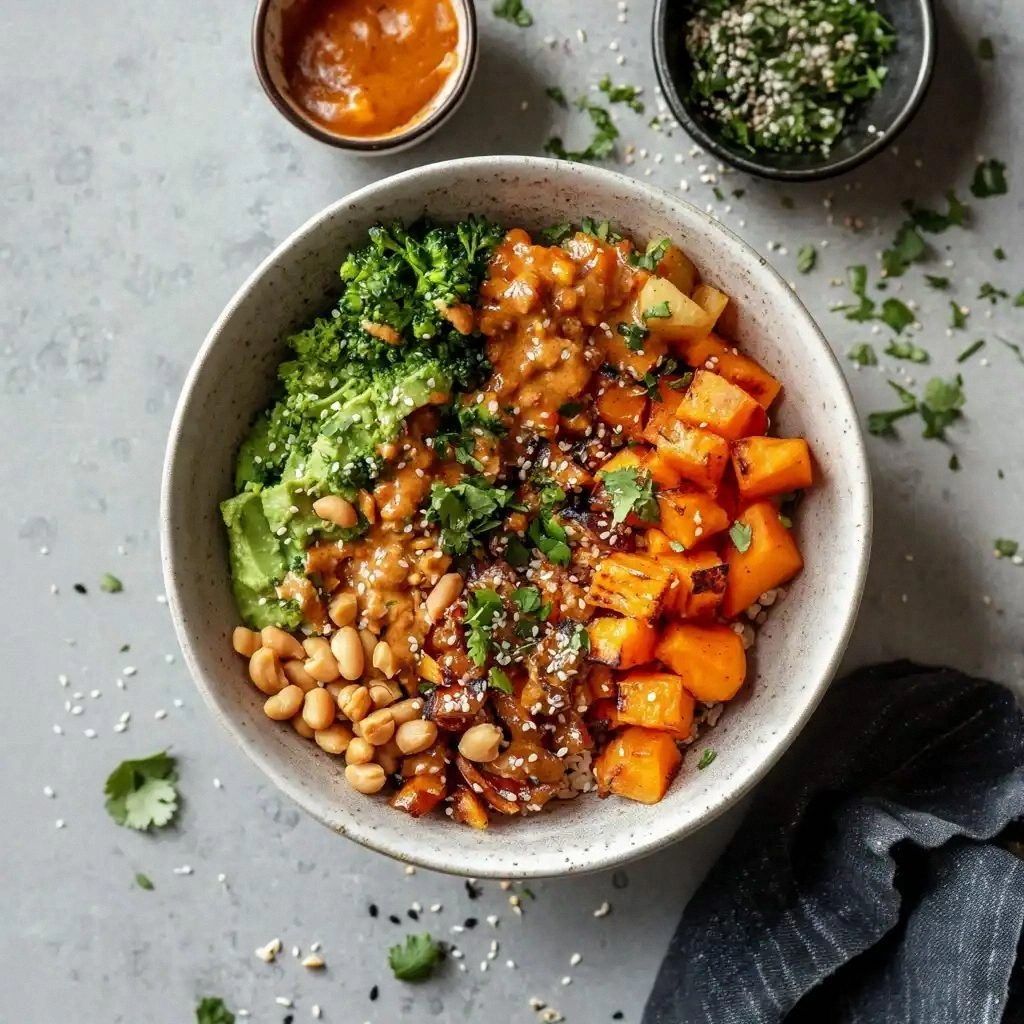
- Enjoy your Thai Peanut Sweet Potato Buddha Bowl as a nourishing lunch or a light dinner. The combination of sweet, savory, and spicy elements makes it a well-rounded, satisfying meal.
That's it — you did it. But hold on, I've got a few more tricks that'll take this to another level. Trust me, the next time you serve this bowl, you’ll be the culinary hero your friends never knew they needed.
Insider Tricks for Flawless Results
The Temperature Rule Nobody Follows
Many cooks skip the step of preheating the oven to 425°F, resulting in unevenly roasted sweet potatoes that are soggy in the center. By ensuring the oven is at the right temperature before you start, you guarantee that the sweet potatoes develop a caramelized crust while staying tender inside. I’ve seen this trick turn a mediocre dish into a showstopper—just a few extra minutes make all the difference.
Why Your Nose Knows Best
When the sweet potatoes roast, the smell of caramelized sugar and roasted root vegetables will fill your kitchen. That aromatic cue is the real indicator that your potatoes are ready—if the smell is faint, give them a few more minutes. Trust your nose; it’s a seasoned chef’s secret weapon for achieving perfect texture.
The 5‑Minute Rest That Changes Everything
After roasting, let the sweet potatoes rest for five minutes before tossing them in the sauce. This brief pause allows the steam to dissipate, preventing the potatoes from becoming mushy. I’ve learned that a quick rest not only locks in the caramelized flavor but also keeps the texture crisp.
The Quick Toss for Even Coating
When adding the sauce, toss the bowl gently but thoroughly. A quick, even toss ensures every component is coated, preventing pockets of dry quinoa or unseasoned greens. I’ve found that a light hand keeps the sauce from sliding off and maintains the bowl’s beautiful, glossy appearance.
The Secret to Fresh Greens
If you’re using pre-washed greens, give them a quick rinse in cold water and pat dry with a clean towel. The extra step removes excess moisture that can dilute the sauce. This simple trick keeps the greens crisp and the bowl from turning soggy.
Creative Twists and Variations
This recipe is a playground. Here are some of my favorite ways to switch things up:
Spicy Coconut Twist
Swap the peanut sauce for a coconut‑based sauce, adding a splash of coconut milk, lime zest, and a pinch of cayenne pepper. The coconut gives a creamy, tropical flavor that pairs beautifully with the sweet potato, and the cayenne adds a punch of heat that lingers pleasantly.
Mediterranean Medley
Replace the quinoa with bulgur and use a lemon‑olive oil dressing instead of peanut sauce. Add roasted cherry tomatoes, Kalamata olives, and crumbled feta for a Mediterranean vibe that still keeps the dish vibrant and refreshing.
Protein Power Pack
Stir in a handful of cooked lentils or a grilled chicken breast for an extra protein boost. The lentils bring a hearty texture, while the chicken adds a savory depth that makes the bowl even more filling.
Vegan Vibes
Keep everything plant‑based by using a vegan peanut butter, and replace any animal‑derived sauces with a tahini‑based dressing. The result is a bowl that’s fully vegan, yet still rich and satisfying.
Breakfast Boost
Serve the bowl over a bed of scrambled tofu or a sunny‑side‑up egg for a hearty breakfast. The protein and the sweet‑savory combination will keep you energized throughout the morning.
Ginger‑Grapefruit Splash
Add a splash of fresh grapefruit juice and finely diced ginger to the sauce for a zesty, citrusy kick. The grapefruit’s slight bitterness balances the sweetness of the sweet potato, creating a complex, layered flavor profile.
Storing and Bringing It Back to Life
Fridge Storage
Store the assembled bowl in an airtight container for up to 3 days in the refrigerator. Keep the sauce separate if you prefer a crisp texture; add it just before eating to maintain the sauce’s silky consistency. The vegetables will stay crisp, and the sweet potato will retain its caramelized edges.
Freezer Friendly
The bowl can be frozen for up to 2 months. Freeze the sweet potato cubes and quinoa separately, then reheat them in the microwave or on the stovetop. Add the sauce and fresh veggies right before serving to keep everything fresh.
Best Reheating Method
To reheat, place the bowl in a steamer basket over boiling water for 3–4 minutes, or microwave on medium power for 2 minutes. Add a splash of water before reheating to steam back to perfection, preventing the sauce from drying out. The result is a bowl that tastes almost as good as when it was first made.