I still remember the night I was trying to impress a group of skeptical friends with my “quick” Thursday dinner. The kitchen was a battlefield of burnt garlic, a smoke alarm that flirted with the ceiling, and a misplaced spatula that turned into a makeshift percussion instrument. I was half‑heartedly searching for a recipe that would save the night when my cousin texted me a photo of a glossy, caramel‑brown meat dish that looked like it belonged on a royal banquet. That was the moment I dared myself: I would master the legendary Indonesian beef rendang, the dish that makes even the toughest meat lovers weep with joy.
Picture this: the first whiff of toasted spices—cinnamon, star anise, and the sweet perfume of kaffir lime—hits your nostrils and instantly transports you to a bustling street market in Bali. The sizzle of beef cubes hitting a hot pan is rhythmic, like a secret drum line announcing the start of something epic. The sauce, a thick, velvety amber river, clings to each piece of meat as lovingly as a lover’s embrace, promising a melt‑in‑your‑mouth experience that borders on culinary worship. As the dish simmers, the kitchen fills with a perfume so intoxicating you can almost taste the finished rendang before the first bite.
I’ve tried dozens of rendang recipes over the years, and most of them fall flat—either the sauce is too watery, the meat stays tough, or the spice blend feels like a hurried sprinkle rather than a layered masterpiece. This version, however, is the result of a sleepless night of taste‑testing, a few daring shortcuts, and a whole lot of love for deep, complex flavor. It’s hands down the best version you’ll ever make at home, and I’m about to prove it with a step‑by‑step that even a kitchen novice can follow. Trust me, I’ve been there, and I’m confident you’ll end up with a pot of rendang that makes everyone ask for seconds.
There’s a secret weapon in this recipe that most folks completely miss: a splash of tamarind puree that adds a subtle tang, balancing the richness of coconut milk and the heat of chilies. This tiny twist is the game‑changer that keeps the sauce from becoming cloyingly sweet, and it’s the reason my friends keep telling me they could eat the sauce by the spoonful. Okay, ready for the game‑changer? Let me walk you through every single step — by the end, you’ll wonder how you ever made it any other way.
What Makes This Version Stand Out
- Depth: The combination of toasted spices and slow simmer creates layers that evolve with each bite, turning a simple stew into a symphony of flavors.
- Texture: The beef becomes so tender it practically falls apart, yet each cube retains just enough bite to keep the mouthfeel interesting.
- Simplicity: Despite the long ingredient list, the technique is straightforward—no fancy equipment, just patience and a good pot.
- Uniqueness: The addition of tamarind and desiccated coconut delivers a subtle sour‑sweet balance most recipes overlook.
- Crowd Reaction: Guests often claim they’ve never tasted anything like it; it’s the kind of dish that sparks conversation and repeat requests.
- Ingredient Quality: Using fresh galangal and ginger, not powdered, brings a bright, aromatic punch that dried spices can’t mimic.
- Method: The slow‑cook technique lets the meat absorb every nuance, while the final reduction creates a glossy glaze that shines like polished lacquer.
- Make‑Ahead Potential: The flavors deepen after a night in the fridge, making leftovers arguably better than the original.
Inside the Ingredient List
The Flavor Base
Start with the aromatics: dried chilies (or fresh if you’re feeling daring), onion, garlic, lemongrass, galangal, and ginger. These ingredients are the backbone of the sauce, each contributing a distinct note—chilies bring heat, onion adds sweetness, garlic delivers umami, lemongrass offers citrus brightness, and galangal & ginger provide that sharp, peppery zing that defines rendang. If you substitute dried chilies with fresh ones, you’ll get a brighter, greener heat, but the traditional deep smoked flavor comes from the dried version. Choosing high‑quality galangal is crucial; the cheaper freeze‑dried versions can taste muted, while fresh roots give you that unmistakable perfume.
The Texture Crew
The beef itself is essential. I recommend a well‑marbled chuck steak, cut into uniform 4 cm cubes. This cut has just enough fat to stay juicy during the long simmer, and the collagen breaks down into gelatin, giving the sauce its luxurious mouthfeel. If you can’t find chuck, a beef short rib or brisket works just as well, though you may need to increase cooking time slightly. The oils—both the initial 2 tbsp and the later 1 tbsp—help sauté the spices without burning them, ensuring a silky base.
The Unexpected Star
Desiccated coconut may seem like an odd addition, but it’s the secret to that faint toasted crunch you feel on the palate. When the coconut dries out in the simmering liquid, it releases a nutty, caramel‑like flavor that brightens the overall profile. If you’re allergic or simply don’t have it on hand, toasted almond flour can substitute, though you’ll lose a touch of the authentic aroma. A pinch of brown sugar or palm sugar balances the acidity from the tamarind, preventing the sauce from becoming too sharp.
The Final Flourish
The finishing touches are the star anise, cinnamon stick, clove, cardamom, and kaffir lime leaves. Each of these spices is added whole so they can release their oils gradually without overwhelming the sauce. The lime leaves, sliced thin, provide a citrusy lift that cuts through the richness. For a brighter flavor, you can smash the lime leaves a bit more, releasing extra essential oils. And don’t forget the tamarind puree—it adds a subtle tang that makes the sauce sing and prevents it from feeling heavy.
Everything's prepped? Good. Let's get into the real action...
The Method — Step by Step
Begin by rehydrating the dried chilies: drop them into a bowl of boiling water and let them soften for about 10 minutes. Once pliable, drain, remove stems, and blend them with a splash of the soaking water, onion, garlic, lemongrass, galangal, and ginger until you have a smooth, fragrant paste. This paste is the heart of the rendang; if the blend looks too thick, add a little more water, but keep it relatively thick for maximum flavor absorption.
Heat 2 tbsp of oil in a heavy‑bottomed pot over medium heat. Add the spice paste and fry vigorously, stirring constantly. You’ll hear a satisfying sizzle—“That sizzle when it hits the pan? Absolute perfection.” Cook for 8‑10 minutes until the paste darkens to a deep caramel color and smells toasty, but watch carefully so it doesn’t burn.
Kitchen Hack: Lower the heat and add a splash of water if the paste starts to stick; this de‑glazes and keeps the aromatics from scorching.Add the beef cubes, then stir to coat each piece with the rich paste. Increase the heat slightly to sear the meat for about 5 minutes, letting the edges develop a light crust. This step locks in juices and ensures the meat will stay moist through the long simmer. As the meat browns, you’ll notice the sauce thickening—this is the flavor foundation building.
Stir in the cinnamon stick, clove powder, star anise, cardamom powder, and the smashed lemongrass stick. Let the spices toast for another 2 minutes, releasing their essential oils.
Watch Out: Do not add the coconut milk yet; introducing liquid too early will prevent the spices from fully toasting, resulting in a flat flavor.Pour in the coconut milk, tamarind puree, and the sliced kaffir lime leaves. Bring the mixture to a gentle boil, then reduce to a low simmer. The sauce should bubble slowly—tiny, steady pops, not a rolling boil. Cover the pot partially with a lid, allowing steam to escape, and let it cook for 25‑30 minutes, stirring every 5 minutes to prevent sticking. During this time, the sauce will reduce and coat the beef like a glossy lacquer.
Add the desiccated coconut and brown sugar, mixing thoroughly. The coconut will absorb excess liquid and thicken the sauce further while contributing a faint caramel note. Continue simmering uncovered for another 10‑15 minutes; you’ll see the oil separating and the sauce pulling away from the pot’s sides—this is the visual cue that the rendang is nearing perfection.
Season with salt, taste, and adjust the balance. If the sauce feels too thick, splash in a tablespoon of water; if it’s too mild, a pinch more tamarind or a touch more brown sugar can bring it back into harmony. Let it rest off the heat for 5 minutes; the flavors will meld even more during this short pause.
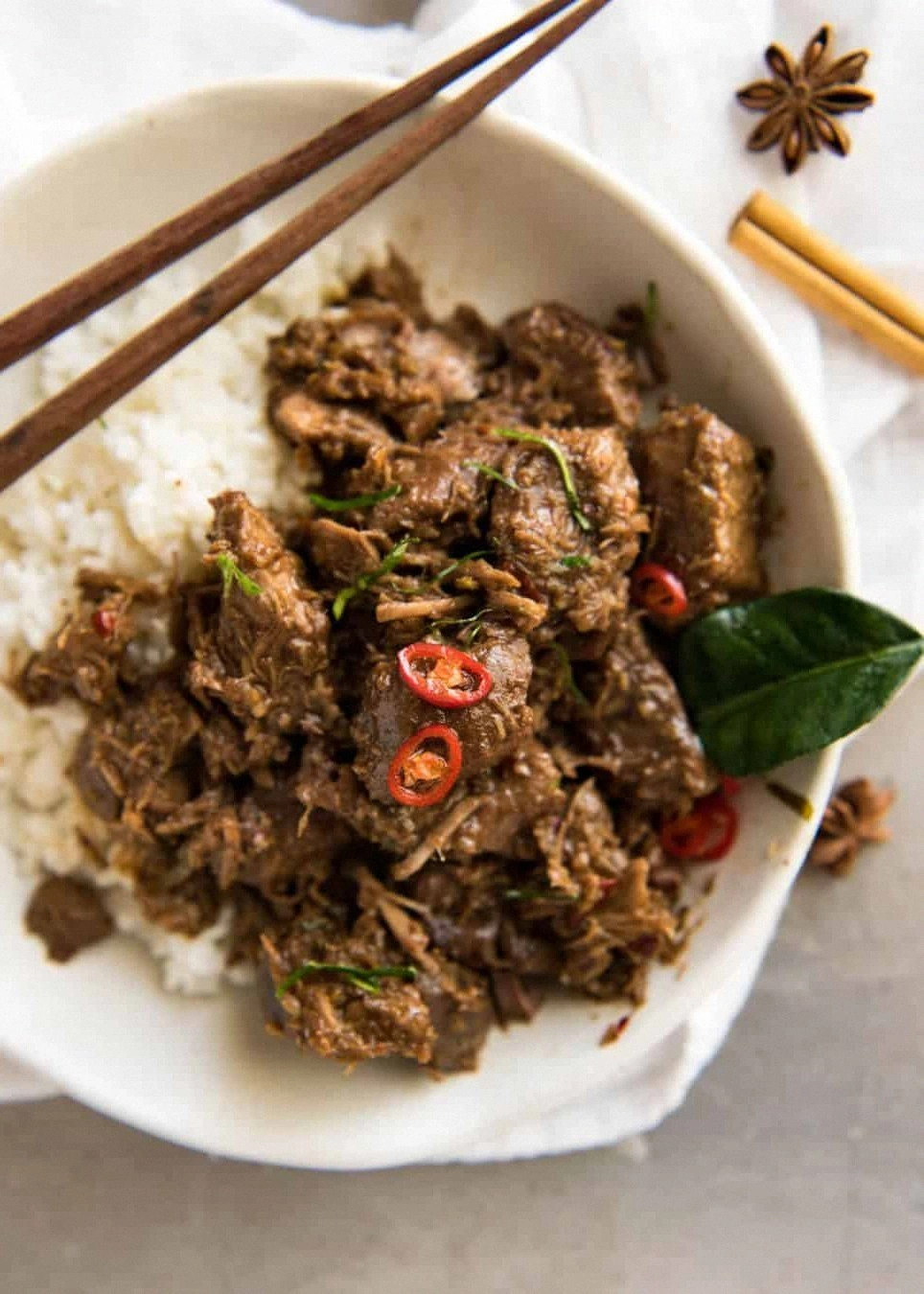
Serve the beef rendang hot, ideally with steamed jasmine rice or a fragrant coconut rice. Garnish with a few extra lime leaf shreds or a sprinkle of toasted coconut for texture. Picture yourself pulling this out of the pot, the whole kitchen smelling incredible, as everyone lines up for a serving. That’s the moment of truth—if you’ve made it this far, you’ve earned a standing ovation from your taste buds.
That's it — you did it. But hold on, I've got a few more tricks that'll take this to another level...
Insider Tricks for Flawless Results
The Temperature Rule Nobody Follows
Keep the heat low and slow during the final simmer. A gentle bubble allows the collagen in the beef to dissolve into gelatin, creating that melt‑in‑your‑mouth texture. If the heat spikes, the sauce can split, leaving oil floating on top and a grainy mouthfeel. I once turned the burner up to “fast‑cook” and ended up with a gritty mess—never do that.
Why Your Nose Knows Best
Your nose is the best indicator of doneness. When the sauce starts to release a sweet, caramel‑nutty aroma and the oil visibly separates, you’re at the perfect point. If you smell a burnt undertone, lower the heat immediately and add a splash of water. Trust your senses more than a timer; they’ll never steer you wrong.
The 5‑Minute Rest That Changes Everything
After the pot is off the stove, let the rendang sit, covered, for five minutes. This short rest lets the flavors settle and the meat re‑absorb any lingering sauce, ensuring every bite is consistently moist. Skipping this step is a common mistake that leads to a dry finish.
Spice Grinding Secrets
If you have a mortar and pestle, grind the whole spices (cinnamon, star anise, clove, cardamom) just before adding them. Freshly ground spices release volatile oils that sealed‑in containers lose over time. The result is a brighter, more dynamic flavor profile that you’ll taste immediately.
Freezing for Future Feasts
Rendang actually improves after a night in the freezer. The ice crystals break down the meat fibers, making subsequent reheating even more tender. When you’re ready to serve, thaw overnight in the fridge, then reheat gently on low heat, adding a splash of coconut milk to revive the sheen.
Creative Twists and Variations
This recipe is a playground. Here are some of my favorite ways to switch things up:
Chicken Rendang Remix
Swap the beef for bone‑in chicken thighs. The shorter cooking time (about 45 minutes) keeps the meat juicy, while the same spice base delivers that unmistakable rendang depth. Great for a lighter weeknight version.
Vegetarian Coconut Jackfruit
Replace the meat with young green jackfruit, shredded and simmered in the same sauce. Its texture mimics pulled pork, making it an excellent plant‑based alternative that still absorbs all the aromatic goodness.
Spicy Coconut Curry Fusion
Add a tablespoon of Thai red curry paste during step 5 for an extra layer of heat and a hint of lemongrass‑lime brightness. This hybrid version is perfect for those who love a punchier palate.
Smoky Chipotle Rendang
Introduce 1 tsp of chipotle in adobo sauce along with the chilies for a smoky, Mexican‑inspired twist. The deep smoky notes pair beautifully with the coconut milk, creating a cross‑cultural masterpiece.
Nuts About It
Stir in a handful of toasted cashews or peanuts just before serving for a crunchy contrast to the silky sauce. The nuts add a buttery richness that elevates the dish to festive territory.
Storing and Bringing It Back to Life
Fridge Storage
Allow the rendang to cool to room temperature, then transfer to an airtight container. It will keep for up to 4 days. The flavors deepen each day, so the second or third day often tastes even better than the first.
Freezer Friendly
Portion the cooled rendang into freezer‑safe bags or containers, leaving a little headspace for expansion. Freeze for up to 3 months. When reheating, thaw overnight in the refrigerator and gently re‑simmer with a splash of coconut milk to revive the sauce’s sheen.
Best Reheating Method
Reheat on the stovetop over low heat, stirring occasionally. Add a teaspoon of water or coconut milk per cup of sauce to prevent drying out. This gentle steam revives the sauce, ensuring each bite is as luscious as the first serving.