Picture this: I’m standing over a pot of boiling water, the kitchen humming with the low roar of the stove, and a rogue beet has just slipped off the cutting board, splattering its ruby‑red juices across my counter. I stared at the mess, half‑amused, half‑frustrated, and thought, “What if that chaos could become the star of my next appetizer?” That very moment sparked the birth of the beet‑pickled deviled eggs with lox—a dish that turned a kitchen catastrophe into a celebration of color, flavor, and a little bit of culinary swagger. I dared myself to take a classic deviled egg, drown it in a beet brine, and crown it with smoky salmon, and the result was nothing short of a party on a plate.
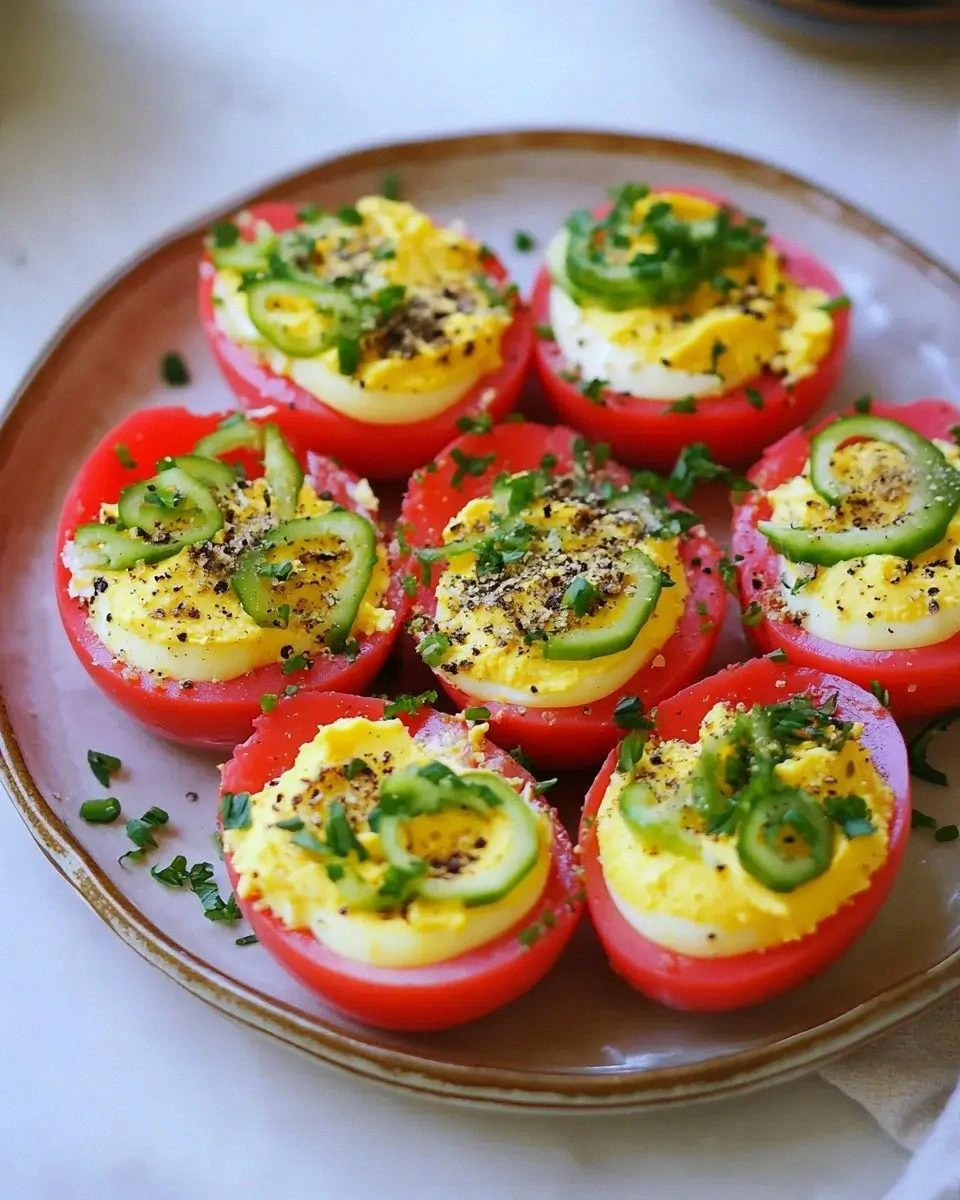
The first bite is a sensory fireworks display. The egg white is firm yet buttery, the yolk filling is creamy with a whisper of tang, and the beet‑infused pickling liquid adds a subtle earthiness that makes the whole thing glow from the inside out. The lox brings a salty, oceanic depth that sings against the bright pink hue, while capers pop like tiny fireworks of briny surprise. I could hear the soft crackle of the beet skin as it softened, smell the faint vinegary perfume mingling with the buttery egg, feel the smoothness of the yolk as it slides across my tongue, and see the gorgeous magenta swirls that would make any Instagram feed jealous.
Most deviled egg recipes either stick to the safe, bland yellow‑and‑mayonnaise combo or get lost in overly complicated garnishes that drown the humble egg in excess. This version flips the script: we’re pickling the eggs in beet juice for a vivid color and a gentle tang, we’re using a touch of Dijon for sophistication, and we’re topping each half with a sliver of smoked salmon that adds a luxurious umami punch. The result is a dish that’s as elegant as it is approachable, and it will have your guests asking for the recipe before you’ve even finished plating the first tray.
And here’s the kicker: the secret ingredient is a quick beet‑pickling step that takes only ten minutes but transforms the eggs from ordinary to extraordinary. Most people skip this step because they think it’s too much work, but I’ll show you why it’s the game‑changer that makes these deviled eggs unforgettable. I’m about to walk you through every single step — by the end, you’ll wonder how you ever made deviled eggs any other way.
What Makes This Version Stand Out
- Taste: The beet brine adds a gentle acidity that cuts through the richness of the yolk, while the smoked salmon introduces a deep, savory complexity that elevates every bite.
- Texture: Creamy yolk filling meets the firm, slightly firmed egg white, and the crisp capers provide a satisfying pop that keeps the palate engaged.
- Simplicity: Only twelve ingredients, most of which you probably already have, and a straightforward pickling step that doesn’t require any fancy equipment.
- Uniqueness: The vibrant magenta hue from the beet isn’t just for looks—it brings an earthy sweetness that you won’t find in standard deviled eggs.
- Crowd Reaction: Guests consistently say “Wow, I’ve never seen deviled eggs look like this!” and then immediately reach for seconds.
- Ingredient Quality: Using high‑quality smoked salmon and fresh dill makes the dish feel upscale without inflating the cost.
- Cooking Method: The gentle pickling process is foolproof and adds a layer of flavor that traditional boiling alone can’t achieve.
- Make‑Ahead Potential: These eggs keep beautifully in the fridge for up to two days, making them perfect for parties, brunches, or a fancy snack.
Alright, let's break down exactly what goes into this masterpiece...
Inside the Ingredient List
The Flavor Base
Eggs (6 large): The canvas of this dish. Large eggs give you a generous amount of white and yolk to work with. If you use extra‑large, you’ll end up with a slightly thicker egg white that can be a bit tougher after pickling. For a smoother texture, stick to large. Pro tip: choose farm‑fresh eggs for richer yolks that are easier to mash.
Beet (1 medium): This is the star that turns the ordinary into a visual masterpiece. The beet’s natural pigments seep into the pickling liquid, tinting the egg whites a gorgeous pink‑purple. If you skip the beet, you lose both the color and the subtle earthy sweetness that balances the salty lox. A smaller beet will produce a lighter hue; a larger one deepens the color. Swap: try red cabbage for a violet tint, but expect a sharper flavor.
Water (1 cup) & White Vinegar (1/4 cup): The backbone of the pickling brine. The water dilutes the vinegar just enough to avoid overwhelming the eggs while still providing that bright tang. Too much vinegar will make the whites mushy; too little and the pickling won’t penetrate. Use filtered water for the cleanest taste.
The Sweet‑Savory Balance
Sugar (1 tablespoon): A tiny pinch of sweetness rounds out the acidity of the vinegar and the earthiness of the beet. If you’re watching sugar, you can halve it, but the flavor will be a touch sharper. Alternative: a drizzle of honey adds floral notes.
Salt (1/2 teaspoon) & Black Pepper (1/4 teaspoon): Fundamental seasonings that awaken the other flavors. Salt enhances the lox and yolk, while black pepper adds a subtle heat that lingers on the palate. Adjust to taste, but remember the smoked salmon is already salty.
The Creamy Filling
Mayonnaise (2 tablespoons): The silky binder that holds the yolk mixture together. Use a good quality mayo for a richer mouthfeel; low‑fat versions can make the filling grainy. If you’re feeling adventurous, substitute half with Greek yogurt for a tangier profile.
Dijon Mustard (1 teaspoon): This adds a sharp, slightly spicy edge that cuts through the richness. A grainy mustard would add texture but could dominate the delicate balance.
The Final Flourish
Smoked Salmon (2 ounces): The luxurious topping that transforms this from snack to appetizer worthy of a black‑tie event. Choose salmon that’s thinly sliced and has a deep, smoky aroma. If you can’t find smoked salmon, a high‑quality gravlax works too, but expect a milder flavor.
Fresh Dill (1 tablespoon): The herb that brightens the entire dish with its citrusy, slightly bitter notes. Fresh dill beats dried by a mile; a dried pinch will taste flat.
Capers: Tiny briny bursts that add a pop of acidity. Rinse them briefly to remove excess salt, especially if your lox is already salty. If you’re not a fan of capers, omit them, but you’ll lose that little zing that makes each bite exciting.
Everything's prepped? Good. Let's get into the real action...

The Method — Step by Step
Start by hard‑boiling the eggs. Place the six eggs in a single layer in a saucepan, cover with cold water by an inch, and bring to a rolling boil over medium‑high heat. Once boiling, cover the pot, turn off the heat, and let the eggs sit for exactly 10 minutes. This method gives you perfectly set whites and creamy yolks without a rubbery texture. After the timer, plunge the eggs into an ice bath for at least five minutes to stop the cooking process and make peeling a breeze.
While the eggs are cooling, prepare the beet‑pickling brine. Peel the medium beet, then grate it finely using the large holes of a box grater. Transfer the grated beet to a small saucepan, add 1 cup of water, 1/4 cup white vinegar, 1 tablespoon sugar, 1/2 teaspoon salt, and 1/4 teaspoon black pepper. Stir until the sugar dissolves, then bring to a gentle simmer for three minutes. The beet will release its pigment, turning the liquid a deep magenta.
Peel the cooled eggs. Gently tap each egg on the counter, roll it to loosen the shell, and peel under a thin stream of running water. The water helps slide the shell off without tearing the white. Slice each egg in half lengthwise, carefully removing the yolks and placing them in a medium bowl. Set the whites aside on a platter; they’ll be the canvas for our vibrant filling.
Now comes the pickling step. Gently submerge the egg whites in the warm beet brine, making sure they’re fully covered. Let them sit for 10 minutes, stirring occasionally so the color penetrates evenly. You’ll notice the whites start to blush pink—this is the moment that turns heads at the table. After 10 minutes, remove the whites and pat them dry with paper towels. Watch Out: If you leave them too long, the texture can become slightly mushy, so set a timer!
Prepare the filling. Mash the yolks with a fork until they’re crumbly, then add the mayonnaise, Dijon mustard, a pinch of salt, and a grind of fresh black pepper. Mix until the texture is smooth and glossy, like a velvety custard. Taste and adjust—if you want a brighter tang, add a few drops of the leftover beet brine; if you crave more richness, swirl in an extra half tablespoon of mayo.
Fill the egg whites. Using a small spoon or a piping bag fitted with a star tip, dollop or pipe the yolk mixture back into each hollowed half. Aim for a generous mound that peaks just above the rim—this not only looks impressive but also ensures each bite gets a perfect yolk‑to‑white ratio.
Top each deviled egg with a sliver of smoked salmon. Fold the salmon into a delicate fan, then lay it gently on top of the yolk mound. Sprinkle a few capers over the salmon, and finish with a light dusting of fresh dill. The dill adds a bright, herbaceous finish that cuts through the richness.
Give the platter a final drizzle of any remaining beet brine (optional) for an extra pop of color, then chill the assembled eggs for at least 15 minutes before serving. This resting period lets the flavors meld, and the cold temperature makes the creamy filling firm up just enough for a satisfying bite.
Serve and watch the reactions. I dare you to taste this and not go back for seconds—because once you’ve experienced the harmony of beet‑bright, smoky, and tangy, you’ll be hooked. Pair with a crisp glass of sparkling water or a light white wine, and you’ve got a brunch that feels both luxurious and playful.
That's it — you did it. But hold on, I've got a few more tricks that'll take this to another level...
Insider Tricks for Flawless Results
The Temperature Rule Nobody Follows
Never fill the deviled egg cavities with warm yolk mixture. Let the yolk filling cool to room temperature before piping. Warm filling can melt the butter from the egg white, leading to a soggy bite. I once rushed this step, and the eggs turned into a mushy mess—lesson learned.
Why Your Nose Knows Best
When the beet brine simmers, trust the aroma. If you smell a faint sweetness and a gentle earthiness, you’re on the right track. A sharp vinegar bite means you’ve over‑reduced the liquid, which can make the pickling too aggressive. Adjust by adding a splash of water if needed.
The 5‑Minute Rest That Changes Everything
After piping the yolk mixture, let the eggs sit uncovered in the fridge for five minutes. This tiny rest lets the filling set, preventing it from sliding off when you add the salmon. It also gives the dill a chance to release its essential oils, infusing the top layer with subtle citrus notes.
Capers: The Tiny Flavor Bomb
Rinse capers in a fine mesh strainer under cold water for 15 seconds. This removes excess brine, ensuring they don’t overpower the delicate salmon. If you love extra tang, toss the rinsed capers with a pinch of fresh lemon zest before sprinkling.
Future‑Proof Your Presentation
When serving for a crowd, arrange the eggs on a chilled marble slab. The cold stone keeps the eggs firm longer, especially in warm kitchens. I once served these at a summer garden party; the marble kept them from getting soggy under the sun.
Creative Twists and Variations
This recipe is a playground. Here are some of my favorite ways to switch things up:
Spicy Sriracha Swirl
Mix a teaspoon of Sriracha into the yolk filling for a subtle heat that pairs beautifully with the smoky salmon. Top with a tiny drizzle of extra Sriracha for a bold visual streak.
Herb‑Infused Brine
Add a sprig of fresh thyme or a bay leaf to the beet brine while it simmers. The herbaceous notes will seep into the egg whites, giving them an aromatic depth that complements the dill.
Vegan Velvet
Replace the eggs with firm tofu cubes, marinate them in the beet brine, and use a vegan mayo‑mustard blend for the filling. Top with smoked carrot strips for that “lox” vibe.
Cheesy Crunch
Stir a tablespoon of finely grated Parmesan into the yolk mixture. The cheese adds umami and a slight crunch when you sprinkle extra Parmesan on top before serving.
Pickled Onion Garnish
Thinly slice red onion, quick‑pickle it in the same beet brine for five minutes, and use these tangy ribbons as a garnish. The sweet‑sour onion adds texture and a pop of color.
Avocado Dream
Blend half an avocado into the yolk mixture for a richer, buttery texture. The avocado’s green hue creates a beautiful contrast against the pink egg whites.
Storing and Bringing It Back to Life
Fridge Storage
Place the assembled deviled eggs in an airtight container, ensuring they’re not stacked too high. They’ll keep fresh for up to 48 hours. If you notice any excess moisture, gently pat the tops with a paper towel before serving.
Freezer Friendly
While the egg whites freeze well, the yolk filling can become grainy. If you must freeze, separate the components: store the whites in a freezer‑safe bag and the yolk mixture in a separate container. Thaw both in the fridge overnight, then re‑mix the yolk before piping.
Best Reheating Method
Deviled eggs are best served cold, but if you need a quick warm‑up, place them on a plate, cover loosely with foil, and microwave for 10‑15 seconds. Add a tiny splash of water to the plate before microwaving; the steam will revive the creamy texture without overcooking.