
Cinnamon Rolls
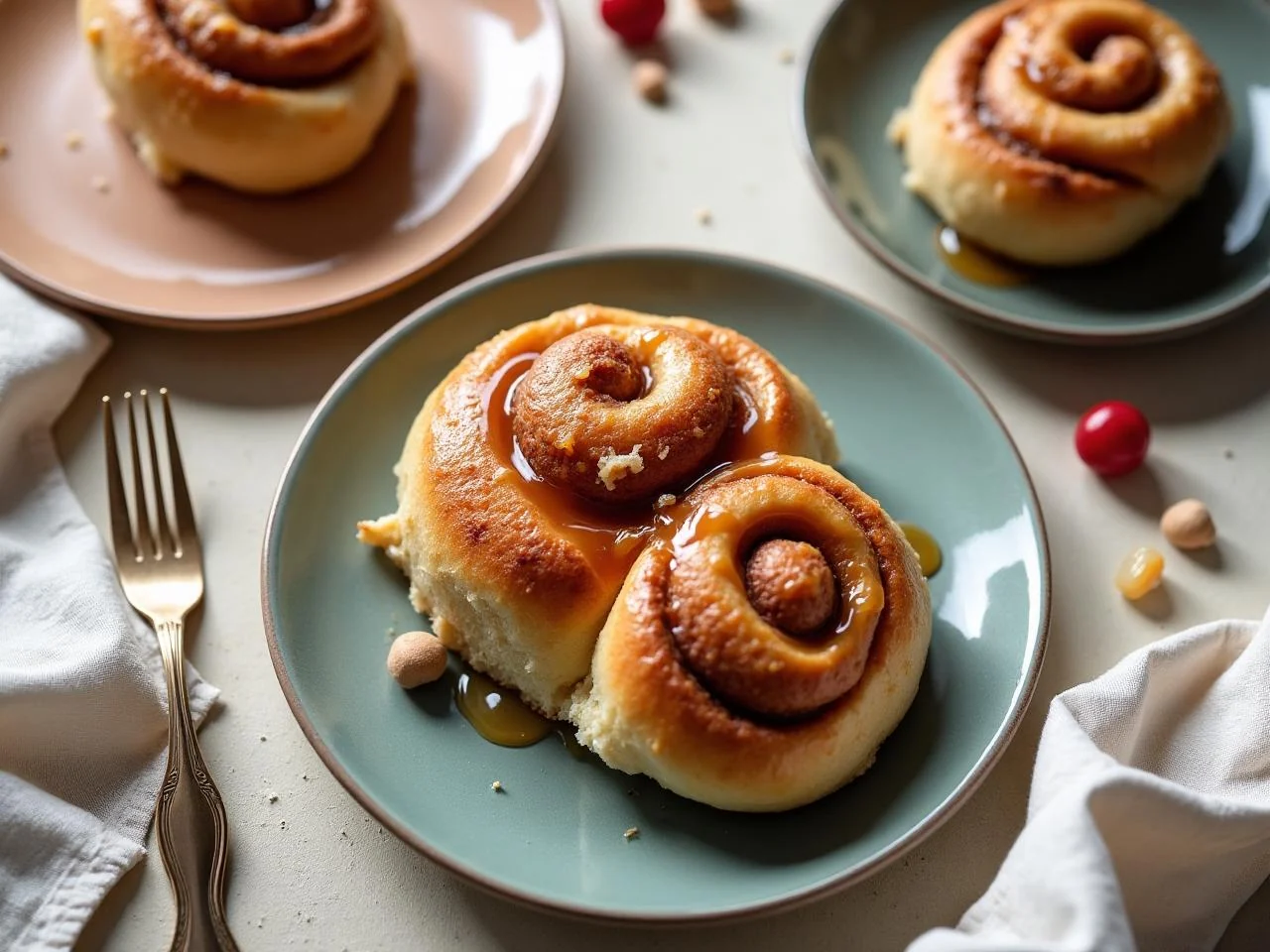
I still remember the first time I made cinnamon rolls from scratch. It was a revelation - the combination of soft, fluffy dough, sweet cinnamon sugar, and gooey icing was absolute perfection. Since then, I've been hooked on making these delicious pastries for my family and friends. There's something special about waking up to the smell of freshly baked cinnamon rolls, and I'm excited to share my recipe with you so you can experience it too.
As a home cook, I know that making cinnamon rolls can seem intimidating, but trust me, it's easier than you think. With a little patience and practice, you'll be whipping up these sweet treats like a pro. And the best part? They're perfect for any time of day - whether you're looking for a slow morning breakfast or a quick weekday pick-me-up.
So what makes these cinnamon rolls so special? For starters, the dough is made with a combination of all-purpose flour, yeast, and warm milk, which gives it a tender and airy texture. The filling is where things get really exciting - a mixture of granulated sugar, brown sugar, and cinnamon that's spread generously over the dough before rolling it up. And let's not forget the icing - a simple powdered sugar glaze that adds just the right amount of sweetness.
I love making cinnamon rolls because they're a great way to slow down and enjoy the process of cooking. There's something therapeutic about mixing and kneading the dough, and the smell of cinnamon and sugar wafting from the oven is just the best. Whether you're a seasoned baker or a beginner in the kitchen, I hope you'll give this recipe a try and experience the joy of making cinnamon rolls from scratch.
Why You’ll Love This Recipe
- These cinnamon rolls are perfect for slow mornings and quick weekday breakfasts.
- They're easy to make and require minimal ingredients.
- The combination of soft, fluffy dough and sweet cinnamon sugar is absolute perfection.
- They're a great way to slow down and enjoy the process of cooking.
- They're perfect for any time of day - whether you're looking for a breakfast treat or an afternoon snack.
- They're a great way to impress your family and friends with your baking skills.
- They're easy to customize with different fillings and toppings.
Why This Recipe Works
The key to making great cinnamon rolls is in the layers - not just the layers of dough and filling, but also the layers of flavor and texture. By using a combination of granulated and brown sugar, we get a deep and rich flavor that's balanced by the brightness of the cinnamon. And by using a simple powdered sugar glaze, we add just the right amount of sweetness without overpowering the other flavors.
The science behind cinnamon rolls is also pretty cool. Yeast fermentation is what gives the dough its light and airy texture, and the warmth of the oven helps to activate the yeast and make the dough rise. The cinnamon and sugar filling also plays a role in the texture of the final product - the sugar helps to tenderize the dough and the cinnamon adds a warm and comforting flavor.
Another important factor in making great cinnamon rolls is the resting time. By letting the dough rest and rise, we allow the yeast to do its job and the dough to develop a more complex flavor. This is also important for the texture - a well-rested dough will be easier to roll out and will have a more even texture.
Ingredients You’ll Need
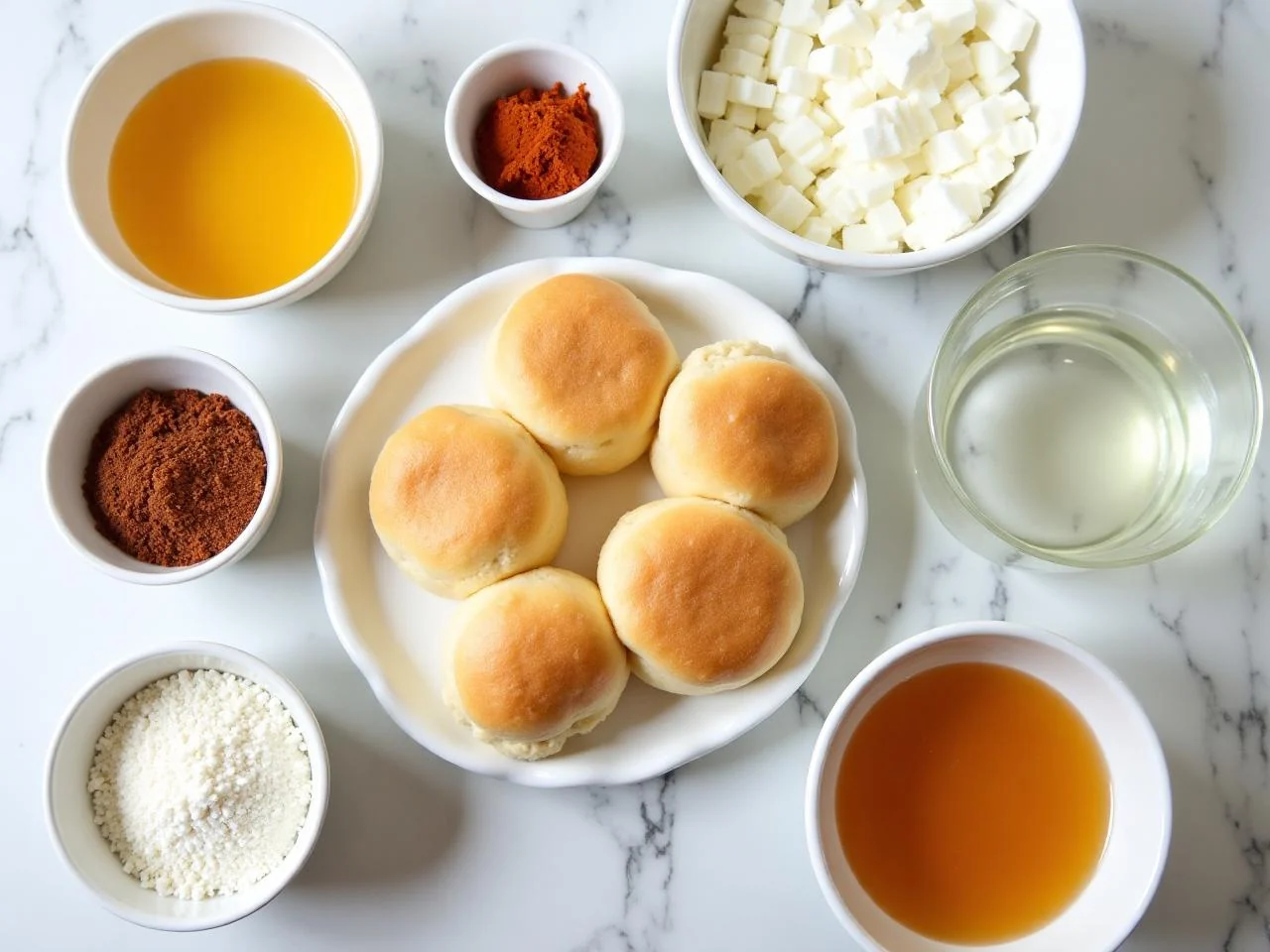
To make these delicious cinnamon rolls, you'll need a few simple ingredients. The most important thing is to use high-quality ingredients - fresh yeast, real butter, and pure vanilla extract will make a big difference in the final product. You'll also need some basic pantry staples like flour, sugar, and cinnamon.
When shopping for ingredients, be sure to check the expiration dates and choose the freshest options available. For the yeast, make sure to use active dry yeast and not instant yeast, as this will affect the rise of the dough. For the flour, use all-purpose flour that has a high protein content, as this will help the dough to develop a strong gluten structure.
- 1 cup (200g) warm milkThe warm milk helps to activate the yeast and gives the dough a tender and creamy texture. Make sure the milk is not too hot, as this can kill the yeast.
- 2 tsp active dry yeastThe yeast is what gives the dough its light and airy texture. Make sure to use active dry yeast and not instant yeast, as this will affect the rise of the dough.
- 3 tbsp (45g) granulated sugarThe granulated sugar helps to feed the yeast and gives the dough a sweet and tender flavor. You can also use brown sugar or honey if you prefer a different flavor.
- 4 cups (500g) all-purpose flourThe all-purpose flour provides the structure and texture of the dough. Make sure to use flour that has a high protein content, as this will help the dough to develop a strong gluten structure.
- 1 tsp saltThe salt helps to balance the sweetness of the sugar and gives the dough a savory flavor. You can also use sea salt or kosher salt if you prefer a different flavor.
- 1/2 cup (115g) unsalted butter, meltedThe melted butter gives the dough a rich and tender flavor. Make sure to use high-quality butter that has a high fat content, as this will help the dough to develop a flaky and tender texture.
- 1/2 cup (100g) granulated sugarThe granulated sugar helps to balance the sweetness of the filling and gives the dough a sweet and tender flavor. You can also use brown sugar or honey if you prefer a different flavor.
- 2 tbsp (30g) ground cinnamonThe ground cinnamon gives the filling a warm and comforting flavor. You can also use other spices like nutmeg or cardamom if you prefer a different flavor.
- 1/2 cup (120g) brown sugarThe brown sugar helps to balance the sweetness of the filling and gives the dough a rich and caramel-like flavor. You can also use white sugar or honey if you prefer a different flavor.
- 1/2 cup (120g) powdered sugarThe powdered sugar helps to balance the sweetness of the icing and gives the dough a sweet and tender flavor. You can also use granulated sugar or honey if you prefer a different flavor.
- 2 large eggsThe eggs help to enrich the dough and give it a moist and tender texture. Make sure to use high-quality eggs that have a high protein content, as this will help the dough to develop a strong gluten structure.
- 1 tsp pure vanilla extractThe pure vanilla extract gives the dough a sweet and creamy flavor. Make sure to use high-quality vanilla extract that has a high vanilla content, as this will help the dough to develop a rich and complex flavor.
- Salt and pepper to tasteThe salt and pepper help to balance the sweetness of the dough and give it a savory flavor. You can also use other seasonings like nutmeg or cardamom if you prefer a different flavor.
Equipment You’ll Need
How to Make Cinnamon Rolls
- 1In a large mixing bowl, combine the warm milk and yeast. Let it sit for 5-10 minutes, or until the yeast is activated and foamy.
- 2Add the granulated sugar, flour, and salt to the bowl. Mix until a shaggy dough forms.
- 3Add the melted butter, eggs, and vanilla extract to the bowl. Mix until the dough comes together in a sticky ball.
- 4Knead the dough on a floured surface for 10-15 minutes, or until it becomes smooth and elastic.
- 5Place the dough in a greased bowl, cover it with plastic wrap, and let it rise in a warm place for 1-2 hours, or until it has doubled in size.
- 6Preheat the oven to 375°F (190°C). Line a baking sheet with parchment paper.
- 7On a lightly floured surface, roll out the dough to a thickness of about 1/4 inch (6mm).
- 8In a small bowl, mix together the granulated sugar, brown sugar, and cinnamon. Sprinkle the mixture evenly over the dough, leaving a 1-inch (2.5cm) border around the edges.
- 9Roll the dough into a tight log, starting from the long side. Cut the log into 12-15 equal pieces.
- 10Place the rolls on the prepared baking sheet, leaving about 1 inch (2.5cm) of space between each roll.
- 11Bake the rolls for 18-20 minutes, or until they are golden brown.
- 12While the rolls are baking, prepare the icing by whisking together the powdered sugar and milk until smooth.
- 13Remove the rolls from the oven and let them cool for 5-10 minutes. Drizzle the icing over the rolls and serve warm.
Expert Tips
- Make sure to use high-quality ingredients, including fresh yeast and real butter.
- Don't overmix the dough, as this can lead to a tough and dense texture.
- Let the dough rise for the full 1-2 hours, as this will help it to develop a light and airy texture.
- Use a rolling pin to roll out the dough, as this will help to achieve a uniform thickness.
- Don't overbake the rolls, as this can lead to a dry and crumbly texture.
- Let the rolls cool for a few minutes before drizzling with icing, as this will help the icing to set and stick to the rolls.
- Experiment with different fillings and toppings, such as nuts or fruit, to add variety to the rolls.
- Consider making the dough ahead of time and freezing it for later use.
Common Mistakes to Avoid
- Not letting the dough rise for the full 1-2 hours, leading to a dense and flat texture.
- Overmixing the dough, leading to a tough and chewy texture.
- Not using high-quality ingredients, leading to a lackluster flavor and texture.
- Overbaking the rolls, leading to a dry and crumbly texture.
- Not letting the rolls cool before drizzling with icing, leading to a messy and sticky texture.
- Not using the right type of flour, leading to a texture that is either too dense or too delicate.
Variations and Substitutions
- Add nuts or fruit to the filling for added texture and flavor.
- Use different types of sugar, such as brown sugar or honey, to change the flavor of the rolls.
- Add a sprinkle of cinnamon or nutmeg to the top of the rolls before baking for extra flavor.
- Use a different type of milk, such as almond or soy milk, to make the rolls dairy-free.
- Add a handful of chocolate chips to the dough for a sweet and indulgent treat.
- Use a different type of flour, such as whole wheat or rye, to change the texture and flavor of the rolls.
- Make the rolls in a muffin tin for a fun and individualized breakfast treat.
What to Serve With Cinnamon Rolls
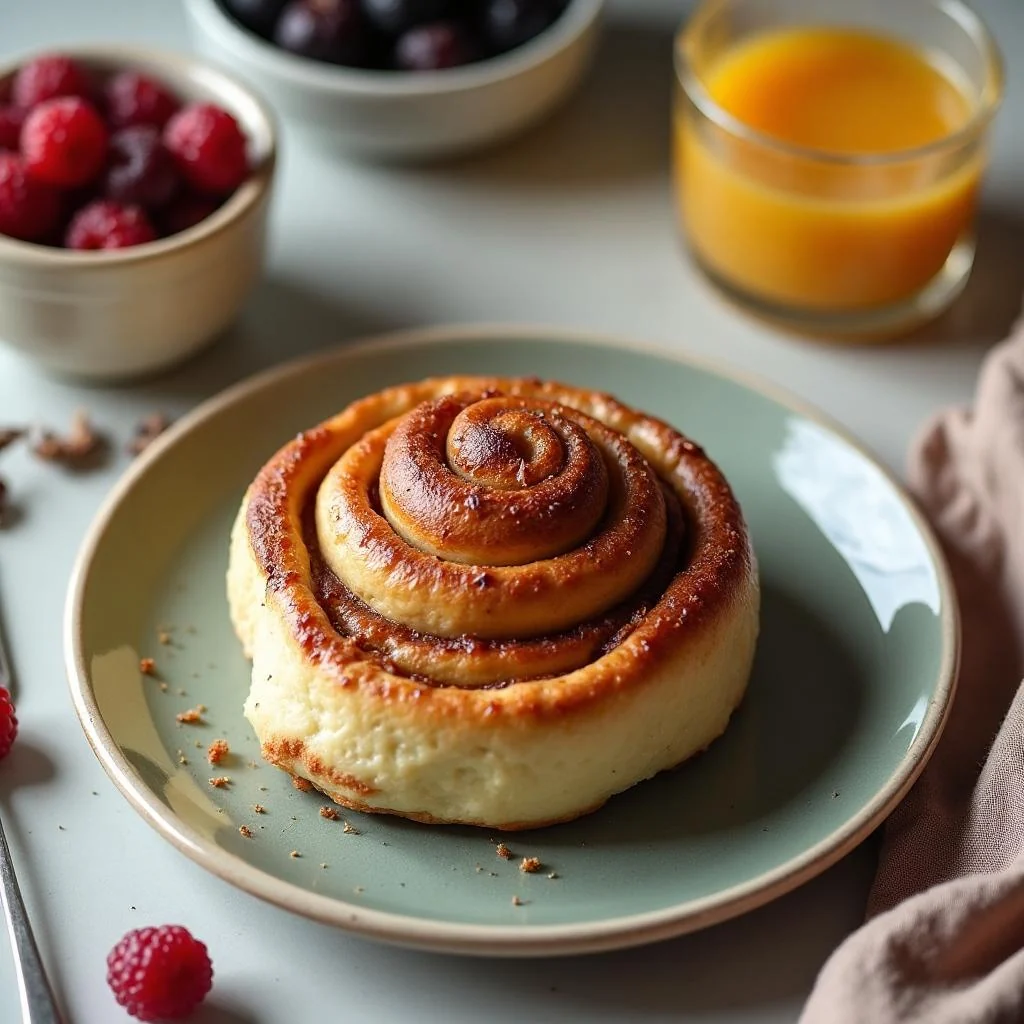
These cinnamon rolls are perfect for serving at breakfast or brunch, and can be paired with a variety of drinks and sides. Try serving them with a hot cup of coffee or tea, or with a glass of cold milk. You can also pair them with fresh fruit or yogurt for a healthier option.
For a more indulgent treat, try serving the rolls with a scoop of ice cream or a drizzle of caramel sauce. You can also top them with chopped nuts or sprinkles for added texture and flavor.
Make-Ahead, Storage, Freezing and Reheating
To store the cinnamon rolls, let them cool completely on a wire rack. Once cooled, you can store them in an airtight container at room temperature for up to 3 days. You can also freeze the rolls for up to 2 months, and thaw them at room temperature or in the microwave when you're ready to serve.
To freeze the rolls, place them in a single layer on a baking sheet and put them in the freezer. Once frozen, transfer the rolls to a freezer-safe bag or container and store them in the freezer. To thaw, simply leave the rolls at room temperature for a few hours or thaw them in the microwave.
When reheating the rolls, you can microwave them for a few seconds or bake them in the oven at 350°F (180°C) for a few minutes. You can also toast them in a toaster or under the broiler for a crispy exterior and a soft interior.
It's also worth noting that you can make the dough ahead of time and store it in the fridge or freezer for later use. Simply let the dough rise, punch it down, and store it in an airtight container in the fridge for up to 24 hours or in the freezer for up to 2 months. When you're ready to bake, simply let the dough come to room temperature and proceed with the recipe.
Frequently Asked Questions
What type of flour should I use for cinnamon rolls?
You should use all-purpose flour with a high protein content, such as bread flour or unbleached all-purpose flour. This will help the dough to develop a strong gluten structure and a tender texture.
Can I use instant yeast instead of active dry yeast?
No, you should not use instant yeast instead of active dry yeast. Instant yeast is designed for use in recipes that have a shorter rising time, and it can produce off-flavors and textures in cinnamon rolls. Active dry yeast is the best choice for cinnamon rolls because it produces a slower and more even rise, which helps to develop the flavor and texture of the dough.
How long do cinnamon rolls last?
Cinnamon rolls can last for up to 3 days at room temperature, or up to 2 months in the freezer. It's best to store them in an airtight container to keep them fresh and prevent them from drying out.
Can I make cinnamon rolls ahead of time?
Yes, you can make cinnamon rolls ahead of time. You can make the dough and let it rise, then punch it down and store it in the fridge or freezer for later use. You can also bake the rolls and store them in an airtight container for up to 3 days or freeze them for up to 2 months.
What's the best way to reheat cinnamon rolls?
The best way to reheat cinnamon rolls is to microwave them for a few seconds or bake them in the oven at 350°F (180°C) for a few minutes. You can also toast them in a toaster or under the broiler for a crispy exterior and a soft interior.
Can I customize cinnamon rolls with different fillings and toppings?
Yes, you can customize cinnamon rolls with different fillings and toppings. Some ideas include adding nuts or fruit to the filling, using different types of sugar or spices, or topping the rolls with chopped nuts or sprinkles.
How do I know when the dough is fully risen?
You can tell when the dough is fully risen by checking its size and texture. The dough should have doubled in size and should be soft and slightly puffy to the touch. You can also check the dough by gently pressing your finger into it - if the indentation remains, the dough is fully risen.
What's the best way to freeze cinnamon rolls?
The best way to freeze cinnamon rolls is to place them in a single layer on a baking sheet and put them in the freezer. Once frozen, transfer the rolls to a freezer-safe bag or container and store them in the freezer for up to 2 months.
Ingredients
- 1 cup (200g) warm milk
- 2 tsp active dry yeast
- 3 tbsp (45g) granulated sugar
- 4 cups (500g) all-purpose flour
- 1 tsp salt
- 1/2 cup (115g) unsalted butter, melted
- 1/2 cup (100g) granulated sugar
- 2 tbsp (30g) ground cinnamon
- 1/2 cup (120g) brown sugar
- 1/2 cup (120g) powdered sugar
- 2 large eggs
- 1 tsp pure vanilla extract
- Salt and pepper to taste
Instructions
- In a large mixing bowl, combine the warm milk and yeast. Let it sit for 5-10 minutes, or until the yeast is activated and foamy.
- Add the granulated sugar, flour, and salt to the bowl. Mix until a shaggy dough forms.
- Add the melted butter, eggs, and vanilla extract to the bowl. Mix until the dough comes together in a sticky ball.
- Knead the dough on a floured surface for 10-15 minutes, or until it becomes smooth and elastic.
- Place the dough in a greased bowl, cover it with plastic wrap, and let it rise in a warm place for 1-2 hours, or until it has doubled in size.
- Preheat the oven to 375°F (190°C). Line a baking sheet with parchment paper.
- On a lightly floured surface, roll out the dough to a thickness of about 1/4 inch (6mm).
- In a small bowl, mix together the granulated sugar, brown sugar, and cinnamon. Sprinkle the mixture evenly over the dough, leaving a 1-inch (2.5cm) border around the edges.
- Roll the dough into a tight log, starting from the long side. Cut the log into 12-15 equal pieces.
- Place the rolls on the prepared baking sheet, leaving about 1 inch (2.5cm) of space between each roll.
- Bake the rolls for 18-20 minutes, or until they are golden brown.
- While the rolls are baking, prepare the icing by whisking together the powdered sugar and milk until smooth.
- Remove the rolls from the oven and let them cool for 5-10 minutes. Drizzle the icing over the rolls and serve warm.