
Spinach and Feta Frittata
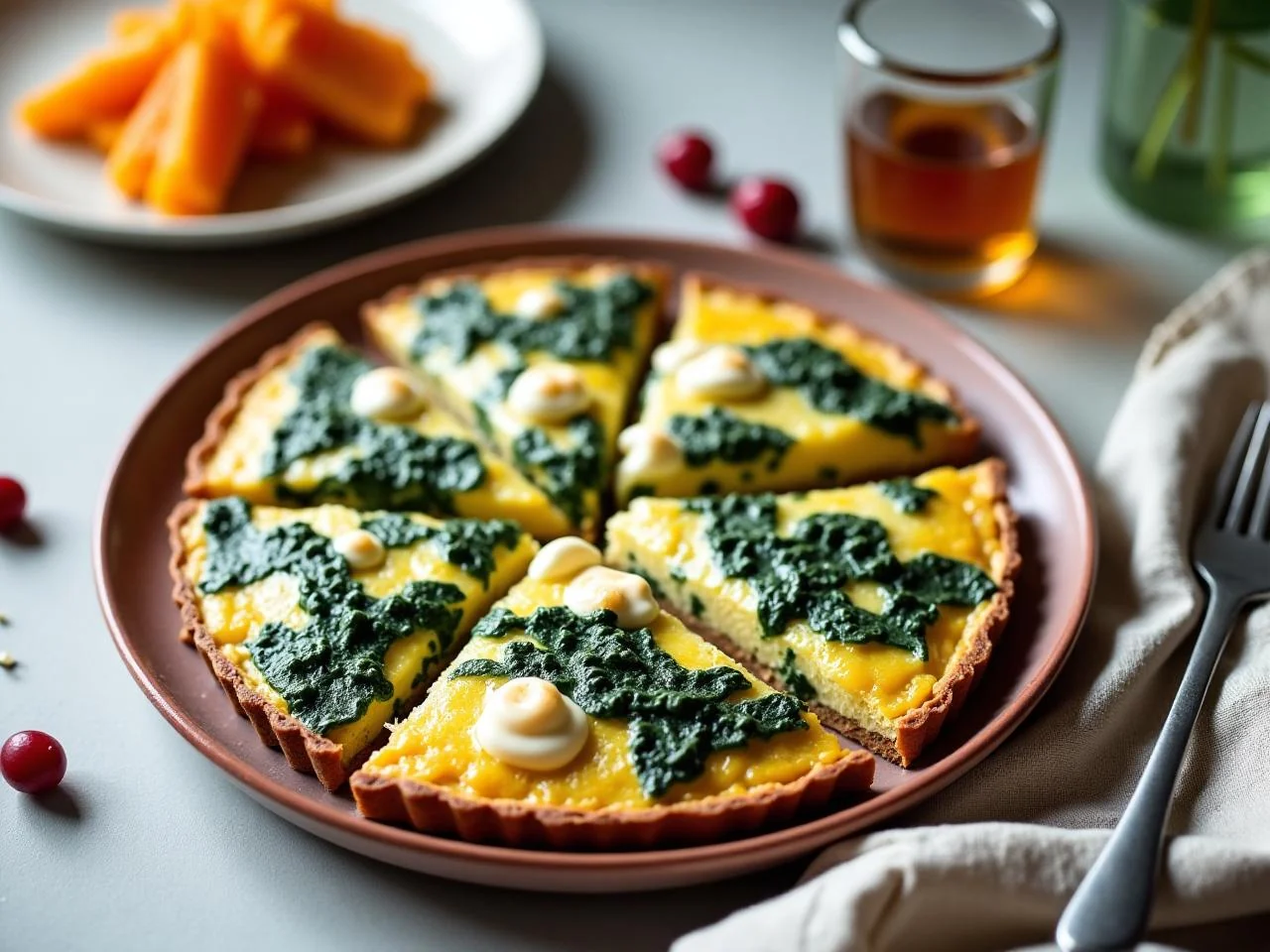
There's something special about a slow morning, with the sun shining through the windows and the aroma of freshly brewed coffee filling the air. It's the perfect time to whip up a delicious breakfast dish that will keep you going throughout the day. For me, that dish is often a Spinach and Feta Frittata, packed with fresh spinach, tangy feta cheese, and a hint of garlic.
I love making frittatas because they're so versatile - you can serve them hot or cold, sliced into wedges or cubed into bite-sized pieces. And the best part? They're incredibly easy to make, even for a beginner. Just imagine a fluffy, creamy egg mixture infused with the flavors of spinach and feta, all wrapped up in a crispy, golden-brown package.
As a home cook, I've experimented with countless frittata recipes over the years, but this one remains my favorite. It's a staple in our household, and I love serving it to friends and family on lazy weekends or busy weekdays. Whether you're a fan of spinach, feta, or just a good ol' fashioned omelette, this recipe is sure to become a new favorite.
So what makes this Spinach and Feta Frittata so special? For starters, it's the combination of fresh spinach and tangy feta cheese, which adds a depth of flavor and texture that's hard to beat. Then there's the technique - by cooking the frittata low and slow, you'll end up with a creamy, custard-like center that's just begging to be devoured.
Of course, the beauty of this recipe lies in its simplicity. With just a few ingredients and some basic cooking techniques, you'll be on your way to a delicious, restaurant-quality frittata in no time. So go ahead, give it a try, and see why this Spinach and Feta Frittata has become a staple in our household.
Why You’ll Love This Recipe
- This recipe is incredibly easy to make, even for a beginner
- The combination of fresh spinach and tangy feta cheese adds a depth of flavor and texture that's hard to beat
- The frittata is perfect for any time of day, whether you're serving it for breakfast, brunch, or even dinner
- The recipe is highly versatile, and can be customized with your favorite ingredients and spices
- The frittata is a great make-ahead dish, and can be refrigerated or frozen for later use
- The recipe is budget-friendly and uses ingredients that are easily found in most supermarkets
- The frittata is a crowd-pleaser, and is perfect for serving to friends and family
Why This Recipe Works
The key to a great frittata is all about the technique. By cooking the eggs low and slow, you'll end up with a creamy, custard-like center that's just begging to be devoured. It's all about heat control - by using a medium-low heat, you'll prevent the eggs from cooking too quickly, which can result in a rubbery or overcooked texture.
Another important factor is the use of fat. In this recipe, we're using a combination of butter and olive oil to add flavor and moisture to the frittata. The butter adds a rich, creamy flavor, while the olive oil helps to prevent the eggs from sticking to the pan.
Finally, there's the matter of seasoning. By adding salt, pepper, and a sprinkle of nutmeg to the egg mixture, you'll end up with a frittata that's full of flavor and depth. And of course, the fresh spinach and feta cheese add a burst of freshness and tanginess that takes the dish to the next level.
By combining these techniques and ingredients, you'll end up with a Spinach and Feta Frittata that's truly special. It's a dish that's perfect for any time of day, whether you're serving it for breakfast, brunch, or even dinner.
Ingredients You’ll Need
When it comes to making a great Spinach and Feta Frittata, the ingredients are just as important as the technique. You'll need a few basic ingredients, including eggs, spinach, feta cheese, and some spices. Be sure to choose fresh, high-quality ingredients, as they'll make a big difference in the final dish.
One of the most important ingredients in this recipe is the spinach. Look for fresh, baby spinach leaves that are free of wilted or brown edges. You can also use frozen spinach, but be sure to thaw it first and squeeze out as much water as possible.
- 6 large eggsFresh eggs are essential for a great frittata, as they'll provide a rich, creamy texture and a deep, yellow color. Look for eggs that are labeled as 'large' or 'extra-large', as they'll have a better balance of whites and yolks.
- 1/2 cup (115g) chopped fresh spinachFresh spinach is a must in this recipe, as it adds a burst of freshness and flavor to the frittata. Look for baby spinach leaves that are free of wilted or brown edges, and be sure to chop them finely before adding them to the egg mixture.
- 1/2 cup (115g) crumbled feta cheeseFeta cheese is a key ingredient in this recipe, as it adds a tangy, salty flavor that complements the spinach perfectly. Look for a high-quality feta that's made from sheep's milk or a combination of sheep's and goat's milk, as it'll have a richer, more complex flavor.
- 1/2 cup (115g) diced onionA small amount of diced onion adds a sweet, depth of flavor to the frittata. Look for a sweet onion, such as Vidalia or Maui, and be sure to dice it finely before adding it to the egg mixture.
- 2 cloves garlic, mincedGarlic is a fundamental ingredient in many dishes, and it's especially important in this recipe. Look for fresh, high-quality garlic that's free of sprouts or green shoots, and be sure to mince it finely before adding it to the egg mixture.
- 1/2 tsp saltSalt is essential for bringing out the flavors in the frittata, and it's especially important for balancing the sweetness of the onion and the tanginess of the feta. Look for a high-quality salt, such as kosher or sea salt, and be sure to use it sparingly, as it can quickly become overpowering.
- 1/4 tsp black pepperBlack pepper is a fundamental ingredient in many dishes, and it's especially important in this recipe. Look for freshly ground black pepper, as it'll have a more complex, nuanced flavor than pre-ground pepper.
- 1/4 tsp nutmegA small amount of nutmeg adds a warm, aromatic flavor to the frittata. Look for freshly ground nutmeg, as it'll have a more complex, nuanced flavor than pre-ground nutmeg.
- 2 tbsp butterButter is essential for adding flavor and moisture to the frittata. Look for high-quality, unsalted butter, and be sure to use it sparingly, as it can quickly become overpowering.
- 1 tbsp olive oilOlive oil is a fundamental ingredient in many dishes, and it's especially important in this recipe. Look for a high-quality olive oil, such as extra-virgin or cold-pressed, and be sure to use it sparingly, as it can quickly become overpowering.
- Salt and pepper to tasteA pinch of salt and pepper is essential for balancing the flavors in the frittata. Look for high-quality salt and pepper, and be sure to use them sparingly, as they can quickly become overpowering.
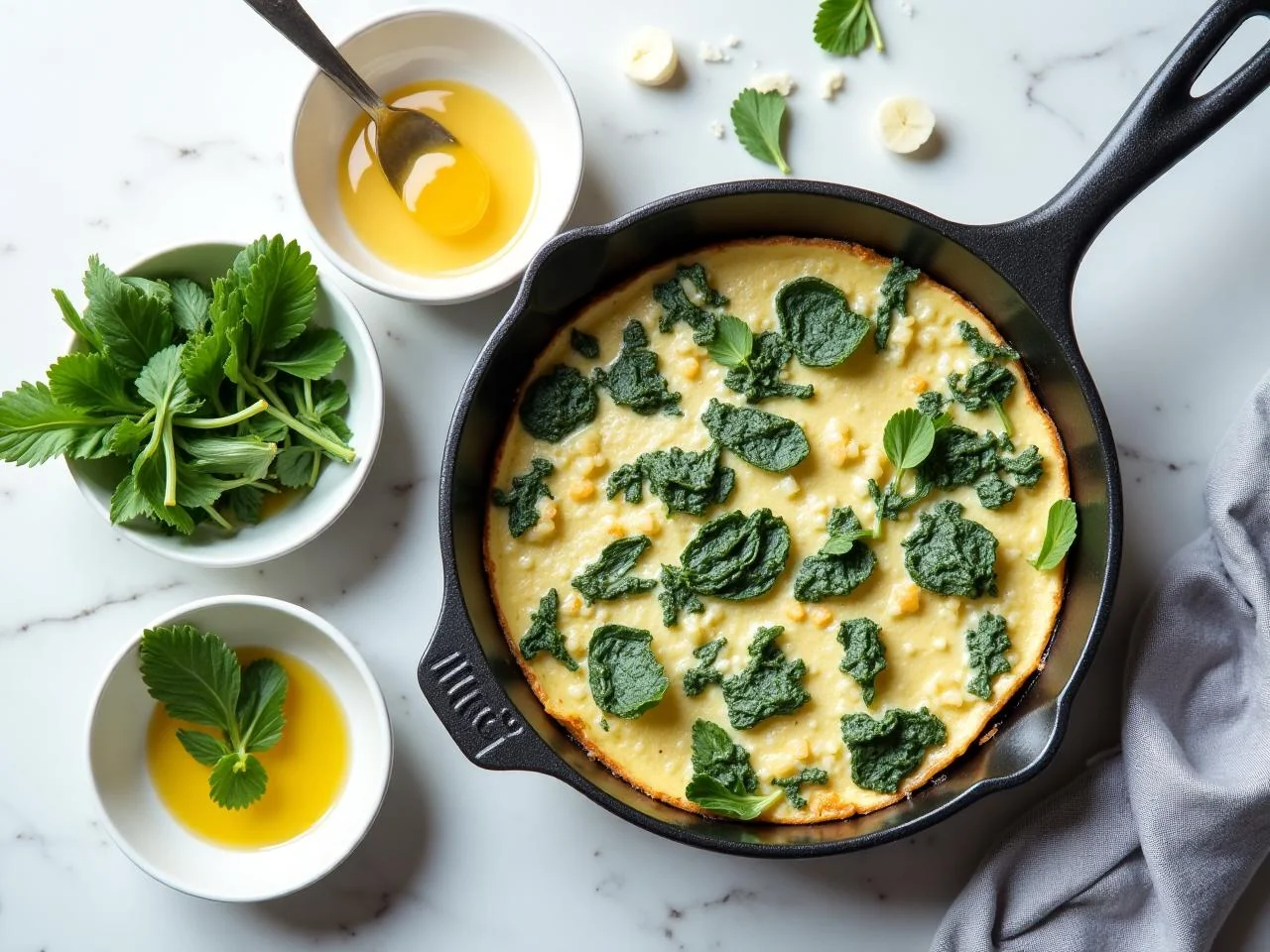
Equipment You’ll Need
How to Make Spinach and Feta Frittata
- 1Preheat your oven to 375°F (190°C). While the oven is heating up, chop the onion and mince the garlic.
- 2In a large bowl, whisk together the eggs, salt, pepper, and nutmeg. Add the chopped spinach, crumbled feta cheese, and diced onion to the bowl, and stir until they're fully incorporated.
- 3Heat the butter and olive oil in a large skillet or omelette pan over medium heat. Once the butter has melted, tilt the pan to make sure the surface is evenly coated.
- 4Pour the egg mixture into the skillet, and cook for about 2-3 minutes, until the edges start to set.
- 5Use a spatula to gently lift and fold the edges of the frittata towards the center, allowing the uncooked egg to flow to the edges.
- 6Continue cooking the frittata for another 2-3 minutes, until the eggs are almost set and the bottom is lightly golden brown.
- 7Transfer the skillet to the preheated oven, and bake for 10-12 minutes, until the frittata is puffed and golden brown.
- 8Remove the skillet from the oven, and let the frittata cool for a few minutes.
- 9Use a spatula to carefully loosen the frittata from the skillet, and slide it onto a plate or serving dish.
- 10Slice the frittata into wedges, and serve hot or cold, garnished with chopped fresh herbs or a sprinkle of feta cheese.
Expert Tips
- Use fresh, high-quality ingredients to ensure the best flavor and texture.
- Don't overfill the skillet with egg mixture, as this can make the frittata difficult to cook evenly.
- Use a medium-low heat to prevent the eggs from cooking too quickly, which can result in a rubbery or overcooked texture.
- Don't overmix the egg mixture, as this can make the frittata tough and dense.
- Add a pinch of salt and pepper to the egg mixture to bring out the flavors.
- Use a spatula to gently lift and fold the edges of the frittata towards the center, allowing the uncooked egg to flow to the edges.
- Let the frittata cool for a few minutes before slicing and serving, as this will help it to set and become easier to handle.
- Experiment with different ingredients and spices to create unique and delicious variations.
Common Mistakes to Avoid
- Overfilling the skillet with egg mixture, which can make the frittata difficult to cook evenly.
- Using high heat, which can result in a rubbery or overcooked texture.
- Overmixing the egg mixture, which can make the frittata tough and dense.
- Not letting the frittata cool before slicing and serving, which can make it difficult to handle and result in a messy presentation.
- Not using fresh, high-quality ingredients, which can affect the flavor and texture of the frittata.
- Not adding a pinch of salt and pepper to the egg mixture, which can result in a bland or unbalanced flavor.
Variations and Substitutions
- Add some diced bell peppers or mushrooms to the egg mixture for added flavor and nutrients.
- Use different types of cheese, such as cheddar or parmesan, for a unique and delicious twist.
- Add some chopped fresh herbs, such as parsley or basil, to the egg mixture for added flavor and freshness.
- Use different types of milk, such as almond or soy milk, for a dairy-free or vegan version.
- Add some diced ham or bacon to the egg mixture for a meaty and satisfying twist.
- Use different types of spices, such as paprika or cumin, to add a smoky or earthy flavor to the frittata.
- Make individual mini frittatas in a muffin tin for a fun and easy breakfast or snack.
What to Serve With Spinach and Feta Frittata
The Spinach and Feta Frittata is a versatile dish that can be served at any time of day. It's perfect for breakfast, brunch, or even dinner, and can be paired with a variety of sides and drinks. Some ideas include toasted bread or English muffins, fresh fruit or salad, and a cup of coffee or tea.
For a more substantial meal, you could serve the frittata with roasted vegetables, such as asparagus or Brussels sprouts, or with a side of hash browns or home fries. You could also add some meat, such as bacon or sausage, for a heartier and more satisfying meal.
Make-Ahead, Storage, Freezing and Reheating
The Spinach and Feta Frittata can be stored in the refrigerator for up to 3 days, or frozen for up to 2 months. To refrigerate, simply wrap the frittata in plastic wrap or aluminum foil and store it in the fridge. To freeze, wrap the frittata in plastic wrap or aluminum foil and place it in a freezer-safe bag or container.
To reheat the frittata, simply wrap it in foil and bake it in a preheated oven at 350°F (180°C) for about 10-15 minutes, until it's warmed through and lightly golden brown. You can also reheat it in the microwave, but be careful not to overheat, as this can result in a rubbery or overcooked texture.
It's also worth noting that the frittata can be made ahead of time and refrigerated or frozen until needed. This makes it a great option for meal prep or for serving a crowd. Simply make the frittata according to the recipe, then let it cool and store it in the refrigerator or freezer until you're ready to serve it.
In addition to refrigerating or freezing, you can also make individual mini frittatas in a muffin tin and store them in an airtight container in the refrigerator or freezer. This makes it easy to grab a quick and easy breakfast or snack on the go.
Frequently Asked Questions
Can I make the frittata ahead of time?
Yes, the frittata can be made ahead of time and refrigerated or frozen until needed. Simply make the frittata according to the recipe, then let it cool and store it in the refrigerator or freezer until you're ready to serve it.
Can I use different types of cheese?
Yes, you can use different types of cheese, such as cheddar or parmesan, for a unique and delicious twist.
Can I add meat to the frittata?
Yes, you can add diced ham or bacon to the egg mixture for a meaty and satisfying twist.
Can I make individual mini frittatas?
Yes, you can make individual mini frittatas in a muffin tin for a fun and easy breakfast or snack.
How do I reheat the frittata?
To reheat the frittata, simply wrap it in foil and bake it in a preheated oven at 350°F (180°C) for about 10-15 minutes, until it's warmed through and lightly golden brown. You can also reheat it in the microwave, but be careful not to overheat, as this can result in a rubbery or overcooked texture.
Can I freeze the frittata?
Yes, the frittata can be frozen for up to 2 months. Simply wrap it in plastic wrap or aluminum foil and place it in a freezer-safe bag or container.
How do I store the frittata?
The frittata can be stored in the refrigerator for up to 3 days, or frozen for up to 2 months. To refrigerate, simply wrap the frittata in plastic wrap or aluminum foil and store it in the fridge.
Can I make the frittata in a different size skillet?
Yes, you can make the frittata in a different size skillet, but you may need to adjust the cooking time and temperature accordingly.
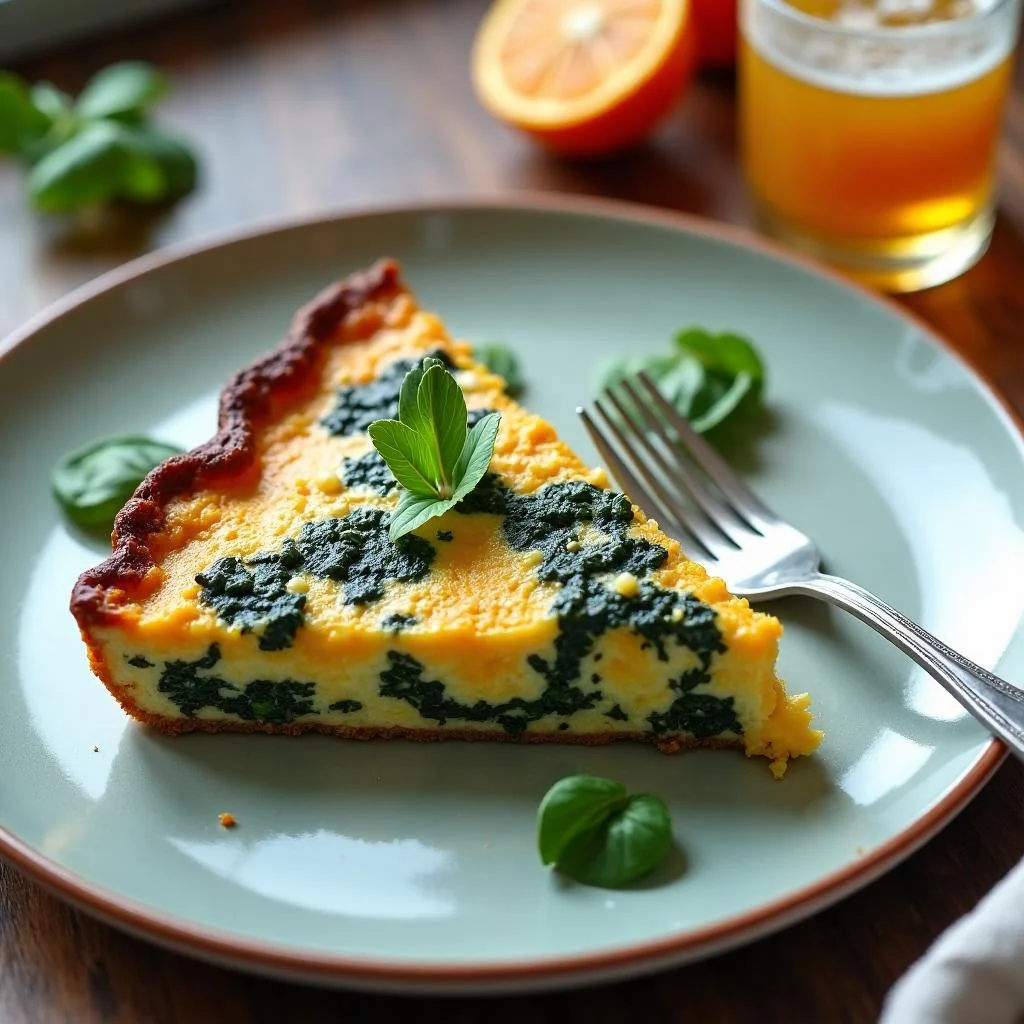
Ingredients
- 6 large eggs
- 1/2 cup (115g) chopped fresh spinach
- 1/2 cup (115g) crumbled feta cheese
- 1/2 cup (115g) diced onion
- 2 cloves garlic, minced
- 1/2 tsp salt
- 1/4 tsp black pepper
- 1/4 tsp nutmeg
- 2 tbsp butter
- 1 tbsp olive oil
- Salt and pepper to taste
Instructions
- Preheat your oven to 375°F (190°C). While the oven is heating up, chop the onion and mince the garlic.
- In a large bowl, whisk together the eggs, salt, pepper, and nutmeg. Add the chopped spinach, crumbled feta cheese, and diced onion to the bowl, and stir until they're fully incorporated.
- Heat the butter and olive oil in a large skillet or omelette pan over medium heat. Once the butter has melted, tilt the pan to make sure the surface is evenly coated.
- Pour the egg mixture into the skillet, and cook for about 2-3 minutes, until the edges start to set.
- Use a spatula to gently lift and fold the edges of the frittata towards the center, allowing the uncooked egg to flow to the edges.
- Continue cooking the frittata for another 2-3 minutes, until the eggs are almost set and the bottom is lightly golden brown.
- Transfer the skillet to the preheated oven, and bake for 10-12 minutes, until the frittata is puffed and golden brown.
- Remove the skillet from the oven, and let the frittata cool for a few minutes.
- Use a spatula to carefully loosen the frittata from the skillet, and slide it onto a plate or serving dish.
- Slice the frittata into wedges, and serve hot or cold, garnished with chopped fresh herbs or a sprinkle of feta cheese.