Classic French Scrambled Eggs
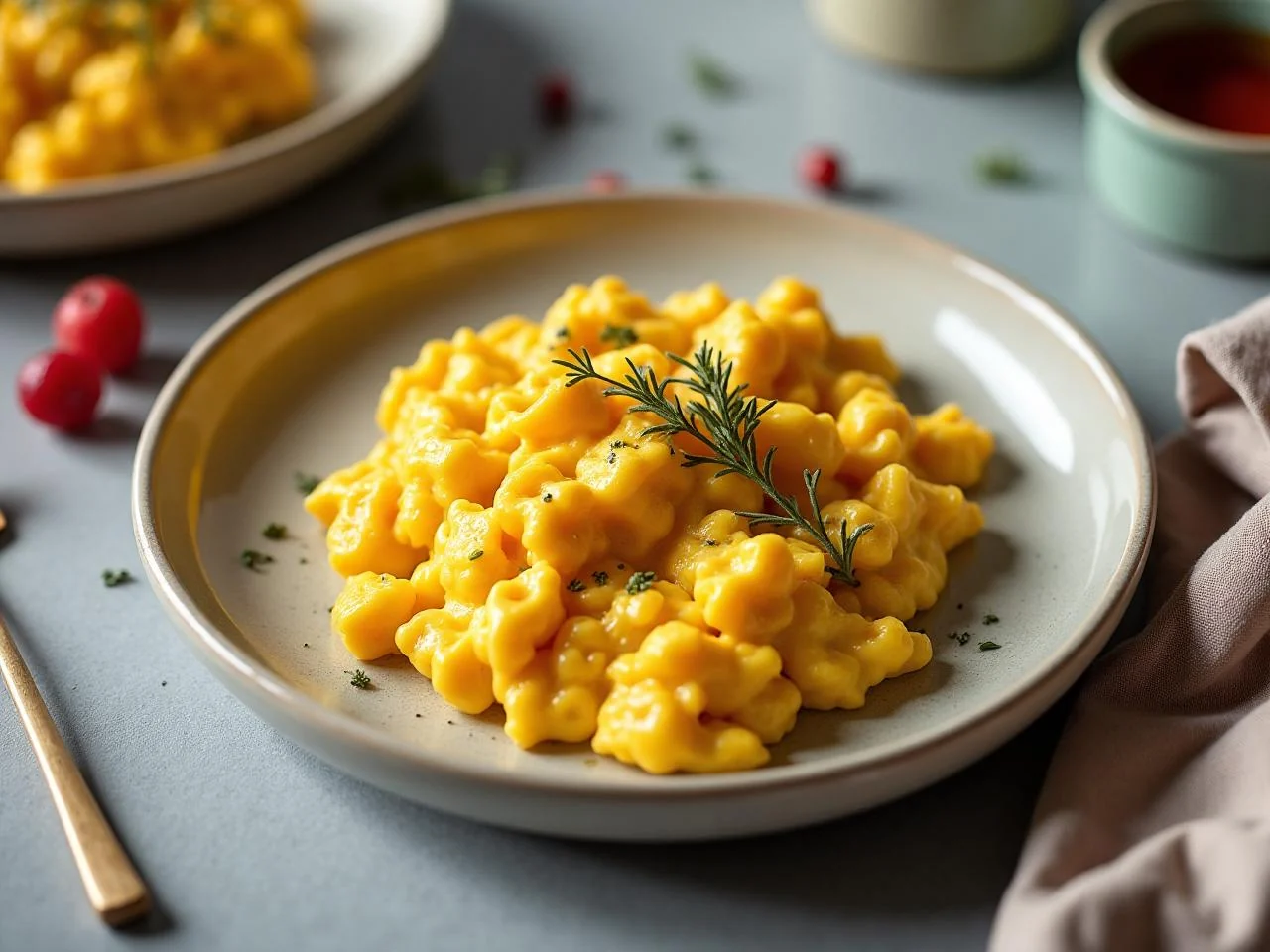
There's something undeniably special about a warm, comforting plate of scrambled eggs on a lazy Sunday morning. As someone who's spent years perfecting the art of breakfast, I can confidently say that Classic French Scrambled Eggs are the ultimate morning treat. With their silky texture and rich, buttery flavor, these eggs are sure to become a staple in your household.
I still remember the first time I had French scrambled eggs at a quaint little bistro in Paris. The chef's technique was effortless, yet the result was nothing short of magical. The eggs were cooked to a perfect doneness, with a subtle creaminess that coated my tongue. It was love at first bite, and I knew right then that I had to master this recipe.
What makes French scrambled eggs truly special is the technique. By cooking the eggs low and slow, you allow the curds to form slowly, resulting in a tender, moist texture that's simply divine. This recipe is perfect for slow mornings, quick weekday breakfasts, or even a fancy brunch with friends. Whether you're a seasoned cook or a beginner, you'll find that this recipe is easy to follow and requires minimal ingredients.
The beauty of this recipe lies in its simplicity. With just a few ingredients and some basic cooking techniques, you can create a dish that's sure to impress even the most discerning palates. So, if you're looking to elevate your breakfast game and treat yourself to a delicious, restaurant-quality meal, then keep reading – I'm excited to share my secrets with you.
In this article, we'll dive into the world of Classic French Scrambled Eggs, exploring the techniques, ingredients, and tips that will help you create the fluffiest, most tender scrambled eggs you've ever tasted. From the importance of using room temperature eggs to the art of cooking the eggs low and slow, we'll cover it all. So, let's get started and discover the magic of French scrambled eggs together.
Why You’ll Love This Recipe
- These scrambled eggs are incredibly easy to make and require minimal ingredients.
- The low-and-slow cooking technique ensures that the eggs are cooked to a perfect doneness every time.
- The addition of butter and milk gives the eggs a rich, creamy flavor that's sure to impress.
- This recipe is perfect for slow mornings, quick weekday breakfasts, or even a fancy brunch with friends.
- The technique used in this recipe can be applied to other egg dishes, making it a valuable skill to have in your culinary repertoire.
- The eggs can be made ahead of time and reheated, making them a great option for busy households.
Why This Recipe Works
The key to making great French scrambled eggs is all about the technique. By cooking the eggs low and slow, you allow the curds to form slowly, resulting in a tender, moist texture that's simply divine. This is achieved by using a combination of low heat and constant stirring, which helps to break down the eggs and distribute the heat evenly.
Another important factor is the use of room temperature eggs. This ensures that the eggs cook evenly and helps to prevent the formation of rubbery, overcooked curds. Additionally, using a mixture of butter and milk adds a richness and creaminess to the eggs that's hard to resist.
The type of pan you use is also crucial. A non-stick pan is essential for making French scrambled eggs, as it prevents the eggs from sticking and makes them easier to stir. A heat-resistant spatula is also a must-have, as it allows you to stir the eggs constantly without worrying about the spatula melting or warping.
Ingredients You’ll Need
To make Classic French Scrambled Eggs, you'll need a few simple ingredients, including eggs, butter, milk, salt, and pepper. The quality of your ingredients is important, so be sure to use fresh, room temperature eggs and high-quality butter and milk.
When shopping for ingredients, look for eggs that are labeled as 'large' or 'extra large,' as these will have a better texture and flavor than smaller eggs. You'll also want to choose a high-quality butter that's rich in flavor and has a high smoke point, such as unsalted European-style butter.
- 4 large eggs, room temperatureUsing room temperature eggs is crucial for making French scrambled eggs, as it ensures that the eggs cook evenly and helps to prevent the formation of rubbery, overcooked curds. If you don't have room temperature eggs, you can warm them up by placing them in a bowl of warm water for a few minutes.
- 2 tbsp unsalted butter, softenedThe type of butter you use is important, as it will affect the flavor and texture of the eggs. Look for a high-quality, European-style butter that's rich in flavor and has a high smoke point.
- 1 tbsp whole milkThe milk adds a richness and creaminess to the eggs that's hard to resist. You can use any type of milk you like, but whole milk will give the best flavor and texture.
- Salt and pepper to tasteSeasoning the eggs with salt and pepper is important, as it enhances the flavor and helps to bring out the natural sweetness of the eggs. Use a light hand when seasoning, as you can always add more salt and pepper to taste.
- 1 tsp chopped fresh chives, optionalAdding chopped fresh chives to the eggs gives them a fresh, oniony flavor that's perfect for spring. You can use any type of herb you like, but chives are a classic choice for French scrambled eggs.
- 1 tsp grated Gruyère cheese, optionalThe Gruyère cheese adds a rich, nutty flavor to the eggs that's sure to impress. You can use any type of cheese you like, but Gruyère is a classic choice for French scrambled eggs.
- 1 tsp lemon juice, optionalAdding a squeeze of lemon juice to the eggs gives them a bright, citrusy flavor that's perfect for balancing out the richness of the butter and cheese. Use a light hand when adding lemon juice, as you can always add more to taste.
- 1/4 tsp paprika, optionalThe paprika adds a smoky, slightly sweet flavor to the eggs that's perfect for adding depth and complexity. You can use any type of paprika you like, but sweet paprika is a classic choice for French scrambled eggs.
- 1/4 tsp cayenne pepper, optionalThe cayenne pepper adds a spicy kick to the eggs that's perfect for adding excitement and energy. Use a light hand when adding cayenne pepper, as you can always add more to taste.
- 1 tbsp chopped fresh parsley, optionalThe parsley adds a fresh, herbaceous flavor to the eggs that's perfect for adding a pop of color and freshness. You can use any type of herb you like, but parsley is a classic choice for French scrambled eggs.
Equipment You’ll Need
How to Make Classic French Scrambled Eggs
- 1Crack the eggs into a bowl and whisk them together with a fork until the whites and yolks are fully incorporated. Be careful not to overbeat the eggs, as this can make them tough and rubbery.
- 2Add the softened butter, milk, salt, and pepper to the bowl with the eggs and whisk until the mixture is smooth and creamy.
- 3Heat a large non-stick skillet or sauté pan over medium heat and add the egg mixture. Let the eggs cook for about 30 seconds, until the edges start to set.
- 4Use a heat-resistant spatula to gently scramble the eggs, breaking them up into small curds as they cook. Don't overmix the eggs, as this can make them tough and rubbery.
- 5Continue cooking the eggs for another 2-3 minutes, until they are almost set but still slightly moist. Use the spatula to gently lift and fold the eggs, allowing the uncooked egg to flow to the top.
- 6Remove the skillet from the heat and let the eggs cook for another minute, until they are fully set and creamy. Use the spatula to gently scrape the eggs out of the skillet and onto a plate.
- 7If using, sprinkle the chopped fresh chives, grated Gruyère cheese, lemon juice, paprika, cayenne pepper, and chopped fresh parsley over the top of the eggs and serve immediately.
- 8Serve the eggs with toast, hash browns, or other breakfast favorites. You can also make the eggs ahead of time and reheat them in the microwave or oven until warm and creamy.
- 9To reheat the eggs, simply place them in the microwave for 10-15 seconds or in the oven at 350°F (180°C) for 2-3 minutes. Be careful not to overheat the eggs, as this can make them dry and rubbery.
- 10Experiment with different ingredients and seasonings to find your favorite flavor combinations. Some ideas include adding diced ham or bacon, chopped fresh herbs, or grated cheese to the eggs.
- 11Make the eggs in advance and store them in the refrigerator for up to 24 hours. Simply reheat the eggs in the microwave or oven until warm and creamy.
- 12Use the eggs as a base for other breakfast dishes, such as breakfast burritos or omelets. Simply add your favorite fillings, such as salsa, sour cream, or shredded cheese, and wrap the eggs in a tortilla or fold them into an omelet.
Expert Tips
- Use room temperature eggs for the best flavor and texture.
- Don't overbeat the eggs, as this can make them tough and rubbery.
- Use a heat-resistant spatula to gently scramble the eggs and prevent them from sticking to the pan.
- Don't overcook the eggs, as this can make them dry and rubbery.
- Experiment with different ingredients and seasonings to find your favorite flavor combinations.
- Make the eggs ahead of time and reheat them in the microwave or oven until warm and creamy.
- Use the eggs as a base for other breakfast dishes, such as breakfast burritos or omelets.
Common Mistakes to Avoid
- Overbeating the eggs, which can make them tough and rubbery.
- Overcooking the eggs, which can make them dry and rubbery.
- Not using room temperature eggs, which can affect the flavor and texture of the eggs.
- Not using a heat-resistant spatula, which can cause the eggs to stick to the pan.
- Not experimenting with different ingredients and seasonings, which can limit the flavor and creativity of the dish.
Variations and Substitutions
- Adding diced ham or bacon to the eggs for a smoky, savory flavor.
- Using different types of cheese, such as cheddar or feta, for a unique flavor profile.
- Adding chopped fresh herbs, such as parsley or chives, for a fresh, oniony flavor.
- Using different types of milk, such as almond or soy milk, for a non-dairy version.
- Adding a splash of lemon juice or hot sauce for a bright, tangy flavor.
- Using different types of pans, such as a cast-iron skillet or a ceramic pan, for a unique cooking experience.
What to Serve With Classic French Scrambled Eggs
Serve the Classic French Scrambled Eggs with toast, hash browns, or other breakfast favorites. You can also make the eggs ahead of time and reheat them in the microwave or oven until warm and creamy.
Some ideas for sides include roasted vegetables, such as asparagus or bell peppers, or a simple green salad with a light vinaigrette. You can also serve the eggs with a side of sausage or bacon for a hearty, satisfying meal.
Make-Ahead, Storage, Freezing and Reheating
The Classic French Scrambled Eggs can be made ahead of time and stored in the refrigerator for up to 24 hours. Simply reheat the eggs in the microwave or oven until warm and creamy.
To freeze the eggs, simply place them in an airtight container or freezer bag and store them in the freezer for up to 3 months. When you're ready to eat them, simply thaw the eggs overnight in the refrigerator and reheat them in the microwave or oven until warm and creamy.
To reheat the eggs, simply place them in the microwave for 10-15 seconds or in the oven at 350°F (180°C) for 2-3 minutes. Be careful not to overheat the eggs, as this can make them dry and rubbery.
When reheating the eggs, you can also add a splash of milk or cream to help keep them moist and creamy. Simply stir the milk or cream into the eggs and heat them until warm and creamy.
Frequently Asked Questions
What type of eggs should I use for French scrambled eggs?
Use large, room temperature eggs for the best flavor and texture. Fresh eggs will also give you a better texture and flavor.
How do I prevent the eggs from becoming tough and rubbery?
Don't overbeat the eggs, and use a heat-resistant spatula to gently scramble them. Also, don't overcook the eggs, as this can make them dry and rubbery.
Can I make French scrambled eggs ahead of time?
Yes, you can make the eggs ahead of time and store them in the refrigerator for up to 24 hours. Simply reheat them in the microwave or oven until warm and creamy.
What type of pan is best for making French scrambled eggs?
Use a large non-stick skillet or sauté pan to make French scrambled eggs. A heat-resistant spatula is also essential for gently scrambling the eggs and preventing them from sticking to the pan.
Can I add other ingredients to the eggs for extra flavor?
Yes, you can add a variety of ingredients to the eggs for extra flavor, such as diced ham or bacon, chopped fresh herbs, or grated cheese. Experiment with different combinations to find your favorite.
How do I reheat French scrambled eggs without drying them out?
To reheat French scrambled eggs without drying them out, simply place them in the microwave for 10-15 seconds or in the oven at 350°F (180°C) for 2-3 minutes. You can also add a splash of milk or cream to help keep them moist and creamy.
Can I freeze French scrambled eggs?
Yes, you can freeze French scrambled eggs for up to 3 months. Simply place them in an airtight container or freezer bag and store them in the freezer. When you're ready to eat them, simply thaw them overnight in the refrigerator and reheat them in the microwave or oven until warm and creamy.
What is the best way to store French scrambled eggs?
The best way to store French scrambled eggs is to place them in an airtight container in the refrigerator for up to 24 hours. You can also freeze them for up to 3 months.
Ingredients
- 4 large eggs, room temperature
- 2 tbsp unsalted butter, softened
- 1 tbsp whole milk
- Salt and pepper to taste
- 1 tsp chopped fresh chives, optional
- 1 tsp grated Gruyère cheese, optional
- 1 tsp lemon juice, optional
- 1/4 tsp paprika, optional
- 1/4 tsp cayenne pepper, optional
- 1 tbsp chopped fresh parsley, optional
Instructions
- Crack the eggs into a bowl and whisk them together with a fork until the whites and yolks are fully incorporated. Be careful not to overbeat the eggs, as this can make them tough and rubbery.
- Add the softened butter, milk, salt, and pepper to the bowl with the eggs and whisk until the mixture is smooth and creamy.
- Heat a large non-stick skillet or sauté pan over medium heat and add the egg mixture. Let the eggs cook for about 30 seconds, until the edges start to set.
- Use a heat-resistant spatula to gently scramble the eggs, breaking them up into small curds as they cook. Don't overmix the eggs, as this can make them tough and rubbery.
- Continue cooking the eggs for another 2-3 minutes, until they are almost set but still slightly moist. Use the spatula to gently lift and fold the eggs, allowing the uncooked egg to flow to the top.
- Remove the skillet from the heat and let the eggs cook for another minute, until they are fully set and creamy. Use the spatula to gently scrape the eggs out of the skillet and onto a plate.
- If using, sprinkle the chopped fresh chives, grated Gruyère cheese, lemon juice, paprika, cayenne pepper, and chopped fresh parsley over the top of the eggs and serve immediately.
- Serve the eggs with toast, hash browns, or other breakfast favorites. You can also make the eggs ahead of time and reheat them in the microwave or oven until warm and creamy.
- To reheat the eggs, simply place them in the microwave for 10-15 seconds or in the oven at 350°F (180°C) for 2-3 minutes. Be careful not to overheat the eggs, as this can make them dry and rubbery.
- Experiment with different ingredients and seasonings to find your favorite flavor combinations. Some ideas include adding diced ham or bacon, chopped fresh herbs, or grated cheese to the eggs.
- Make the eggs in advance and store them in the refrigerator for up to 24 hours. Simply reheat the eggs in the microwave or oven until warm and creamy.
- Use the eggs as a base for other breakfast dishes, such as breakfast burritos or omelets. Simply add your favorite fillings, such as salsa, sour cream, or shredded cheese, and wrap the eggs in a tortilla or fold them into an omelet.