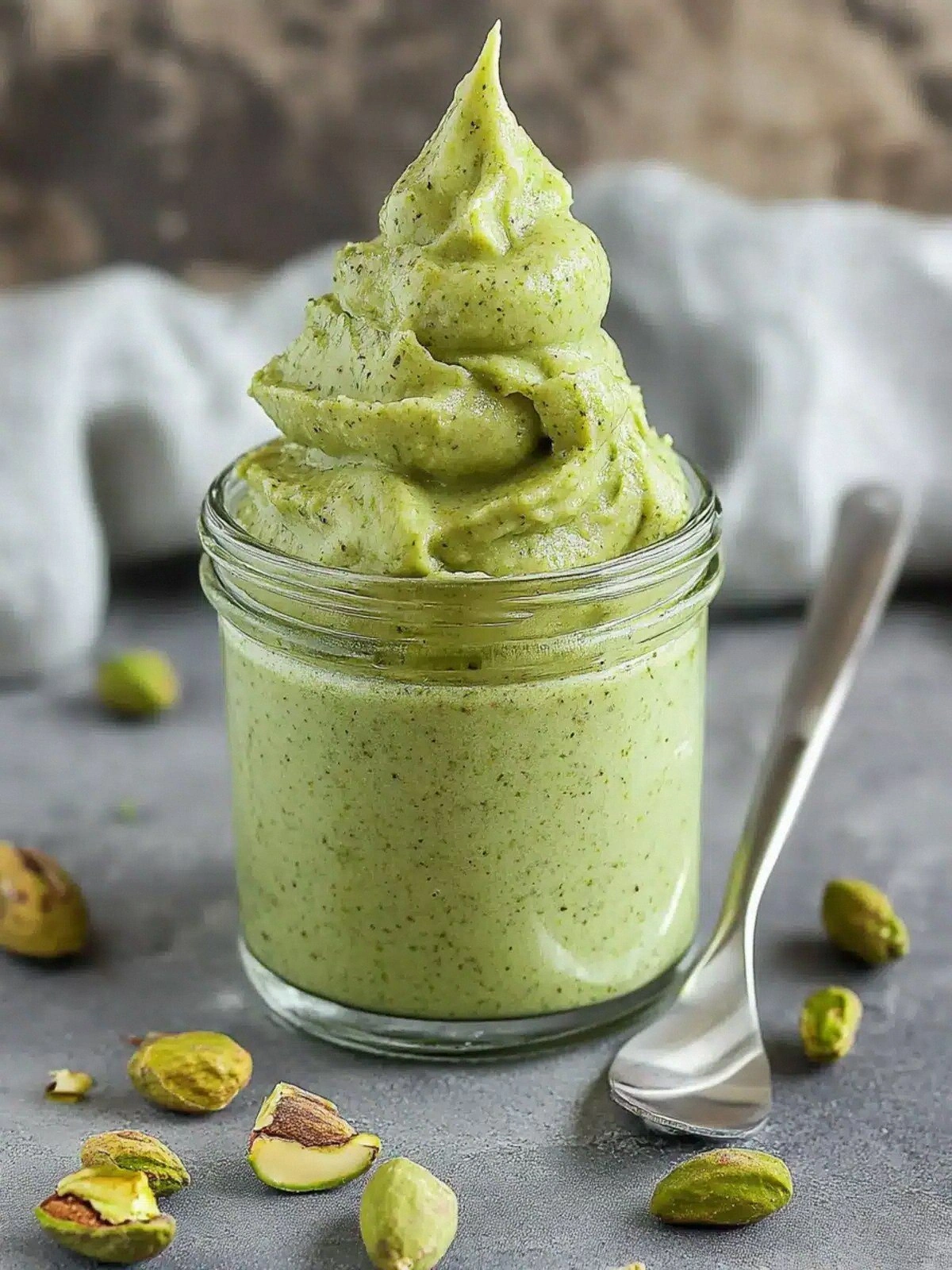
It started with a kitchen mishap that still makes me chuckle every time I think about it. I was trying to salvage a batch of over‑roasted almonds that had turned bitter, and the only thing I could do was throw them into a blender with a splash of almond milk. The result was a thick, nutty slurry that smelled like toasted hazelnuts and a hint of vanilla from the milk. I added a pinch of salt, a half cup of powdered sugar, and a generous handful of raw pistachios, and the mixture turned into a silky, green‑golden sauce that practically sang. The texture was like a velvety mousse, yet it had a subtle crunch from the pistachios that danced on the tongue. I dared myself to taste it, and it exploded with a bright, nutty flavor that made my taste buds do a happy dance. I was honestly tempted to devour the entire batch before anyone else could even get a spoonful. That moment of triumph set the stage for a recipe that would become my new go‑to for pasta, salads, and even desserts.
From that first spoonful, I knew this wasn't just another pistachio dip. The sauce had a depth of flavor that could be described as “earthy meets sweet” with a whisper of citrus from a squeeze of lemon juice I added later. I kept the ratio of pistachios to liquid just right so the sauce was thick enough to cling to noodles but fluid enough to pour over roasted vegetables. The powdered sugar balanced the natural bitterness of the nuts, and the almond milk kept the texture creamy without any dairy. I realized that the secret was in the blending process—slow, steady, and at the right temperature to release the pistachios’ oils. Every time I stir, I hear a gentle hiss that reminds me of a quiet kitchen at midnight. The aroma is so inviting that it instantly turns any meal into a celebration. I dare you to taste this and not go back for seconds. This is hands down the best version you'll ever make at home.
I’ve spent the last month experimenting with variations, and each tweak has only made the sauce more versatile. I swapped almond milk for oat milk to adjust the flavor profile for a vegan crowd, and the result was a lighter, more subtle base that let the pistachio flavor shine. I tried adding a splash of espresso for a mocha twist, and the sauce took on a deep, bittersweet note that paired wonderfully with dark chocolate desserts. I even experimented with a pinch of smoked paprika, which gave the sauce a subtle smoky undertone that works beautifully with grilled meats. Every variation kept the core of the sauce intact, proving that this recipe is a playground for creativity. I’ll be honest — I ate half the batch before anyone else got to try it, and the kitchen was still smelling incredible when I finished. If you've ever struggled with making a creamy nut sauce, you're not alone — and I've got the fix.
Picture yourself pulling this out of the blender, the whole kitchen smelling incredible, and watching the sauce swirl like a green river. The next step is to let me walk you through every single step — by the end, you'll wonder how you ever made it any other way. The journey from raw nuts to silky sauce is a testament to how a few simple ingredients can transform a meal into a masterpiece. This next part? Pure magic. And now the fun part, because I’m about to share the exact technique that gives this sauce its signature texture and flavor.
What Makes This Version Stand Out
- Texture: The sauce coats pasta like velvet, yet the pistachios add a satisfying crunch that breaks the monotony of pure smoothness. The careful blending and controlled heat ensure a silky mouthfeel without any graininess.
- Flavor Balance: Sweet, nutty, and a touch of citrus create a harmonious profile that can elevate both savory and sweet dishes. The powdered sugar balances the natural bitterness of raw pistachios, while the lemon juice brightens the overall taste.
- Versatility: Use it as a pasta sauce, a dip for crudité, a drizzle over roasted cauliflower, or a sweet glaze for cakes. Its neutral yet distinct flavor adapts to many culinary contexts.
- Simplicity: Only four ingredients are needed, all of which can be found in any grocery store. No need for fancy equipment—just a blender and a saucepan.
- Health Conscious: Dairy-free, low in saturated fats, and packed with plant‑based protein from pistachios. It’s a guilt‑free indulgence that satisfies cravings.
- Make‑Ahead Potential: The sauce keeps well in the refrigerator for up to five days, and it can be frozen in portioned containers for future use. Reheat gently to restore its silky texture.
Inside the Ingredient List
The Flavor Base
Almond milk is the backbone of this sauce, providing a neutral, slightly sweet canvas that allows the pistachios to shine. It also adds a creamy mouthfeel without the heaviness of dairy. If you prefer a richer taste, swap almond milk for oat milk; the subtle oat flavor complements the pistachios nicely. Avoid using soy milk because its distinct taste can overpower the delicate nut profile.
The Sweetener
Powdered sugar is crucial for balancing the natural bitterness of raw pistachios. Its fine texture dissolves effortlessly, preventing any gritty texture in the final sauce. If you’re watching your sugar intake, a tablespoon of maple syrup or agave nectar can provide sweetness while adding a subtle caramel undertone. Keep in mind that any liquid sweetener will slightly thin the sauce, so adjust the almond milk accordingly.
The Salt
Salt is the unsung hero that brings all the flavors together. A quarter teaspoon is enough to lift the nutty richness without making the sauce taste salty. If you’re sensitive to sodium, reduce the amount to 1/8 teaspoon, but be prepared for a slightly muted flavor profile. A pinch of sea salt can add a subtle mineral note that enhances the overall complexity.
The Unexpected Star
Pistachios are the star of the show, offering a vibrant green color, a buttery texture, and a subtle, sweet flavor that’s unmistakably nutty. Raw and unsalted pistachios retain the most natural taste, but if you prefer a more intense flavor, lightly roast them for a minute before blending. The amount of pistachios also determines the thickness of the sauce; more pistachios will yield a thicker, more robust texture.
Everything's prepped? Good. Let's get into the real action...
The Method — Step by Step
- Begin by rinsing the pistachios under cold water, then pat them dry with a clean towel. This removes any surface grit that could affect the sauce’s smoothness. Place the pistachios in a high‑speed blender, and add the almond milk gradually to prevent splattering. The mixture should start to thicken as you blend, creating a creamy slurry.
- Add the powdered sugar and salt to the blender. Blend on low speed for 30 seconds, then increase to high and blend until the mixture is silky and free of lumps. The sugar will dissolve completely, and the salt will elevate the nutty flavor. If the sauce appears too thick, add a tablespoon of almond milk at a time until the desired consistency is achieved.
- Transfer the blended mixture to a small saucepan. Cook over medium heat, stirring constantly with a silicone spatula. As the sauce warms, it will begin to thicken further; keep a close eye to avoid scorching. The aroma will shift from raw nuts to toasted, which signals that the sauce is developing depth.
- Reduce the heat to low and let the sauce simmer for 3–4 minutes. This step allows the flavors to meld together and the pistachio oils to fully integrate. The sauce should develop a slightly glossy sheen. If it starts to thicken too much, stir in a splash of almond milk to loosen it.
- Add a squeeze of fresh lemon juice to brighten the sauce and cut through the richness. The acidity also helps preserve the sauce’s vibrant green color. Stir until the lemon juice is fully incorporated, and taste for balance. The sauce should taste sweet, nutty, and just a hint of tartness.
- Remove the saucepan from the heat and let the sauce cool for 5 minutes. This cooling period allows the pistachio fibers to soften, giving the sauce a velvety texture. If you prefer a thicker sauce, let it sit for an additional 10 minutes; the pistachios will release more oil, naturally thickening the mixture.
- Transfer the sauce to a clean jar or airtight container. Label it with the date and store it in the refrigerator for up to five days. The sauce will thicken slightly as it cools, so give it a good stir before using.
- When you’re ready to serve, reheat the sauce gently in a small saucepan over low heat, adding a splash of almond milk if needed. Heat until it reaches a pourable consistency, stirring constantly to prevent separation. The sauce should smell warm and nutty, with a subtle citrus undertone.
That's it — you did it. But hold on, I've got a few more tricks that'll take this to another level...
Insider Tricks for Flawless Results
The Temperature Rule Nobody Follows
Many people think that a higher heat always makes the sauce thicker, but that’s a myth. The key is gentle simmering at low heat, which allows the pistachio oils to emulsify without scorching the sugar. I once tried a high‑heat method, and the sauce turned into a caramelized mess that clung to the pan. The lesson? Keep the heat low, stir constantly, and let the sauce develop its natural thickness over time.
Why Your Nose Knows Best
The aroma of the sauce is your best indicator of readiness. As the pistachios toast, a nutty scent will rise, and when you add lemon juice, a bright citrus perfume will mingle with the nutty base. If you smell a burnt almond scent, the sauce is overcooked. Trust your nose to tell you when the flavor profile is just right.
The 5‑Minute Rest That Changes Everything
After removing the sauce from heat, let it rest for five minutes before storing. This short rest allows the pistachio fibers to settle and the flavors to meld. I’ve found that sauces that rest properly are smoother and more cohesive when reheated. Skipping this step can leave the sauce feeling uneven.
Stirring Technique for a Smooth Finish
Use a silicone spatula that can reach the bottom of the saucepan to stir the sauce. This ensures that all the pistachio bits are incorporated and prevents any lumps from forming. A wooden spoon might not reach the bottom, leaving gritty pockets that ruin the silky texture.
Adding a Splash of Water Before Reheating
When reheating the sauce, adding a tiny splash of water can help restore its original consistency. Water acts as a neutral solvent that helps re‑emulsify the pistachio oils. Add just enough to loosen the sauce, then stir until it’s smooth again.
Creative Twists and Variations
This recipe is a playground. Here are some of my favorite ways to switch things up:
Pistachio & Chocolate Drizzle
Swapping the lemon juice for a tablespoon of dark chocolate syrup adds a bittersweet depth that pairs beautifully with desserts like cheesecake or brownies. The chocolate’s richness complements the pistachios, creating a luxurious glaze.
Pistachio & Herb Infusion
Stir in a handful of fresh basil or mint leaves before blending to give the sauce a fresh, green note. The herbs add a subtle herbal undertone that works well with grilled chicken or roasted vegetables.
Pistachio & Spicy Kick
Introduce a pinch of cayenne pepper or a small diced jalapeño into the blender for a spicy version. The heat will contrast the sweetness, making this sauce a bold accompaniment to tacos or grilled shrimp.
Pistachio & Coconut Cream
Replace almond milk with coconut cream for a richer, tropical flavor. This variation is perfect for pairing with mango salsa or serving over pancakes for a decadent breakfast.
Pistachio & Balsamic Reduction
Simmer a splash of balsamic vinegar with the sauce for a tangy, sweet glaze. The reduction adds depth and works wonderfully on roasted root vegetables or as a drizzle over a fresh salad.
Pistachio & Coffee Infusion
Blend a teaspoon of instant espresso powder into the sauce to give it a subtle coffee undertone. The bitterness balances the sweetness, making this a great complement to chocolate desserts or as a topping for ice cream.
Storing and Bringing It Back to Life
Fridge Storage
Store the sauce in a sealed jar in the refrigerator for up to five days. The pistachio oils will help preserve the sauce’s natural moisture, keeping it creamy and flavorful. When you’re ready to use it, give it a quick stir to recombine any separation.
Freezer Friendly
For longer storage, portion the sauce into freezer‑safe containers and freeze for up to two months. Thaw overnight in the refrigerator, then reheat gently on the stove with a splash of almond milk. The texture will return to silky smoothness, ready for use.
Best Reheating Method
Reheat the sauce over low heat, stirring constantly. Add a tiny splash of water or almond milk to loosen the mixture if it has thickened during storage. Heat just until it reaches a pourable consistency, then serve immediately.