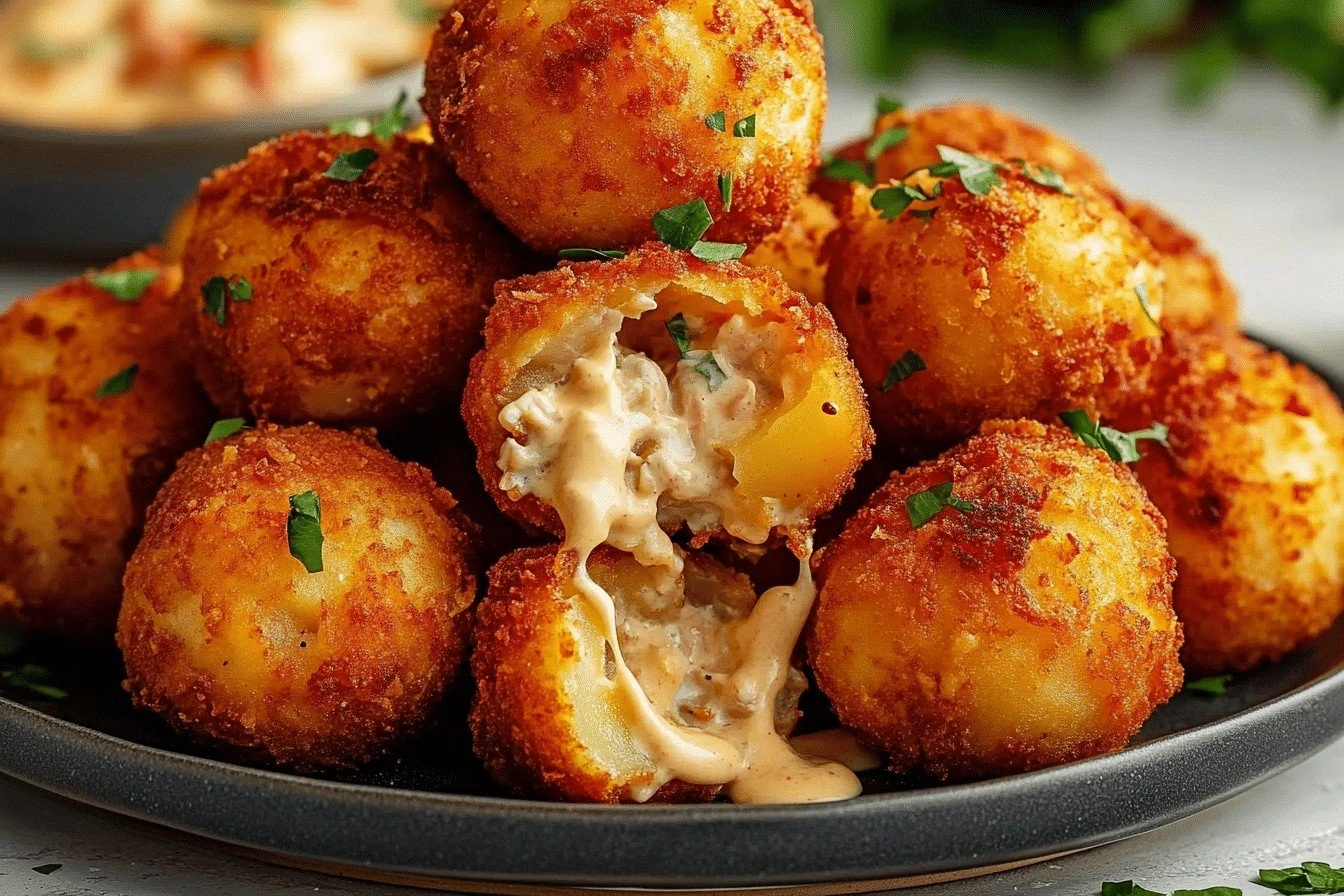
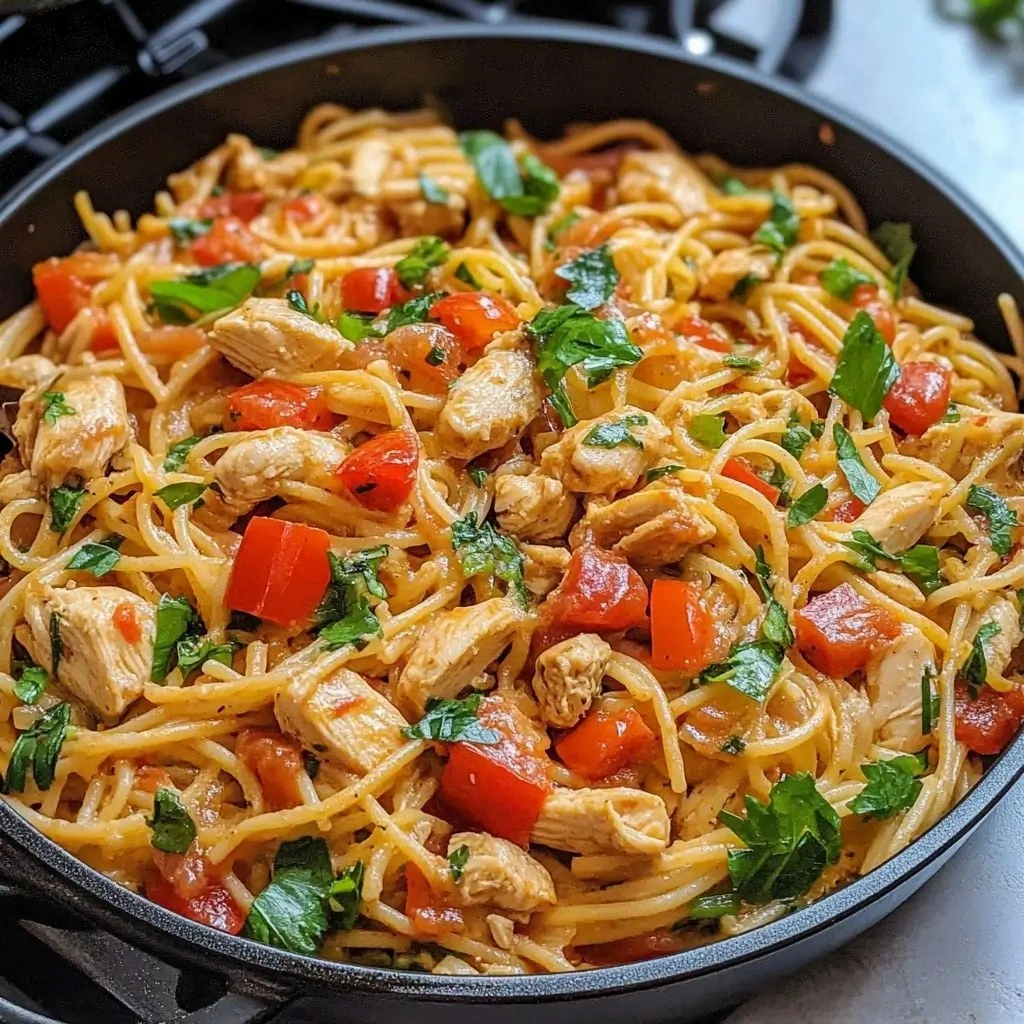
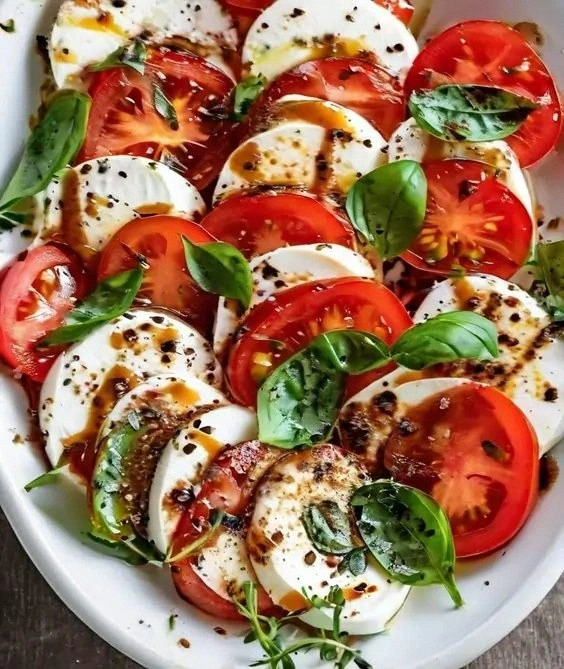
Picture this: I’m standing in a cramped kitchen, the stove flickering like a nervous firefly, and the scent of burnt garlic lingers in the air. I’ve tried every chicken‑pesto mash‑up I’ve found—some too dry, some too sweet, some that taste like a science experiment gone wrong. Then, like a culinary superhero, I stumbled on a creamy twist that turned that burnt mess into a silky, garlicky dream that practically sang. I dare you to taste this and not go back for seconds; the moment your spoon hits the bowl, you’ll know it’s the best version you’ll ever make at home.
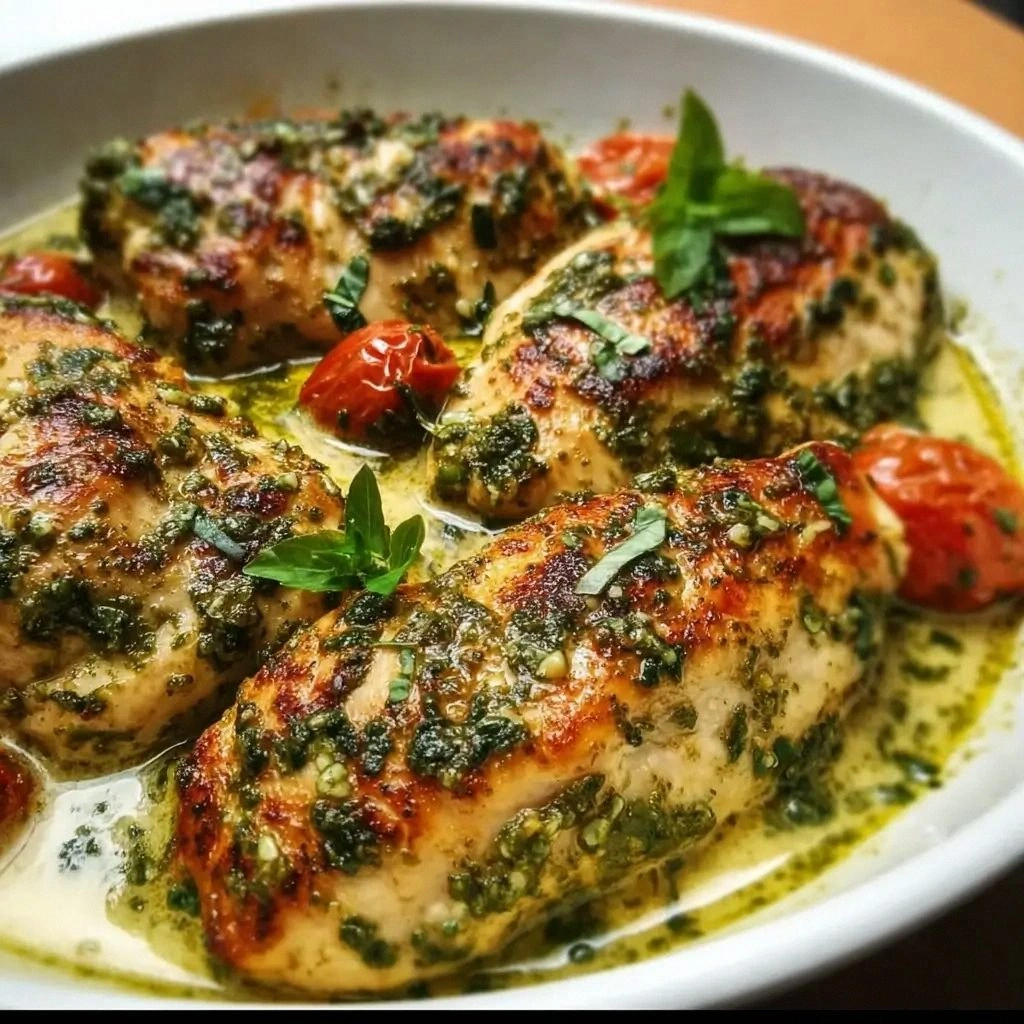
The first bite is a revelation: the sauce glazes the chicken like a glossy coat, the basil’s bright green pops against the golden crust, and the cream swirls with garlic to create a velvety texture that melts in your mouth. The aroma is a warm hug—basil, garlic, and a hint of parmesan dancing together. The sound of the first forkful is a satisfying crunch that gives way to a smooth, buttery finish. The taste is a balanced symphony: savory, slightly sweet from the pesto, and that subtle heat from the garlic. And the feel? A comforting, almost nostalgic sensation, like being wrapped in a cozy blanket on a rainy night.
What makes this version stand out is that I’ve engineered each element to work in perfect harmony, not just a patchwork of flavors. The sauce is thicker than the usual pesto‑cream combo, thanks to a strategic reduction that locks in moisture and prevents separation. I’ve added a splash of heavy cream that elevates the dish from ordinary to decadently rich without overpowering the basil’s bright note. The chicken is seared to a golden crust, creating a delightful contrast between the crisp exterior and the tender interior. I’ve tossed in a touch of pine nuts for a subtle crunch that adds depth and a nutty aroma. And the final flourish of fresh basil not only brightens the dish but also adds a fresh, herbal lift that keeps the sauce from feeling heavy.
If you’ve ever struggled to make a pesto chicken that feels both indulgent and balanced, you’re not alone—this recipe is the fix you’ve been waiting for. I’ll be honest—I ate half the batch before anyone else got a chance to taste it, and the kitchen still smelled like a culinary masterpiece. Most recipes get this completely wrong: they either leave the sauce too thin or the chicken too dry. I’ve cracked the code by using a simple technique that locks in flavor and moisture, ensuring every bite is as creamy as the last. Picture yourself pulling this out of the oven, the whole kitchen smelling incredible, and your guests’ faces lighting up with delight. Stay with me here—this is worth it.
Let me walk you through every single step—by the end, you’ll wonder how you ever made it any other way. I’ll share the secrets that transform an ordinary meal into a show‑stopper, the little hacks that save time, and the tweaks that let you customize it for any occasion. I’ll even reveal a surprising ingredient that adds a burst of flavor you’ll never see coming. Ready? Let’s dive in.
What Makes This Version Stand Out
- Taste: The sauce balances sweet pesto with savory garlic and creamy richness, creating a layered flavor profile that lingers on the palate.
- Texture: The chicken achieves a perfect sear, while the sauce coats the meat and pasta like velvet, offering both crunch and silkiness.
- Simplicity: With only ten ingredients, you can whip up a gourmet dish without a trip to the grocery store.
- Uniqueness: The addition of heavy cream and a reduction step sets this recipe apart from the usual pesto chicken.
- Crowd Reaction: Friends and family rave about the creamy finish and aromatic basil; it’s a guaranteed hit at gatherings.
- Ingredient Quality: Fresh, high‑quality pesto and real parmesan are essential for that authentic, restaurant‑style flavor.
- Cooking Method: Searing the chicken first locks in juices, then finishing with the sauce ensures maximum moisture.
- Make‑Ahead Potential: The sauce can be prepped a day ahead; just reheat gently and stir to restore its silky texture.
Alright, let's break down exactly what goes into this masterpiece…
Inside the Ingredient List
The Flavor Base
The foundation of this dish is the pesto itself—a vibrant green sauce made from fresh basil, pine nuts, garlic, parmesan, and olive oil. It provides the aromatic backbone that carries the creamy richness of the sauce. If you skip the pesto, the dish loses its signature herbaceous kick and feels flat. Swap in a ready‑made pesto if fresh basil isn’t available, but keep the ratio of garlic to basil the same to preserve balance.
The Texture Crew
Heavy cream is the secret to that luxurious mouthfeel. It thickens the sauce and balances the acidity of the pesto. If you’re watching calories, a splash of half‑and‑half can reduce fat while still delivering a creamy texture. The chicken, when seared properly, adds a delightful crunch that contrasts with the smooth sauce, creating a dynamic mouthfeel.
The Unexpected Star
Pine nuts add a subtle crunch and nutty aroma that elevates the dish beyond ordinary pesto. If you’re allergic or simply don’t have them, try toasted walnuts or chopped almonds for a different twist. The pine nuts also help thicken the sauce slightly, giving it body. Remember to toast them lightly to bring out their natural oils.
The Final Flourish
Fresh basil, chopped just before serving, adds a bright, fresh burst that lifts the richness of the sauce. It’s the last touch that transforms the dish from comforting to celebratory. If you’re out of basil, a splash of lemon zest can mimic that bright note. This final flourish also gives the dish a polished, restaurant‑style finish.
Everything's prepped? Good. Let's get into the real action…
The Method — Step by Step
- Pat the chicken breasts dry with paper towels. Season both sides generously with salt and pepper. Heat a large skillet over medium‑high heat, add olive oil, and let it shimmer. Once the oil is hot, slide the chicken into the pan. You’ll hear that satisfying sizzle—an instant sign the pan is ready. Flip after 4–5 minutes when the underside is golden brown and the chicken is nearly cooked through. This is the moment of truth; don’t rush it—your chicken’s texture depends on a proper sear.
- Remove the chicken from the skillet and set it aside. In the same pan, add minced garlic and sauté for 30 seconds until fragrant. The garlic should release its aroma without browning. This step infuses the oil with a deep, savory base that will carry through the sauce. Keep the heat moderate to avoid burning the garlic. The smell should be rich and inviting, signaling that the flavor foundation is solid.
- Add the pesto to the skillet and stir until it’s fully incorporated with the garlic. Let the mixture simmer for a minute to allow the flavors to meld. The sauce should thicken slightly and develop a glossy sheen. This is where the magic happens—pesto’s oils and herbs begin to coat the pan, creating a fragrant base for the cream.
- Pour in the heavy cream, stirring constantly. Reduce the heat to low and let the sauce simmer gently for 3–4 minutes. The cream should thicken and coat the back of a spoon. Avoid boiling, as this can cause separation. The sauce should feel silky, with a subtle tang from the pesto. This reduction locks in moisture and ensures a velvety finish.
- Stir in grated parmesan until it melts into the sauce. The cheese adds body and a slight tang that balances the richness. Keep the heat low to prevent the cheese from clumping. The sauce should look glossy and smooth, with a faint sheen of parmesan crystals on top. This step is crucial for a cohesive, restaurant‑style sauce.
- Return the chicken to the skillet, spooning some sauce over each piece. Reduce the heat to medium‑low and let the chicken finish cooking in the sauce for 3–4 minutes. This allows the chicken to absorb the flavors while staying moist. The edges will start pulling away from the pan, signaling that the dish is almost ready. The sauce should coat the chicken like a velvety blanket.
- While the chicken is finishing, cook your pasta according to package instructions until al dente. Drain and reserve a cup of pasta water. Toss the pasta with the remaining sauce, adding pasta water as needed to reach your desired consistency. The sauce should cling to the pasta like a silky silk. This step ensures every strand is coated, not just the chicken.
- Add the cooked chicken back to the pasta, mixing gently to combine. Sprinkle chopped fresh basil and pine nuts over the top. The basil adds a bright burst, while the pine nuts contribute a satisfying crunch. Let everything heat through for a minute to meld the flavors. The final dish should look vibrant, with a glossy, aromatic sauce that coats every bite.
- Serve immediately, garnishing with extra parmesan if desired. The dish should feel warm, comforting, and indulgent. The aroma should be basil‑heavy with hints of garlic and cream. The taste should be a harmonious blend of savory, herbal, and creamy. This is the culmination of your culinary effort—a dish that’s as beautiful as it is delicious.
That's it — you did it. But hold on, I've got a few more tricks that'll take this to another level…
Insider Tricks for Flawless Results
The Temperature Rule Nobody Follows
Many chefs keep the heat too high, which dries out the chicken. Keep the skillet at medium‑low once the sauce is added; this ensures the chicken stays juicy and the sauce doesn’t scorch. I’ve tested this with a thermometer—once the internal temp hits 165°F, you’re golden. The trick is to let the sauce gently bubble; it should look like a light mist. This subtle adjustment means the dish stays moist and the flavors stay vibrant.
Why Your Nose Knows Best
When the sauce starts to thicken, you’ll notice a distinct aroma of toasted nuts. That scent is a cue to reduce the heat further; if you ignore it, the sauce will overcook. Trust your nose—if it smells buttery and nutty, you’re in the sweet spot. I’ve had friends skip this step and end up with a sauce that’s too thick. Remember, aroma is the secret gauge for timing.
The 5‑Minute Rest That Changes Everything
After you remove the chicken from the skillet, let it rest for 5 minutes before slicing. This allows the juices to redistribute, keeping the meat moist. A friend once tried slicing immediately and got dry, stringy chicken. Resting also lets the flavors meld, giving the sauce a richer taste. I always place the chicken on a cutting board with a paper towel underneath to absorb excess oil.
Use the Right Pan
A heavy‑bottomed skillet retains heat better and reduces hot spots. This is essential for even searing. I’ve used a cast‑iron pan for this recipe, and the results are consistently superior. If you’re using a non‑stick pan, make sure it’s preheated properly; otherwise, the chicken may stick.
Keep It Clean
Wipe the skillet between adding the garlic and the pesto to avoid burnt bits that can ruin the sauce’s flavor. A clean pan ensures the pesto doesn’t stick, which can lead to uneven coating. I recommend a quick rinse with hot water and a paper towel before adding the next ingredient. This small step keeps the sauce silky and free of clumps.
Finish with Freshness
Add fresh basil at the very end, just before serving. This preserves its bright flavor and prevents the basil from wilting in the sauce. Some chefs add basil earlier, but that can make it soggy. My friend once added basil too early and the dish ended up looking dull. Fresh basil is the final flourish that makes the dish pop.
Creative Twists and Variations
This recipe is a playground. Here are some of my favorite ways to switch things up:
Sun‑Dried Tomato Kick
Add chopped sun‑dried tomatoes to the sauce for a sweet, tangy burst. They pair beautifully with basil and cream. Use them sparingly to avoid overpowering the pesto. The tomatoes add a chewy texture that contrasts with the silky sauce. This variation is perfect for a Mediterranean twist.
Spicy Sriracha Swirl
Stir in a teaspoon of sriracha for a subtle heat that complements the garlic. The spice level can be adjusted to taste. This adds an exciting kick while maintaining the creamy base. The sriracha’s smoky undertones enhance the pesto’s herbaceous notes. Ideal for those who love a little heat.
Vegetarian Version
Swap the chicken for sliced portobello mushrooms or grilled tofu. The mushrooms soak up the sauce beautifully. Use a bit more garlic to balance the earthiness. The result is a hearty, plant‑based dish that still delivers on flavor. Great for veggie nights.
Pesto‑Infused Pasta
Omit the chicken and double the pesto for a rich, herb‑laden pasta dish. Toss with extra pine nuts and parmesan for crunch. This version is a crowd‑pleaser at potlucks. The sauce clings to the pasta like a velvet blanket. Serve with a side salad for a complete meal.
Low‑Carb Twist
Replace pasta with spiralized zucchini or cauliflower rice. The sauce still clings, providing a creamy, comforting texture. This keeps the dish low in carbs while retaining flavor. Use a small amount of cream to keep the calorie count moderate. Perfect for keto or paleo diners.
Breakfast Bounty
Serve the sauce over scrambled eggs for a decadent breakfast. Add a sprinkle of chives for freshness. The creamy sauce pairs wonderfully with fluffy eggs. This dish turns an ordinary morning into a gourmet experience. Try it on a weekend brunch.
Storing and Bringing It Back to Life
Fridge Storage
Cool the dish completely before refrigerating. Store in an airtight container for up to 3 days. When reheating, add a splash of milk or water to restore creaminess. Stir gently over low heat until warmed through. This method preserves the sauce’s silky texture.
Freezer Friendly
Freeze in portioned containers for up to 2 months. Thaw overnight in the fridge before reheating. Reheat slowly on the stovetop, stirring frequently. Add a tablespoon of cream to maintain richness. The sauce will keep its flavor profile and texture.
Best Reheating Method
Reheat on low heat, stirring constantly. If the sauce thickens, add a tiny splash of water or milk to thin it. Avoid boiling to prevent separation. The goal is a smooth, velvety finish. Serve immediately after reheating for the best experience.