Ever tried to impress a crowd with something that looked like it had been pulled straight from a Michelin‑star kitchen and ended up with a calamari that was more soggy than crisp? That was me last week, standing in a cramped apartment with a skillet that seemed to have a mind of its own. I had the sauce simmering, the calamari waiting, and a frantic sense of dread that the whole thing would collapse under its own ambition. The panic was almost delicious—like a bad joke that you can’t stop laughing at until it becomes a story you’ll tell for years.
The kitchen smelled like a Mediterranean sunrise: bright tomato, sharp garlic, and a hint of sea salt that made my eyes water just from the memory. The sound of the onions sautéing was a steady, comforting hiss, like waves lapping a quiet shore. My fingers tingled as they handled the fresh calamari, feeling its slick, translucent flesh that promised a buttery bite if handled correctly. The anticipation of that first bite was almost too much to bear; I could almost taste the crunch before it even hit the pan.
What sets this recipe apart isn’t just the crispy texture—it’s the way the sauce lingers on the tentacles, coating them in a zesty, garlicky glaze that feels like a hug from a sun‑kissed Italian villa. The balance of heat from the red pepper flakes and the subtle sweetness of the tomatoes creates a flavor profile that’s both familiar and daring. The use of fresh calamari instead of frozen ensures that every bite is a tender, almost buttery experience, not the rubbery disappointment that most people settle for. I’m telling you, this is hands down the best version you’ll ever make at home.
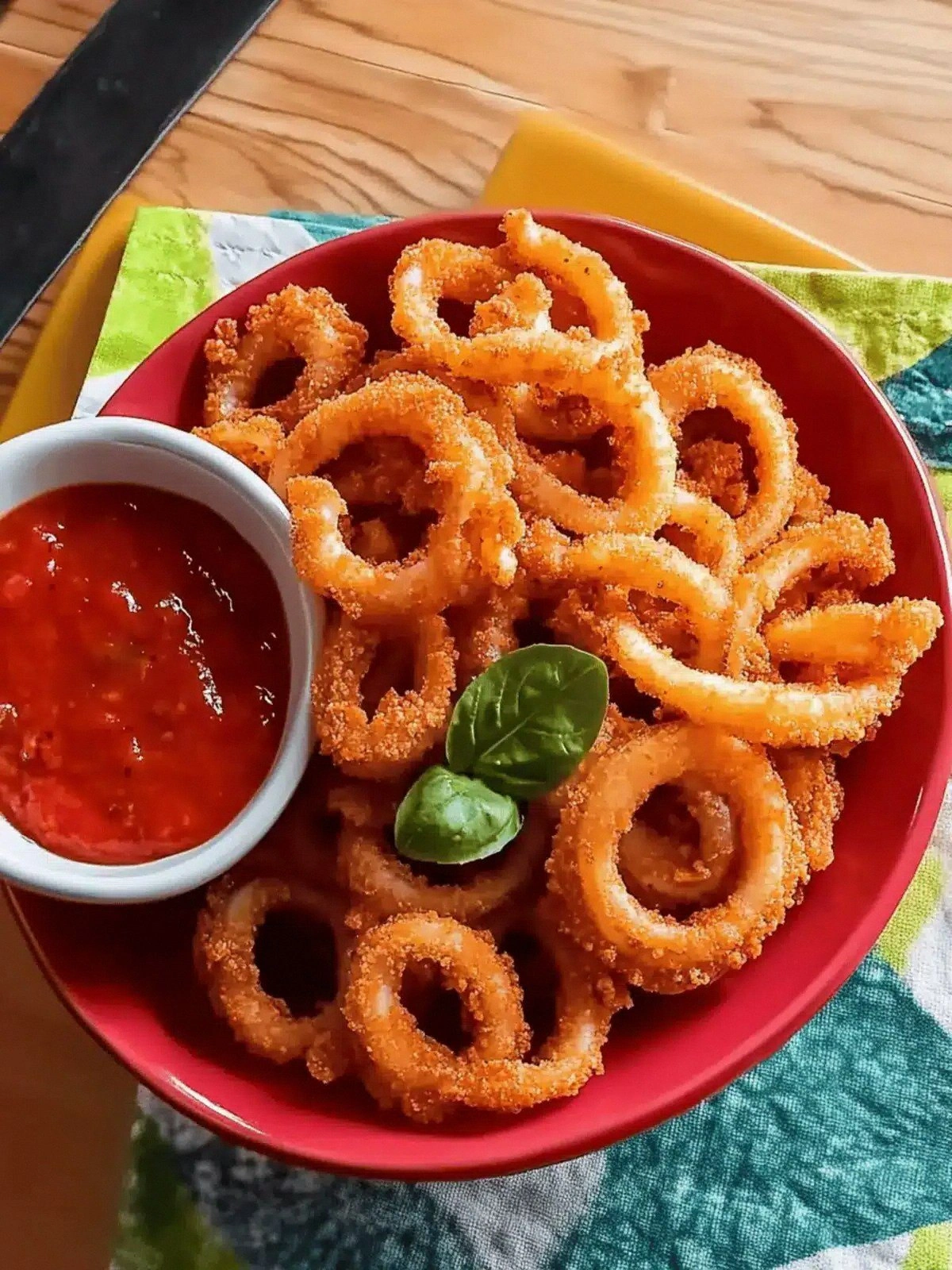
I’ll be honest—once I tasted the first bite, I ate half the batch before anyone else even got a fork. The moment the crisp edges shattered like thin ice against your teeth, you’re hooked. The sauce, thick and bright, clings to the calamari like a velvet blanket, leaving a lingering citrusy aftertaste that begs for more. The contrast between the airy, golden batter and the succulent, briny seafood is a dance you can’t resist.
Most recipes get this completely wrong, focusing on frying until the calamari is over‑done or the sauce turns into a tomato mush. Here, we’re talking about a quick, high‑heat sear that locks in moisture and a sauce that’s bright enough to lift the dish into the realm of culinary fireworks. The technique I’ll share involves a secret step that keeps the batter crisp without absorbing excess oil—trust me, it’s pure magic. Picture yourself pulling this out of the oven, the whole kitchen smelling incredible, and everyone in the room already craving seconds.
Okay, ready for the game‑changer? Let me walk you through every single step—by the end, you’ll wonder how you ever made it any other way.
What Makes This Version Stand Out
- Taste: The sauce is a vibrant medley of diced tomatoes, fresh garlic, and a splash of red pepper flakes that creates a bright, slightly sweet heat that perfectly balances the briny calamari. The Italian herbs add a fragrant herbal note that lifts the entire dish.
- Texture: The batter is light and airy, with a golden crust that crunches on the first bite and then yields to a tender, moist interior. The calamari itself stays plump, avoiding the rubbery texture common in many fried seafood recipes.
- Simplicity: With only nine ingredients and a single pan, this dish is a masterclass in how to make a restaurant‑level plate at home without a lot of fuss. Every step is straightforward, so even kitchen novices can nail it.
- Uniqueness: The use of a quick, high‑heat sear in a cast‑iron skillet gives the batter a caramelized edge that’s rarely found in standard calamari recipes. The addition of diced tomatoes right in the pan adds moisture and flavor that keeps the dish from drying out.
- Crowd Reaction: Friends who’ve tried this version rave about the crispness and the sauce’s bright punch. It’s the kind of dish that turns a casual dinner into a memorable gathering.
- Ingredient Quality: Fresh, high‑quality calamari is key—look for firm, clean, and lightly translucent flesh. The canned diced tomatoes should be full‑flavored, not watery, to avoid thinning the sauce.
- Cooking Method: The high‑heat sear technique not only crisps the batter but also caramelizes the sugars in the tomatoes, creating a depth of flavor that’s hard to replicate with lower temperatures.
- Make‑ahead Potential: While best served fresh, the sauce can be prepared a day ahead, allowing the flavors to meld even further. The fried calamari can be reheated briefly in a skillet to regain crispness.
Inside the Ingredient List
The Flavor Base
The diced tomatoes are the heart of the sauce. Their natural acidity brightens the dish, cutting through the richness of the olive oil and the batter. If you skip them, the sauce loses its depth and becomes a simple olive oil glaze. A good quality can—look for “diced” rather than “crushed” for texture.
Garlic is the aromatic backbone, providing a punch that lingers on the palate. Crushing the cloves before adding them releases essential oils, creating a more robust flavor. If you’re sensitive to raw garlic, you can sauté the cloves until just translucent to mellow the bite.
Onions add a mellow sweetness that balances the tomato’s acidity. Sautéing until golden caramelizes the sugars, turning the sauce into a silky, slightly sweet medium. Skipping onions will leave the sauce flat and one‑dimensional.
The Texture Crew
The fresh calamari is the star. Freshness ensures a tender bite that doesn’t become rubbery. Look for firm, translucent tentacles and a mild sea scent. If you’re using frozen, thaw them completely and pat dry to avoid excess moisture.
Olive oil is the medium that carries the flavors and keeps the batter from sticking. Choosing a light or extra‑light olive oil prevents a bitter undertone that can overpower the delicate seafood. If you prefer a richer flavor, a splash of extra‑virgin olive oil at the end adds a silky finish.
The batter itself is made from a simple flour coating, seasoned with Italian herbs and red pepper flakes for heat. The flour’s protein content creates a crisp crust when heated to the right temperature. If you want a gluten‑free version, substitute almond flour or a gluten‑free blend.
The Unexpected Star
Red pepper flakes add a subtle, lingering heat that complements the tomato’s sweetness. Too much, and the dish becomes spicy; too little, and it feels bland. A pinch is enough to bring the sauce to life without overpowering the seafood.
Italian herbs—such as oregano, basil, and thyme—infuse the batter with a fragrant herbal note that elevates the dish. Fresh herbs work best, but dried herbs can be used if fresh isn’t available. If you’re adventurous, add a dash of crushed fennel seeds for a sweet, aniseed flavor.
The Final Flourish
Salt and pepper are essential for bringing all the flavors together. Season the batter before coating the calamari to avoid a bland crust. Taste the sauce before serving and adjust the seasoning as needed.
A squeeze of fresh lemon juice right before serving adds brightness that cuts through the richness of the fried batter. The acidity also helps to balance the tomato’s sweetness, creating a more harmonious flavor profile.
Everything's prepped? Good. Let's get into the real action.
The Method — Step by Step
- Begin by heating a heavy skillet—cast iron or stainless steel works best—over medium‑high heat. Add the tablespoon of olive oil and let it shimmer without smoking. This pre‑heat step ensures the batter will sear instantly. Keep an eye on the oil; if it starts to bubble, reduce the heat slightly.
- While the pan warms, combine the diced tomatoes, minced garlic, finely chopped onion, Italian herbs, and red pepper flakes in a bowl. Stir until the mixture is evenly distributed. The aromatics will begin to soften as the pan heats, creating a fragrant base for the sauce.
- In a separate shallow dish, whisk the flour with a pinch of salt and pepper until smooth. This dry batter will coat the calamari, giving it that coveted golden crust. If you like a bit of crunch, add a tablespoon of cornmeal to the mix.
- Pat the calamari dry with paper towels to remove any excess moisture. Moisture is the enemy of crispness; a dry surface allows the batter to adhere perfectly. Dip each tentacle into the flour mixture, shaking off any excess, and place them carefully in the hot skillet.
- Sear the coated calamari for 2–3 minutes on each side, or until a golden crust forms and the tentacles feel firm yet still slightly springy. Avoid overcrowding the pan; the pieces need space to sear properly. If the batter starts to burn, lower the heat slightly.
- Once the calamari is seared, remove it from the skillet and set aside on a plate lined with paper towels. This step prevents excess oil from soaking into the batter. Keep the cooked calamari warm; you’ll finish them off in the sauce later.
- Reduce the heat to medium and add the tomato mixture to the same skillet. Let it simmer for 5–7 minutes, stirring occasionally, until it thickens into a glossy sauce. The tomatoes will caramelize, adding a sweet depth that’s essential to the dish.
- Return the fried calamari to the skillet, gently tossing them in the sauce until they are evenly coated. Let them simmer together for an additional 2–3 minutes, allowing the flavors to mingle. This final step ensures the batter absorbs a hint of tomato richness.
- Finish with a squeeze of fresh lemon juice and a sprinkle of freshly ground pepper. The acidity brightens the dish, cutting through the oiliness. Taste the sauce; if it’s too thick, add a splash of water or a little extra olive oil to reach your desired consistency.
That's it — you did it. But hold on, I've got a few more tricks that'll take this to another level.
Insider Tricks for Flawless Results
The Temperature Rule Nobody Follows
Heat the skillet until it’s just below smoking point; you’ll see a thin film of oil that shimmers. This high temperature is essential for a crisp batter that doesn’t soak up oil. If the pan is too cool, the batter will steam instead of sear, resulting in a soggy texture. A quick test: drop a small amount of batter; if it sizzles immediately, you’re ready.
Why Your Nose Knows Best
The aroma of garlic and onions sizzling is a reliable indicator that the base is developing flavor. If you don’t smell that fragrant blend within a minute, reduce the heat or add a bit more oil. A lack of aroma often means the pan is too hot, causing the aromatics to burn before they can release their essences.
The 5‑Minute Rest That Changes Everything
Let the fried calamari rest on a wire rack for 5 minutes before serving. This allows excess oil to drip off, preserving the crispness. If you serve them straight from the skillet, they’ll be greasy and lose their crunch. A simple trick: place the rack on a sheet pan to catch drips and keep the kitchen tidy.
Use Fresh Herbs, Not Dried
Fresh basil or oregano added at the end of cooking infuses the dish with bright, aromatic flavors that dried herbs can’t match. If you’re short on fresh herbs, a pinch of dried will do, but the flavor will be more muted. Always taste the sauce before adding fresh herbs to avoid an overpowering herbal bite.
Keep the Calamari Dry
Patting the calamari dry before battering is crucial. Moisture on the surface creates steam pockets that prevent the batter from adhering properly. A dry surface ensures the batter forms a uniform crust that crisps evenly. If you’re in a hurry, use a clean kitchen towel to blot the tentacles.
Serve Immediately, Don’t Let It Sit
The moment the calamari leaves the skillet, the batter begins to soften as it cools. Serve it right away to enjoy the contrast between the hot, crisp exterior and the tender interior. If you must hold it, keep it warm in a low oven (around 200°F) to preserve texture.
Creative Twists and Variations
This recipe is a playground. Here are some of my favorite ways to switch things up:
Spicy Cajun Calamari
Swap the Italian herbs for a Cajun spice blend and increase the red pepper flakes to 1 teaspoon. The result is a smoky, fiery version that pairs wonderfully with a cool yogurt dip. This variation is perfect for a summer barbecue or a spicy dinner party.
Herb‑Infused Parmesan Crust
Add 1/4 cup grated Parmesan to the flour batter for a nutty, savory crust. The cheese melts slightly during searing, creating a golden, crispy shell with a subtle umami kick. Serve with a drizzle of lemon‑herb butter for an extra layer of decadence.
Gluten‑Free Delight
Replace the all‑purpose flour with a gluten‑free blend or almond flour for a lighter texture. The batter will be slightly more delicate, but the crispness remains. This version is ideal for guests with dietary restrictions.
Vegan Calamari Alternative
Use a plant‑based seafood substitute like “crab cakes” made from jackfruit. Coat them in the same batter and fry as directed. The sauce stays the same, delivering a satisfying vegan option that still feels indulgent.
Calamari with Creamy Pesto Sauce
Swap the tomato sauce for a basil‑pesto cream made with Greek yogurt and a splash of olive oil. The creamy, herbaceous sauce contrasts beautifully with the crispy batter. Top with toasted pine nuts for a delightful crunch.
Storing and Bringing It Back to Life
Fridge Storage
Store leftover calamari in an airtight container in the refrigerator for up to 2 days. Keep the sauce separate until ready to serve to maintain the crispness of the batter. When reheating, gently warm the sauce in a saucepan and add the calamari just before serving.
Freezer Friendly
Freeze the fried calamari in a single layer on a parchment‑lined tray before transferring to a freezer bag. They remain good for up to 3 months. Thaw overnight in the refrigerator and reheat in a skillet for a few minutes to restore crispness.
Best Reheating Method
Reheat by placing the calamari in a hot skillet over medium heat for 2–3 minutes. Add a splash of water or broth to the pan to create steam, which helps keep the batter from drying out. Finish with a sprinkle of fresh herbs to revive the aroma.