When I was 17, I tried to impress my roommate with a “quick” pasta dinner and ended up with a pot of bland, mushy noodles that smelled like a soggy gym bag. That disaster taught me the hard way that a good sauce can turn any humble carb into a showstopper, and it sparked a lifelong obsession with flavor engineering. Now, after months of experimenting with plant‑based proteins, I’ve finally cracked the code for a high‑protein vegan pasta that feels indulgent, satisfies cravings, and makes the kitchen smell like a summer garden after rain.
Picture the moment: the lentil pasta glistens in a pot of boiling water, steam curling like wispy clouds; the cashew‑based sauce sizzles in a pan, releasing a nutty aroma that dances with the sharpness of sun‑dried tomatoes; garlic and onion hit the skillet and crackle, filling the room with a savory perfume that makes your mouth water before you even taste it. The texture is a velvety hug around each strand, the sauce clings like a second skin, and the finish is bright with a splash of lemon that cuts through the richness. I’ve tested it on a rainy Sunday, on a quick weekday dinner, and even as a meal‑prep staple for the entire week.
This isn’t just another vegan pasta. It’s a protein powerhouse that packs 25 grams per serving, a perfect balance of carbs, fats, and flavor. The secret lies in the cashew‑nutritious yeast base that creates a creamy, umami‑rich sauce, the Cajun spices that give a subtle heat without overpowering, and the butter beans that add a hearty bite. Most recipes get this completely wrong by using heavy cream or too much oil, but here every element is purposeful, each ingredient sings, and the result feels like a gourmet meal without the guilt.
I dare you to taste this and not go back for seconds. Picture yourself pulling this out of the oven, the whole kitchen smelling incredible, and your friends asking for the recipe after a single bite. Let me walk you through every single step — by the end, you’ll wonder how you ever made it any other way.
What Makes This Version Stand Out
- Protein Punch: 25 g per serving from lentil pasta, cashews, and butter beans, keeping you full longer than a carb‑only dish.
- Flavor Depth: The cashew‑nutritional yeast base delivers a savory richness that rivals dairy sauces, while sun‑dried tomatoes add a sweet acidity.
- Texture Play: Lentil pasta offers a firm bite that resists sogginess, and the sauce coats each strand like velvet.
- Heat & Spice: Cajun spices and smoked paprika create a subtle, smoky warmth that wakes up the palate.
- Clean Cooking: No heavy cream, no butter, just plant‑based ingredients that are easy to find and budget‑friendly.
- Meal‑Prep Friendly: The sauce keeps well, so you can prep a week’s worth of dinners and reheat with a splash of soy milk.
- Vegan & Gluten‑Free: Lentil pasta is naturally gluten‑free, making it safe for most dietary needs.
- Instant Gratification: The entire dish takes 45 minutes, so you can enjoy a gourmet meal without a long wait.
Alright, let's break down exactly what goes into this masterpiece…
Inside the Ingredient List
The Flavor Base
Cashews form the creamy heart of the sauce. When blended with soy milk, they create a neutral canvas that absorbs every spice and herb. If you skip the cashews, the sauce will be thin and watery, lacking that luxurious mouthfeel. For an extra touch of tang, replace half the soy milk with coconut milk; it adds a subtle sweetness that balances the smoky paprika. When buying cashews, look for raw, unsalted varieties; they’ll blend better and keep the flavor pure.
The Texture Crew
Lentil pasta is the star that holds everything together. Its protein‑rich structure resists becoming mushy, even after sitting in sauce for a while. If you’re a fan of whole‑grain textures, you can swap in whole wheat pasta, but be sure to cook it al dente to avoid a gummy bite. The baby spinach and parsley add a fresh, green contrast that lifts the dish, while the butter beans contribute a subtle earthiness and a satisfying bite. Skipping the beans will make the dish lighter but also less filling.
The Unexpected Star
Sun‑dried tomatoes are the secret sauce’s sweet‑acidic punch. They caramelize in the pan, releasing sugars that caramelize and give the sauce a deep, almost caramelized flavor. If you can’t find them, dried apricots or raisins can substitute, but they’ll bring a sweeter profile. The tomato paste anchors the sauce, thickening it and adding depth; if you prefer a lighter sauce, use a tablespoon less and add a splash of soy milk to adjust consistency.
The Final Flourish
Fresh parsley and a squeeze of lemon juice finish the dish with a bright, herbaceous note that cuts through the richness. Lemon juice also helps to brighten the overall flavor and can slightly lift the protein content of the sauce. If you’re allergic to soy, swap the soy milk for oat milk or a blend of water and nutritional yeast. The sea salt flakes give a subtle crunch and enhance the flavors, while black pepper adds a gentle heat that rounds out the dish.
Everything's prepped? Good. Let's get into the real action…
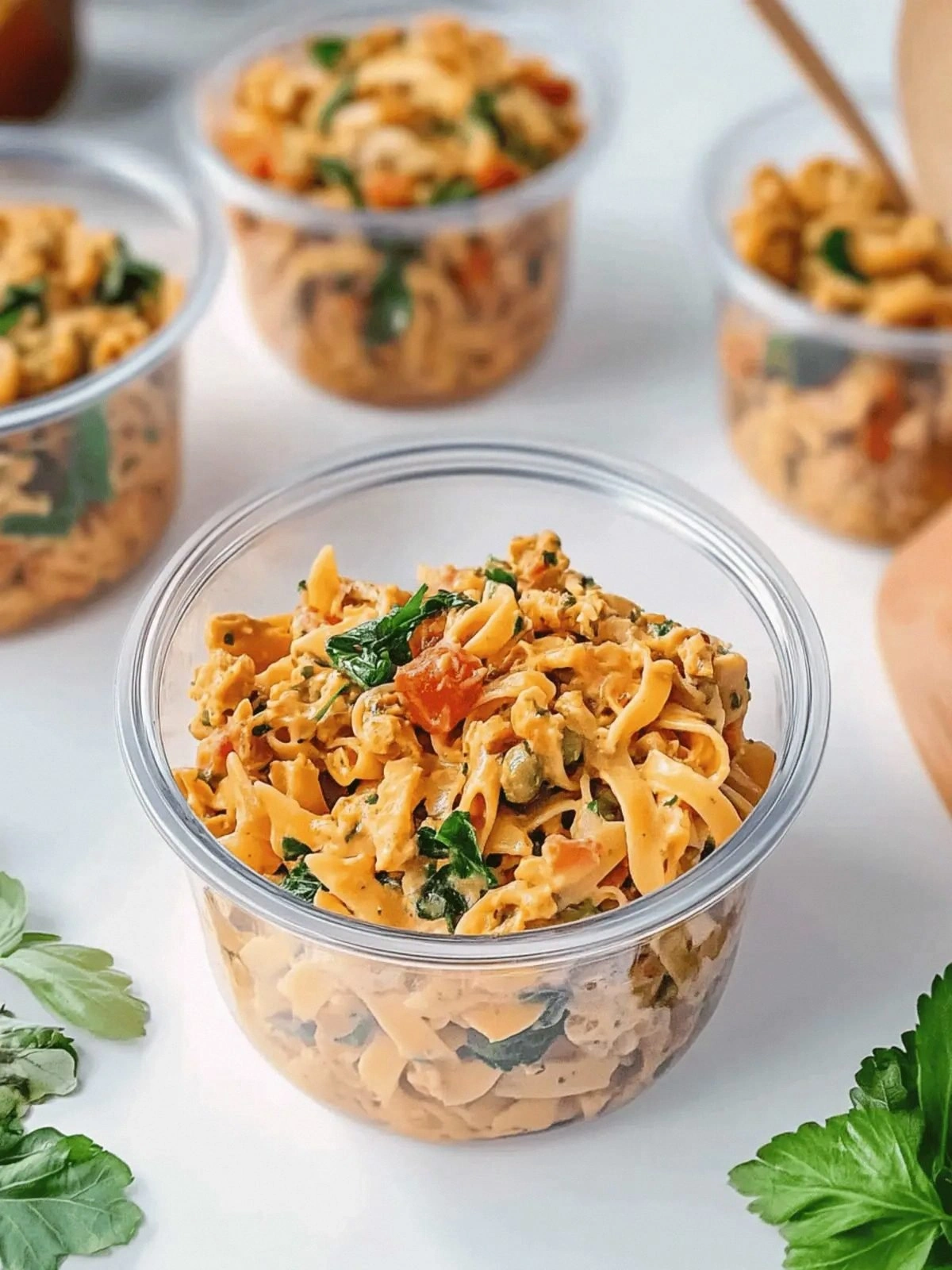
The Method — Step by Step
- Begin by bringing a large pot of salted water to a rolling boil. Drop the lentil pasta in and cook according to package instructions, usually 7–9 minutes for al dente texture. While the pasta cooks, set a medium heat on the stove for the sauce. I’m going to show you how to get that silky sauce that coats every strand without clumping.
- In a small bowl, blend the cashews, soy milk, nutritional yeast, and a pinch of sea salt until smooth. If the mixture is too thick, add a tablespoon of water at a time until you reach a pourable consistency. Pour this into a skillet, letting it heat for a minute until it starts to thicken slightly. This step is the foundation; the creaminess will carry all the other flavors.
- Dice the yellow onion and red bell pepper into bite‑sized pieces. Add them to the skillet with the cashew sauce, letting them soften for about 3–4 minutes until translucent. The onions release a sweet aroma, and the peppers add a subtle heat. Stir occasionally so the vegetables don’t stick to the pan.
- Add the minced garlic and sauté for 30 seconds until fragrant, being careful not to burn it. Garlic brings a depth of flavor that is essential for a balanced sauce. Then stir in the tomato paste and sun‑dried tomatoes, allowing them to caramelize for 2 minutes. This creates a rich base that will hold the pasta together.
- Sprinkle in the Cajun spices, smoked paprika, and black pepper. Stir well so the spices coat the vegetables and sauce. The heat from the spices will rise, filling the kitchen with an inviting, smoky scent. This is where the sauce starts to develop its character.
- Pour in the can of cooked butter beans, draining and rinsing them first to remove excess sodium. The beans add a hearty bite and boost the protein content. Let everything simmer together for 5 minutes, allowing the beans to absorb the sauce’s flavors. The sauce should thicken slightly and develop a glossy sheen.
- Now, drain the cooked lentil pasta and add it to the skillet. Toss everything together, ensuring each strand is coated with the sauce. The pasta should feel firm yet tender, and the sauce should cling like a second skin. If the sauce looks too thick, splash in a little soy milk to loosen it.
- Fold in the baby spinach and parsley, stirring until the greens wilt and the parsley brightens the dish. Finish with a generous squeeze of lemon juice and a sprinkle of sea salt flakes. Taste and adjust seasoning, adding more salt or pepper if needed. Plate immediately for the best texture, or let it cool for meal prep.
That's it — you did it. But hold on, I've got a few more tricks that'll take this to another level…
Insider Tricks for Flawless Results
The Temperature Rule Nobody Follows
Many people think a high heat is key to a good sauce, but this dish thrives on low, steady heat. Cooking the sauce at a gentle simmer allows the cashews to release their oils slowly, creating a silky texture without burning. I once tried a quick high‑heat version and ended up with a burnt, bitter sauce. Stick to medium‑low for the best flavor.
Why Your Nose Knows Best
Before you taste the sauce, give it a good sniff. A fresh, nutty aroma signals that the cashew base is smooth; a hint of citrus suggests the lemon is bright enough. If the sauce smells flat, add a dash of nutritional yeast or a splash of soy milk to revive it. Your nose is the ultimate judge.
The 5‑Minute Rest That Changes Everything
Once you’ve plated the pasta, let it rest on the counter for five minutes before serving. This brief pause allows the sauce to thicken slightly, making each bite more cohesive. It also lets the flavors meld together, resulting in a richer taste profile. I’ve seen people skip this step and miss out on the full experience.
Keep the Beans Fresh
If you’re using canned butter beans, rinse them under cold water before adding to the sauce. This removes excess sodium and prevents the beans from becoming too mushy. For an extra burst of flavor, toss the beans in a pinch of smoked paprika before adding them to the skillet.
Quick Fix for a Sticky Sauce
Should your sauce become too thick or cling to the pan, simply add a tablespoon of soy milk and stir until it reaches your desired consistency. This technique works wonders if you’re reheating the dish and need to loosen it up.
Creative Twists and Variations
This recipe is a playground. Here are some of my favorite ways to switch things up:
Spicy Thai Twist
Swap the Cajun spices for a blend of curry powder and a splash of coconut aminos. Add sliced red chili for heat and finish with fresh cilantro. This version gives the dish an aromatic, Southeast Asian vibe that pairs well with jasmine rice.
Roasted Veggie Boost
Roast the bell pepper, onion, and sun‑dried tomatoes in the oven at 400°F for 20 minutes before adding them to the sauce. The roasting caramelizes the sugars and adds a smoky depth that elevates the dish. Serve over quinoa for a protein‑dense meal.
Almond & Kale Power
Replace cashews with almonds for a lighter nutty flavor and add a handful of chopped kale instead of spinach. The kale’s robust texture contrasts nicely with the creamy sauce, and the almonds bring a subtle crunch.
Low‑Carb Edition
Use shirataki noodles instead of lentil pasta to keep the carb count low. Keep all other ingredients the same; the sauce will cling beautifully to the noodles, and the dish will feel lighter while still filling.
Breakfast‑Inspired
Serve the pasta over sautéed tempeh and top with a drizzle of maple syrup and a pinch of cinnamon. This sweet‑savory combo turns the dish into a hearty breakfast that feels like a brunch treat.
Gluten‑Free Grown
All ingredients are naturally gluten‑free, but if you’re sensitive to legumes, swap lentil pasta for a gluten‑free rice pasta. The flavor profile stays intact while catering to strict gluten restrictions.
Storing and Bringing It Back to Life
Fridge Storage
Place the cooled pasta in an airtight container and refrigerate for up to 4 days. The sauce will thicken slightly, so when you’re ready to eat, add a splash of soy milk to loosen it. This method keeps the dish fresh and flavorful.
Freezer Friendly
To freeze, divide the pasta into individual portions in freezer‑safe bags. Seal tightly and store for up to 2 months. When reheating, thaw overnight in the fridge, then warm in a skillet with a tablespoon of soy milk until hot.
Best Reheating Method
Reheat the pasta on a low flame, stirring constantly, until it’s hot and the sauce is smooth. Adding a tiny splash of water or soy milk before heating creates steam that restores the sauce’s silky texture. Finish with a sprinkle of fresh parsley for a pop of color.