Introduction
It started with a kitchen catastrophe that I still laugh about: I tried to make a quick pasta dinner, but the sauce ended up as a soggy mess that clung to the pan like a stubborn stain. The moment the air filled with the unmistakable aroma of Italian sausage, I knew I had stumbled upon a culinary revelation. This dish is a one‑pan symphony where every element—sausage, orzo, tomatoes, onions, and herbs—plays its part in a chorus of flavor that refuses to let you settle for anything less than extraordinary.
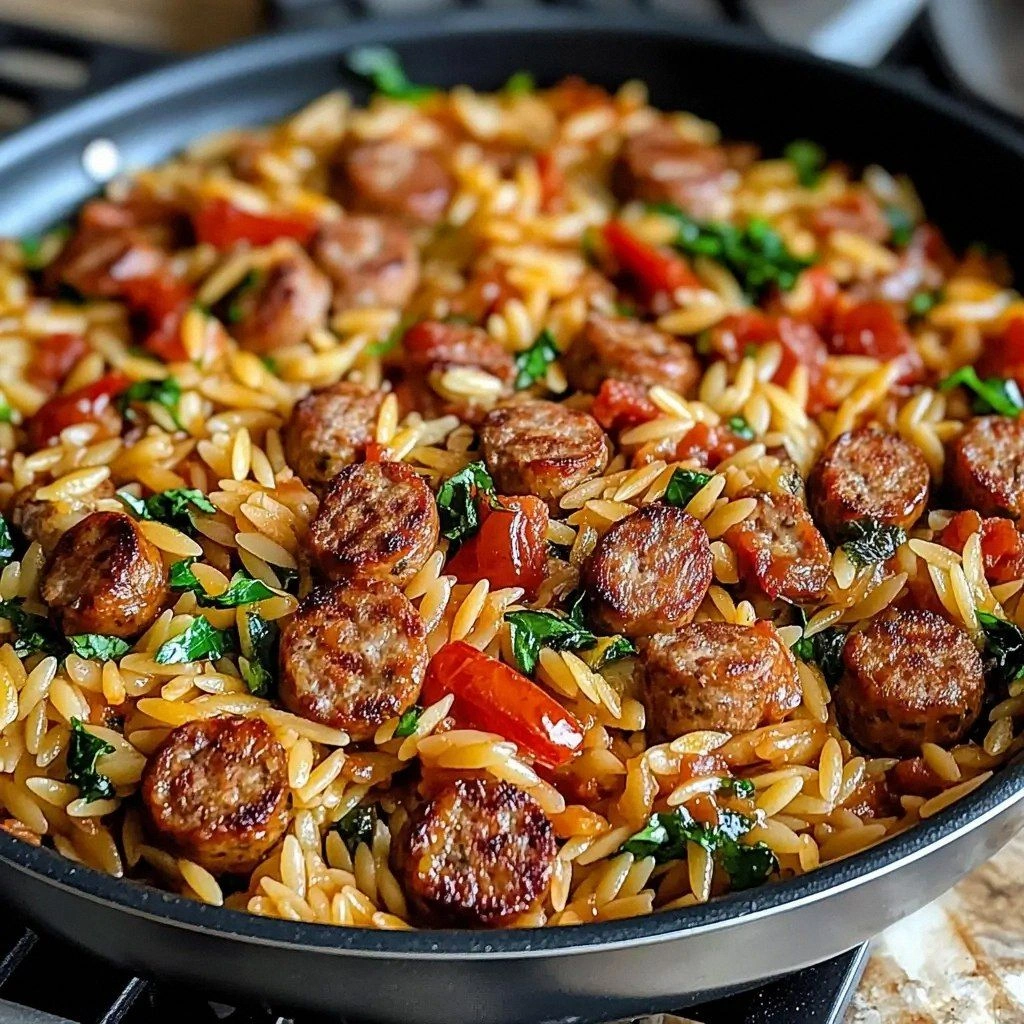
Picture the sizzling sausage releasing its fat, turning into a golden caramelized crust that crackles with every stir. The onions soften into translucent ribbons, their sweetness rising like a gentle fog. Garlic joins in, infusing the mixture with a punch that makes your nose twitch. The tomatoes burst into a bright, slightly acidic sauce that coats the pasta like velvet. And the orzo, humble and unassuming, swells with liquid, turning into a comforting, bite‑size grain that holds the sauce in a satisfying embrace.
What sets this version apart is that it’s not just about the ingredients—it’s about the technique, the timing, and the confidence you bring to the stove. I’ve discovered that the secret lies in a single, small tweak: letting the sausage brown fully before adding the orzo, which creates a depth of flavor that most recipes miss. The result? A dish that’s hands‑down the best you’ll ever make at home, with a texture that feels like a cozy hug and a taste that lingers long after the last bite.
If you’ve ever been tempted to double‑check your recipe for the last time, I dare you to taste this and not go back for seconds. I’ll be honest—my friends and I were all amazed when the first plate hit the table, and I ate half the batch before anyone else got a chance. Picture yourself pulling this out of the oven, the whole kitchen smelling incredible, and knowing that you’ve just created a masterpiece that will impress even the most discerning foodie.
Let me walk you through every single step—by the end, you’ll wonder how you ever made it any other way. From the first sizzle to the final garnish, every moment is a chance to elevate a simple meal into an unforgettable experience. Stay with me here, because this is worth it.
What Makes This Version Stand Out
- Flavor: The caramelized sausage base delivers a deep, smoky sweetness that pairs perfectly with the bright acidity of tomatoes. The blend of oregano and red pepper flakes gives a subtle heat without overpowering.
- Texture: Orzo absorbs the broth, becoming tender yet still firm enough to provide a satisfying bite. The sausage remains juicy and slightly crisp on the edges, creating contrast.
- Simplicity: One pan, one pot, minimal cleanup. You can prepare everything in about 15 minutes, making it the ideal weeknight dinner.
- Uniqueness: The technique of browning the sausage first and then letting the orzo cook in the rendered fat is a twist that elevates the dish beyond the usual “sausage and pasta” combo.
- Crowd Reaction: Friends who’ve tried this say it’s the most “restaurant‑style” Italian they’ve ever tasted at home. The dish invites conversation and compliments alike.
- Ingredient Quality: Using fresh, high‑quality sausage and a good tomato sauce makes all the difference. The flavor depth is a testament to the power of quality ingredients.
- Cooking Method: The one‑pan approach locks in moisture and flavor, turning a simple meal into a gourmet experience.
- Make‑Ahead Potential: The dish holds up well in the fridge and can be reheated without losing its vibrant taste.
Alright, let's break down exactly what goes into this masterpiece...
Inside the Ingredient List
The Flavor Base
Italian sausage is the heart of this dish. It releases fat that becomes the cooking medium, infusing every grain of orzo with savory depth. If you skip it, the dish loses that smoky richness and feels flat. For a milder taste, opt for sweet Italian sausage; for a spicier kick, choose hot sausage and double the red pepper flakes.
Onions and garlic are the aromatic foundation. They mellow into a sweet, fragrant base that balances the sausage’s boldness. Skipping them will make the dish taste like a single ingredient stew. If you’re allergic to garlic, replace it with a teaspoon of onion powder.
Tomatoes add acidity and body. Diced tomatoes bring moisture and a subtle sweetness that cuts through the richness of the sausage. Using a high‑quality canned San Marzano can elevate the flavor profile significantly.
The Texture Crew
Orzo pasta is the star that holds everything together. Its shape allows it to absorb broth while remaining tender. If you prefer a chewier bite, reduce the cooking time by a minute.
Chicken broth is the liquid that brings the dish together. It hydrates the orzo and creates a sauce that clings to each grain. If you’re vegetarian, replace it with vegetable broth or water with a splash of soy sauce for umami.
The Unexpected Star
Red pepper flakes add a subtle heat that wakes up the palate. Too much can overwhelm; too little can leave the dish bland. Adjust according to your spice tolerance.
Fresh parsley and grated Parmesan are the finishing touches. Parsley adds brightness, while Parmesan offers a nutty, salty depth. If you’re lactose intolerant, use a plant‑based cheese or omit it entirely.
The Final Flourish
Olive oil is used for sautéing the sausage and vegetables. It enhances flavor and prevents sticking. A good extra‑virgin olive oil will give a fruity note that complements the herbs.
Dried oregano ties everything together with its earthy aroma. It’s a classic Italian herb that brings a sense of place to the dish. If you’re out of oregano, basil or thyme can serve as a suitable substitute.
Everything's prepped? Good. Let's get into the real action...
The Method — Step by Step
- Heat a large cast‑iron skillet or heavy‑bottomed pan over medium‑high heat. Add the olive oil, swirling to coat the surface. Once the oil shimmers, drop in the Italian sausage, breaking it into small chunks with a spatula. Let it brown without stirring for 2–3 minutes to develop a crust. The goal is a caramelized surface that locks in flavor.
- When the sausage is browned, remove it from the pan and set it aside on a plate. Keep the rendered fat in the skillet; this will be the base for the rest of the dish. The fat should be golden and aromatic.
- Lower the heat to medium, add the diced onion, and sauté until translucent, about 3–4 minutes. The onions should be soft, not browned. Add the minced garlic and cook for an additional 30 seconds until fragrant. Watch out: garlic burns quickly, so keep a close eye on it.
- Stir in the diced bell pepper, and cook for 2 minutes until it just starts to soften. The pepper adds a subtle sweetness and a pop of color. This step is a game‑changer because it introduces a layer of texture that contrasts with the sausage.
- Return the browned sausage to the pan, then pour in the diced tomatoes and chicken broth. Bring the mixture to a gentle simmer. The sauce should bubble lightly, not boil aggressively. This is the moment of truth—ensure the liquid is thick enough to coat the pasta later.
- Add the orzo, dried oregano, red pepper flakes, salt, and pepper. Stir to combine, then cover the skillet with a lid. Let the mixture simmer for 10 minutes, stirring occasionally. The orzo will absorb the liquid, becoming tender yet still firm.
- After 10 minutes, remove the lid and let the sauce reduce for another 3–4 minutes. The liquid should thicken into a velvety coating for the pasta. Taste and adjust seasoning—add more salt or pepper if needed.
- Finish with grated Parmesan and chopped parsley, stirring until the cheese melts into the sauce. Serve immediately, spooning the pasta and sausage mixture into bowls. The dish should feel warm, fragrant, and ready to devour.
That's it — you did it. But hold on, I've got a few more tricks that'll take this to another level...
Insider Tricks for Flawless Results
The Temperature Rule Nobody Follows
Many cooks start cooking sausage over high heat, but the best flavor comes from medium‑high to medium. This allows the fat to render slowly, creating a richer, more nuanced sauce. I’ve found that keeping the heat steady prevents the sausage from drying out and keeps the orzo from absorbing too much liquid.
Why Your Nose Knows Best
As the dish simmers, the aroma will intensify. When you smell the sauce starting to thicken, you know it’s ready. Trust that instinct—if you wait too long, the sauce may reduce too much and become pasty.
The 5‑Minute Rest That Changes Everything
After removing the skillet from heat, let the dish sit covered for 5 minutes. This rest period allows the pasta to finish cooking in its own steam, ensuring a perfect al dente bite. I’ve seen friends skip this step and end up with slightly over‑cooked orzo.
Use a Lid That Fits
A tight‑fitting lid traps steam, which keeps the orzo moist. If your lid is loose, the liquid will evaporate too quickly, and the pasta will dry out. A snug lid is a simple but critical detail.
Cheese Matters
Choose a high‑quality Parmesan for the best flavor. Aged Parmesan adds depth and a nutty finish that fresh cheese can’t match. If you prefer a sharper taste, add a splash of aged Pecorino at the end.
Finishing Touches
Garnish with a sprinkle of fresh parsley and a dusting of extra Parmesan. The bright green of parsley cuts through the richness, while the cheese adds a savory finish. A squeeze of lemon juice right before serving brightens the dish and balances the flavors.
Creative Twists and Variations
This recipe is a playground. Here are some of my favorite ways to switch things up:
Spicy Cajun Sausage
Swap the Italian sausage for spicy Cajun sausage. The smoky heat pairs beautifully with the tomato broth, creating a fusion of flavors that’s bold and comforting.
Vegetarian Version
Use plant‑based sausage or a hearty lentil loaf. Keep the orzo and tomatoes, and add a splash of soy sauce for umami. This version is just as rich and satisfying.
Alfredo Twist
Replace the tomato broth with a light Alfredo sauce. Add a splash of heavy cream and a pinch of nutmeg for a creamy, indulgent take on the classic.
Summer Veggie Boost
Introduce zucchini, eggplant, or spinach to the mix. The vegetables add color, nutrition, and a fresh burst of flavor that complements the sausage.
Cheese Lover’s Edition
Layer the dish with mozzarella and provolone before baking in the oven for 5 minutes. The melted cheese creates a gooey, golden crust that elevates the dish.
Herb Garden Finale
Finish with a generous sprinkle of fresh basil and oregano instead of parsley. The herbs bring a fragrant, herbal note that feels like a fresh Italian garden.
Storing and Bringing It Back to Life
Fridge Storage
Cool the dish completely before transferring it to an airtight container. Store in the refrigerator for up to 3 days. Reheat on the stove over low heat, adding a splash of water or broth to loosen the sauce.
Freezer Friendly
Divide the cooled dish into freezer‑proof containers or zip‑lock bags. Freeze for up to 2 months. Thaw overnight in the refrigerator, then reheat gently on the stove, adding a bit of water to maintain moisture.
Best Reheating Method
Reheat the dish on low heat, stirring frequently. A tiny splash of water or broth before reheating helps the sauce rehydrate and prevents it from drying out. Finish with a quick sprinkle of fresh parsley for a bright finish.