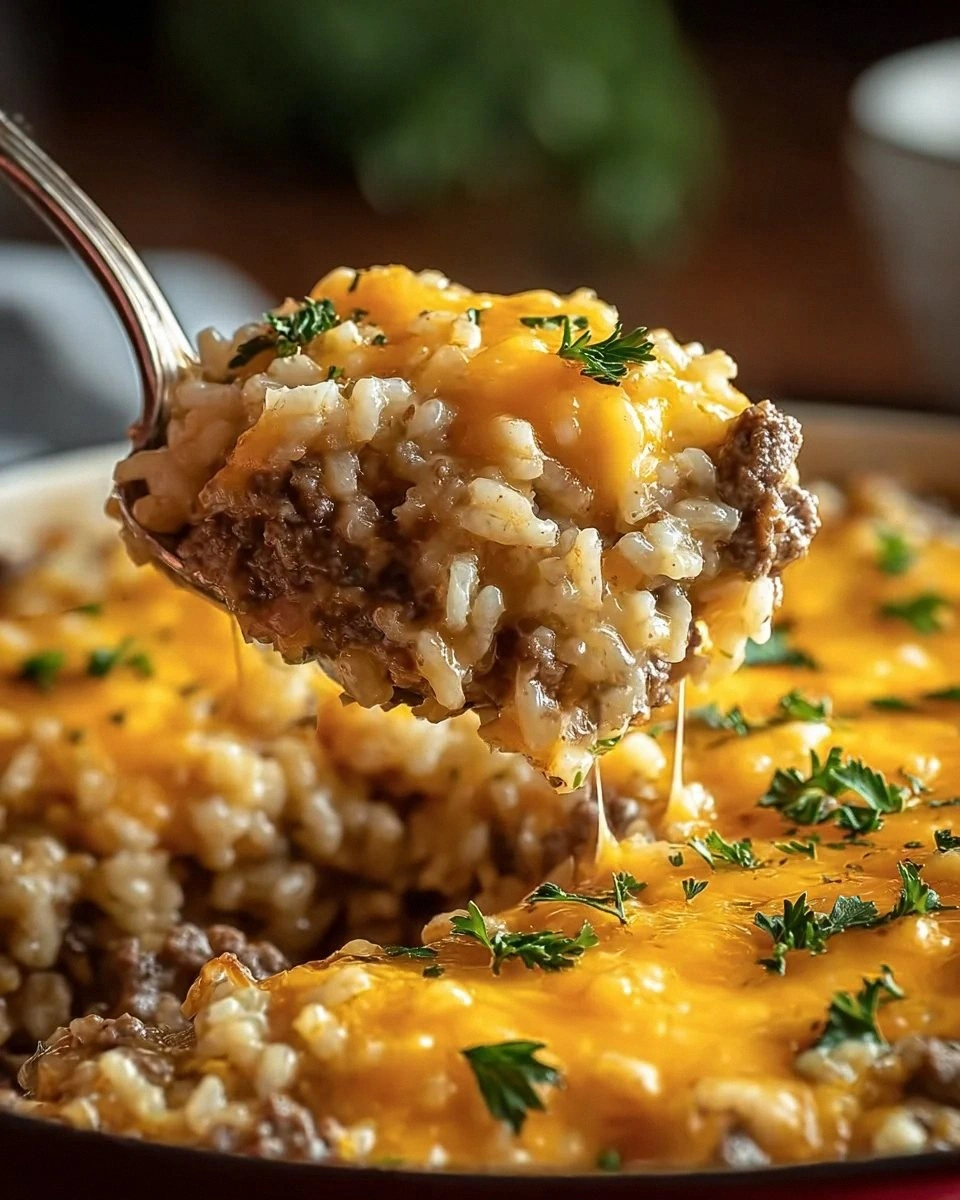
There I was, standing in my kitchen at 11:47 PM on a Tuesday night, staring at a half-eaten bag of tortilla chips and a cold rotisserie chicken from three days ago. My friends were coming over for game night tomorrow, and I had promised them something epic. The usual spinach-artichoke dip felt tired, and I wasn't about to serve another predictable seven-layer situation. That's when the magic happened — or what I like to call my kitchen's Frankenstein moment. I started throwing things together like a mad scientist, and what emerged from that late-night experimentation was so ridiculously good that I caught myself eating it straight from the pan with a wooden spoon, burning my tongue because I couldn't wait for it to cool.
Picture this: molten cheese pulling into Instagram-worthy strings, tender chicken that's been kissed with just the right amount of spice, tomatoes that burst with sweetness against the savory backdrop, and a texture so perfectly balanced between creamy and chunky that you'll want to face-plant directly into the serving bowl. The smell alone will have your neighbors knocking on your door, claiming they smell something amazing and "just wanted to check if everything's okay." Trust me, I've been there. This isn't just another dip recipe — this is the dip that will ruin all other dips for you forever.
I've made this outrageous warm chicken nacho dip over fifty times now, tweaking and perfecting it every single time. I've served it at Super Bowl parties where grown adults nearly came to blows over the last scoop. I've brought it to office potlucks where people started using their business cards as makeshift scoops when the chips ran out. I've even made a batch for my neighbor's teenager's study group, and those kids still ring my doorbell randomly hoping I've made more. This recipe has caused more drama, joy, and obsessive behavior than any food has the right to create, and I'm about to share every single secret with you.
Let me walk you through every single step — by the end, you'll wonder how you ever made it any other way.
What Makes This Version Stand Out
Cheese Strategy: Most recipes just throw shredded cheese into the mix and hope for the best. We're building layers of cheese flavor with three different types that melt at different rates, creating pockets of gooey perfection throughout every bite. The result is a complex, restaurant-quality cheese pull that will make your guests' eyes widen in disbelief.
Chicken Treatment: Forget dry, stringy chicken chunks that feel like an afterthought. We're creating succulent, flavor-packed chicken morsels that taste like they've been slow-cooking for hours, even though we're using that grocery store rotisserie bird. The secret is in how we rehydrate and season it — nobody will guess it started as leftovers.
Texture Revolution: While other dips are either too soupy or so thick they break your chips, this one hits that sweet spot where it's substantial enough to stay on your chip but creamy enough to spread like velvet. We achieve this through a specific sequence of additions and temperatures that most recipes completely ignore.
Spice Balance: Too many chicken nacho dips taste like someone dumped a jar of salsa into cheese and called it a day. Our spice blend builds heat gradually, with smoky, earthy notes that complement rather than mask the chicken and cheese. It's the kind of heat that makes you reach for more, not reach for your drink.
Make-Ahead Magic: This dip actually gets better if you prep it the night before, allowing the flavors to meld into something transcendent. I've tested this extensively for those of us who don't want to be stuck in the kitchen while guests are arriving. Simply pop it in the oven when they walk through the door.
Crowd Psychology: There's actual science behind why this dip disappears faster than anything else at parties. The combination of familiar comfort food elements with unexpected flavor twists triggers both nostalgia and curiosity, making it impossible for people to stop at just one scoop. I've watched introverts become social butterflies, all because they needed to hover near this dip.
Alright, let's break down exactly what goes into this masterpiece...
Inside the Ingredient List
The Flavor Base
The foundation of any exceptional chicken nacho dip starts with ingredients that most people rush past in the grocery store. That brick of cream cheese sitting in your fridge right now? It's about to become your best friend, but not in the way you think. Instead of just dumping it in cold, we're going to transform it into something magical by bringing it to room temperature and whipping it with a fork until it's lighter than air. This simple step creates a cloud-like base that will support all the other flavors without weighing them down like a culinary anchor.
The sour cream you choose matters more than you'd expect. Full-fat is non-negotiable here — I've tried this with every percentage possible, and nothing compares to the richness that full-fat sour cream brings to the party. It's not just about indulgence; the fat content affects how the dip coats your mouth and carries flavors. Greek yogurt warriors, I see you, and I respect your protein goals, but this isn't the place. Save the yogurt for your morning smoothie and let the sour cream do its job here.
Fresh garlic changes everything. I know, I know — the jarred stuff is convenient, but the difference between fresh and pre-minced garlic in this dip is like comparing a live concert to a ringtone. Fresh garlic releases its oils when you mince it, creating a pungent paste that distributes evenly through the dip. The pre-minced version sits there like a sad, flavorless rubber piece, contributing nothing but disappointment.
The Texture Crew
Let's talk about the chicken, because this is where most recipes go tragically wrong. They tell you to grab any cooked chicken and toss it in, but that approach is why so many chicken dips taste like dry, stringy sadness. Instead, we're going to treat our chicken like the star it deserves to be. If you're starting with rotisserie chicken, separate the white and dark meat — they have different moisture levels and will reheat at different rates. The dark meat stays juicier and adds richness, while the white meat provides those satisfying chunks that make people feel like they're getting substantial bites.
The cheese selection is where we separate the amateurs from the pros. Sharp cheddar brings the bold flavor we want, but it can get oily if overheated. That's why we pair it with Monterey Jack, which melts like a dream but has a milder taste. The third cheese is our secret weapon: a small amount of smoked gouda adds depth and complexity that will have people asking "what is that amazing flavor?" after every bite. Don't skip this — it's the difference between good and legendary.
Black beans aren't just filler; they're little flavor bombs that provide textural contrast and nutritional value that makes you feel slightly better about eating a pound of cheese. But here's the key — rinse them until the water runs clear, then pat them dry. Canned bean liquid has a metallic taste that will ruin your dip faster than you can say "game over."
The Unexpected Star
Fire-roasted tomatoes are the ingredient that makes people pause mid-chew and stare at you with wide eyes. Regular diced tomatoes work in a pinch, but the char on fire-roasted tomatoes adds a smoky sweetness that elevates everything. If you can't find them, you can fake it by holding regular tomatoes over your gas flame with tongs until the skins blister and blacken, but honestly, who has time for tomato surgery when guests are arriving?
The real game-changer is something you probably have in your pantry right now: a packet of ranch dressing mix. I know, I know — it sounds basic, but hear me out. The buttermilk powder, herbs, and spices in ranch mix create a flavor bridge between all our other ingredients. It's like the diplomatic negotiator that helps the chicken and cheese get along perfectly. Just use half the packet — we're not making ranch dip here, we're just borrowing its magic.
Fresh lime juice might seem out of place in a hot dip, but acid is what makes all the rich ingredients sing instead of just sitting there like a heavy blob. The lime brightens everything up and cuts through the richness, preventing that dreaded "I ate too much cheese" feeling that usually follows decadent dips. Plus, the zest adds these little aromatic bursts that make each bite interesting.
The Final Flourish
Cilantro is controversial, I get it. If you're one of those people who thinks cilantro tastes like soap, skip it or substitute fresh parsley. But if you're on team cilantro, don't just throw it in willy-nilly. We're adding it at two different stages — some gets stirred in for flavor integration, and the rest gets sprinkled on top for that fresh, herbal note that makes the whole dip feel lighter and more vibrant.
The spice blend is where we really get creative. Instead of just dumping in taco seasoning like every other recipe on the internet, we're building our own blend. Smoked paprika brings depth without heat, cumin adds that unmistakable Tex-Mex character, and a touch of chipotle powder gives us smoke and heat in one convenient package. The secret ingredient? A pinch of cinnamon. Trust me on this — it warms up all the other spices and makes the dip taste like it's been simmering for hours.
Everything's prepped? Good. Let's get into the real action...

The Method — Step by Step
- Start by preheating your oven to 375°F. This isn't just about heating up your cooking vessel — properly preheating ensures that your dip will cook evenly from edge to center. While that's happening, take your cream cheese out of the fridge and let it soften on the counter. I know you're tempted to microwave it, but resist. Microwaving creates hot spots that will cook unevenly and leave you with lumpy bits that refuse to incorporate smoothly. Patience here pays off in the final texture, and you can use this time to prep your other ingredients.
- In a large bowl, beat the softened cream cheese with an electric mixer until it's light and fluffy — about 2 minutes on medium speed. This incorporates air and makes the cream cheese more receptive to other ingredients. Now add your sour cream, ranch mix, lime juice, and all your spices. Mix until completely combined, scraping down the sides as you go. The mixture should be smooth and fragrant, with the spices creating beautiful flecks throughout. This is your flavor base, and getting it right here means every bite will be perfectly seasoned.
- Time to fold in your chicken, and here's where technique matters. Don't just dump it in and stir like crazy — you'll break down the chicken and end up with stringy bits. Instead, use a rubber spatula and gently fold the chicken into the cream cheese mixture, turning the bowl as you go. The chicken should remain in distinct pieces that provide satisfying bites. If you find yourself stirring vigorously, stop immediately and adjust your technique. Think of it like you're tucking the chicken into bed, not wrestling it into submission.
- Now for the beans and tomatoes. Drain your black beans thoroughly and pat them dry with paper towels — I cannot stress enough how important this step is. Excess moisture will turn your dip into soup. Add the beans and fire-roasted tomatoes to the bowl, folding gently just until distributed. Over-mixing will turn your beautiful ingredients into a muddy mess. You want to see distinct pieces of tomato and whole beans throughout the mixture.
- The cheese addition is where we create magic, but timing is everything. Add half of your shredded cheeses to the mixture and fold until just combined. Save the other half for topping later — this creates those Instagram-worthy cheese pulls while ensuring the dip itself isn't overwhelmed by oil. The cheese should remain in distinct shreds that will melt into pockets of gooey perfection during baking. If you add all the cheese now, you'll end up with a greasy mess that separates in the oven.
- Transfer your mixture to a 9-inch baking dish that's been lightly greased with butter. Don't use cooking spray here — butter adds flavor and helps create those crispy edges that everyone fights over. Use your spatula to spread the mixture evenly, pushing it into the corners and creating a slightly domed center. This ensures even cooking and prevents the edges from drying out while the center stays undercooked.
- Sprinkle the remaining cheese over the top in an even layer, then cover the dish with aluminum foil. This initial covered baking allows the dip to heat through without drying out or forming a skin on top. Bake for 20 minutes covered, then remove the foil and bake for another 10-15 minutes until the cheese is bubbling and just starting to turn golden in spots. You're looking for that sweet spot where the cheese is fully melted but hasn't started releasing its oils.
- While the dip is doing its final uncovered baking, chop your cilantro and have your lime wedges ready. As soon as the dip comes out of the oven, let it rest for exactly 5 minutes — this allows the cheese to set slightly so your first scoop doesn't create a landslide. Garnish with cilantro and serve immediately with sturdy tortilla chips. The dip will continue to set as it cools, so the texture will be perfect for about 20 minutes.
- The final test is the chip test. Take a sturdy tortilla chip and scoop from the center — it should hold its shape without breaking, and the dip should cling to the chip without dripping. If it's too loose, it needs more time in the oven. If it's too thick and seems dry, you've overbaked it slightly, but a splash of milk stirred in will restore the creamy texture. Serve immediately and watch as your guests form a protective circle around the dish.
That's it — you did it. But hold on, I've got a few more tricks that'll take this to another level...
Insider Tricks for Flawless Results
The Temperature Rule Nobody Follows
Here's the thing that separates restaurant-quality dips from sad, separated messes: temperature control. Every ingredient should be at room temperature before you start mixing. Cold cream cheese won't incorporate smoothly, cold sour cream will seize up, and cold chicken will create temperature pockets that prevent even heating. I set everything out on the counter about an hour before I start cooking, and the difference is night and day. Your dip will be silkier, heat more evenly, and develop those complex flavors that make people close their eyes when they taste it.
But the real secret is in the serving temperature. Most people serve this dip too hot or too cold. Too hot and it's like molten lava that destroys taste buds and chips alike. Too cold and the cheese firms up into an unappetizing blob. The sweet spot is around 140°F — hot enough to keep everything melty and delicious, but cool enough to actually taste all the flavors you've worked so hard to develop. Invest in a simple instant-read thermometer and check the center before serving. Your guests won't know why this dip tastes better than any they've had, but you'll know it's because you served it at the perfect temperature.
Why Your Nose Knows Best
Forget timers — your nose is the most sophisticated kitchen tool you own, and it knows exactly when this dip is done. During the final baking phase, stand near your oven and pay attention. When the cheese is perfectly melted, you'll smell a nutty, toasty aroma that's different from the raw cheese smell. It's subtle but unmistakable once you learn to recognize it. This happens about 2-3 minutes before the cheese starts to brown, giving you perfect timing for removal.
The other olfactory cue comes from the spice blend. When the cumin and paprika have properly bloomed in the heat, your kitchen will fill with a warm, slightly smoky aroma that makes your mouth water involuntarily. If you catch yourself salivating while the dip is baking, that's your cue that the spices have released their essential oils and the flavors have melded perfectly. A friend once told me this dip makes her kitchen smell like "a hug from the inside," and honestly, that's the best description I've ever heard.
The 5-Minute Rest That Changes Everything
I'm going to say something controversial: patience is an ingredient. The 5-minute rest after baking isn't just a suggestion — it's the difference between a good dip and a life-changing dip. During this rest, several magical things happen. The cheese sets slightly, creating that perfect scoopable texture instead of running all over the place. The flavors that were separate and distinct during baking start to marry and deepen. The temperature evens out, so the first bite isn't nuclear-hot while the center is lukewarm.
But here's what nobody tells you: use this rest time to your advantage. Chop fresh cilantro, warm your serving bowl, slice lime wedges, and arrange your chips. When you finally do serve the dip, everything is ready and at the optimal temperature. I've watched people hover anxiously around fresh-from-the-oven dips, burning their mouths in their eagerness, only to miss out on the full flavor experience because they couldn't wait. Good things come to those who wait, and this dip is no exception.
Creative Twists and Variations
This recipe is a playground. Here are some of my favorite ways to switch things up:
The Breakfast Champion
Transform this into the ultimate breakfast dip by adding crumbled breakfast sausage and swapping the cheddar for pepper jack. Stir in some scrambled eggs during the final mixing stage and serve with toasted baguette slices. It's like having a complete breakfast in scoopable form, and it's become my go-to for brunch parties. The key is to undercook the scrambled eggs slightly since they'll cook more in the oven. People will lose their minds over this version, especially if you serve it with mini waffles instead of chips.
The Seafood Sensation
For a coastal twist, replace the chicken with lump crab meat and add Old Bay seasoning instead of the taco spices. Use cream cheese, sour cream, and a touch of brie for ultra-luxurious texture. Fold in some chopped artichoke hearts and top with buttery cracker crumbs for crunch. This version is elegant enough for cocktail parties but addictive enough that you'll find yourself making it for Netflix nights too. Just be prepared — crab is expensive, and once people taste this, they'll request it for every gathering.
The Vegetarian Victory
Skip the chicken entirely and load up on roasted vegetables. Roasted cauliflower florets, caramelized onions, and roasted red peppers create incredible depth. Add some smoked paprika to compensate for the missing chicken's umami. The texture comes from the roasted vegetables' natural sweetness and the way they break down slightly during baking. Even devoted carnivores devour this version, and it's become my secret weapon for potlucks where I don't know everyone's dietary restrictions.
The Heat Seeker's Dream
For those who like to live dangerously, add fresh jalapeños, a splash of hot sauce, and replace half the Monterey Jack with habanero cheddar. Throw in some chipotle peppers in adobo sauce for smoky heat that builds gradually. The trick is to add the heat in layers — some in the base, some in the mix, and some on top — so every bite has complexity rather than just face-melting spice. Serve with cooling elements like sour cream or guacamole on the side for the brave souls who accept the challenge.
The Mediterranean Mashup
Swap the Mexican flavors for Mediterranean by using feta and mozzarella instead of cheddar, adding chopped spinach and artichokes, and seasoning with oregano and lemon zest. Use rotisserie chicken but add some chopped kalamata olives and sun-dried tomatoes. It's like spanakopita and chicken dip had a beautiful baby. This version is surprisingly light and perfect for summer gatherings when you want something rich but not heavy.
The Breakfast-for-Dinner Deluxe
Add everything bagel seasoning to the top, stir in some scallion cream cheese, and serve with bagel chips. The everything seasoning creates an incredible crust on top while the scallion cream cheese adds oniony depth throughout. It's like your favorite bagel with cream cheese transformed into a shareable dip. My kids go crazy for this version, and honestly, I make it for myself as a comfort food when I need a pick-me-up.
The Thanksgiving Leftover Legend
After Thanksgiving, I make this with diced leftover turkey, add some sage and thyme, and use a mix of cheddar and gruyere. Stir in some dried cranberries for sweet-tart pops that cut through the richness. Serve it with stuffing croutons instead of chips, and suddenly you're eating Thanksgiving dinner in dip form. It's become such a tradition in my house that my family secretly hopes for lots of leftovers just so we can make this dip.
Storing and Bringing It Back to Life
Fridge Storage
Leftover dip (if you have any) stores beautifully in an airtight container for up to 4 days. Press plastic wrap directly onto the surface before sealing to prevent a skin from forming. The flavors actually intensify overnight, making leftovers arguably better than fresh. When you're ready to reheat, let it come to room temperature first — this prevents the dairy proteins from seizing up and becoming grainy. Add a splash of milk or cream when reheating to restore the creamy texture.
Freezer Friendly
This dip freezes surprisingly well, though I recommend freezing it before baking. Mix everything except the cheese topping, wrap tightly, and freeze for up to 3 months. Thaw overnight in the refrigerator, then add fresh cheese on top before baking. The texture might be slightly different after freezing, but the flavor remains incredible. I've started making double batches and freezing half for impromptu gatherings or those nights when I need comfort food but don't want to cook.
Best Reheating Method
The microwave works in a pinch, but the oven is your friend for restoring this dip to its former glory. Cover with foil and reheat at 350°F for about 15 minutes, removing the foil for the final 5 minutes to re-crisp the top. If it seems dry, stir in a tablespoon of milk or cream before reheating. For single servings, I'll microwave for 30 seconds, stir, then another 30 seconds — but always finish with a quick stint under the broiler to restore that bubbly top. The goal is to heat it through without overcooking the cheese again.