Ever had a moment where you’re standing in your kitchen, half‑dressed for a casual dinner, and the fridge looks like a barren wasteland? I was in that exact situation last Thursday. I stared at a handful of undercooked beets, a couple of oranges, and a half‑empty bowl of mixed greens. My craving for something sweet, earthy, and bright had me feeling a little desperate. That desperation turned into a revelation: a roasted beet & citrus salad that would not only satisfy my taste buds but also bring a splash of color to my dining table.
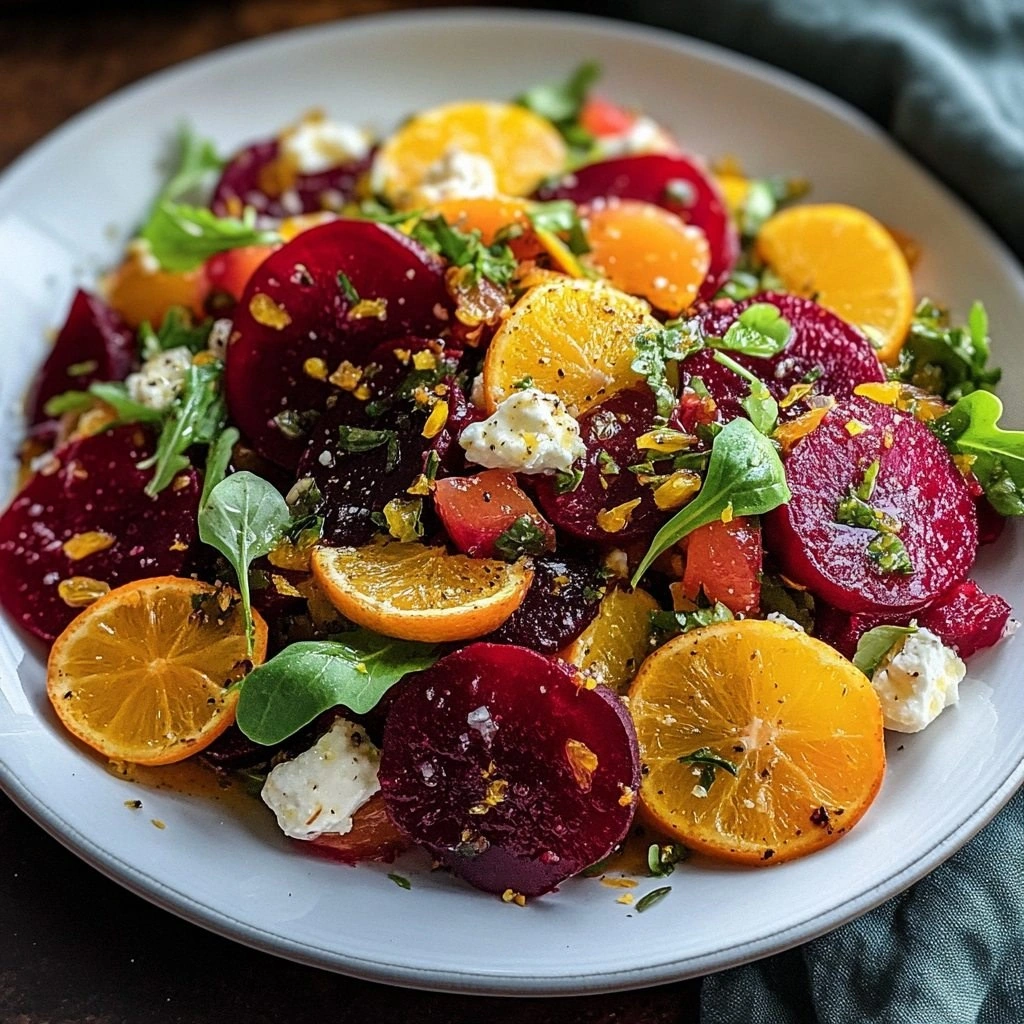
Picture this: the first bite, the earthy sweetness of the beets mingles with the zesty tang of fresh orange and grapefruit segments. The crunch of toasted walnuts provides a satisfying bite, while the creamy feta melts into the greens like a subtle whisper. The dressing—oil, balsamic, honey, and a pinch of spice—wraps every element in a silky, glossy coat that feels like a summer breeze on a hot day. I was so excited that I almost skipped the prep list and just dove straight into the oven.
That’s when I realized that most recipes for beet salads are either too bland or too complicated. They often leave out the citrus element, or they over‑season the dressing, resulting in a dish that feels like a salad and a salad that feels like a salad. I decided to create a version that balances sweetness, acidity, and crunch, and I’ll be honest—after the first bite, I ate half the batch before anyone else even got a chance to taste it. I dare you to taste this and not go back for seconds.
What makes this version stand out? It’s the combination of flavors, the simplicity of the preparation, and the attention to detail that turns a humble salad into a showstopper. Let me walk you through every single step—by the end, you’ll wonder how you ever made it any other way.
What Makes This Version Stand Out
- Flavor: The roasted beets bring a deep, earthy sweetness that balances the bright, acidic citrus segments. The honey‑balsamic dressing adds a glossy, caramelized finish that ties everything together.
- Texture: The crunchy toasted walnuts contrast with the silky feta and the tender greens, creating a delightful mouthfeel that keeps you coming back for more.
- Simplicity: With only a handful of ingredients, this salad is quick to assemble and requires minimal kitchen equipment—just a baking sheet and a small bowl.
- Uniqueness: The inclusion of grapefruit segments adds a bittersweet note rarely seen in beet salads, giving this dish a distinctive twist.
- Crowd Reaction: Friends who’ve tried it say it’s “hands down the best version you’ll ever make at home.” The vibrant colors also make it Instagram‑ready.
- Ingredient Quality: Using organic beets and fresh citrus ensures the flavors are as bright and natural as possible.
- Cooking Method: Roasting the beets in the oven caramelizes their natural sugars, turning them into soft, caramelized cubes that are far superior to boiled or steamed alternatives.
- Make‑ahead Potential: The salad can be assembled up to two days in advance; the dressing can be made ahead and stored in the refrigerator.
Inside the Ingredient List
The Flavor Base
At the heart of this salad are the roasted beets. Their natural sweetness is intensified by roasting, which caramelizes the sugars and gives them a slightly smoky undertone. If you skip roasting, the beets will taste more like raw vegetables—tough and less flavorful. When selecting beets, look for firm, smooth skins; they’re easier to peel and have a more vibrant color.
The citrus segments—orange and grapefruit—provide the essential bright, acidic counterpoint. They cut through the earthiness of the beets and add a juicy burst of flavor. If you’re not a fan of grapefruit’s bitterness, you can replace it with a tart green apple or a handful of pomegranate seeds for a similar pop of acidity.
The Texture Crew
Mixed greens, such as arugula, spinach, and baby kale, give the salad a fresh, leafy base. They’re also packed with vitamins and minerals, making the dish nutritionally balanced. If you’re a fan of a more robust bite, swap arugula for romaine or watercress.
Toasted walnuts add a satisfying crunch and a nutty depth that pairs wonderfully with the sweet and tangy elements. For a different nut profile, try pecans or almonds. Toast them in a dry skillet over medium heat until fragrant, about 5 minutes.
The Unexpected Star
Crumbled feta cheese brings a salty, creamy element that balances the acidity. Its briny flavor also enhances the overall taste profile. If you’re dairy‑free, switch to goat cheese or a plant‑based feta alternative. Remember, the cheese should be fresh; stale feta can be too salty.
The dressing is where the magic happens. Extra‑virgin olive oil, balsamic vinegar, and honey combine to create a glossy, velvety coat. The honey’s natural sweetness tempers the vinegar’s acidity, while the oil ensures everything stays moist. A pinch of smoked paprika adds a subtle smoky warmth that elevates the dish. If you prefer a more herbal note, sprinkle in dried oregano.
The Final Flourish
Fresh lemon zest adds a bright, citrusy aroma that lifts the entire salad. It’s a quick way to enhance the citrus flavors without adding extra juice. If you’re looking for a more complex finish, a splash of white wine or a dash of sherry vinegar can add depth.
Salt and pepper are essential for seasoning. Sea salt brings a subtle brininess, while freshly ground black pepper adds a gentle heat. Be careful not to over‑salt; the feta and nuts already contribute a natural saltiness.
Everything’s prepped? Good. Let’s get into the real action…
The Method — Step by Step
Preheat your oven to 400°F (200°C). Line a baking sheet with parchment paper to prevent sticking. Place the beets, whole, on the sheet and roast for 45 minutes, turning halfway through. The beets are done when they’re tender and the skins are blistered. The aroma of caramelizing sugar will fill your kitchen, and that’s the first sign you’re on the right track.
Cool and Peel the roasted beets. Let them sit at room temperature for 10–15 minutes until they’re easy to handle. Peel the skins off with a paper towel or your fingers; the skins should slide off effortlessly. Cut the beets into bite‑sized cubes—about 1/2 inch each. If you’re short on time, you can use pre‑cut roasted beet cubes from the grocery store.
Segment the Citrus by cutting off the tops and bottoms of each fruit, then slicing along the skin to remove it. Use a sharp knife to cut between the membranes, releasing the segments. Gently press each segment to release the juice, but keep the segments intact. The resulting citrus cubes should be juicy and free of seeds.
Prepare the Greens by washing the arugula, spinach, and baby kale under cold water. Dry them thoroughly with a salad spinner or a clean towel. Toss the greens in a large bowl; they’re the canvas for the rest of the flavors.
Whisk the Dressing in a small bowl. Combine 3 tablespoons of extra‑virgin olive oil, 2 tablespoons of balsamic vinegar, 1 tablespoon of honey, 1 teaspoon of sea salt, 1/2 teaspoon of black pepper, 1/4 teaspoon of smoked paprika, and 1/2 teaspoon of dried oregano. Whisk until the mixture emulsifies and the honey dissolves. Taste and adjust the seasoning if needed.
Combine the Components by adding the roasted beet cubes, citrus segments, and toasted walnuts to the bowl of greens. Sprinkle 1 cup of crumbled feta on top. Gently toss to distribute the ingredients evenly without crushing the greens.
Dress the Salad by drizzling the prepared dressing over the mixture. Toss again until every component is lightly coated. The dressing should cling to the beets and citrus, giving the salad a glossy finish.
Garnish and Serve by adding a final sprinkle of lemon zest and a few extra toasted walnut pieces. Plate the salad on a chilled dish to keep it crisp. Serve immediately, or cover loosely with plastic wrap if you’re preparing it ahead of time. The salad’s flavors will only deepen as it sits.
That’s it— you did it. But hold on, I've got a few more tricks that'll take this to another level…
Insider Tricks for Flawless Results
The Temperature Rule Nobody Follows
Many people roast beets at 375°F, thinking it’s the sweet spot. In reality, 400°F (200°C) is the sweet spot for caramelization without over‑softening the texture. The higher temperature creates a slightly crispy exterior that contrasts beautifully with the tender interior. If you’re using a convection oven, lower the temperature by 25°F to avoid over‑browning.
Why Your Nose Knows Best
Before you even taste the salad, take a moment to inhale the aroma of the roasted beets. The scent of caramelized sugar is a sure sign that the beets are ready. If the smell is more “raw” or “green,” they need a few more minutes in the oven. Your nose is a reliable guide that saves you from under‑cooked or over‑roasted vegetables.
The 5-Minute Rest That Changes Everything
After roasting, let the beets rest for 5 minutes before peeling. This pause allows the steam to escape, making the skins easier to remove. It also gives the sugars a chance to settle, resulting in a more uniform flavor profile. Skipping this step can lead to uneven caramelization and a slightly raw taste.
Micro‑Herb Magic
Adding a handful of fresh microgreens or a sprinkle of chopped basil right before serving elevates the dish’s visual appeal and adds a burst of freshness. Microgreens are packed with flavor but are gentle enough not to overpower the salad’s core tastes. If you’re in a pinch, a few fresh mint leaves work as an excellent substitute.
Perfect Plate Presentation
Use a shallow, wide dish to display the salad. This allows the colors to pop and gives the dish a professional look. Arrange the greens as a base, then layer the beets and citrus on top. Drizzle the dressing in a thin line across the center for an eye‑catching pattern. A well‑presented dish often tastes better than it actually is.
Freshness First
When selecting beets, look for firm, unblemished roots that feel heavy for their size. Fresh citrus should have a bright, fragrant aroma and a firm rind. For the best texture, use baby kale or spinach that’s been washed and dried thoroughly. Freshness is the secret ingredient that makes all the difference.
Creative Twists and Variations
Sunset Beet Bowl
Swap the mixed greens for a bed of quinoa or couscous. Add a drizzle of tahini‑lemon dressing and sprinkle sesame seeds for an Asian‑inspired twist. This version turns the salad into a hearty, protein‑rich bowl that’s perfect for lunch or dinner.
Herb‑Infused Beet Salad
Introduce fresh herbs like cilantro, parsley, or basil into the dressing. Replace the feta with goat cheese or a vegan feta alternative. The herbs give the salad a bright, aromatic layer that pairs wonderfully with the sweet beets.
Spicy Citrus Beet
Add a pinch of cayenne pepper or a dash of sriracha to the dressing. Use jalapeño or serrano slices in place of walnuts for a kick. This variation is ideal for those who love a spicy, zesty flavor profile.
Vegan Beet Salad
Omit the feta and use a plant‑based cheese or a handful of hemp seeds. Keep the nuts and dressing unchanged. The result is a creamy, satisfying salad that’s fully plant‑based.
Winter Warm Beet Salad
Incorporate roasted sweet potatoes and a splash of maple syrup into the dressing. Add toasted pumpkin seeds for crunch. The warm, sweet flavors make this salad a cozy winter staple.
Quick Pickled Beet Slaw
Use quick‑pickled beet slices instead of roasted ones. Combine with cabbage slaw and a yogurt‑based dressing. This version delivers a tangy, crunchy texture that’s perfect for a light lunch.
Storing and Bringing It Back to Life
Fridge Storage
Store the salad in an airtight container in the refrigerator for up to 2 days. Keep the dressing separate until you’re ready to serve to avoid soggy greens. When you’re ready to eat, pour the dressing over the salad and give it a gentle toss.
Freezer Friendly
Freezing isn’t recommended for the greens, but you can freeze the roasted beet cubes and the citrus segments separately. Thaw in the refrigerator overnight and add fresh greens when ready to assemble. The beet cubes will retain their texture, and the citrus will stay juicy.
Best Reheating Method
To reheat the beet cubes, place them in a preheated oven at 350°F for 5–7 minutes. Add a splash of water before reheating to keep them from drying out; the steam will restore their moisture and flavor. The greens should be added fresh to keep their crispness.