Picture this: a chilly Saturday night, the thermostat set to “just right,” and the scent of something sweet and savory sneaking out from the oven like a mischievous kid. I was half‑heartedly scrolling through recipes, cursing the fact that my pantry only had a sad, limp bag of frozen veggies and a lone sausage link that had been in the freezer since last winter. Then, in a moment of culinary desperation, I tossed a couple of chicken sausages into a pan, added a drizzle of honey, and—boom—something clicked. That accidental combination turned into a sauce that clung to the meat and potatoes like a caramel‑kissed blanket, and the whole kitchen erupted with aromas that made my neighbor’s dog start howling in delight.
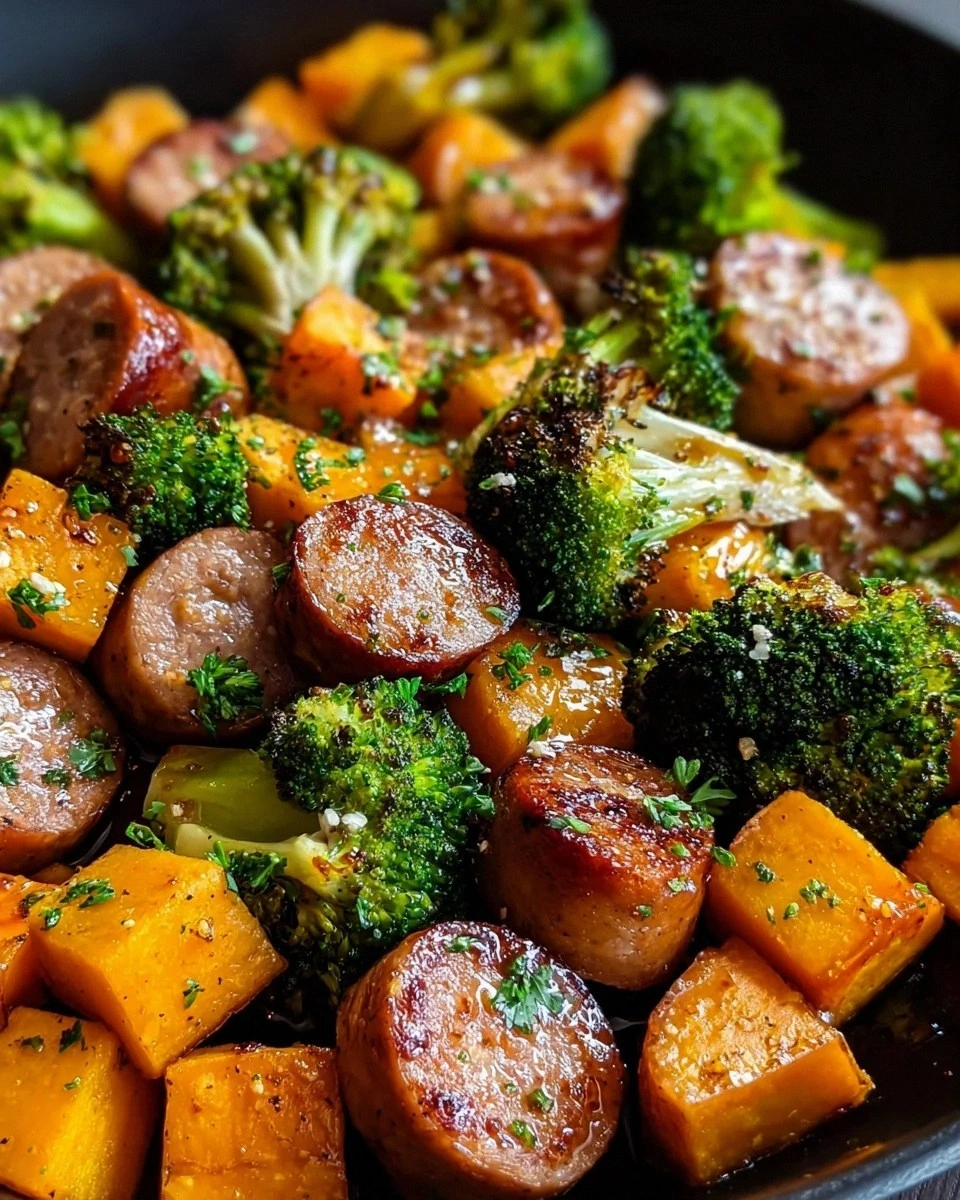
Fast forward to today, and that humble experiment has evolved into Sheet Pan Sausage and Sweet Potatoes with Honey Garlic Sauce, the kind of dish that makes you pause mid‑bite, close your eyes, and swear you’ve just discovered the secret to happiness. The sweet potatoes caramelize at the edges, the sausage crisps up with a satisfying snap, and the broccoli adds a pop of green that looks like a garnish straight out of a food‑magazine spread. The honey‑garlic glaze? It’s a glossy, amber river that winds its way through every bite, delivering a punch of umami balanced by a whisper of acidity—think of it as a culinary hug that doesn’t let go.
Most recipes out there either drown the sausage in a watery sauce or leave the sweet potatoes bland and soggy. I’ve been there, battling limp veggies and flavorless meat, and I’m here to say: this is hands down the best version you’ll ever make at home. The trick isn’t just the honey or the garlic; it’s the timing, the temperature, and the way the sauce is finished in the pan to coat everything perfectly. I dare you to taste this and not go back for seconds—because once you do, you’ll realize you’ve been missing out on a flavor party for far too long.
Okay, ready for the game‑changer? I’m about to walk you through every single step—by the end, you’ll wonder how you ever made it any other way. From the exact way to slice the sausage (trust me, the thickness matters) to the moment you drizzle that honey‑garlic elixir, I’ve got the fix for every stumble you might have faced before. So grab your sheet pan, preheat that oven, and let’s turn a simple weeknight dinner into a show‑stopping masterpiece.
What Makes This Version Stand Out
- Flavor Explosion: The honey‑garlic sauce is a perfect marriage of sweet, salty, and tangy, coating every piece like a glossy glaze that never gets soggy.
- Texture Symphony: Crispy sausage edges, caramelized sweet potato corners, and tender‑crisp broccoli create a mouthfeel that’s both hearty and light.
- Simplicity at Its Core: One‑pan cooking means fewer dishes, less cleanup, and more time to actually enjoy the food you made.
- Ingredient Quality: Using high‑quality chicken or turkey sausage ensures a leaner, juicier bite without sacrificing flavor.
- Crowd‑Pleaser Factor: This dish consistently gets rave reviews at family gatherings—people ask for seconds before the plate even hits the table.
- Make‑Ahead Magic: You can prep the veggies and sauce ahead of time, then pop it in the oven when you’re ready to eat.
- Season‑Proof Versatility: Whether it’s a chilly autumn evening or a breezy spring night, the warm, comforting flavors fit any season.
- Balanced Nutrition: Sweet potatoes bring fiber and vitamin A, while lean sausage adds protein, making it a well‑rounded meal.
Inside the Ingredient List
The Flavor Base
The honey‑garlic sauce is the heart of this dish. Honey provides natural sweetness and helps the vegetables caramelize, while garlic adds that unmistakable aromatic punch that makes your kitchen feel like a bistro. Low‑sodium soy sauce (or coconut aminos for a soy‑free twist) brings depth and umami, and a splash of apple cider vinegar cuts through the richness, balancing the flavors. If you skip the vinegar, you’ll end up with a sauce that clings but tastes flat—trust me, that tang is the secret handshake of great sauces.
The Texture Crew
Sweet potatoes are the sweet spot (pun intended) of this recipe. Their natural sugars caramelize beautifully at high heat, giving you those golden‑brown edges that crackle like thin ice when you bite into them. Broccoli florets add a pop of color and a contrasting bite; they stay vibrant when roasted just right, preventing the dreaded mushy green. The sausage, sliced half‑inch thick, offers a juicy interior and a crisp exterior—if you cut them too thin, they’ll dry out; too thick, and they won’t crisp up.
The Unexpected Star
Unsalted butter (or olive oil) might seem like a background player, but it’s actually the medium that carries the honey‑garlic glaze onto every component. Butter adds a buttery richness that oil alone can’t achieve, and when it melts and browns slightly, it contributes a nutty undertone that elevates the entire dish. If you’re dairy‑free, swap with a tablespoon of high‑smoke‑point oil like avocado oil—just remember the flavor will shift slightly.
The Final Flourish
Fresh parsley isn’t just a garnish; it’s a flavor finish that brightens the dish with herbaceous notes, cutting through the sweetness and adding a pop of freshness. Kosher salt and black pepper are the unsung heroes—season each layer as you go, because seasoning at the end won’t penetrate the caramelized edges. The final drizzle of parsley right before serving also adds a visual cue that says “I care about every detail.”
Everything's prepped? Good. Let's get into the real action...
The Method — Step by Step
-
Preheat your oven to 425°F (220°C). While the oven is warming up, line a sturdy sheet pan with parchment paper or a silicone mat—this prevents sticking and makes cleanup a breeze. The high heat will give the sweet potatoes those coveted caramelized edges, so don’t be tempted to lower the temperature. That sizzle when the veggies hit the pan? Absolute perfection. Let the pan sit empty for a minute; this dry heat will help everything crisp up later.
Kitchen Hack: Place a wire rack on the sheet pan and set the sausage slices on top; this allows fat to drip away, keeping the sausage crisp without steaming. -
Dice the sweet potatoes into uniform ½‑inch cubes. Uniformity ensures even cooking—big chunks will stay hard while tiny pieces burn. Toss the cubes with a drizzle of olive oil (or melted butter), a pinch of kosher salt, and a grind of black pepper. Spread them out in a single layer on the prepared pan, leaving space for the sausage and broccoli. The goal is to give each piece room to breathe; overcrowding leads to steaming, not roasting.
-
Slice the chicken or turkey sausage into ½‑inch thick rounds. Pat them dry with paper towels—this simple step prevents excess moisture, which is the enemy of a good sear. Arrange the sausage slices on the same pan, interspersed with the sweet potatoes. As they roast, the sausage will release its juices, which will mingle with the honey‑garlic glaze later, creating a self‑basting effect.
Watch Out: If you use turkey sausage, it can dry out faster than chicken; keep an eye on it after 20 minutes to avoid over‑cooking. -
In a small saucepan over medium heat, melt 1 tablespoon of unsalted butter. Add the minced garlic and sauté for about 30 seconds—just until fragrant, not browned. Then stir in the honey, low‑sodium soy sauce, and apple cider vinegar. Let the mixture bubble gently for 2‑3 minutes, allowing it to thicken slightly. This is the moment of truth: the sauce should smell sweet, salty, and a touch tangy, like a perfectly balanced cocktail.
-
After the sauce has thickened, remove it from heat and set aside. Meanwhile, toss the broccoli florets (also cut to about ½‑inch size) with a drizzle of olive oil, salt, and pepper. Spread the broccoli on the pan, tucking it between the sweet potatoes and sausage. The broccoli will roast in the remaining heat, becoming tender‑crisp while retaining its bright green color.
-
Place the pan in the preheated oven and roast for 20 minutes. At the 20‑minute mark, pull the pan out and give everything a good toss—this ensures even browning. Drizzle the honey‑garlic glaze over the entire pan, making sure each piece gets a glossy coat. Return the pan to the oven for an additional 10‑12 minutes, or until the sweet potatoes are fork‑tender and the edges of the sausage are caramelized and slightly charred.
Kitchen Hack: For an extra glossy finish, stir a teaspoon of cornstarch into the glaze before the final drizzle; it will create a silkier coating. -
When the timer dings, remove the pan and let it rest for 3‑4 minutes. This short rest allows the glaze to set and the flavors to meld, preventing a soggy bottom. Sprinkle the minced fresh parsley over the top, adding a burst of color and a fresh herbal note that lifts the whole dish.
-
Serve the sheet pan creation directly from the pan or transfer to a large serving platter. Pair it with a simple side salad or a crusty piece of bread to soak up any remaining sauce. Picture yourself pulling this out of the oven, the whole kitchen smelling incredible, and the first bite delivering a perfect balance of sweet, salty, and savory. And now the fun part—dig in, and watch everyone ask for the recipe.
Insider Tricks for Flawless Results
The Temperature Rule Nobody Follows
Most home cooks set the oven to 400°F and call it a day, but the extra 25°F boost is what gives you that caramelized edge on the sweet potatoes without drying out the sausage. The higher heat creates a Maillard reaction that turns sugars into a golden crust, while the interior stays tender. I once tried a lower temperature to “play it safe,” and the result was a soggy, bland mess that made me question my life choices. Trust the heat, and your veggies will sing.
Why Your Nose Knows Best
When the honey‑garlic sauce starts to bubble, your nose will tell you if it’s ready. A sweet, fragrant aroma signals that the sugars have begun to caramelize, while a sharp, almost burnt smell means you’re overcooking. If you ever doubt the timing, trust that olfactory cue over the clock. I’ve saved countless batches by simply stepping back, inhaling, and adjusting a minute or two.
The 5‑Minute Rest That Changes Everything
Resting the pan for a few minutes after it’s out of the oven isn’t just for show. The residual heat continues to cook the edges, and the glaze thickens as it cools, adhering better to each bite. Skipping this step results in a sauce that slides off the plate, leaving you with dry bites. A quick pause also lets the parsley wilt just enough to release its flavor without wilting into mush.
Butter vs. Oil: The Fat Debate
Using butter adds a rich, nutty undertone that oil can’t replicate, but butter burns faster at high heat. The trick is to melt the butter and add the garlic quickly, then lower the heat before the honey hits. This way you get the flavor without the bitter burnt notes. If you prefer a cleaner taste, swap butter for a high‑smoke oil and finish with a drizzle of melted butter just before serving.
Seasoning in Layers, Not All at Once
Season each component—sweet potatoes, sausage, broccoli—individually before they meet in the pan. This layered seasoning ensures every bite is flavorful, rather than having a bland center and an overly salty perimeter. I’ve seen recipes that dump all the salt at the end, resulting in a dish that tastes like “salt water.” Layering is the secret to balanced seasoning.
Creative Twists and Variations
This recipe is a playground. Here are some of my favorite ways to switch things up:
Maple‑Mustard Fusion
Swap the honey for pure maple syrup and add a tablespoon of Dijon mustard to the glaze. The maple adds a deep, earthy sweetness while the mustard introduces a subtle tang that brightens the dish. Perfect for fall evenings when you crave that cozy, cabin‑in‑the‑woods vibe.
Spicy Sriracha Kick
Stir in a teaspoon of sriracha or your favorite hot sauce into the honey‑garlic mixture. The heat pairs beautifully with the sweet potatoes, creating a sweet‑heat balance that will make your taste buds do a happy dance. Garnish with sliced jalapeños for extra punch.
Mediterranean Mediterranean
Replace the sausage with sliced chicken thighs marinated in lemon, oregano, and a splash of olive oil. Add sliced red bell peppers and a handful of Kalamata olives to the pan. Finish with a squeeze of fresh lemon juice and a sprinkle of feta for a Mediterranean twist.
Vegan Delight
Use plant‑based sausage or tempeh strips, and swap the butter for coconut oil. Replace the honey with agave nectar or maple syrup. The result is a vegan‑friendly version that still delivers that glossy, caramelized coating.
Cheesy Crust
During the last 5 minutes of roasting, sprinkle shredded sharp cheddar or mozzarella over the top. The cheese will melt and form a golden crust that adds a gooey, indulgent layer. This variation is a hit with kids and cheese lovers alike.
Herb‑Infused
Throw in a few sprigs of fresh rosemary or thyme alongside the broccoli. The herbs will infuse the glaze with an aromatic depth, turning the dish into a herbaceous masterpiece. Finish with a drizzle of herb‑infused olive oil for an extra layer of flavor.
Storing and Bringing It Back to Life
Fridge Storage
Allow the leftovers to cool to room temperature (no more than two hours), then transfer them to an airtight container. Store in the refrigerator for up to four days. When reheating, add a splash of water or broth to the pan to restore moisture, and reheat over medium heat until hot throughout.
Freezer Friendly
This dish freezes beautifully. Portion the cooled leftovers into freezer‑safe bags or containers, removing as much air as possible. Label with the date and freeze for up to three months. To reheat, thaw overnight in the fridge, then bake at 350°F for 15‑20 minutes, or microwave with a damp paper towel covering the dish.
Best Reheating Method
The oven is your best friend for reheating. Spread the leftovers on a sheet pan, drizzle a teaspoon of water or broth, and bake at 375°F for 10‑12 minutes. This method revives the crisp edges and restores the glaze’s shine, preventing the dreaded soggy reheated texture.