Picture this: I’m in my tiny kitchen, the clock ticking, the oven humming, and I’ve just realized I’ve run out of the bright, crunchy sidekick I need for my ramen bowl. My pantry is a barren wasteland of stale crackers and wilted lettuce, and my cravings are screaming louder than a marching band. I grabbed a bag of carrots, gave them a quick rinse, and thought, “Maybe I can improvise a quick pickle?” That moment turned into a culinary epiphany, because what started as a desperate scramble became the most exhilarating, tangy, and downright addictive snack I’ve ever made. I dare you to taste this and not go back for seconds.
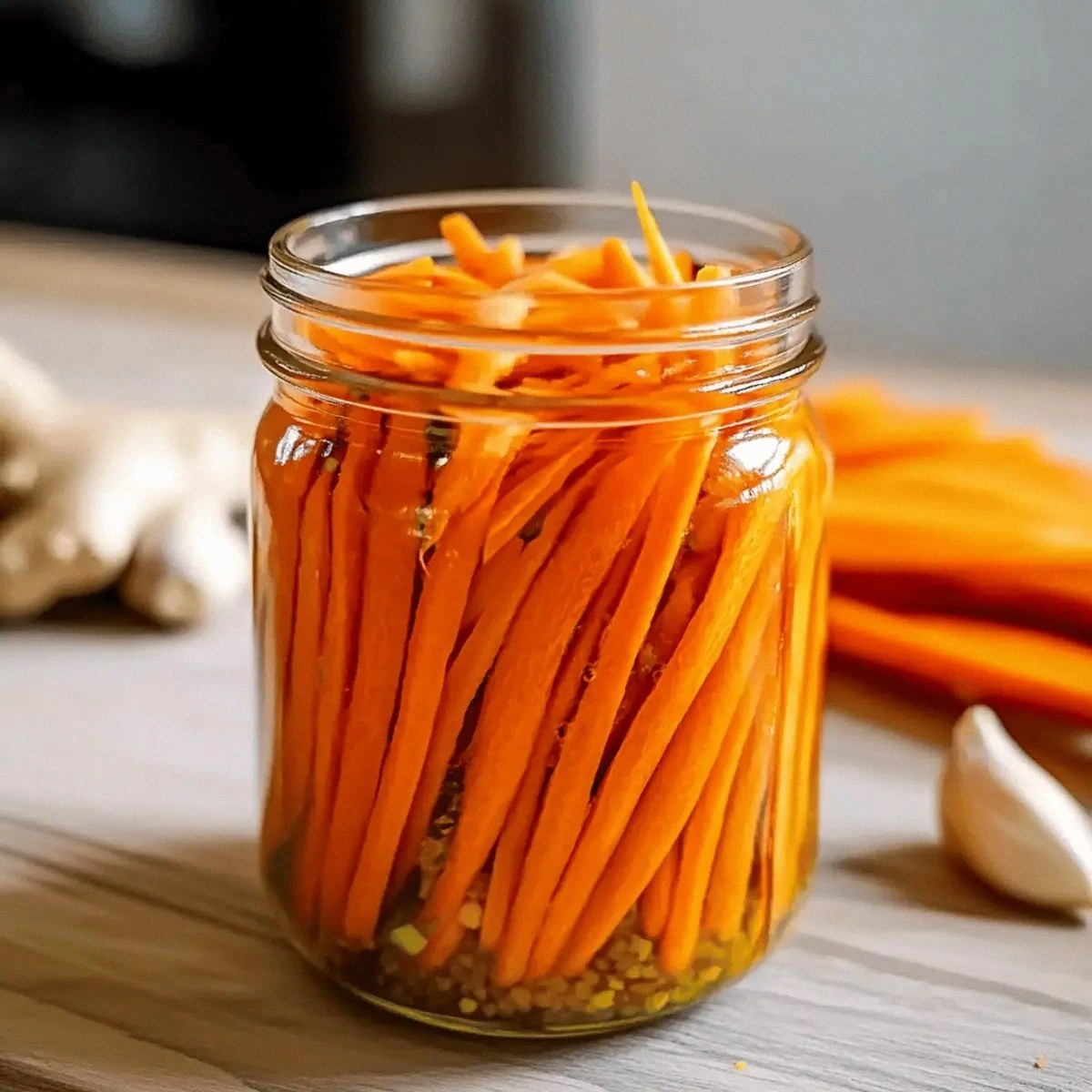
The moment the carrots hit the hot brine, a fragrant cloud of vinegar, sugar, garlic, and ginger erupted, filling the kitchen with a scent that was both sharp and comforting, like a citrusy hug from a long‑lost friend. I could hear the faint hiss of the simmering liquid, feel the warm steam kiss my face, and see the carrots turn a vivid orange‑gold, their edges glistening with the glossy glaze of the pickling bath. The aroma was so intoxicating that even the cat paused mid‑stalk, ears perked, as if to say, “You’re onto something big, human.” That sensory overload convinced me this was no ordinary side dish—it was a game‑changer.
Most pickled carrot recipes either drown the veggies in a soggy, one‑note vinegar swamp or leave them bland and limp. This version, however, balances sweet, salty, and heat with the precision of a seasoned mixologist, delivering a snap that crackles like fireworks on your palate. The secret? A splash of fresh ginger and a pinch of red pepper flakes that dance together, creating a zing that brightens any meal instantly. I’ll be honest — I ate half the batch before anyone else got to try it, and that’s because the flavor is so layered it feels like a party in your mouth that never ends.
Okay, ready for the game‑changer? Let me walk you through every single step — by the end, you’ll wonder how you ever made pickles any other way. Picture yourself pulling a jar of these ruby‑red carrots from the fridge, the whole kitchen smelling incredible, and the first bite delivering a burst of zest that makes your taste buds do a happy dance. This next part? Pure magic.
What Makes This Version Stand Out
- Taste: The perfect harmony of sweet, sour, and a whisper of heat makes these carrots unforgettable, turning a simple snack into a flavor fireworks display.
- Texture: A crisp snap that holds up for days, thanks to a quick blanch that sets the cellular structure before the brine works its magic.
- Simplicity: Fewer than ten ingredients, a single pot, and a 30‑minute hands‑off period—no fancy equipment required.
- Uniqueness: Fresh ginger and red pepper flakes add a zing that most store‑bought pickles completely miss, giving you that “wow” factor every time.
- Crowd Reaction: Guests instantly ask for the recipe, and the jar becomes the centerpiece of any spread, from brunch boards to taco nights.
- Ingredient Quality: Using fresh, organic carrots and high‑quality white vinegar amplifies the bright, clean flavor profile.
- Method: The quick simmer of the brine locks in flavor without over‑cooking the carrots, preserving their natural sweetness.
- Make‑Ahead Potential: These carrots improve after a day, so you can prep them ahead of time and have a ready‑to‑serve garnish whenever the mood strikes.
Alright, let's break down exactly what goes into this masterpiece...
Inside the Ingredient List
The Flavor Base
White Vinegar (1 cup): This is the backbone of any good pickle, providing the sharp acidity that brightens the carrots. If you swap it for apple cider vinegar, you’ll get a fruitier note that can overwhelm the delicate ginger. Choose a clear, unseasoned vinegar for the cleanest taste.
Granulated Sugar (0.5 cup): Sugar balances the vinegar’s bite, creating that sweet‑tart dance you love. Skipping it turns the brine into a harsh, one‑dimensional sourness that can make the carrots taste like a cleaning solution. For a lower‑calorie version, try a natural sweetener like honey, but reduce the amount by a third.
Fresh Ginger (1 tsp, minced): Ginger injects a warm, peppery undertone that lingers on the palate. If you forget it, the pickle loses its signature zing and feels flat. Fresh ginger is key; powdered ginger can become bitter when simmered.
The Texture Crew
Carrots (3‑4 cups, sliced thin): Fresh carrots bring natural sweetness and crunch. Opt for baby carrots or peel and slice large carrots on a diagonal for a larger surface area. If you use canned carrots, you’ll miss the crisp snap that defines this recipe.
Salt (1 tablespoon): Salt not only seasons but also helps draw out moisture, ensuring the carrots stay firm. Too much salt will dominate the flavor, while too little leaves the brine watery. Sea salt is preferable for its clean mineral taste.
Red Pepper Flakes (0.5 tsp): A pinch of heat that awakens the taste buds without overwhelming the subtle sweetness. Adjust to your tolerance; a dash more will make the jar sing, a dash less keeps it mild.
The Unexpected Star
Garlic (2 cloves, smashed): Garlic adds depth and a savory backbone that rounds out the bright notes. If you’re not a fan of raw garlic’s bite, crush the cloves and let them mellow in the hot brine. Skipping garlic makes the pickle feel one‑dimensional.
The Final Flourish
Water (1 cup): Dilutes the vinegar just enough to keep the carrots from becoming overly sharp while still preserving that tangy snap. Using only vinegar would scorch the carrots with acidity; using only water would make the brine too weak.
Everything's prepped? Good. Let's get into the real action...
The Method — Step by Step
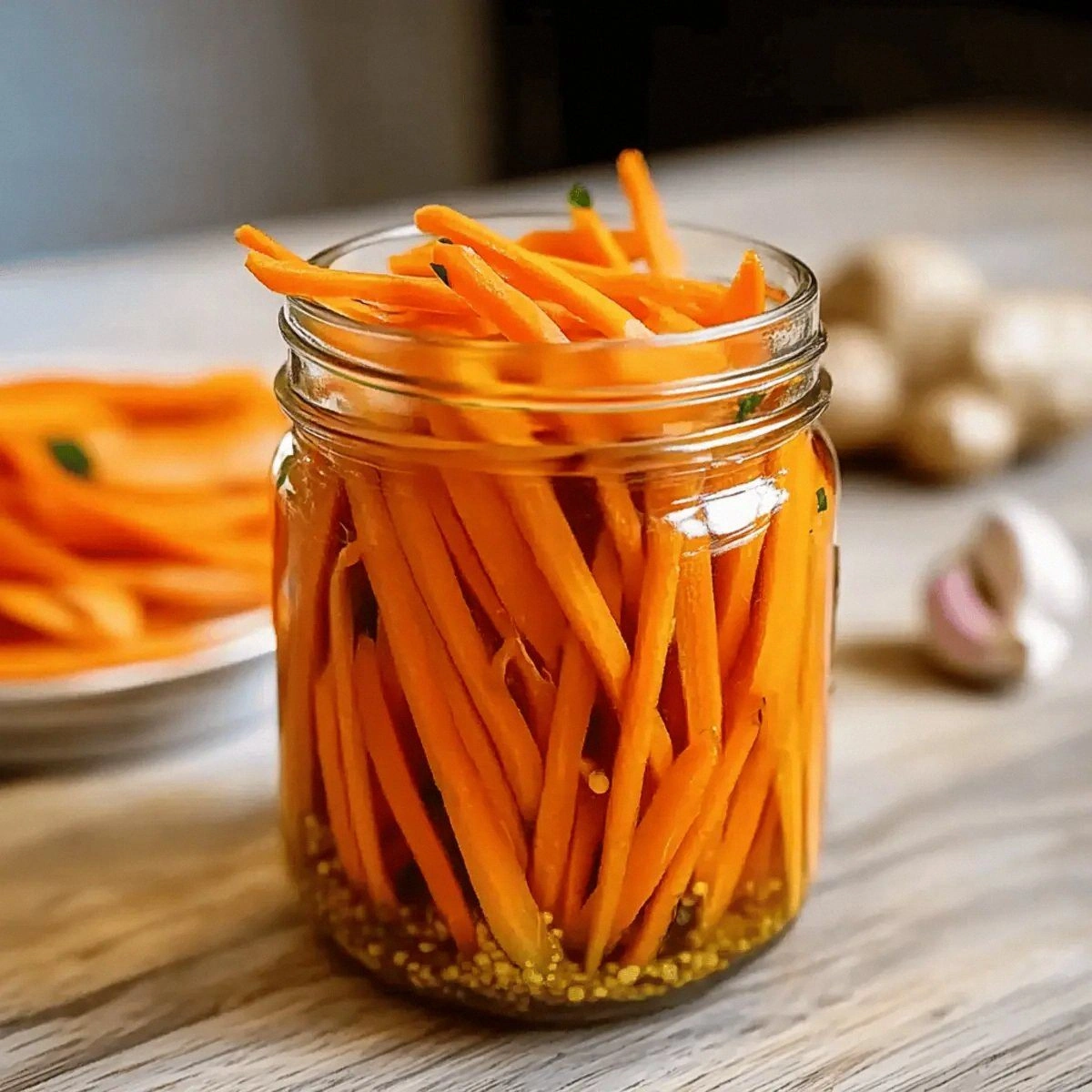
Start by washing the carrots thoroughly under cold water, then slice them on a diagonal into thin sticks about a quarter‑inch thick. This shape not only looks elegant on a plate but also maximizes the surface area for the brine to cling to. As you slice, you’ll hear that satisfying crunch, a reminder that you’re about to preserve something truly crisp. Place the sliced carrots in a large bowl and set aside.
Next, bring the water, white vinegar, and granulated sugar to a gentle boil in a saucepan. Stir continuously until the sugar fully dissolves, creating a glossy, slightly thickened liquid. The moment the sugar disappears, you’ll notice a faint caramel scent that hints at the sweet‑tart balance you’re about to lock in. Once dissolved, remove the pan from heat and let the brine cool for about five minutes.
While the brine is cooling, mince the fresh ginger and smash the garlic cloves. Add them, along with the red pepper flakes, to the carrot bowl. The aromatic trio will start releasing their essential oils, and you’ll smell a warm, spicy perfume that makes you want to inhale deeply. Mix everything together so the carrots are evenly coated with the aromatics.
Now, pour the warm brine over the carrots, ensuring every stick is fully submerged. Use a clean, heavy spoon to press the carrots down, eliminating any air pockets. You’ll hear a gentle sizzle as the hot liquid meets the cooler veggies—a sound that signals the pickling process is kicking into gear.
Transfer the entire mixture into a clean glass jar with a tight‑fitting lid. Seal the jar and let it sit at room temperature for 30 minutes, allowing the flavors to meld. During this time, you’ll notice the carrots gradually turning a deeper, richer orange—this is the brine working its magic.
After the half‑hour, move the jar to the refrigerator. The cold environment slows fermentation, preserving the crisp texture while still letting the flavors develop. I recommend waiting at least 4 hours before the first taste, but for the ultimate zing, let them chill overnight. The anticipation builds, and trust me, the payoff is worth it.
When you’re ready to serve, pull the jar out, give it a gentle shake, and scoop out a handful of carrots. They’ll snap between your teeth with a bright, tangy zing that instantly elevates tacos, salads, or even a simple sandwich. If you’re feeling adventurous, drizzle a little extra brine over a bowl of rice for a pop‑of‑flavor that makes the whole dish sing.
That’s it — you did it. But hold on, I've got a few more tricks that'll take this to another level. From how to reuse the leftover brine to turning the carrots into a quick relish, the possibilities are endless. Stay with me here — this is worth it.
Insider Tricks for Flawless Results
The Temperature Rule Nobody Follows
Never pour boiling brine directly over cold carrots; the shock can cause the carrots to become mushy. Instead, let the brine cool to just warm (around 140°F/60°C) before mixing. I once ignored this rule, and the carrots turned soggy, ruining the entire batch. The slight warmth ensures the carrots stay crisp while still absorbing flavor.
Why Your Nose Knows Best
Before sealing the jar, give the brine a quick sniff. If you detect a harsh vinegar bite, add a pinch more sugar; if it smells flat, a dash more salt will revive it. Your nose is a more reliable gauge than any recipe measurement because it senses balance in real time. Trust that instinct, and the final product will be perfectly seasoned.
The 5‑Minute Rest That Changes Everything
After transferring the carrots to the jar, let the mixture sit uncovered for five minutes before sealing. This tiny pause lets any trapped steam escape, preventing a cloudy brine. I once sealed too quickly, and the jar turned milky—an aesthetic nightmare that also muted flavor.
Weight It Down, Keep It Down
Air is the enemy of crispness. Use a small, food‑grade weight (a glass marble or a silicone fermentation weight) to keep every carrot fully submerged. If a carrot peeks out, it will dry and lose its tang, creating an uneven bite. This simple step guarantees uniform flavor throughout the jar.
Re‑Season on the Fly
After a day in the fridge, taste a carrot. If the zing has mellowed, add a splash of fresh vinegar or a pinch more red pepper flakes directly to the jar and give it a good shake. The brine is forgiving, and this quick tweak can revive the brightness you crave. Most people never discover this, but it’s a lifesaver for those who like their pickles punchy.
Creative Twists and Variations
This recipe is a playground. Here are some of my favorite ways to switch things up:
Spicy Sriracha Splash
Add a tablespoon of sriracha to the brine for a smoky, garlicky heat that pairs perfectly with grilled chicken. The bright carrots become a fiery garnish that can stand up to bold Asian dishes.
Herb‑Infused Delight
Throw in a few sprigs of fresh dill or cilantro during the brine stage. The herbs lend a fresh, garden‑like aroma, turning the carrots into a sophisticated accompaniment for smoked salmon.
Sweet‑Heat Asian Fusion
Swap half the granulated sugar for brown sugar and add a dash of toasted sesame oil. The caramel notes mingle with the ginger, creating a sweet‑heat profile ideal for bao buns or noodle salads.
Pickled Carrot Relish
Finely chop the finished pickles and mix with minced shallots, a splash of lime juice, and chopped cilantro. This quick relish becomes a vibrant topping for tacos, burgers, or grilled fish.
Root Veggie Medley
Combine carrots with thinly sliced daikon, radish, and beet for a rainbow of colors and textures. Each vegetable brings its own bite, making the jar a stunning visual centerpiece for any spread.
Storing and Bringing It Back to Life
Fridge Storage
Keep the pickled carrots in a sealed glass jar in the refrigerator. They stay crisp and flavorful for up to two weeks. For optimal texture, consume within the first ten days; after that, the carrots may start to soften.
Freezer Friendly
If you’ve made a massive batch, you can freeze the carrots in a freezer‑safe bag with a thin layer of brine. Thaw in the fridge overnight and add a splash of fresh water before serving to revive the crunch.
Best Reheating Method
When you need to warm the carrots—say, for a hot sandwich—quickly sauté them in a pan with a teaspoon of oil for 30 seconds. Add a tiny splash of water before the pan hits the heat; the steam restores the snap without over‑cooking.