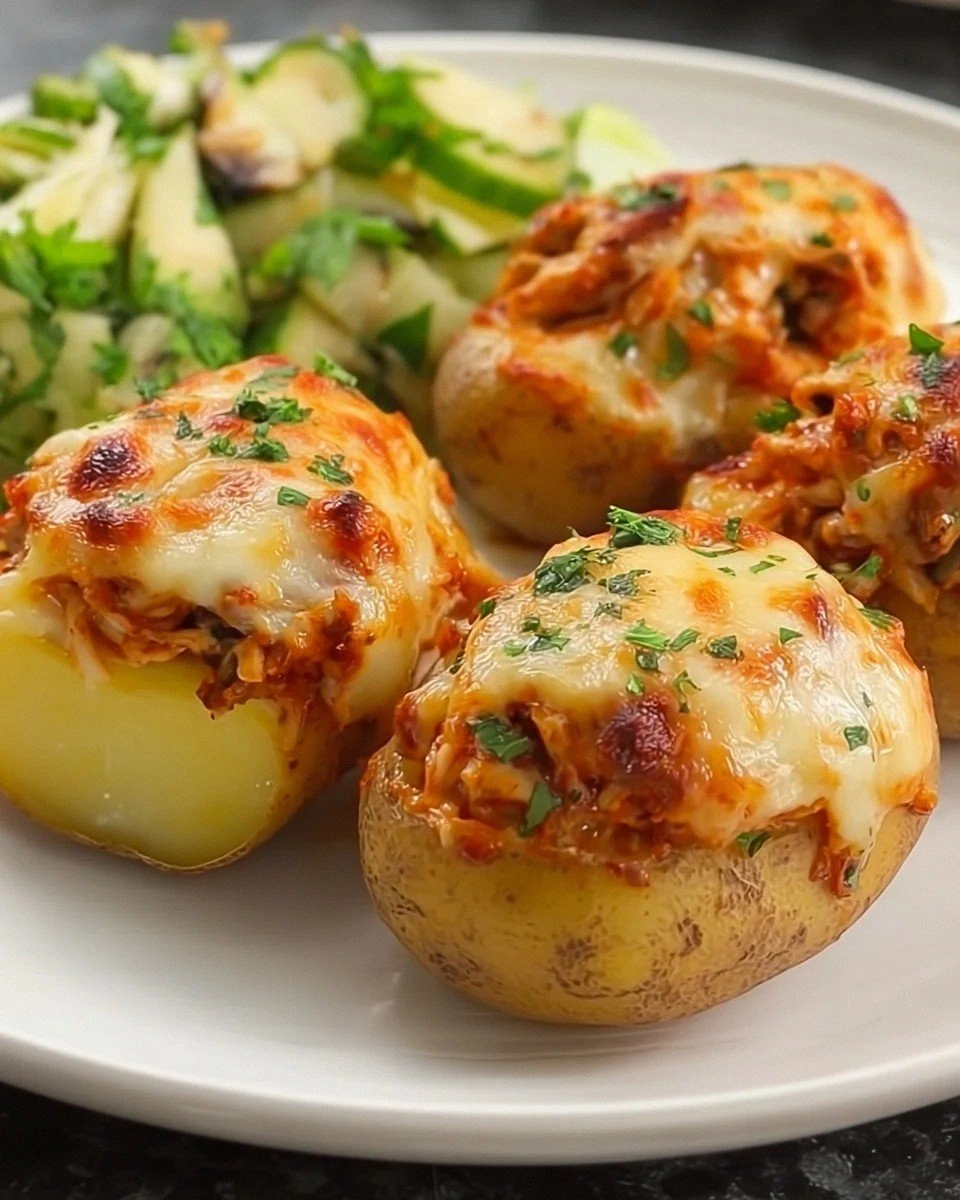
I still remember the first time I made crack chicken stuffed baked potatoes. It was one of those chaotic Tuesday evenings when grocery shopping felt like a mountain I couldn't climb. My fridge held nothing but a sad pack of chicken breasts, some cream cheese that was dangerously close to expiration, and a bag of potatoes that had started sprouting eyes like something out of a horror movie. In desperation, I threw everything together, expecting a mediocre dinner that would quiet the rumbling stomachs in my house. What emerged from that culinary chaos was nothing short of magical. The creamy, tangy, utterly addictive chicken mixture melded with the fluffy potato in a way that made my teenage son actually pause his video game to ask what smelled so incredible. By the time dinner was served, we were all fighting over the last potato, and I knew I'd stumbled onto something special.
Picture this: golden potato skins crisped to perfection, cradling a molten core of tender shredded chicken that's been swimming in a bath of cream cheese, sharp cheddar, smoky bacon, and those signature ranch flavors that make your taste buds do a happy dance. The first bite hits you with that familiar ranch tang, followed by the rich creaminess that coats your mouth like liquid velvet, ending with the salty crunch of bacon that shatters between your teeth like culinary confetti. It's the kind of comfort food that makes you close your eyes involuntarily, the way people do when they taste something transcendent. Your fork scrapes against the potato skin, and you get that perfect bite: fluffy potato, creamy chicken, melted cheese stretching like a delicious rubber band before snapping into your mouth.
But here's the thing that really makes this recipe shine — it's embarrassingly easy. I'm talking "could make this in my sleep while half-watching Netflix" easy. Most recipes get this completely wrong by overcomplicating the process, adding unnecessary steps that don't actually improve the final dish. After making this dozens of times (sometimes twice in one week when life gets hectic), I've perfected the ratios, the timing, and those little tricks that transform good crack chicken into mind-blowing crack chicken. The secret isn't in fancy ingredients or complicated techniques — it's in understanding exactly when to stop cooking, how to season in layers, and why the order of operations matters more than you'd think.
Let me walk you through every single step — by the end, you'll wonder how you ever made it any other way. This isn't just another recipe; it's your new go-to for potlucks, family dinners, and those nights when you need something that feels like a warm hug on a plate. Trust me, once you master this technique, you'll find yourself making extra just so you can eat the leftovers cold from the fridge at midnight, standing there in your pajamas, telling yourself just one more bite until suddenly half the container is gone and you're not even sorry.
What Makes This Version Stand Out
This isn't your average stuffed potato recipe that leaves you feeling like something's missing. After testing countless variations and eating more crack chicken than any human should, I've discovered the exact combination that makes people fight over the last serving. The difference lies in the details — the way we build flavors layer by layer, creating depth that makes each bite more interesting than the last.
- Flavor Bomb: Instead of just dumping ranch seasoning on cooked chicken, we create a flavor base by blooming the spices in butter first, unlocking essential oils that make the ranch taste brighter and more complex than you thought possible.
- Texture Perfection: Most recipes end up with either dry chicken or watery sauce. We solve this by using a specific ratio of cream cheese to chicken that creates a coating consistency that clings perfectly without being gloppy or soupy.
- Make-Ahead Magic: This entire dish can be prepped up to three days ahead, making it perfect for entertaining. The flavors actually improve as they meld together in the fridge, and a quick reheat brings it back to life better than fresh.
- One-Pot Wonder: Everything cooks in a single skillet, meaning fewer dishes and more time to enjoy your creation. The same pan builds layers of flavor that would be lost if you transferred between multiple pots.
- Customizable Heat: The base recipe is family-friendly, but with one simple addition you can take it from mild to wild. I'll show you exactly how to control the spice level without compromising the creamy texture.
- Leftover Gold: This makes incredible leftovers that reheat beautifully. The chicken mixture actually tastes better the next day, and I'll share my favorite ways to repurpose any extras into entirely new meals.
- Foolproof Technique: Even kitchen novices can nail this recipe thanks to visual cues and timing that remove all guesswork. No more wondering if it's done — you'll know exactly what to look for.
Alright, let's break down exactly what goes into this masterpiece. The ingredient list might look familiar, but the way we combine them creates something that tastes completely new and exciting.
Inside the Ingredient List
Every ingredient in this recipe pulls its weight, and understanding why each one matters will make you a better cook overall. I've tested this with premium ingredients and budget options, and while quality matters, technique matters more. The magic happens when you understand how these components interact with each other during cooking.
The Flavor Foundation
The chicken forms the backbone of this dish, and here's where most recipes go wrong — they use overcooked, dry chicken that sucks moisture from the sauce instead of contributing to it. We start with boneless, skinless chicken thighs instead of breasts because thighs stay juicy even if you accidentally cook them a minute too long. The fat content in thighs bastes itself as it cooks, creating self-basting meat that stays tender. If you absolutely must use chicken breasts, cut them into 1-inch pieces and reduce the cooking time by 3-4 minutes, checking for doneness at 165°F internal temperature.
Ranch seasoning isn't just ranch seasoning in this recipe. We use the dry packet mix as a base, but we enhance it with extra dried dill and a touch of smoked paprika. The dill brightens the whole dish and makes it taste fresher, while the paprika adds depth and a subtle smokiness that makes people ask "what's that flavor I can't quite place?" Store-brand ranch mix works perfectly here — save your money for good cheese instead of fancy seasoning blends.
The Creamy Dream Team
Cream cheese is the unsung hero that creates the luscious texture we're after, but temperature matters more than you'd think. Cold cream cheese straight from the fridge will seize up and create lumps that no amount of stirring will smooth out. Cut it into 1-inch cubes and let it sit at room temperature for 20 minutes before cooking. Full-fat cream cheese is non-negotiable here — the reduced-fat versions contain stabilizers that break down when heated, leaving you with a grainy, separated mess that looks like cottage cheese gone wrong.
Sharp cheddar brings the tang and complexity that makes this dish taste like it cooked all day instead of 20 minutes. Pre-shredded cheese contains cellulose that prevents smooth melting, so buy a block and shred it yourself. It takes an extra minute but makes a world of difference in the final texture. The sharper the cheddar, the less you need, which means more room for that cream cheese silkiness to shine through.
The Texture Champions
Bacon isn't just a garnish here — it's a flavor-building ingredient that we use in multiple ways. We cook the bacon first, then use the rendered fat to cook the chicken, infusing every bite with smoky pork flavor. Reserve some of the crispy bacon bits for topping, but crumble the rest directly into the chicken mixture. The contrast between soft and crunchy keeps each bite interesting and prevents the monotony that plagues many creamy dishes.
Green onions provide the fresh, sharp contrast that cuts through all that richness. We use both the white and green parts, but at different stages. The white parts get cooked with the chicken to mellow their bite, while the green tops stay raw for sprinkling on top, giving you two different onion experiences in one dish.
The Unexpected Star
Here's where this recipe diverges from traditional crack chicken — we add a splash of Worcestershire sauce. Just a teaspoon, but it adds umami depth that makes the whole dish taste more complex. It's like adding a secret ingredient that nobody can identify but everyone notices is missing when you skip it. The anchovy base in Worcestershire sauce enhances the savory notes without making anything taste fishy.
Everything's prepped? Good. Let's get into the real action where we'll transform these humble ingredients into something that'll have your family asking for seconds before they've even finished their first serving.

The Method — Step by Step
Now we're cooking with gas, as my grandmother used to say. The beauty of this method is that each step builds flavor on top of the previous one, creating layers that make the final dish taste like it took hours instead of minutes. Don't rush through these steps — this is where the magic happens, and each moment is crucial for developing the depth of flavor that makes this recipe special.
- Start with the bacon foundation: Place your bacon in a cold skillet and turn the heat to medium. Starting cold renders the fat slowly, giving you perfectly crispy bacon and liquid gold for cooking everything else. Resist the urge to turn up the heat — patience here pays off in the form of evenly cooked bacon that doesn't burn in spots. You'll know it's ready when the bacon is deeply golden and the fat has turned from cloudy to clear, about 8-10 minutes depending on your stove.
- Create the flavor base: Remove the bacon with a slotted spoon, leaving behind about 2 tablespoons of fat (drain any excess). Add your chicken pieces in a single layer — don't crowd the pan or they'll steam instead of brown. Let them cook undisturbed for 4 minutes to develop that gorgeous golden crust. The chicken should release easily from the pan when it's ready to flip; if it's sticking, give it another minute.
- Build the aromatics: Once the chicken is cooked through, push it to one side and add the white parts of your green onions to the empty space. Let them sizzle for 30 seconds until fragrant, then sprinkle the ranch seasoning over everything. This toasting step awakens the dried herbs and spices, making them taste fresher and more vibrant. Stir everything together for another minute until your kitchen smells like a ranch dressing factory in the best possible way.
- The cream cheese moment: Reduce heat to low and add your room-temperature cream cheese cubes. Here's the crucial part — don't stir immediately. Let them sit for 30 seconds to start melting, then gently fold everything together. The residual heat will finish melting the cream cheese without breaking the sauce. If you stir too vigorously, you'll end up with a grainy mess that looks like cottage cheese.
- Cheese it up: Add half your shredded cheddar and the Worcestershire sauce, stirring until melted and smooth. The sauce should coat the back of a spoon but still be pourable — if it's too thick, add a splash of milk. Too thin? Let it simmer for another minute. Taste and adjust salt — you probably won't need any since the ranch mix and bacon are already salty.
- Prep your potatoes: While the chicken mixture stays warm on the lowest heat setting, split your baked potatoes lengthwise and fluff the insides with a fork. Create a little well in each potato by gently pressing the flesh outward — this gives you more surface area for that glorious chicken mixture to nestle into.
- The grand finale: Spoon the crack chicken mixture generously into each potato, letting it mound up like a savory volcano. Top with the remaining cheddar and return to a 400°F oven for 5-7 minutes until the cheese is melted and starting to brown in spots. Finish with the reserved bacon and green onion tops.
- The rest that matters: Let the stuffed potatoes rest for 3 minutes before serving. This brief pause allows the cheese to set slightly and prevents the molten filling from burning unsuspecting mouths. Plus, it gives the flavors a moment to meld together into something even more incredible than the sum of its parts.
That's it — you did it. But hold on, I've got a few more tricks that'll take this to another level and make you look like a culinary genius even if you're still learning which end of the spatula to hold.
Insider Tricks for Flawless Results
After making this recipe more times than I care to admit (including that week I made it three times because my family kept requesting it), I've discovered some game-changing techniques that separate good crack chicken from legendary crack chicken. These aren't just suggestions — they're the difference between "this is good" and "oh my god, can I have the recipe?"
The Temperature Rule Nobody Follows
Room temperature ingredients aren't just a suggestion — they're the secret to smooth, glossy sauce that doesn't break or curdle. Take your cream cheese out 30 minutes before cooking, not 10. Cold cream cheese hits hot chicken and seizes up faster than you can say "lumpy mess." Same goes for your shredded cheese — room temp cheese melts more evenly without that greasy separation that happens when cold dairy hits hot food. If you're in a rush (and who isn't?), cube the cream cheese and microwave it on defrost for 15-20 seconds. Just don't let it melt completely or you'll lose that luxurious texture we're after.
Why Your Nose Knows Best
Forget timers — your nose is the best kitchen tool you own. When the ranch seasoning hits the hot fat, it should smell like the best ranch dressing you've ever tasted. If it smells sharp or acrid, your heat is too high and you're burning the dried herbs. The bacon is perfectly rendered when your kitchen smells like a breakfast joint on Sunday morning, not when the timer dings. That sizzle when the chicken hits the pan? It should sound like applause — enthusiastic but not angry. Too quiet and your pan isn't hot enough; too loud and you're burning rather than browning.
The 5-Minute Rest That Changes Everything
This might be the hardest part of the whole recipe — waiting. After you stuff those potatoes and pull them from the oven, set a timer for exactly 5 minutes and walk away. Go check your phone, pour a drink, anything to keep yourself from diving in too early. During this rest, the cheese sets slightly, the filling stops being molten lava, and the flavors have a moment to meld into something greater than the sum of their parts. A friend tried skipping this step once — let's just say she learned the hard way that patience prevents burned tongues and disappointed taste buds.
The Salt Strategy
Here's where most home cooks go wrong — they salt everything at every step and end up with a dish that's too salty to enjoy. The bacon, ranch seasoning, and cheese are already salty, so taste before you season. Add salt only after everything is combined and heated through, and even then, start with a tiny pinch. You can always add more, but you can't take it away. I keep a small bowl of salt near the stove and add it with my fingertips rather than shaking from the container — this gives you much better control over how much actually makes it into the food.
The Make-Ahead Miracle
This recipe is a meal prep dream, but there's a right way and a wrong way to do it. Make the crack chicken mixture up to 3 days ahead and store it in an airtight container. When you're ready to serve, reheat it gently with a splash of milk (it thickens in the fridge) and stuff fresh-baked potatoes. Don't try to stuff the potatoes ahead of time — the filling will make the potato skins soggy and sad. But here's the real pro tip: bake extra potatoes and keep them in the fridge. A quick 2-minute zap in the microwave and you're 5 minutes away from dinner any night of the week.
Creative Twists and Variations
This recipe is a playground. Here are some of my favorite ways to switch things up when you want to impress or just use what you have on hand:
The Buffalo Bomb
Replace half the cream cheese with buffalo wing sauce for a spicy kick that makes these perfect for game day. Top with blue cheese crumbles instead of cheddar and add diced celery for crunch. The cool cream cheese tempers the buffalo heat, creating that perfect balance that keeps you coming back for more even as your nose starts to run. Use Frank's RedHot if you want authentic buffalo flavor, or go wild with something hotter if you're feeding spice lovers.
The Breakfast Betrayal
Add scrambled eggs to the crack chicken mixture and serve over hash browns instead of baked potatoes. Top with a runny fried egg and you've got breakfast that'll cure any hangover. The richness of the egg yolk mixing with the creamy chicken creates a sauce that's absolutely criminal. My brother swears this version saved his marriage — apparently, his wife fell in love with him all over again after he made this for her birthday breakfast in bed.
The Health Halo
Swap the cream cheese for Greek yogurt and use turkey bacon instead of pork. You'll save about 200 calories per serving while keeping most of the flavor. The yogurt adds a pleasant tang and extra protein, though you lose some of that indulgent richness. Add extra green onions and a squeeze of lemon to brighten everything up. It's not quite the same as the original, but it's still miles better than most "healthy" recipes that taste like punishment.
The Southwest Switch-Up
Add a can of diced green chiles, swap the cheddar for pepper jack, and mix in some corn and black beans. Top with fresh cilantro and a squeeze of lime for a Tex-Mex twist that'll make you forget all about the original. The green chiles add heat without overwhelming the other flavors, and the corn provides little bursts of sweetness that play beautifully against the creamy chicken. Serve with a side of salsa for those who like it extra spicy.
The Low-Carb Legend
Skip the potatoes entirely and serve the crack chicken mixture in hollowed-out bell peppers or over cauliflower rice. You still get all the addictive flavors without the carbs that put some people to sleep after lunch. The peppers add a fresh crunch and pretty presentation that makes this company-worthy even when you're watching your waistline. Bake the stuffed peppers for 15 minutes at 375°F until the peppers are tender but still hold their shape.
The Surf and Turf Surprise
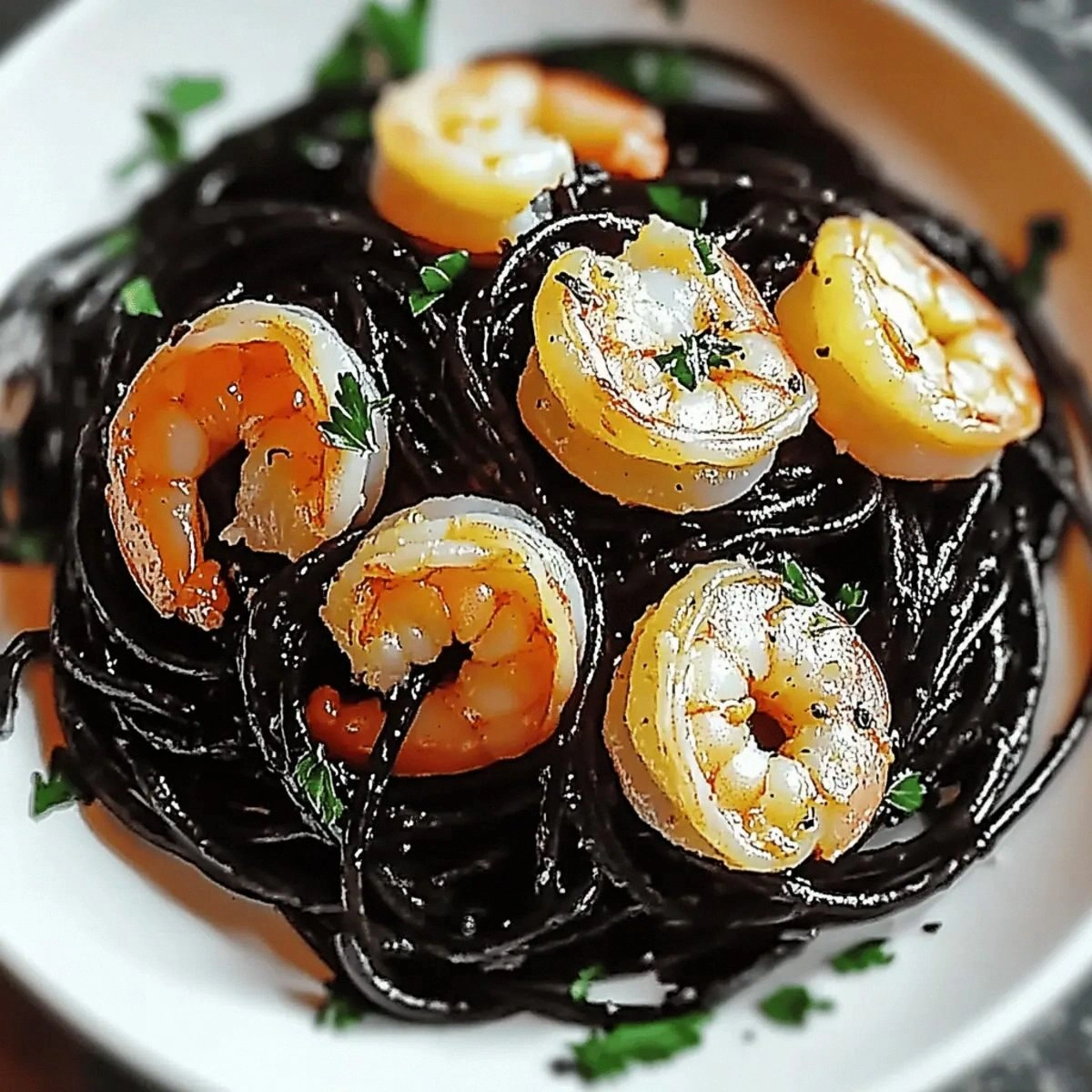
Add some cooked shrimp to the mixture right at the end for a surf-and-turf twist that feels fancy enough for date night. Use small shrimp (51-60 count) so they don't overpower the chicken, and add them just long enough to warm through — overcooked shrimp turn rubbery faster than you can say "dinner's ready." The sweetness of the shrimp plays beautifully against the savory bacon and tangy ranch, creating a flavor profile that tastes like it came from a restaurant with cloth napkins.
Storing and Bringing It Back to Life
Leftovers happen, and when they do with this recipe, it's actually a beautiful thing. The crack chicken mixture keeps better than almost any other dish I know, and with the right storage techniques, you can enjoy it all week long in various forms.
Fridge Storage
Store the crack chicken mixture in an airtight container in the fridge for up to 4 days. Press plastic wrap directly onto the surface before sealing the lid — this prevents that weird skin from forming on top. The mixture will thicken as it cools, so when you're ready to reheat, add a splash of milk or chicken broth to loosen it up. Reheat gently in a saucepan over medium-low heat, stirring frequently. The microwave works in a pinch, but do it in 30-second bursts, stirring between each one to prevent hot spots that can make the sauce break.
Freezer Friendly
You can freeze the crack chicken mixture for up to 3 months, but do it before adding the final cheese topping. Freeze in portion-sized containers or freezer bags, squeezing out as much air as possible. Thaw overnight in the fridge, then reheat with a splash of milk to restore the creamy texture. The texture won't be quite as silky as fresh, but it's still delicious and perfect for those nights when you need dinner on the table in 10 minutes flat.
Best Reheating Method
For best results, reheat the crack chicken mixture in a saucepan over medium heat with a splash of milk, stirring frequently until hot and creamy. If you're reheating stuffed potatoes, wrap the potato in foil and warm it in a 350°F oven for 15 minutes, then add the reheated chicken mixture. The microwave makes the potato skin tough and the filling can heat unevenly, creating hot spots that'll burn your tongue. Trust me on this one — the extra few minutes in the oven are worth it for that just-baked texture.