I was halfway through a frantic week of deadlines, and my stomach was growling louder than my inbox notifications. I tried a quick microwave bowl, a sad sandwich, and even a bland salad that tasted like a watered‑down garden. Then my roommate dared me: “Make something that actually makes you want to dance in the kitchen.” I accepted, and after a frantic rummage through the pantry I pulled out a jar of gochujang, a sack of brown rice, and a handful of peanuts that had been hiding in the back of the cupboard. The result? A dish that hit my taste buds like a fireworks show and left the kitchen smelling like a Korean street market at midnight.
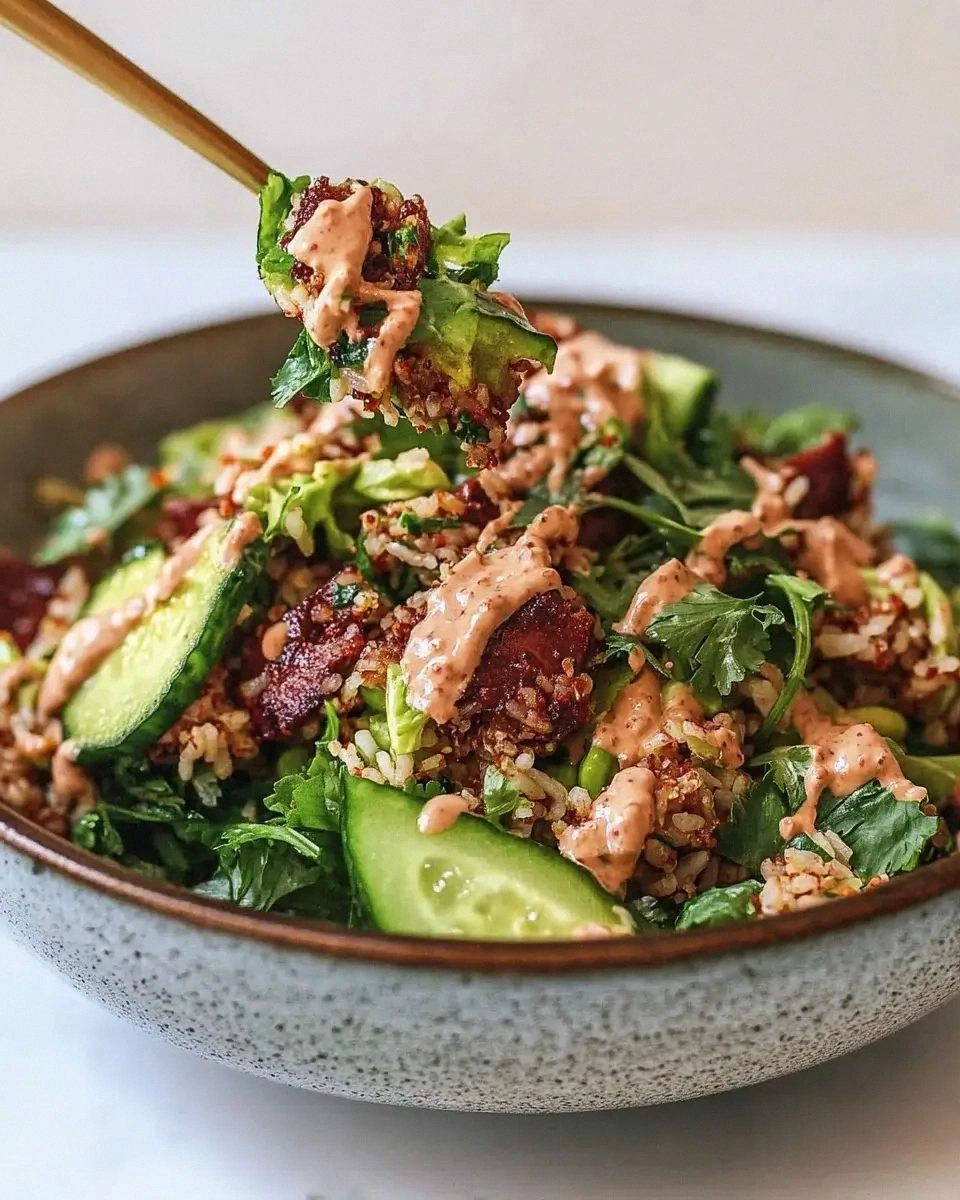
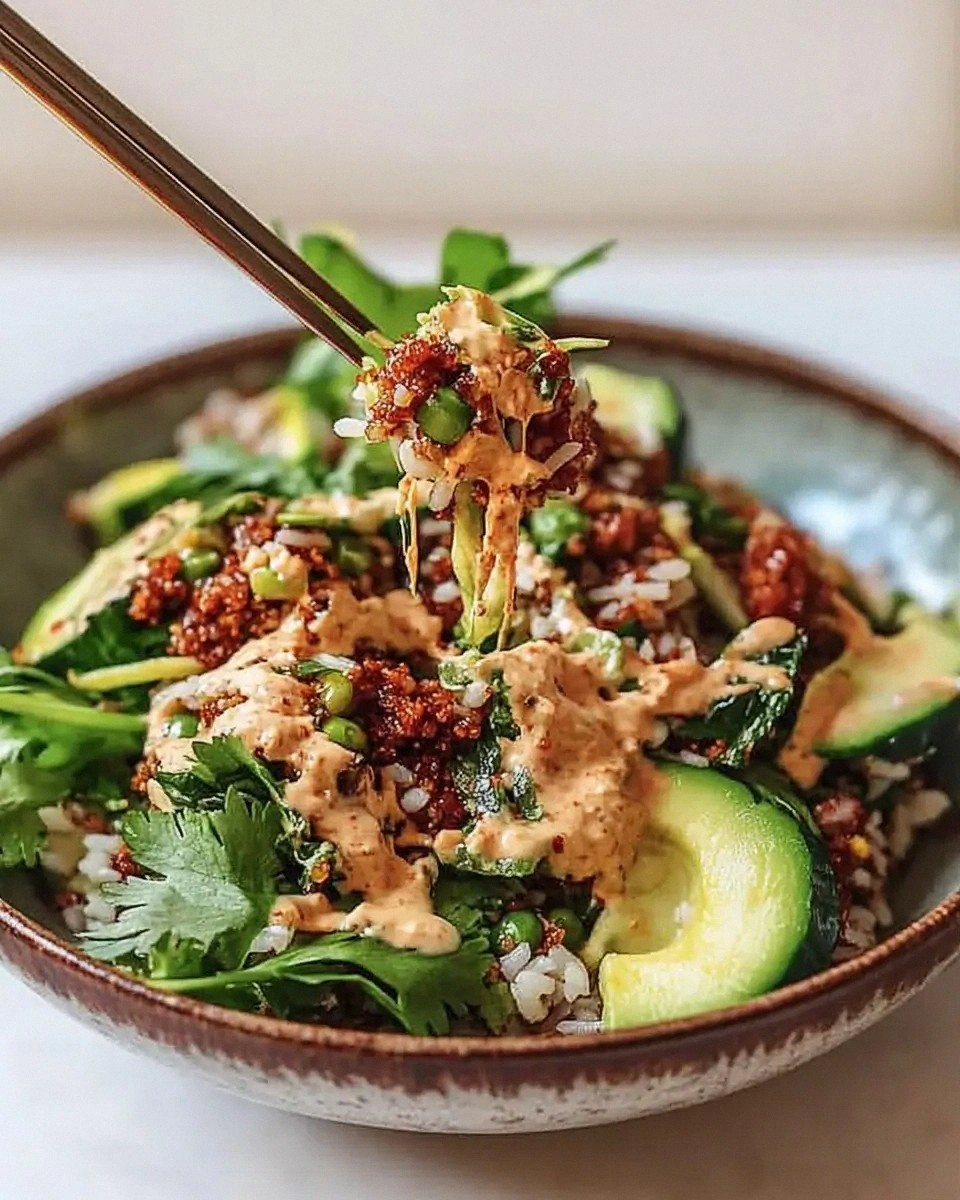
Picture this: the first bite delivers a crunchy snap from the peanuts, followed by the sweet‑heat of gochujang that coats each grain of rice like a silky, spicy blanket. The cucumber adds a crisp, watery crunch that balances the richness, while the carrots bring a subtle earthiness that feels like a warm hug from an old friend. You can hear the faint sizzle of the sesame oil as it meets the hot rice, smell the tang of rice vinegar mingling with honey, and feel the cool, refreshing drizzle of the dressing sliding over the bowl. It’s a symphony of texture and flavor that makes you want to shout, “I dare you to taste this and not go back for seconds.”
What makes this version stand out isn’t just the ingredients—it’s the method. Most recipes tell you to toss everything together and call it a day, but that’s where they get it wrong. I’ve discovered that crisping the rice first, then layering the fresh veggies, creates a contrast that most home cooks never achieve. The secret weapon? A quick flash‑fry that turns the rice into tiny, golden nuggets that shatter like thin ice when you bite into them. This step alone turns a simple salad into a textural masterpiece.
And there’s a twist you won’t see coming: a splash of honey in the dressing. It’s not sweet for the sake of sweet; it tempers the fiery gochujang and brings out a depth of flavor that feels like a hidden treasure. I’ll be honest — I ate half the batch before anyone else got to try it, and that’s because the balance is just that perfect. So buckle up, because I’m about to walk you through every single step — by the end, you’ll wonder how you ever made it any other way.
What Makes This Version Stand Out
- Flavor Explosion: The gochujang‑honey glaze coats each grain of rice, delivering a sweet‑heat that lingers on the palate like a warm summer night.
- Texture Contrast: Crispy rice meets crunchy peanuts and fresh cucumber, creating a mouthfeel that’s both satisfying and surprising.
- Simplicity: Only fifteen minutes of prep and a half‑hour of cooking, yet the result feels restaurant‑level.
- Unique Ingredient Pairing: The marriage of sesame oil and rice vinegar with gochujang is a game‑changer that most home cooks overlook.
- Crowd Reaction: I’ve seen grown‑ups and kids alike pause, stare, and then dive in with a grin that says, “I’m hooked.”
- Ingredient Quality: Using toasted peanuts and fresh cilantro adds layers of aroma that cheap substitutes simply can’t match.
- Cooking Method: Flash‑frying the rice creates that coveted crunch without turning the whole dish into a fried disaster.
- Make‑Ahead Potential: The dressing can be prepared days ahead, and the rice keeps its crispness when reheated properly.
Inside the Ingredient List
The Flavor Base
The heart of this salad is the gochujang‑honey dressing. Gochujang, a fermented Korean chili paste, brings umami, depth, and a gentle heat that isn’t overwhelming. The honey isn’t just a sweetener; it acts as a flavor bridge, mellowing the heat while amplifying the rice’s nutty notes. If you skip the honey, you’ll end up with a sauce that feels sharp and one‑dimensional, like a song missing its chorus. For a vegan twist, swap honey for agave nectar—just keep the volume the same.
The Texture Crew
Crispy rice, shredded carrots, chopped cucumber, and roasted peanuts form the crunchy backbone. The rice, when flash‑fried, becomes a golden, bite‑size crunch that shatters like thin ice. Carrots add a sweet earthiness, while cucumber injects a watery coolness that balances the heat. Peanuts, lightly toasted, bring a buttery richness that rounds out the dish. If you’re allergic to peanuts, try toasted pumpkin seeds; they’ll give you the same crunch with a slightly nutty flavor.
The Unexpected Star
Fresh cilantro might seem like a garnish, but it’s a flavor catalyst. Its bright, citrusy notes cut through the richness of sesame oil and peanuts, providing a refreshing finish. If you’re not a fan of cilantro, substitute with Thai basil for a slightly sweeter aroma. The green onions add a mild oniony bite that layers nicely with the garlic, creating a savory backdrop that supports the gochujang’s heat.
The Final Flourish
Sesame oil and rice vinegar are the finishing touches that tie everything together. Sesame oil brings a toasty, nutty aroma that lingers in the air, while rice vinegar adds a bright acidity that lifts the entire dish. A pinch of salt and a grind of black pepper awaken the flavors, ensuring nothing feels flat. If you’re watching sodium, reduce the soy sauce and add a splash of low‑sodium broth instead.
Everything's prepped? Good. Let's get into the real action…
The Method — Step by Step
Start by cooking the brown rice according to package instructions, but stop just shy of full doneness—aim for al dente. Once cooked, spread the rice on a large baking sheet, drizzle with 1 tablespoon of sesame oil, and let it cool for five minutes. This cooling step is crucial because it prevents the rice from steaming and becoming soggy when it hits the pan.
Heat a wide skillet over medium‑high heat. When the pan is shimmering, add the rice in a thin layer, pressing it down gently. Let it sit untouched for 2‑3 minutes; you’ll hear a faint sizzle that signals the bottom is forming a golden crust.
After the crust forms, flip sections of the rice with a spatula, allowing the other side to crisp up. You’re looking for a deep amber color and a crunchy texture that shatters like thin ice when you bite.
While the rice crisps, prepare the vegetables. Shred the carrots using a box grater, dice the cucumber into bite‑size pieces, halve the cherry tomatoes, and slice the green onions thinly. Toss everything together in a large bowl and set aside.
In a small bowl, whisk together the gochujang, soy sauce, rice vinegar, honey, and minced garlic until smooth. The mixture should have a glossy sheen—this is the glaze that will coat every ingredient like velvet.
Once the rice reaches that perfect crunch, transfer it to the bowl of vegetables. Sprinkle the roasted peanuts and fresh cilantro over the top. At this point, the salad is still warm, which helps the dressing adhere better.
Pour the gochujang glaze over the mixture, tossing gently with two large spoons. The goal is to coat each grain and veggie without bruising the delicate cucumber. You’ll notice the sauce clinging to the rice like a glossy armor.
Season with salt and a generous grind of black pepper. Taste and adjust—if you crave a bit more heat, add a splash of extra gochujang; if you want more brightness, a dash more rice vinegar will do the trick.
Kitchen Hack: Use a silicone spatula to fold the dressing in; it prevents crushing the crispy rice while ensuring an even coat.Let the salad rest for five minutes on the counter. This short pause allows the flavors to meld, and the rice to firm up a bit more, preserving its crunch.
Watch Out: If you let the salad sit too long (over 30 minutes), the rice will absorb moisture and lose its crispness. Keep the rest period short.Give the salad one final toss just before serving. This final motion re‑distributes any dressing that may have settled at the bottom of the bowl.
Serve immediately on a wide platter or individual bowls. Garnish with an extra sprinkle of peanuts and a few cilantro leaves for visual appeal.
If you’re serving a crowd, keep the crispy rice separate until the last minute. Store the rice in a warm oven (around 150°F) on a low rack; this keeps it from steaming and losing its crunch.
For a dramatic presentation, drizzle a thin line of extra gochujang around the plate’s edge and sprinkle a few sesame seeds. This not only looks stunning but adds a subtle nutty aroma that hits the nose before the first bite.
Enjoy! Take that first bite and let the layers of flavor and texture dance across your palate. I dare you to taste this and not go back for seconds—because once you’ve experienced the perfect balance of sweet, spicy, and crunchy, nothing else will compare.
That's it — you did it. But hold on, I've got a few more tricks that'll take this to another level. Trust me, these insider secrets are the difference between “good” and “mind‑blowing.”
Insider Tricks for Flawless Results
The Temperature Rule Nobody Follows
Most home cooks crank the heat up high, assuming faster = better. In reality, a medium‑high flame gives the rice enough time to form a crust without burning the outer layer. If the pan is too hot, the rice will blacken before the interior gets crispy, resulting in a bitter taste. I once tried blasting it on high, and the result was a burnt, inedible mess—lesson learned. Keep that temperature steady, and you’ll get that perfect golden crunch every time.
Why Your Nose Knows Best
Your sense of smell is a secret weapon. When the rice starts to crisp, you’ll notice a nutty, toasted aroma rising from the pan. That scent is your cue to flip the rice. If you wait too long, the rice will dry out; too early and you’ll miss the caramelization. Trust that nose—it’s more reliable than a timer.
The 5‑Minute Rest That Changes Everything
After mixing the dressing, let the salad sit for exactly five minutes. This short rest allows the rice to re‑absorb a tiny amount of the glaze, creating a subtle “glazed” interior while preserving the outer crunch. Skipping this step leaves the rice too dry and the flavors less integrated. I’ve seen people serve it straight away and wonder why it feels flat; the rest period is the secret glue.
Peanut Perfection
Roasting peanuts yourself, even for just five minutes in a dry skillet, unlocks a deeper flavor than store‑bought pre‑roasted. The heat releases the oils, making them butterier and more aromatic. Toss them with a pinch of sea salt while still warm for an extra pop. If you’re allergic, swap with toasted sunflower seeds—their mild flavor won’t overpower the gochujang.
The Dressing Emulsion Trick
When whisking the gochujang, soy sauce, rice vinegar, honey, and garlic, drizzle in the sesame oil very slowly while whisking vigorously. This creates a stable emulsion that clings to the rice like a glossy coat, rather than sliding off. Skipping the slow drizzle results in a watery dressing that separates. This emulsion is what makes each bite feel luxurious.
Creative Twists and Variations
This recipe is a playground. Here are some of my favorite ways to switch things up:
Spicy Mango Fusion
Add diced ripe mango and a splash of lime juice. The mango’s sweetness balances the heat, while lime adds a zesty punch. Perfect for summer barbecues where you want a tropical twist.
Protein Power Upgrade
Stir in grilled chicken strips, tofu cubes, or shrimp marinated in a little extra gochujang. The added protein turns this salad into a complete meal, ideal for post‑workout refueling.
Nut‑Free Crunch
Replace roasted peanuts with toasted chickpeas seasoned with smoked paprika. The chickpeas provide a crunchy bite and a smoky depth that pairs beautifully with the sweet‑heat glaze.
Herbaceous Overload
Swap cilantro for fresh mint and add a handful of Thai basil. The mint introduces a cool, refreshing note, while basil contributes a sweet, anise‑like aroma—great for those who love herb‑forward dishes.
Vinegar‑Free Version
If you’re sensitive to acidity, replace rice vinegar with a splash of apple cider vinegar and a pinch of sugar. The balance remains bright without the sharp tang, making it gentler on the stomach.
Storing and Bringing It Back to Life
Fridge Storage
Place the salad in an airtight container, keeping the dressing separate if you anticipate a longer storage period (more than 12 hours). The rice will stay crisp for up to two days. When ready to serve, toss the dressing back in and give a quick mix.
Freezer Friendly
You can freeze the cooked brown rice and the vegetable mix separately. Store them in zip‑top bags, removing as much air as possible. The peanuts and fresh herbs should stay out of the freezer to preserve texture. Defrost in the refrigerator overnight, then re‑crisp the rice using the flash‑fry method before assembling.
Best Reheating Method
To revive the crispiness, sprinkle a tiny splash of water over the rice and re‑heat in a hot skillet for 2‑3 minutes, stirring gently. The steam will re‑hydrate the rice just enough to soften the interior while the pan restores the outer crunch. Avoid microwave reheating; it will make the rice soggy and ruin the texture.