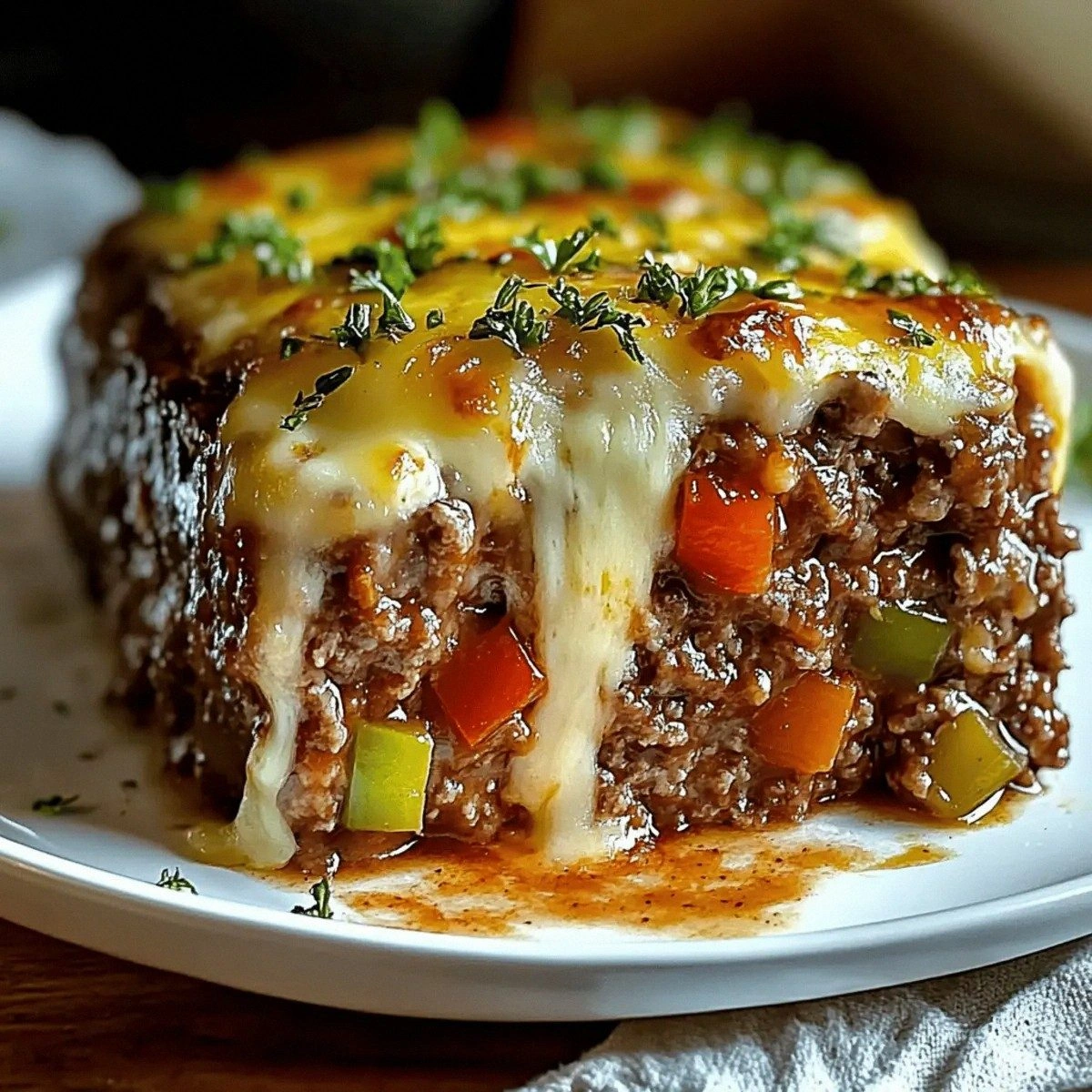
I was standing in my kitchen, staring at a half‑finished meatloaf that looked like it had survived a minor car crash, when my roommate shouted, “You ever tried a Philly cheesesteak in loaf form?” I laughed, but the idea lodged itself in my brain like a stubborn piece of cheese on a grill. The next night, armed with a skillet, a pan, and a stubborn craving for that iconic, melt‑in‑your‑mouth sandwich, I set out to create a comfort dish that would make the streets of South Philadelphia jealous. The result? A meatloaf that sings with the smoky, savory notes of a classic cheesesteak, wrapped in a tender, juicy crust that practically begs for a second slice. I dare you to taste this and not go back for seconds.
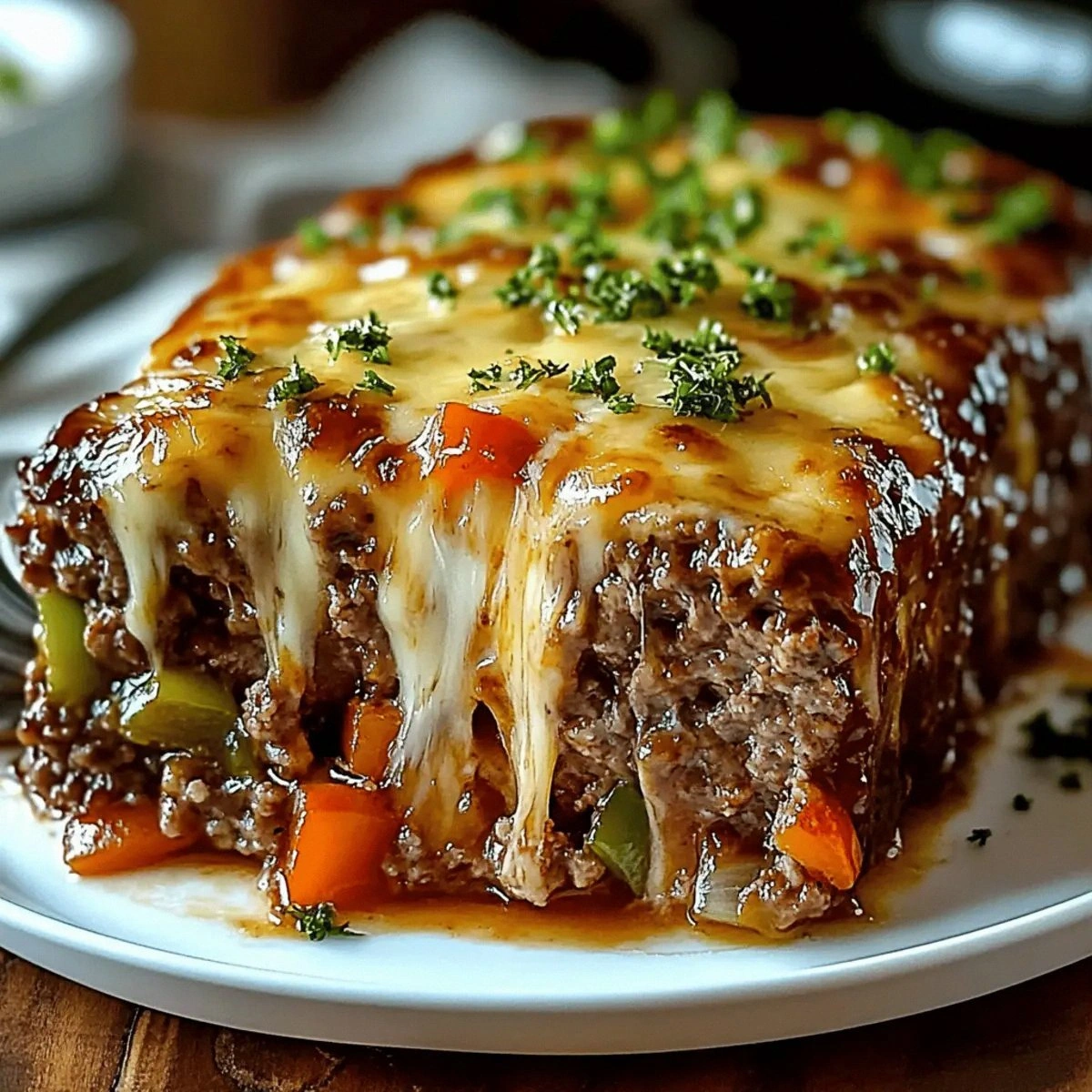
Picture this: the kitchen fills with the sizzle of onions and bell peppers hitting hot olive oil, the aroma of Worcestershire sauce and garlic powder weaving through the air like a nostalgic soundtrack. The mixture of ground beef, breadcrumbs, and a single egg comes together in a bowl, glossy and promising. When it finally hits the oven, the top browns to a caramelized, cheese‑streaked finish that crackles like a campfire, while the inside stays moist, almost buttery. The first bite delivers a perfect balance of beefy depth, peppery crunch, and that signature provolone melt that stretches like a lazy cat waking from a nap.
Most recipes get this completely wrong. They either drown the meat in sauce, turning it soggy, or they forget the crucial sautéed veg that gives a Philly its signature crunch. I’ve tried a dozen “cheesesteak meatloaf” attempts, and each one taught me a hard lesson about seasoning, moisture, and the timing of cheese. This version stands out because it respects the original sandwich’s flavor architecture while embracing the comfort‑food spirit of a classic meatloaf. The secret? A quick pan‑sear of the veg before they even meet the beef, and a strategic placement of provolone slices that melt into the meat’s core, not just the surface.
Let me walk you through every single step — by the end, you’ll wonder how you ever made it any other way. Okay, ready for the game‑changer? We’re about to turn a humble loaf into a show‑stopping centerpiece that will have guests whispering, “What’s the secret?” and you, smugly, will reply, “Just a little Philly love.” Stay with me here — this is worth it.
What Makes This Version Stand Out
- Flavor Fusion: The combination of Worcestershire sauce, garlic powder, and sautéed veggies creates a layered taste that mirrors a real cheesesteak, not a watered‑down imitation.
- Moisture Mastery: Adding milk and an egg binds the breadcrumbs while keeping the loaf tender, preventing the dreaded dry meatloaf that haunts many home cooks.
- Cheese Integration: Provolone isn’t just melted on top; it’s folded into the meat, guaranteeing that gooey stretch in every bite.
- Texture Contrast: The crisped edges of the sautéed peppers and onions give a satisfying crunch that balances the soft interior.
- Simplicity: Only twelve ingredients, most of which you already have in your pantry, make this recipe accessible without compromising on flavor.
- Crowd‑Pleaser: Whether you’re feeding a family of four or a party of ten (just double the recipe), the aroma alone pulls people to the table.
- Make‑Ahead Magic: The loaf can be assembled ahead of time, refrigerated, and baked when you’re ready, saving you last‑minute stress.
- Season‑Proof: This dish shines in any season—comfort in winter, easy weeknight dinner in summer—making it a year‑round staple.
Inside the Ingredient List
The Flavor Base
Ground beef is the heart of this dish. I recommend an 80/20 blend for the perfect balance of juiciness and flavor; the extra fat renders during cooking, creating that unmistakable richness. If you’re watching calories, you can drop to 85/15, but expect a slightly drier texture. Worcestershire sauce adds a umami punch that mimics the savory notes of a cheesesteak’s seasoned beef, while garlic powder provides a subtle aromatic backdrop. Skipping either will leave the loaf tasting flat, like a song missing its bass line.
The Texture Crew
Breadcrumbs act as the glue that holds everything together without making the loaf gummy. Use plain, not seasoned, so you can control the salt level yourself. The large egg binds the mixture, adding richness and helping the loaf rise just enough to stay tender. Milk introduces moisture, ensuring the crumb stays soft. If you’re dairy‑free, swap milk for almond or oat milk; the texture stays just as comforting.
The Unexpected Star
Fresh parsley isn’t just a garnish; it injects a bright, herbaceous pop that cuts through the richness. It also adds a splash of color that makes the loaf look as appetizing as it tastes. If you don’t have parsley, fresh basil or a pinch of dried Italian herbs can work, though the flavor profile will shift slightly toward Mediterranean rather than Philly.
The Final Flourish
Green bell pepper and onion are the vegetables that give the loaf its signature crunch and sweetness. Sauté them first to caramelize their natural sugars; this step is essential because raw veg would release water, making the loaf soggy. Provolone cheese, sliced into four generous pieces, is folded into the meat mixture, ensuring each bite has that melt‑in‑your‑mouth stretch. Olive oil is the medium for sautéing; its mild flavor won’t compete with the other ingredients, but it does help achieve a golden sear.
Everything's prepped? Good. Let’s get into the real action, where the magic really happens.
The Method — Step by Step
Preheat your oven to 375°F (190°C). While the oven warms up, line a baking sheet with parchment paper; this prevents the loaf from sticking and makes cleanup a breeze. I like to place a wire rack on top of the parchment so the heat circulates evenly, giving the loaf a uniform crust. The kitchen will start to smell like anticipation—trust me, that’s a good sign.
Dice the green bell pepper and onion into small, uniform pieces—about a quarter‑inch cubes. Heat a tablespoon of olive oil in a skillet over medium‑high heat. When the oil shimmers, add the vegetables, sprinkling a pinch of salt to draw out moisture. Sauté for 5‑7 minutes, stirring occasionally, until the onions turn translucent and the peppers develop a light char. That sizzle when it hits the pan? Absolute perfection.
Kitchen Hack: After sautéing, set the veggies aside on a plate lined with paper towels to absorb excess oil—this prevents the loaf from becoming greasy.In a large mixing bowl, combine 1 pound of ground beef, 1 cup breadcrumbs, the sautéed vegetables, 1 large egg, ½ cup milk, 2 tablespoons Worcestershire sauce, and 1 teaspoon garlic powder. Add salt and pepper to taste, remembering that the cheese will also bring saltiness. Using your hands, gently fold everything together—think of it as coaxing the ingredients into a harmonious union, not beating them into submission. The mixture should feel slightly sticky but not overly wet.
Take the four slices of provolone and cut each into thin strips. Fold the strips into the meat mixture, distributing them evenly so every bite gets a molten cheese surprise. If you’re feeling daring, reserve one strip for the very top of the loaf to create a cheesy crown.
Transfer the mixture onto the prepared parchment and shape it into a loaf about 9 inches long and 4 inches wide. Press gently to ensure it holds together but avoid compacting it too tightly. Drizzle a tiny drizzle of olive oil over the top and sprinkle a handful of fresh parsley for a pop of color.
Slide the tray into the preheated oven. Bake for 25 minutes, then pull it out and carefully flip the loaf using a spatula. This flip ensures both sides develop a golden crust and that the provolone inside gets an even melt. Return the loaf to the oven for another 10‑12 minutes, or until an internal thermometer reads 160°F (71°C). The edges should start pulling away from the parchment, signaling it’s done.
Watch Out: Over‑baking will dry out the meat. Start checking at the 30‑minute mark to avoid a tough loaf.While the loaf finishes, prepare a simple side sauce if you wish: a quick blend of mayo, a dash of mustard, and a splash of pickle juice creates a tangy dip that mirrors the classic cheesesteak topping. This step is optional but adds an extra layer of authenticity.
When the loaf is out of the oven, let it rest for 8‑10 minutes. Resting allows the juices to redistribute, making each slice moist and flavorful. Slice the loaf into 1‑inch thick pieces; the provolone will stretch like a lazy cat waking from a nap, creating that coveted cheese pull.
Plate the slices on a warm platter, garnish with a sprinkle of fresh parsley, and serve immediately. Picture yourself pulling this out of the oven, the whole kitchen smelling incredible, and the first bite melting on your tongue. That’s the moment you’ll remember forever.
That’s it — you did it. But hold on, I’ve got a few more tricks that’ll take this to another level, from glaze ideas to serving suggestions that will make your guests think you’ve hired a professional chef.
Insider Tricks for Flawless Results
The Temperature Rule Nobody Follows
Most home cooks bake meatloaf at 350°F, assuming a slower cook means juicier meat. In reality, a slightly hotter oven (375°F) creates a quick crust that locks in moisture while still giving the interior time to cook evenly. I once baked at 325°F and ended up with a loaf that resembled a dry sponge—never again. Trust the heat; it’s your best ally.
Why Your Nose Knows Best
Your sense of smell is a more reliable indicator than a timer. When the loaf’s edges start to pull away from the pan and you catch a faint caramel aroma, you’re at the perfect finish line. If you’re unsure, give it a gentle tap—if it sounds hollow, it’s done. This trick saved me from a burnt disaster once, and it will save you too.
The 5‑Minute Rest That Changes Everything
Resting the loaf after baking isn’t just for aesthetics; it allows the internal juices to settle, preventing them from spilling out when you cut. Skipping this step is like pulling a cupcake out of the oven and slamming it on a plate—messy and disappointing. Let it sit, covered loosely with foil, and you’ll get cleaner slices and richer flavor.
Cheese Placement Mastery
Instead of tucking all provolone inside, reserve one slice for the top. This creates a golden, bubbly cheese crown that not only looks impressive but adds a crunchy, caramelized edge. The inside strips guarantee that every bite has that gooey stretch we all love.
Veggie Sauté Secrets
Don’t crowd the pan when sautéing the onion and pepper. Overcrowding traps steam, resulting in steamed veggies rather than caramelized ones. Cook in batches if necessary; the extra effort yields a deeper, sweeter flavor that elevates the whole loaf.
Creative Twists and Variations
This recipe is a playground. Here are some of my favorite ways to switch things up:
Spicy Jalapeño Kick
Add 1‑2 finely diced jalapeños to the sautéed veg and swap provolone for pepper jack. The heat pairs beautifully with the beef, creating a bold version that will impress spice lovers.
Mushroom‑Umami Boost
Replace half the ground beef with finely chopped mushrooms. The mushrooms add an earthy depth that mimics the savoriness of a traditional cheesesteak without extra meat.
Italian‑Inspired
Swap provolone for mozzarella, add a teaspoon of dried oregano to the meat mixture, and finish with a drizzle of marinara sauce. This turns the loaf into a hybrid of meatloaf and baked ziti—comfort on steroids.
BBQ Glazed
Brush the top with your favorite BBQ sauce during the last 10 minutes of baking. The caramelized glaze adds a sweet‑smoky contrast that pairs wonderfully with the provolone.
Breakfast Remix
Fold in diced cooked bacon and replace the provolone with sharp cheddar. Serve the slices alongside scrambled eggs for a hearty brunch that will keep you full all morning.
Storing and Bringing It Back to Life
Fridge Storage
Allow the loaf to cool completely, then wrap it tightly in plastic wrap or foil. Store in an airtight container for up to 4 days. When reheating, slice and place on a microwave‑safe plate, cover with a damp paper towel, and heat for 60‑90 seconds per slice.
Freezer Friendly
Wrap the cooled loaf in a double layer of freezer‑grade foil and then place it in a zip‑top bag. It will keep for up to 3 months. To reheat, thaw overnight in the fridge, then bake at 350°F for 15‑20 minutes, adding a splash of water to the pan to create steam and revive the moisture.
Best Reheating Method
For the ultimate texture, reheat slices in a preheated skillet over medium heat, adding a teaspoon of water and covering with a lid for 2‑3 minutes. The steam revives the interior while the bottom gets a pleasant crisp. This method restores the original melt‑in‑your‑mouth experience.