Picture this: I’m standing in my cramped kitchen, a half‑finished pot of bland chicken stew bubbling on the stove, and my roommate just walked in with a triumphant grin, clutching a bag of quinoa like it’s a golden ticket. I had promised a “quick weeknight dinner” and ended up with a culinary disaster that tasted like watered‑down broth and regret. The smoke alarm chirped in protest, the onions cried out in the pan, and I swore I’d never attempt a curry again. Then, in a moment of desperate inspiration (and a dare from my friend that I couldn’t refuse), I tossed in a splash of coconut milk, a daring handful of curry powder, and a cup of quinoa that had been soaking overnight. The kitchen instantly transformed into a fragrant oasis, and the sauce thickened into a silky veil that clung to every bite like a lover’s embrace.
The first spoonful was a revelation: the quinoa’s nutty crunch met the tender chicken, while the curry’s warm spices danced with a subtle hint of citrus from fresh lime. My senses went into overdrive—the sizzle of garlic hitting hot oil, the aromatic perfume of ginger and cumin swirling in the air, the glossy sheen of coconut milk catching the light like liquid gold. I could hear the faint pop of spices awakening, feel the heat radiating from the pot, and taste the perfect balance of heat and comfort that made me want to shout, “I dare you to taste this and not go back for seconds.” It was as if the dish had been waiting for the right moment to reveal its brilliance, and I was the lucky conduit.
Most recipes I’ve tried either drown the quinoa in sauce or leave the chicken dry, and they completely miss the mark on texture. This version, however, respects every component: the quinoa stays fluffy and separate, the chicken stays juicy, and the curry sauce coats everything with a velvety richness that doesn’t turn soggy. I’ll be honest — I ate half the batch before anyone else got a chance to try it, and that’s a testament to how addictive this bowl truly is. The secret? A quick toast of the spices before adding the liquid, and a finishing splash of lime that brightens the entire palate like a sunrise after a long night.
Now, I’m about to walk you through every single step — by the end, you’ll wonder how you ever made a curry any other way. Ready for the game‑changer? This next part? Pure magic. Let’s dive in and create a bowl that will have your family begging for the recipe and your kitchen smelling like a five‑star restaurant.
What Makes This Version Stand Out
- Flavor Explosion: The combination of curry powder, fresh ginger, and coconut milk creates a sauce that’s deep, aromatic, and perfectly balanced, delivering a taste that lingers long after the last bite.
- Texture Harmony: Fluffy quinoa provides a light, nutty base while bite‑size chicken pieces stay tender, and the added spinach offers a fresh pop that prevents the dish from feeling heavy.
- Simplicity: With only a handful of pantry staples and a 30‑minute cook time, this recipe fits into any busy schedule without compromising on flavor.
- Unique Twist: Toasting the spices before deglazing with coconut milk unlocks hidden flavor layers that most recipes overlook.
- Crowd‑Pleaser: Even the pickiest eaters love the mild heat and creamy texture, making it perfect for family dinners or casual gatherings.
- Ingredient Quality: Using high‑quality quinoa and fresh chicken ensures the dish feels wholesome and nourishing, not just another processed meal.
- One‑Pan Efficiency: The entire process happens in just two pans, minimizing cleanup and keeping the kitchen chaos to a minimum.
- Make‑Ahead Potential: Cook the quinoa ahead of time and store the curry sauce separately; they re‑combine beautifully for a quick reheated lunch.
Inside the Ingredient List
The Flavor Base
Onion, garlic, and ginger form the aromatic trio that lays the foundation for any good curry. The onion adds natural sweetness when it caramelizes, while garlic brings a pungent depth, and ginger contributes a bright, peppery zing that cuts through the richness of coconut milk. Skipping any of these means losing the complex flavor layers that make the dish sing. If you’re out of fresh ginger, a teaspoon of ground ginger works in a pinch, though fresh always wins for that zing.
The Texture Crew
Quinoa is the star of the texture crew, offering a light, slightly crunchy bite that’s both gluten‑free and protein‑packed. Rinse it thoroughly before cooking to remove the bitter saponin coating; this simple step makes a world of difference. The chicken, cut into uniform cubes, cooks quickly and stays juicy when seared just enough to develop a golden crust. For a leaner option, try turkey breast, but be aware it can dry out faster, so watch the timing closely.
The Unexpected Star
Coconut milk is the unexpected hero that turns a regular curry into a luxurious, velvety sauce. Its natural fats carry the spices, ensuring every bite is infused with flavor, while also providing a subtle sweetness that balances the heat. If you’re allergic or prefer a lighter version, swap half the coconut milk with low‑fat Greek yogurt; just add it at the end to prevent curdling.
The Final Flourish
Fresh cilantro and a squeeze of lime finish the dish with a burst of freshness that lifts the rich sauce. The herb’s citrusy notes complement the curry’s warmth, while the lime adds a tangy contrast that prevents the bowl from feeling too heavy. If cilantro isn’t your thing, a handful of chopped mint can provide a similarly refreshing finish. Remember to add the lime just before serving; the acid will brighten the entire bowl instantly.
Everything's prepped? Good. Let's get into the real action...
The Method — Step by Step
-
Start by rinsing 1 cup of quinoa under cold water for at least 30 seconds, then drain thoroughly. This removes the bitter saponin coating that can ruin the dish’s delicate flavor. Transfer the quinoa to a saucepan, add 2 cups of water, a pinch of salt, and bring to a boil. Once boiling, reduce the heat to low, cover, and let it simmer for 15 minutes until the grains are fluffy and the water is fully absorbed. After cooking, fluff with a fork and set aside; the texture should be light and slightly nutty, ready to soak up the curry sauce later.
Kitchen Hack: Let the cooked quinoa sit, covered, for an extra 5 minutes off the heat; this steam‑finish makes each grain even more tender. -
While the quinoa cooks, heat 2 tbsp of olive oil in a large skillet over medium‑high heat. Add the diced onion and sauté for 3‑4 minutes until it turns translucent and begins to caramelize, giving off that sweet, nutty aroma that signals the base of a great curry. Next, toss in the minced garlic and grated ginger, stirring constantly for another 30 seconds; you’ll hear a gentle sizzle that tells you the aromatics are waking up.
-
Now it’s time for the spices to shine. Sprinkle in 2 tbsp of curry powder, 1 tsp ground cumin, 1 tsp turmeric, and ½ tsp chili flakes. Toast the spices for about 45 seconds, stirring constantly, until they become fragrant and the pan takes on a deep amber hue. This step is crucial: it unlocks the essential oils in the spices, creating a flavor foundation that’s richer than any pre‑mixed curry paste.
Watch Out: Be careful not to burn the spices; once they turn dark brown, they become bitter. Keep the heat medium and stir continuously. -
Introduce the chicken pieces to the pan, stirring to coat them evenly with the toasted spice mixture. Sear the chicken for 4‑5 minutes, allowing each piece to develop a golden crust; you’ll hear a satisfying crackle as the meat caramelizes. This step locks in juices, ensuring the chicken stays moist throughout the simmering stage. If any pieces start to stick, deglaze the pan with a splash of water or broth, scraping up the browned bits for extra flavor.
-
Pour in the 1 can (14 oz) of coconut milk, followed by 1 cup of diced tomatoes. Stir gently to combine, and bring the mixture to a gentle boil. Once bubbling, reduce the heat to a low simmer and let it cook for 10 minutes, allowing the sauce to thicken and the flavors to meld. You’ll notice the sauce turning a luscious golden‑cream color, and the aroma will become intoxicatingly spicy yet sweet.
-
Stir in the fresh spinach leaves, letting them wilt into the sauce within 2 minutes. The spinach adds a vibrant green hue and a subtle earthiness that balances the richness of coconut milk. Taste the curry now and season with salt and freshly cracked black pepper to taste; remember, seasoning is the final brushstroke on a masterpiece.
Kitchen Hack: Add a handful of chopped cilantro at the end for a fresh pop that lifts the entire dish. -
Now, gently fold the cooked quinoa into the curry, ensuring each grain is coated with the velvety sauce. Let everything sit together for another 2 minutes on low heat so the quinoa absorbs a bit of the curry’s flavor without becoming mushy. This short union creates a harmonious mouthfeel where the quinoa’s bite meets the sauce’s silk.
-
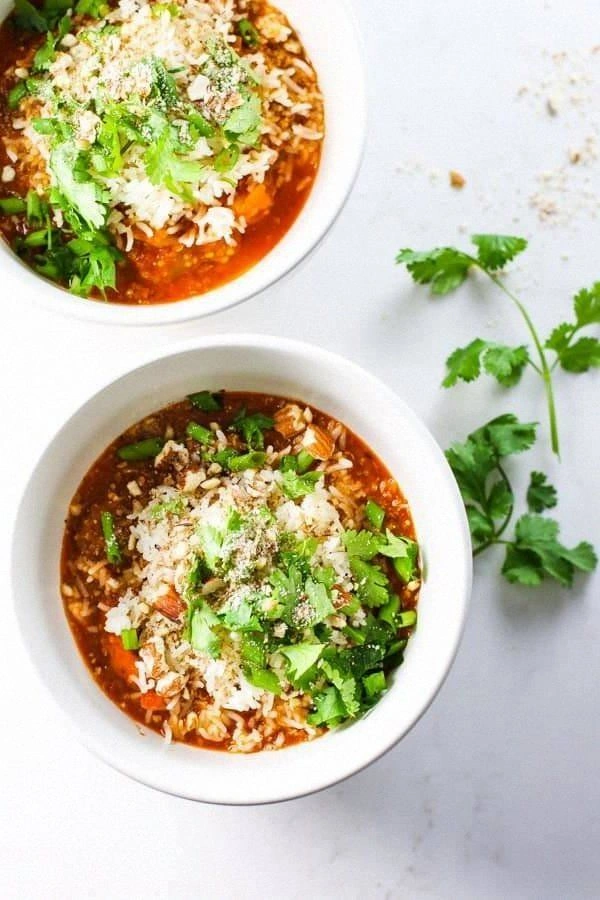
Finish with a generous squeeze of fresh lime juice and a sprinkle of chopped cilantro on top. The lime’s acidity cuts through the richness, delivering that bright, clean finish that makes you want to take another spoonful. Serve the bowls hot, accompanied by extra lime wedges for those who love an extra zing. That sizzle when it hits the pan? Absolute perfection.
That's it — you did it. But hold on, I've got a few more tricks that'll take this to another level. Stay with me here — this is worth it.
Insider Tricks for Flawless Results
The Temperature Rule Nobody Follows
Always start your curry on medium heat, not high. High heat can scorch the spices before they release their oils, leading to a bitter aftertaste. By keeping the temperature moderate, you give the aromatics time to bloom, producing a deeper, smoother flavor. I once tried cranking the heat and ended up with a burnt base; the dish was salvaged, but the taste was forever compromised.
Why Your Nose Knows Best
Before you add the coconut milk, pause and sniff the pan. If you can detect the sweet, earthy scent of toasted spices, you’re golden. If the smell leans toward burnt or overly sharp, lower the heat and give the spices a few more seconds. Your nose is the ultimate taste‑tester, and trusting it prevents a lot of common mishaps.
The 5‑Minute Rest That Changes Everything
Once the curry is off the heat, let it rest for five minutes, covered. This short rest allows the flavors to marry and the sauce to thicken naturally, giving a richer mouthfeel. I’ve seen sauces that look perfect right off the stove turn watery after a minute; the rest period eliminates that problem.
Spinach Shortcut
Use baby spinach instead of mature leaves. Baby spinach wilts faster and retains a milder flavor, preventing the dish from becoming overly vegetal. If you only have mature spinach, tear the leaves into smaller pieces to speed up wilting.
Freezing the Curry Sauce
The curry sauce freezes beautifully for up to three months. Portion it into airtight containers, leaving a small headspace for expansion. When reheating, add a splash of water or broth and gently simmer; the sauce will regain its silky texture without separating.
Creative Twists and Variations
This recipe is a playground. Here are some of my favorite ways to switch things up:
Roasted Sweet Potato Curry
Swap half the quinoa for cubed roasted sweet potatoes. Their natural sweetness pairs beautifully with the curry spices, adding a caramelized edge that delights the palate. This variation is perfect for autumn evenings when you crave warmth.
Thai‑Inspired Coconut Lime
Replace curry powder with Thai red curry paste and add a handful of sliced kaffir lime leaves. The result is a brighter, more herbaceous curry with a distinct Thai flair, perfect for those who love a punch of lemongrass aroma.
Protein‑Power Chickpea Version
For a vegetarian twist, ditch the chicken and add a can of rinsed chickpeas. Chickpeas absorb the sauce wonderfully and provide a hearty bite, turning the dish into a plant‑based powerhouse.
Spicy Chipotle Boost
Stir in a teaspoon of chipotle in adobo sauce during step five for a smoky, smoky heat that elevates the curry to a bold new level. Adjust the amount based on your tolerance for spice.
Herb‑Infused Quinoa
Cook the quinoa in low‑sodium chicken broth instead of water and add a bay leaf while simmering. The broth imparts an extra layer of savory flavor that integrates seamlessly with the curry sauce.
Creamy Avocado Garnish
Top each bowl with sliced avocado and a drizzle of lime‑yogurt sauce. The cool, buttery avocado balances the heat and adds a luxurious texture that feels indulgent yet healthy.
Storing and Bringing It Back to Life
Fridge Storage
Cool the bowl to room temperature before transferring it to an airtight container. It will keep fresh for up to 4 days. When reheating, add a splash of water or broth and warm over low heat, stirring occasionally to restore the sauce’s creaminess.
Freezer Friendly
Separate the quinoa and curry sauce into two freezer‑safe bags. Label them with the date and store for up to 3 months. To reheat, thaw overnight in the fridge, then gently warm the sauce on the stove and stir in the quinoa just before serving.
Best Reheating Method
The secret to a perfect reheated bowl is steam. Add a tablespoon of water to the pan, cover, and heat on low for 5‑7 minutes, allowing the steam to rejuvenate the quinoa’s fluffy texture and the sauce’s silkiness. This method prevents the curry from drying out or separating.